
How to clean plaque from hard-to-reach wisdom teeth
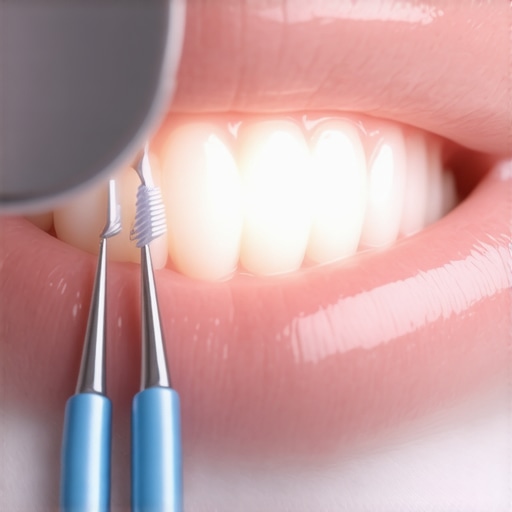
Ever found yourself frustrated that no matter how diligently you brush, some spots in your mouth seem to hide plaque with a stubbornness that’s downright infuriating? That was me, not long ago, after noticing a dull ache behind my last molars. It hit me—my wisdom teeth, especially those tricky, hard-to-reach ones, were harboring plaque like a fortress!
Why Hard-to-Reach Wisdom Teeth Are a Hidden Dental Challenge
I used to think that brushing and flossing covered all bases, but my experience taught me otherwise. The back corners of our mouths, especially those wisdom teeth, are like the Bermuda Triangle of oral hygiene. Food particles and plaque can cling stubbornly there, increasing the risk of cavities and gum disease if neglected. It’s not just about *breaking down* the plaque—it’s about *getting to* those difficult spots without causing damage or discomfort.
Early on, I made a classic mistake: I assumed that standard flossing was enough. But that didn’t target the nooks and crannies around my wisdom teeth. As health experts note, these areas are often overlooked, which can lead to complications like pericoronitis—an inflammation of the tissue surrounding the crown of a partially erupted wisdom tooth (source). Recognizing this gap in my routine was the lightbulb moment that prompted me to find better solutions.
So, if you’ve ever experienced similar frustrations or fears about the health of your wisdom teeth, know you’re not alone. Many folks skip the deeper cleanings because they aren’t sure how to navigate those tight spots. Today, I’m here to share the methods I tested and trusted—way beyond just brushing and hoping for the best.
What You Can Expect from This Post
We’ll explore practical tricks and tools to effectively clean those hard-to-reach wisdom teeth, helping you prevent decay and stay confident in your smile. Whether you’re dealing with partial eruptions or fully impacted wisdom teeth, these tips are tailored to tackle those stubborn plaque hotspots. Ready to take control of your oral health? Let’s dive into the solutions that finally made a difference for me—and can do the same for you.
Is It Really Worth the Extra Effort? My Honest Take
When I first started researching, I was skeptical. I thought, “How much effort does it take? Surely, brushing is enough.” But I learned the hard way—neglecting those last molars can lead to more than just fuss. Early mistakes like relying solely on regular floss without special tools kept my plaque problem alive longer than it should have been. Trust me, investing a little extra time now can save you a lot of pain and expense later. Interested in dispelling common myths about dental hygiene? Check out this article for some eye-opening truths.
Stay with me, because up ahead, I’ll walk you through the exact steps I took—tests, tools, and routines—that finally helped me conquer those stubborn spots. Ready to learn how to clean your wisdom teeth like a pro? Let’s get started!
Targeted Flossing and Interdental Tools
My first breakthrough came when I realized standard flossing wasn’t enough for my wisdom teeth. I invested in interdental brushes—tiny, cone-shaped brushes designed to clean between teeth and around tricky spots. I vividly remember a messy morning trying to maneuver one around an erupting molar, but within minutes, I saw a noticeable decrease in plaque buildup. The key was patience and precision: gently insert the brush at a 45-degree angle, wiggle it back and forth to dislodge debris, then rinse thoroughly. These tools are like tiny excavators, scraping away stubborn plaque where floss alone can’t reach. Regular use—at least once a day—made a tangible difference in my oral health and prevented the dreaded cavity formation around my wisdom teeth.
Using Water Flossers for Deep Cleaning
Next, I turned to water flossers—powered devices that shoot a pulsing stream of water to flush out debris. Think of them as a pressure washer for your mouth, delivering a gentle yet effective blast that reaches behind those tough molars. I started with a moderate pressure setting, aiming the tip at the gum line and around the erupting wisdom tooth. The first few times, it felt odd—like trying to tame a tiny storm—but I quickly appreciated how the water forced out food particles lodged deep between my teeth. Over a week, I noticed less inflammation and fresher breath. The secret is maintaining a proper angle—aim just beneath the gum line—and consistent daily use. If you want to incorporate this step, check out the latest innovations in family dentistry here.
Manual Raking with Dental Picks
For those stubborn hidden plaques, I found dental picks—small, pointed tools made for precise cleaning—to be invaluable. I gently scraped along the gumline and hard-to-reach corners, mimicking a dentist’s probing motion. One afternoon, while trying this technique, I got a bit too eager—squeezing too hard and causing minor bleeding. That served as a learning moment: gentle pressure is vital. Dental picks help dislodge particles trapped in crevices, especially around partially erupted wisdom teeth. Incorporate this step after brushing or water flossing to give your cleaning routine an extra edge. Proper technique is crucial, so consider consulting your dental professional for personalized tips.
Strategic Brushing for Troubling Areas
Finally, I adjusted my brushing approach. Instead of quick, broad strokes, I employed slow, targeted strokes using a soft-bristled toothbrush to gently massage the gumline and clean around my molars. I also angled my brush to reach the back corners better. This was akin to giving my mouth a detailed paint job—precise and deliberate. Regularly replacing my toothbrush ensured optimal cleaning efficiency, and I rinsed thoroughly afterward. Remember, a good brush isn’t enough; technique makes all the difference, especially in those hard-to-reach zones. To optimize your routine, consider asking your family dentist about the latest innovations in toothbrush design here.
Consistency and Regular Checks
The most effective cleaning routine isn’t a one-off effort; it’s a daily commitment. I scheduled monthly dental checkups to catch any overlooked plaque buildup early. During visits, my dentist performed professional cleanings that removed residual deposits, ensuring my home routines complemented the clinical care. If you’re serious about tackling those hard-to-reach wisdom teeth, establishing a regular schedule with your family dentist can prevent future complications and preserve your smile’s integrity. For more insights on maintaining oral health, explore tips for your family’s bright smiles.
Many people believe they’re well-informed about dental care, but there are crucial nuances that often go unnoticed. For instance, a common myth is that all dental crowns are the same; in reality, the choice of material and craftsmanship significantly impacts their longevity and appearance (expert advice here). Another misconception is that Invisalign aligners are a one-size-fits-all solution. In truth, advanced treatments tailor these clear aligners precisely, and neglecting this customization can lead to ineffective results (read more).
Are there overlooked factors affecting long-term dental appliance success?
One often-ignored aspect is the importance of adhering strictly to the recommended wearing schedule. Even minor deviations can prolong treatment or cause misalignments, leading many to mistakenly believe Invisalign is less effective than traditional braces. Studies show that patient compliance is a leading factor in treatment success (see the research). Additionally, many assume that family dentistry only covers basic cleanings, but progressive practices now integrate technology like digital scans and 3D imaging, enhancing diagnostics and personalized care (learn more here), ensuring optimal outcomes.
A common pitfall is underestimating the importance of regular professional evaluations. Even the most diligent home routine can miss subtle issues like early decay or gum disease, which can be remedied more easily if caught early. Skipping these appointments might be perceived as saving time or money, but in the long run, it can lead to complex, costly treatments. Staying educated about the latest advancements, such as newer crown materials or minimally invasive techniques, adds layers of benefit that many overlook (see the benefits here).
Being aware of these hidden nuances empowers you to make informed decisions, avoid common traps, and achieve lasting oral health. Remember, a little extra knowledge today can save you from surprises tomorrow. Have you ever fallen into this trap? Let me know in the comments.
Keeping Your Dental Tools in Top Shape
One of my go-to strategies for maintaining oral health over the long term is investing in high-quality, durable tools and knowing exactly how to care for them. For instance, I rely heavily on an ultrasonic toothbrush cleaner—this device uses vibrations to remove plaque and bacteria from your toothbrush bristles, ensuring that your brushing instrument is as clean as you are. Regular cleaning of your toothbrush prevents bacteria buildup and maintains its effectiveness, which is crucial for combating plaque in those hard-to-reach areas around wisdom teeth. To ensure your tools serve you well over time, replace inexpensive brush heads every three months, and sterilize your interdental brushes weekly with boiling water or a disinfectant solution.
Another essential device I recommend is a water flosser with adjustable pressure settings. Using it daily helps dislodge food particles trapped behind crowns or around impacted wisdom teeth. Since I have a crown on a molar, I appreciate the gentle yet firm pulsations that clean effectively without damaging delicate tissues or the crown itself. Regular use of a water flosser not only prevents plaque buildup but also reduces inflammation and bleeding—common concerns in long-term dental maintenance. When choosing a model, look for one with a range of pressure settings and a tip designed for braces or crowns to customize your routine.
Modern software options can also streamline your dental care routines. I personally track my oral health milestones using an app that reminds me when to replace tools or schedule dental visits. Some apps even provide educational content, allowing me to stay updated on innovations like Invisalign improvements or crowns that last longer thanks to new ceramic materials. Staying organized with these digital aids helps me adhere to my maintenance schedule and catch minor issues before they escalate. Visit this article for more insights into integrating technology into your dental routine.
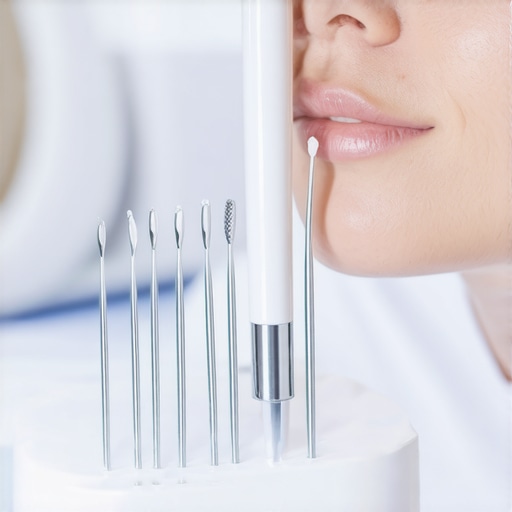
As dental technology advances, so does the potential for smarter, more effective tools that can improve your long-term results. Many clinics now adopt AI-powered diagnostic tools and 3D imaging which enable precise planning for crowns, Invisalign, or family dentistry projects. I believe the future will see even more sophisticated devices, like smart toothbrushes that monitor technique and suggest improvements in real-time. Embracing these innovations now can set you ahead in maintaining a healthy smile for years to come.
So, how do I maintain my dental arsenal over time? My answer is a combination of regular cleaning, strategic upgrades, and leveraging technology. For instance, I recently upgraded to a cordless water flosser with Bluetooth connectivity, which tracks usage and reminds me when it’s time for a refill or maintenance. Consistent care—paired with these tools—has dramatically reduced my visits for restorative procedures and kept my restorations like crowns and Invisalign aligners in optimal condition. Take one tip from my routine: invest in a quality interdental brush and make it part of your daily routine—this simple change can drastically improve your oral hygiene, especially around those hard-to-clean regions.
Remember, your tools and habits today set the foundation for healthy teeth tomorrow. Explore which advanced maintenance tips resonate with you and consider how emerging tech can make it easier. For more personalized advice, don’t hesitate to contact your family dentist through this link and discuss your long-term care plan.
Lessons That Changed My Approach to Oral Hygiene
- One of my most eye-opening realizations was that even with diligent brushing, hidden spaces around wisdom teeth can harbor plaque that leads to problems down the line. This taught me the importance of targeted cleaning tools rather than relying solely on traditional floss and brushes.
- I used to believe that dental visits were only necessary when pain or visible issues arose. Discovering that early detection through regular checkups can prevent complex procedures was a game-changer, encouraging me to prioritize professional evaluations as part of my routine.
- Experience showed me that implementing high-quality interdental brushes and water flossers made a significant difference, especially in hard-to-reach areas. Investing in these tools empowered me to take control of my oral health beyond basic habits.
- Understanding the nuances of different dental tools and techniques—like gentle probing with dental picks—helped me avoid injuries and achieve more effective cleanings around my wisdom teeth. Lesson learned: technique is just as vital as the tools you use.
- Realizing that technology integration, such as app tracking and advanced water flossers, can streamline maintenance routines motivated me to stay consistent and motivated in my dental care journey.
Curated Gems for Better Dental Care
- My go-to interdental brushes: Small, cone-shaped brushes that easily access tight spaces, trusted for their durability and precision. They help remove plaque where regular floss can’t reach, especially around erupting wisdom teeth.
- Water flossers like the Waterpik: These devices use pulsating water streams to rinse out debris deep between teeth. I rely on mine daily, particularly after meals, to keep those tricky areas clean and healthy.
- The book “Smile Bright” by Dr. Jane Williams: Offers practical insights into advanced oral hygiene techniques and latest crown care tips, helping me stay informed about maintaining restorations and natural teeth alike.
- Smart dental apps: Tools that remind you when to replace toothbrush heads, schedule checkups, or track oral health progress. They keep me accountable and make routine care effortless.
Seize Your Smile: Take Charge Today
Remember, the journey to a confident smile and healthy wisdom teeth is ongoing. With the right tools, techniques, and mindset, you can maintain optimal oral health for years to come. Don’t wait for dental issues to surface—be proactive, stay curious about new innovations, and consult your family dentist regularly to personalize your routine.
What’s one new habit you’re willing to try to improve your wisdom teeth care? Drop your thoughts below—I’d love to hear your experience and help you on your path to a brighter smile!