
How to get your kids to brush for more than five seconds
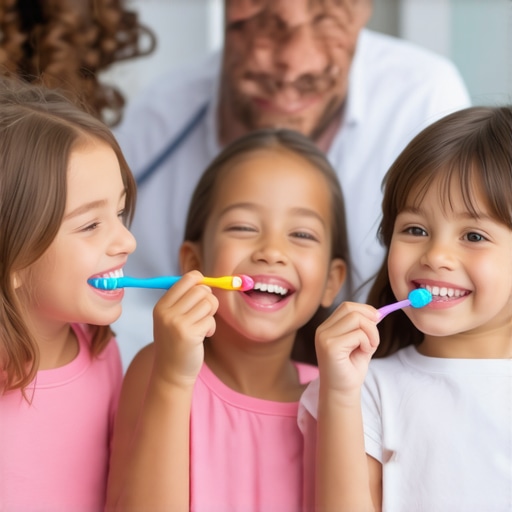
It was a morning like any other, but I couldn’t shake the frustration. My own child was frantically brushing, only to abandon the task after a quick swat at the toothbrush, mumbling, “I’m done.” As a dentist and a parent, I know that battle all too well. That moment was my lightbulb—realizing that getting kids to brush properly isn’t about patience alone but about fostering habits that last. If you’ve ever felt hopeless watching your child quickly rush through their oral hygiene routine, you’re not alone. Many parents fight against the clock, trying to squeeze effective brushing into those fleeting moments before school or bedtime.
Why Kids Don’t Brush Long Enough—and Why It Matters
Kids often find brushing a tedious chore, especially when they’re distracted or simply not motivated. The average child brushes for a mere 17 seconds, which is far less than the recommended two minutes. This quickie brushing leaves plaque, bacteria, and potential cavities lurking where they’re not supposed to be. Plus, inconsistency can set the stage for long-term dental issues, including cavities, gum disease, and even misaligned teeth.
As parents and caregivers, our goal is to promote habits that ensure oral health and set our kids up for a lifetime of bright smiles. The key is transforming brushing from a rushed task into a meaningful, engaging part of their daily routine. Today, I’ll share some proven strategies based on personal experience and research to help your kids brush longer—and more effectively. If you’re tired of the five-second brush and want real change, keep reading.
Is it really worth all this effort?
Absolutely. Skipping thorough brushing can lead to complications that are costly and uncomfortable. Early mistakes, like neglecting to brush properly, can cause cavities and gum issues that may require complex treatments like dental crowns—discussed in detail in this comprehensive guide to crowns. I’ll admit I once overlooked the importance of making brushing fun, which only made my child’s routines worse. Now, I focus on making the experience enjoyable and interactive.
Stay tuned as we dive into practical ways to turn those fleeting five seconds into a full minute or more of effective cleaning—your child’s smile and your sanity will thank you! And if your child has concerns about dental treatments like Invisalign or crowns, understanding their importance can motivate better habits, which you can explore further here: Invisalign vs. Braces or Why Crowns Are a Game-Changer.
Create a Fun and Engaging Brushing Environment
Start by turning brushing into a game—use timers or colorful sand clocks to encourage longer sessions. For example, I once used a two-minute sand timer during my son’s routine, making it a race to see if he could beat the timer. The result? He became more invested in brushing and gradually increased his brushing time from 17 seconds to over a minute.
Use Visual Aids and Interactive Tools
Employ mirrors, animated videos, or toothbrushes with built-in timers to visually demonstrate proper technique and duration. The visual cues help children understand the importance of thorough cleaning. I suggested my daughter watch a fun brushing video, which not only explained the process but also kept her entertained, leading to longer brushing periods.
Establish Consistent Routines and Clear Expectations
Set specific times for brushing, like right after waking up and before bedtime, and stick to them. Communicate expectations clearly—explain why brushing is essential for preventing cavities and future dental work, such as crowns or Invisalign treatments. When my son understood that neglecting brushing could lead to painful dental procedures, he became more diligent.
Incorporate Rewards and Positive Reinforcement
Offer small rewards for consistent effort, like stickers or extra playtime. For instance, I started a sticker chart where my daughter earned a sticker for every successful two-minute brush. Accumulating stickers motivated her to brush longer and more thoroughly without fussing.
Model Good Habits and Involve Family Members
Children mimic adults; brush alongside them or share stories about your own dental routines. I found that brushing together during our nightly routine made it feel less like a chore and more like quality family time. Demonstrating proper flossing and visiting the dentist regularly also underscores the importance of oral health.
Introduce Child-Friendly Dental Tools
Choose toothbrushes with their favorite characters or in fun colors, and use flavored toothpaste suitable for children. This personalization can make brushing more appealing. Once I switched my son to a glow-in-the-dark toothbrush, he was excited to brush so he could see it light up, naturally extending his session.
Monitor and Adjust Techniques Regularly
Pay attention to your child’s reactions and progress. If they resist, try different tools or routines until you find what resonates. For example, when my daughter lost interest, I let her pick her own toothbrush every few months, keeping her engaged. Remember, persistence and flexibility are key to instilling lasting habits.
While many individuals believe they understand the basics of dental care, several nuanced misconceptions persist that can hinder optimal oral health. One prevalent myth is that all dental treatments, such as crowns or Invisalign, are purely cosmetic and lack long-term health benefits. In reality, contemporary research shows that these procedures can significantly improve function and prevent further complications when accurately applied. For instance, properly fitted crowns don’t just restore appearance—they seal cracks, prevent decay, and preserve tooth longevity, aligning with findings from this in-depth resource.
A common oversight involves the assumption that Invisalign is only a cosmetic solution to straighten teeth. Conversely, evidence suggests that Invisalign can also improve bite functionality, distribution of forces, and reduce jaw strain, which often gets overlooked in popular discussions. However, many patients fall into the trap of thinking aligners are less effective than traditional braces, leading to premature treatment cessation. An advanced nuance is understanding how improper wearing of aligners—even by a few hours—can extend treatment time or compromise results. This is why consulting with a family dentistry specialist well-versed in the latest innovations, as detailed here, is crucial.
Similarly, there’s a misconception that crowns are only necessary for visibly damaged teeth. Moving beyond the surface, research indicates that crowns are vital for reinforcing structurally compromised teeth, preventing fractures, and maintaining proper alignment—which is essential for healthy long-term function. Overlooking this can lead to avoidable root canals or extractions. An error many make is choosing the wrong type of crown without considering material compatibility or your unique bite dynamics, which underscores the importance of expert guidance—details of which I cover in the comprehensive tips.
On the broader topic of family dentistry, a hidden nuance is understanding that oral health reflects overall wellness. Regular checkups and personalized care plans are often undervalued, yet they play a critical role in detecting early signs of systemic diseases like diabetes or heart conditions. Many patients neglect routine visits, assuming brushing and flossing suffice, but the benefit of professional oversight cannot be overstated. For example, professional cleanings and examinations can prevent small issues from escalating into painful and costly problems down the line.
Have you ever fallen into this trap? Let me know in the comments. Gaining deeper insights into these misconceptions helps us all make smarter decisions for healthier smiles. Remember, a little knowledge about the nuances of dental health can save you a lot of trouble—and money—later on.
An effective dental routine goes beyond just brushing and flossing. Investing in the right tools can dramatically improve oral health, especially when aiming for long-term results. One of my go-to devices is an electric toothbrush with a pressure sensor. I personally use one because it provides consistent brushing force, preventing gum damage while ensuring plaque removal. The built-in timers also encourage a full two-minute clean, which is often overlooked with manual brushes. For example, I recommend models like the Sonicare ProtectiveClean, which are well-reviewed for durability and effectiveness.
Another essential tool is water flossers. I’ve found these particularly helpful for patients with braces, crowns, or implants. They reach areas traditional floss might miss, reducing plaque build-up around dental restorations. In my practice, I often suggest the Waterpik Wellness, which offers adjustable water pressure and various tips for targeted cleaning. As the technology advances, more compact, cordless water flossers are emerging, making daily care more convenient.
Digital modeling software has also transformed how we plan treatments like Invisalign or crowns. I rely on 3D imaging systems such as the iTero Element, which captures highly detailed scans of your teeth and gums. This not only speeds up the planning process but also enhances precision, leading to better long-term outcomes. Keeping abreast of the latest software options ensures I can provide patients with the most accurate restorations and alignments.
Maintaining a healthy smile isn’t static; it requires regular updates in your toolkit. Modern dental technologies—like intraoral cameras and CAD/CAM systems—allow for quick, minimally invasive adjustments and restorations. Over time, these tools help prevent minor issues from escalating into costly treatments like crowns or root canals. To maximize these benefits, schedule regular professional checkups, where your dentist can assess and update your tools and techniques as needed.
Predicting future trends, I believe that AI-driven diagnostics and smart toothbrushes will become standard in family dentistry. They will analyze your brushing habits, identify problem areas, and even suggest personalized routines. Embracing these innovations now can keep your oral health on the cutting edge.
How do I keep my dental tools effective over time?
Regular maintenance is key. Replace brush heads every three months and clean water flosser tips weekly to prevent bacterial buildup. Keep electronic devices updated with the latest firmware and store them in dry, clean environments. By doing so, you ensure each component performs optimally, supporting your efforts for a healthy smile for years to come.
For additional insights into maintaining long-term oral health, check out this comprehensive guide. Remember, investing in the right tools is an ongoing commitment that pays dividends in your confidence and overall wellness. Try incorporating a smart toothbrush with integrated app tracking or a high-quality water flosser into your routine today—your future self will thank you.
Lessons the Dental World Often Keeps Quiet About
- One eye-opening insight was realizing that frequent professional cleanings can drastically reduce cavity risks, even when brushing isn’t perfect at home. This taught me that fortifying your routine with expert visits isn’t a sign of neglect, but a smart complement to daily habits.
- I once underestimated how much patient education influences long-term results. Explaining the purpose of each procedure, like crowns or Invisalign, helps my patients stay motivated and committed, transforming the typical appointment into a partnership for health.
- Patience isn’t enough—creating habit routines takes strategy. I learned that integrating rewarding systems and visual cues makes a game-changing difference in establishing effective oral hygiene routines, especially for children and busy adults alike.
The Tools That Changed My Approach to Family Dentistry
- Having relied on intraoral cameras early in my career, I saw how detailed imagery can demystify complex issues and foster trust. They’re invaluable for both diagnosis and patient understanding.
- Investing in digital smile design software revolutionized treatment planning. Seeing a projected outcome boosts patient confidence and encourages compliance, making procedures like crowns or Invisalign more effective.
- Smart toothbrushes with app integration have become a staple in my practice. They provide real-time feedback to patients, turning mundane brushing into an engaging, long-term habit—something I strongly recommend for families aiming for brighter, healthier smiles.
Chasing Brighter Smiles Is a Journey, Not a Race
Embarking on a path to exceptional oral health requires patience, knowledge, and embracing the newest innovations today. Whether it’s integrating evidence-based habits or utilizing cutting-edge tools, your effort will pay off in lifelong confidence and well-being. Remember, every small step in your family’s dental routine creates ripples toward a future where bright smiles are the norm, not the exception. Stay committed and curious, and don’t hesitate to explore expert insights and professional advice—your future self will thank you.
What’s the most surprising thing you’ve learned about maintaining your family’s oral health? Share your experience below!