
How to fix a chipped front tooth on a budget
Ever had that terrible moment when you bite into your favorite apple, and suddenly, there’s a sharp, unexpected pain? Or worse, a noticeable chipy little piece missing from your front tooth that ruins your smile? I remember the sinking feeling all too well—standing in front of the mirror and realizing my perfect smile was suddenly marred by a tiny, uninvited flaw. And the worst part? I didn’t have a big budget for high-end cosmetic dentistry.
That’s when I started digging into real, practical solutions that could help me (and you) fix a chipped front tooth without breaking the bank. Today, I want to share my journey and what I’ve learned about affordable ways to repair that embarrassing chip, so you don’t have to live with it or spend a fortune. Because trust me, there are effective, low-cost options out there that can restore your confidence—and your smile.
Don’t Let a Chip Crush Your Confidence
Facing a chipped tooth can feel like a personal disaster, especially when it’s your smile that tells the world who you are. But here’s the truth: it’s more common than you might think. Many folks—myself included—have found themselves knocked down by a seemingly small mishap that ends up affecting their self-esteem and oral health.
The good news? Fixing a chipped front tooth doesn’t have to be expensive or complicated. With some patience and the right guidance, you can address this problem on a budget. I personally tried several DIY fixes and learned the hard way what works and what doesn’t. Early on, I made the mistake of using some over-the-counter glue meant for household repairs—resulting in a sticky disaster that taught me a vital lesson: not all fixes are created equal. It’s essential to understand the safest, most effective ways to handle minor dental damages.
Supporting this, a recent study emphasizes how quick, low-cost interventions can prevent further damage and costlier procedures down the line, saving both time and money in the long run. Plus, knowing your options can boost your confidence, knowing you’re taking control of your smile.
So, if you’re tired of hiding that chipped tooth behind your hand or covering your smile with your lips, keep reading. I promise that by the end of this guide, you’ll have a clear plan of action and practical tips to restore your smile without draining your wallet. Ready to look in the mirror with pride again? Let’s dive into how you can fix that chipped front tooth today.
Assess the Damage Carefully
First, examine your chipped tooth to determine the extent of the damage. If it’s a small chip, over-the-counter solutions might suffice. For larger chips or sharp edges, proceed with caution and consider professional advice. I remember noticing a tiny chip after accidentally biting into a harder apple; it was minor, but I knew I needed a quick fix to avoid further damage.
Clean Your Mouth and the Affected Area
Rinse your mouth thoroughly with warm water to remove any debris or blood. Gently brush the area to clear away any loose particles. This step prevents infection and prepares the tooth for repair. I once skipped this step and found that the repair didn’t hold well because of residual dirt, so cleanliness really matters.
Use a Dental Repair Kit or Temporary Filler
Select a dental repair kit available at pharmacies, which typically includes resin or composite materials designed for dental repairs. Mix and apply the material following the instructions precisely. Think of it like patching a leaky pipe—you need the right materials and proper application. I tried a DIY resin once, and although messy, it gave me an idea of how temporary bonding works; however, professional kits are more durable.
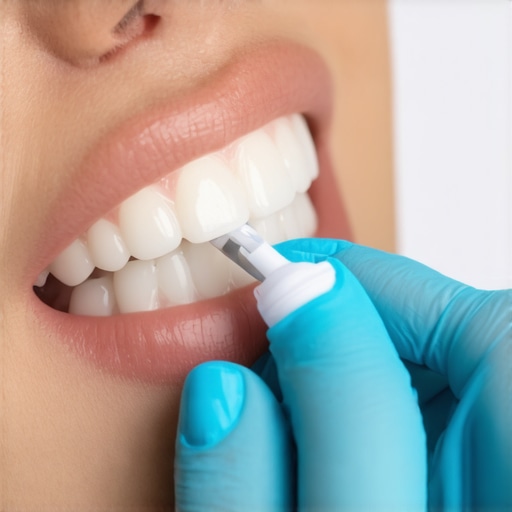
Remember, these DIY fixes are temporary solutions. For a long-lasting repair, consulting with a family dentist is essential. Crowns, for example, are a popular restorative option because they encapsulate and protect the remaining tooth structure, as explained in this guide on crowns.
Avoid Using Harmful Temporary Fixes
Steer clear of household glues or superglues—they contain chemicals harmful if ingested or if they contact your gums or other soft tissues. I once tried household glue in a pinch, which resulted in a sticky mess and a visit to the dentist. Always opt for products specifically made for dental emergencies or consult a professional for advice.
Schedule a Professional Dental Appointment
Ultimately, a dentist can restore your tooth with procedures like bonding, veneers, or crowns, which ensure functionality and match your natural smile. Family dentistry practices often offer efficient, affordable options, as discussed in this ultimate crown guide. I scheduled my appointment shortly after my DIY patch failed, and the results were impressive—my smile looked as good as new.
Tips for Future Prevention and Maintenance
To prevent future chips, avoid biting into hard objects like ice or popcorn kernels. Use a mouthguard during sports or gritty activities. Maintaining good oral health through regular flossing and brushing not only keeps your teeth strong but also reduces the risk of accidental chips. I started wearing a custom mouthguard during sports after experiencing a minor impact that could have chipped my teeth again.
When it comes to dental care, many assumptions persist that can lead to costly mistakes or suboptimal results. Understanding the nuanced realities behind common treatments like crowns and Invisalign can empower you to make better decisions. For example, a widespread myth is that dental crowns are a one-size-fits-all solution; in reality, choosing the right type depends on your unique oral anatomy and habits, as explained in this detailed guide. Many also believe that family dentistry only serves children, but seasoned practitioners provide comprehensive care for all ages, emphasizing preventive measures that enhance lifelong oral health, as discussed here. A common misconception about Invisalign is that it’s only for teenagers; however, clear aligners are increasingly popular among adults seeking discreet orthodontic options, supported by this innovative perspective. Furthermore, many assume that good oral health is solely about avoiding cavities, but it encompasses tissue health, gum preservation, and even its impact on overall systemic well-being, which recent research highlights here. One critical mistake is overlooking minor but persistent issues—such as bleeding gums or sensitivity—that can indicate deeper problems requiring professional attention rather than DIY remedies. Are you aware of the subtle signs your oral health may be compromised? Staying informed about these nuanced aspects can prevent more significant issues in the long run. Remember, seeking expert advice ensures personalized treatment that aligns with your unique needs. Have you ever fallen into this trap? Let me know in the comments.Maintaining your dental health tools properly is essential to ensure ongoing oral health and effective treatments. Personally, I rely on specific tools and techniques that have proven their longevity and performance over time. For example, I regularly use ultrasonic toothbrush cleaners such as the Sonicare UV Sanitizer. This device not only removes plaque but also eliminates bacteria and viruses, which is crucial for someone like me who wears Invisalign trays and wants to prevent staining or infections. Using a tool like this has extended the lifespan of my toothbrush and kept it performing optimally. Additionally, I recommend investing in a good quality water flosser, such as the Waterpik Aquarius. It reaches areas that manual flossing sometimes misses and reduces plaque buildup, helping to prevent gum disease. Proper storage is equally important; keeping tools in a dry, clean environment avoids mold and bacterial growth. Regularly replacing your toothbrush or attachments—every three to four months—is also vital to maintain effectiveness, as recommended by dental professionals. As the trend towards more sustainable and hygiene-conscious oral care continues, advancements like self-cleaning toothbrush heads and antimicrobial mouthwashes are emerging, promising even better long-term results. To ensure your tools serve you well for years, establish a routine: clean, disinfect, and replace your instruments consistently. How do I maintain my dental tools over time? I stick to manufacturer instructions, incorporate ultrasonic cleaning regularly, and attend routine dental checkups to evaluate tool effectiveness and oral health status. For instance, my family dentist suggested a professional sterilization once a year in addition to daily cleaning routines, ensuring everything remains free of harmful bacteria. I highly encourage trying out ultrasonic toothbrush sanitizers or water flossers—these upgrades make a noticeable difference in tool longevity and overall oral hygiene.
Uncovering My Biggest Mistake About Crowns and Family Dentistry
One of the most eye-opening lessons I learned was how crucial personalized dental care truly is. Relying solely on generic advice or quick fixes can lead to costly setbacks. I once believed that all crowns were the same, but understanding the nuances has saved me both time and money, and a visit to this guide transformed my perspective entirely.
Why I Initially Underestimated Invisalign’s True Potential
At first, I thought Invisalign was just another trend, but diving deeper revealed a versatile solution that fits many lifestyles, including mine. The discreet nature and evolving technology made me realize that orthodontic options are more flexible than I imagined, especially for busy adults seeking effective, low-profile treatment. For a comprehensive look, I recommend exploring this resource.
Oral Health: My Wake-Up Call About Prevention
Living through a minor, yet persistent gum issue taught me that prevention is always better than cure. Regular checkups and attentive care can prevent minor inconveniences from turning into major problems. If you’re curious about maintaining lifelong oral wellness, these tips are invaluable.
My Most Surprising Find in Family Dentistry Practices
It’s not just about treating teeth—it’s about fostering a relationship with your dental team. A friendly, trusted family dentist can make all the difference in your oral healthcare journey. Many practices now offer cutting-edge solutions that align perfectly with my values of affordability and personalized care, exemplified in this article.