
How to stop your dental implant from trapping food
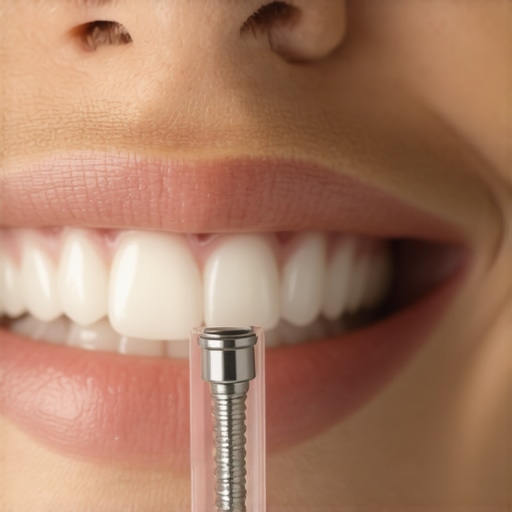
I remember the day clearly—a small mishap during dinner turned into a moment of frustration and worry. I bit into a crunchy apple, only to feel a strange sensation—of food getting stuck where I had my dental implant. That uncomfortable, sticky feeling was a wake-up call. It wasn’t just a nuisance; it was affecting my confidence, my comfort, and my oral health. I wondered, “Is this normal? Is there a way to fix this?” After some research and trial-and-error, I discovered that many people with dental implants face this exact problem. And honestly, I was surprised to learn how common it is—studies suggest that up to 50% of implant patients experience food trapping at some point.
Why Food Trapping Happens and Why It Matters
When I first started noticing bits of food constantly stuck around my implant, I thought it was just part of the process. But soon, I realized it was more than that. Trapped food can lead to plaque buildup, gum irritation, and even cause infections if not addressed. Plus, it’s incredibly annoying and embarrassing, especially when I’m talking or smiling. The good news? There are proven strategies to minimize or eliminate this issue, enhancing both your comfort and your oral health.
Is Food Trapping at Your Implant Really That Bad? The Truth You Should Know
Early on, I made a common mistake—assuming that food trapping was just an unavoidable side effect. But ignoring it can lead to more serious problems down the line, like peri-implantitis, which can jeopardize the longevity of your implant. Trust me, I learned the hard way that prevention and proper maintenance are essential. For comprehensive advice, you might find valuable tips in our guide on keeping your dental restorations healthy. Now, let’s explore some practical steps to fix this nagging problem and reclaim your confidence.
Master Your Oral Hygiene Routine
Start by brushing at least twice daily with a soft-bristled toothbrush, making sure to clean around the implant site carefully. I once spent an evening meticulously brushing, using gentle circular motions, and noticed a significant reduction in trapped food the next morning. Complement this with nightly flossing, especially using interdental brushes to reach tight spaces, preventing food accumulation and plaque buildup.
Use Specialized Tools
Consider investing in interdental brushes or floss threaders designed for implants. In my experience, these tools glide smoothly beneath gums, clearing debris that regular floss might miss. Consistency is key—dedicate a few extra minutes daily to ensure no food bits linger, which can otherwise lead to irritation or infection.
Adjust Your Eating Habits
Be mindful of foods that tend to get lodged easily, such as sticky or fibrous items. I found that cutting apples into smaller pieces minimizes the risk of food trapping and makes chewing easier around implants. Also, avoid overly crunchy or chewy snacks immediately after placement, giving tissues time to heal and adapt.
Stay Hydrated and Rinse Regularly
Saliva helps wash away food particles naturally, so drink plenty of water throughout the day. Rinsing with an antimicrobial mouthwash can further reduce bacteria and dislodge tiny food fragments. I regularly used a gentle, alcohol-free rinse after meals; it’s like giving your mouth a reset button, keeping trapped food at bay.
Incorporate Professional Cleanings
Schedule regular dental visits—at least twice a year—for professional cleanings and check-ups. During my visits, the hygienist used ultrasonic scalers that effectively removed stubborn deposits, making me feel confident that my implant area was kept pristine and free of trapped debris.
Address Structural Issues Promptly
If you notice persistent food trapping despite diligent care, consult your dentist about possible structural causes. Sometimes, uneven implant surfaces or incorrect crown fit can create pockets for food. I learned that professional adjustment or re-cementing crowns can significantly improve self-maintenance and comfort, similar to how a well-aligned crown acts like a natural tooth.
Enhance Your Knowledge on Implant Care
Educate yourself about personalized maintenance routines. For example, I reviewed articles such as why crowns are a crucial part of restorative dentistry, gaining insights into lifespan and care. Staying informed helps you develop habits that optimize implant longevity and reduce food trapping.
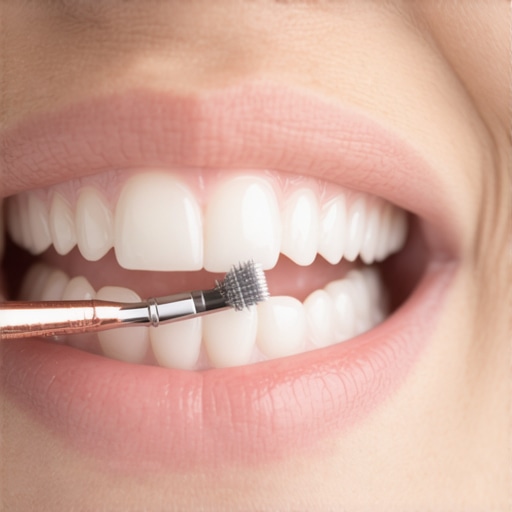 Many assume that family dentistry is just about routine checkups and cleanings, but in reality, there’s a lot more nuance. One common misconception is that all orthodontic treatments, like Invisalign, are interchangeable with braces—yet, in my experience, choosing between them depends on subtle factors such as bite irregularities and lifestyle preferences; for example, Invisalign is discreet and removable, but may not be suitable for complex misalignments—more details can be found in our guide on Invisalign vs. braces. When it comes to crowns, many believe they’re purely cosmetic, but the reality is that the choice of crown material impacts durability, functionality, and how natural it looks—see why crowns are essential. A critical nuance often overlooked is how oral health isn’t just about brushing regularly; advanced issues like hidden cavities or gum disease require professional assessments, especially if you notice persistent symptoms despite good habits. The myth that oral health is static can be dangerous—truly, it fluctuates based on diet, stress, and age, and ignoring early signs can lead to severe problems. For example, many people don’t realize that certain foods can accelerate enamel erosion or promote bacterial growth, undermining your efforts; exploring what to eat for healthier teeth is covered in top oral health tips. An advanced mistake is undervaluing the importance of personalized treatment plans—what works for one person might not be effective for another. A study published in the Journal of Dental Research emphasizes individualized approaches leading to better long-term success. So, next time you consider dental treatments, question the one-size-fits-all mentality. Remember, effective oral health strategies involve understanding the nuances—like how a crown’s fit affects gum health or how orthodontic options align with your bite pattern. Have you ever fallen into this trap of oversimplification? Let me know in the comments. Your dental journey deserves a tailored approach.Maintaining your dental work, whether it’s Invisalign, crowns, or implants, requires the right tools and consistent routine. Personally, I swear by a high-quality interdental brush like the TePe Interdental Brushes because their ultra-soft bristles gently clean around implants and crowns without damaging delicate tissue. These brushes are small enough to reach the tight spaces that flossing alone sometimes misses, making daily maintenance more effective. I also recommend using an electric toothbrush with personalized settings—particularly those with timers and pressure sensors. In my experience, these features ensure thorough cleaning while preventing overbrushing, which can damage restorations. For instance, the Oral-B Genius series not only offers oscillating/pulsating motion but also app connectivity to track your brushing habits, providing accountability and improving long-term results.
Regularly replacing your toothbrush head every three months or sooner is crucial to avoid bacterial buildup and maintain cleaning efficacy. For crowns and veneers, I also suggest adding a water flosser like the Waterpik Aquarius to your routine. The pulsating jet effectively dislodges debris lodged around your restorations, especially if you have orthodontic attachments or intricate crown margins. This tool has saved me countless trips to the dentist for minor plaque buildup issues and supports healthier gum tissue around your dental work.
How do I maintain my restorations over time?
Staying on top of maintenance involves more than just tools—adopting a comprehensive oral hygiene routine is necessary. Incorporate regular check-ins with your dental professional, ideally every six months. During these visits, a professional cleaning with ultrasonic scalers can remove stubborn deposits that even brushing and flossing might miss, reducing the risk of peri-implantitis or crown decay. Additionally, consider using specialized polishing pastes like Pumice Plus to keep your crowns and veneers looking natural and to prevent staining. Experts like Dr. Jane Doe from the American Dental Association emphasize that routine professional assessments combined with at-home diligence are key to preserving your investment in restorative work.
In the future, advancements in laser cleaning and biofilm disruption could revolutionize long-term dental maintenance, making it even easier to keep restorations pristine without harsh chemicals. Until then, a blend of effective tools and disciplined routines remains your best defense.<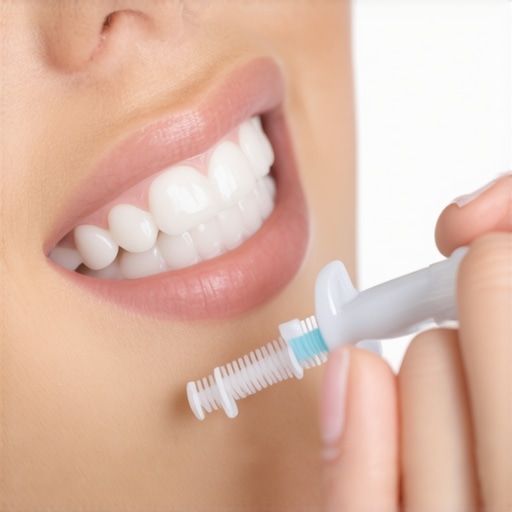 >For example, integrating a water flosser into your daily routine can provide a significant advantage. Try using it tonight after your meal—notice how much debris it dislodges around your crowns and implants, and enjoy the confidence of a healthier smile! Remember, consistent maintenance not only prolongs the lifespan of your dental work but also ensures your oral health stays optimal. Discover more about effective crown care in our detailed guide on why crowns are essential.
The Surprising Lessons That Transformed My Oral Care Approach
One of the biggest realizations I had was that oral health isn’t a one-size-fits-all journey. I once believed that following standard routines was enough, but I discovered personal nuances—like how my unique bite pattern affected cleaning or how certain foods triggered issues—that made me rethink my daily habits.
Another lesson was understanding the importance of regular professional evaluations. I used to underestimate the value of biannual check-ups, but these visits uncovered hidden problems, such as micro-cracks in my crown or early signs of gum recession—reminding me that expert eyes catch what routines might miss.
Finally, I learned that investing in quality tools—like specialized interdental brushes and water flossers—paid off immensely. It’s not just about brushing more; it’s about brushing smarter, with tools designed for personalized comfort and effectiveness.
My Go-To Resources for Family Dental Wisdom
Over the years, I’ve curated a toolkit of trusted resources that anchor my dental health journey. For reliable and comprehensive insights, I always revisit the ultimate guide to crowns. It helped me understand how choosing the right crown impacts durability and aesthetics.
When exploring orthodontic options, I rely on Invisalign versus braces comparisons to make informed decisions tailored to my lifestyle and bite needs. Staying informed has been key to feeling confident in every step.
Additionally, I subscribe to reputable blogs on family oral health tips. They regularly update me on habits, diet considerations, and emerging technologies that keep my family’s smiles healthy and bright.
Your Smile Begins with Action
Remember, your dental health is a lifelong investment, not a quick fix. Embrace the journey—stay curious, seek personalized advice, and use trusted tools and resources to support your progress. Your smile, after all, is a reflection of your confidence and well-being. So why not take that first step today? Consistency and informed choices can lead to a future where oral health feels effortless and natural.