
How to Fix the Gap Between Your Crown and Your Gums
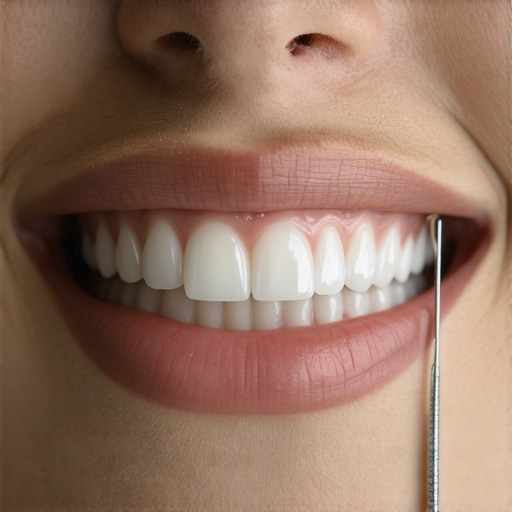
There was a moment I won’t forget—sitting in my bathroom, inspecting my new crown, and noticing a tiny line where it meets my gums. That little gap felt like a glaring flaw, and suddenly, my confidence took a hit. Have you ever experienced that unsettling gap where your crown doesn’t quite sit flush against your gum line? If so, you’re not alone. Many people discover that despite having a beautifully restored tooth, an gaps can develop over time, leading to discomfort, food trapping, and a dentist visit they’d rather delay. I’ve been there, and I know how frustrating it can be to see a once-perfect smile now marred by a small but noticeable space. But here’s the good news: fixing that gap isn’t just about aesthetics—it’s about protecting your oral health and avoiding future complications.
Why this tiny gap can become a big problem—and how fixing it restores your confidence
When I first noticed my crown wasn’t sitting perfectly, I ignored it at first. I thought, “Maybe it’s just a little stain or a normal part of aging.” But I soon learned that even a small space can harbor plaque, lead to gum irritation, and compromise the longevity of the restoration. This was a wake-up call for me and a lesson in proactive dental care. That’s why I want to share what I’ve learned about addressing this common issue. Whether you’re dealing with a new crown or one that’s been in place for years, understanding how to fix the gap is crucial. Not only can it prevent food particles from getting trapped, but it also keeps your gums healthy and preserves your beautiful smile.
Is Fixing a Gap Worth the Effort and Cost?
I once made the mistake of thinking a simple sealant could do the trick—an easy fix, right? Wrong. I learned that rushing into temporary solutions without consulting a professional could lead to more problems down the line. According to the American Dental Association, proper evaluation and treatment are essential to ensure that your crown fits correctly and functions as it should. Addressing the gap sooner rather than later saves you discomfort and money in the long run. So, if you’re tired of feeling self-conscious or concerned about your oral health, stay with me. We’re going to explore how you can effectively fix that stubborn gap and enjoy a healthier, more confident smile.
Now, let’s dive into the practical steps I’ve personally found effective—starting with understanding what causes that gap to appear in the first place and how to prevent it from worsening. If this resonates with you, you’re in the right place. And trust me, with the right approach, that gap can become a thing of the past.
Assessing the Problem Inside Your Mouth
Before jumping into fixes, examine the size and location of the gap. Use a mirror to check if it’s a new issue or something that has widened over time. Gaps caused by crown misfits often appear asymmetrical, while those from gum recession might be irregular. Take note of any discomfort or food trapping. Document these observations to discuss with your dentist later, making your appointment more productive. Remember, a thorough assessment resembles a mechanic inspecting engine parts before repairs—preparation is key.
Consulting Your Family Dentist for Expert Advice
An in-person visit is crucial. Schedule an appointment with a family dentist experienced in restorative and cosmetic procedures. They will perform X-rays and clinical exams to determine if the gap stems from crown loosening, shrinkage of gums, or crown margin decay. This step is akin to consulting a specialist who knows your dental history and can tailor solutions, much like choosing the right type of crown to fit your needs.
Deciding on the Right Fix: Crowns or Invisalign
Restoring the Crown Fit
If the crown has shifted or a gap has formed at the edges, your dentist might recommend re-crowning or adjusting the existing crown. Re-crowning involves removing the current crown, cleaning the tooth, and placing a new, precisely fitted crown. This process ensures a better seal and aesthetic appearance. It’s similar to replacing a faulty lid on a jar to prevent leaks. The crown replacement process is detailed and requires professional expertise to ensure long-lasting results.
Using Invisalign for Tooth Realignment
Sometimes, gaps are related to minor misalignments rather than crown issues. In such cases, clear aligners like Invisalign are an efficient solution. They gently move teeth into proper position, closing gaps over time. This method is like gently nudging furniture into the right spot instead of installing new fixtures. I personally used Invisalign to correct a minor gap near my front tooth, and within a few months, it was barely noticeable. Visit Invisalign for a comprehensive comparison if you’re weighing your options.
Bonding and Sealants for Minor Adjustments
For small gaps or cosmetic flaws, dental bonding offers a quick, minimally invasive fix. The dentist applies a tooth-colored composite resin, molds it to fill the space, and hardens it with a curing light. Think of it as patching a small hole in a wall—quick and effective. I tried this when I noticed a tiny gap after a crown placement, and it restored the appearance instantly, with little discomfort. This technique is ideal for minor corrections or as a temporary measure pending more permanent solutions.
Preventing Future Gaps and Maintaining Oral Health
Regular check-ups help catch issues early. Maintain good oral hygiene by brushing twice daily and flossing carefully to prevent gum recession or decay that can cause gaps. Using interdental brushes can reach tricky spots, much like cleaning behind furniture. Also, avoid damaging habits like biting on hard objects—think of the crown or teeth as delicate machinery parts needing gentle treatment. Incorporate lifestyle tips, such as reducing sugary drinks, which can erode crown margins, and see your dentist for routine evaluations.
By understanding each step—assessment, professional consultation, choosing the appropriate technique, and ongoing maintenance—you can restore your smile’s integrity and confidence. Remember, fixing a gap isn’t just about looks; it’s about preserving oral health for the long term.
 Many believe that visiting the dentist regularly is enough to maintain oral health, but this is a misconception. One common myth is that all dental professionals use the same materials and techniques, which isn’t true. For example, some family dentists might prefer traditional amalgam fillings over composite resins due to cost or durability, but this can impact aesthetic outcomes and potential mercury exposure, as highlighted in recent studies. Moreover, there’s a misconception that Invisalign is only for teenagers; in reality, adult orthodontics has become increasingly popular and effective, especially with advancements in clear aligners, as detailed in the Family Dentistry Trends article. A nuanced aspect often overlooked is the importance of evaluating the bite and jaw alignment alongside straightening teeth, which can prevent future TMJ issues. Don’t fall into the trap of believing that getting a crown is a quick fix; the choice of crown material—porcelain, zirconia, or gold—affects both longevity and compatibility with your biological tissues, as described in the ultimate guide to crowns. One critical mistake is neglecting the long-term maintenance of these restorations, which can lead to secondary decay or crown failure unexpectedly. For example, some people overlook that crowns need periodic checkups and proper cleaning to prevent decay at the margins. Furthermore, when considering minimally invasive treatments like bonding, many assume they are permanent, but bonding material can stain or wear over time, necessitating future repairs. Understanding the nuances of each treatment option ensures you’re making informed choices, optimizing both health and aesthetics. Keep in mind that advanced techniques, such as digital impressions and laser dentistry, are transforming family care, offering less discomfort and more precise results. If you want to stay ahead and ensure your family benefits from the best available options, reading up on these subtleties can save you from costly mistakes down the line. Have you ever fallen into this trap? Let me know in the comments.Maintaining optimal oral health requires the right tools and a strategic approach. I personally swear by using a high-quality electric toothbrush, like the Philips Sonicare DiamondClean, which offers superior plaque removal thanks to its sonic technology. Its timer and pressure sensor help prevent overbrushing—a common mistake that can damage gums and enamel. For flossing, I recommend the Waterpik Water Flosser, especially for families with braces or dental work; it effectively removes debris from hard-to-reach areas and reduces bleeding. Regular use of interdental brushes, such as GUM Soft-Picks, allows gentle cleaning between teeth, particularly around crowns and implants, which are more susceptible to plaque buildup. When it comes to monitoring your oral health, I rely on digital apps like Dental Monitoring, which enables me to track changes over time by sending photos directly to my dentist. This proactive approach catches potential problems early, saving time and money. In my opinion, investing in professional-grade tools isn’t just about convenience—it’s about empowering yourself to take control of your family’s oral health. I predict that as technology advances, we’ll see even smarter, AI-driven dental devices that offer real-time feedback and personalized care tips, making maintenance more efficient. ^1 How do I maintain my tools over time? Ensuring your equipment stays effective means cleaning brushes twice a month, replacing toothbrush heads every three months, and scheduling annual professional cleanings. Proper storage in a dry, hygienic place prevents bacterial growth. Additionally, calibrate electronic devices as recommended to keep them functioning accurately. Don’t overlook the importance of knowledge—regularly updating your understanding of oral hygiene innovations can dramatically impact long-term results. For instance, incorporating new brushing techniques or considering emerging treatments like laser cleaning can provide superior plaque removal without damaging tissue. To stay ahead, I suggest trying the Waterpik Water Flosser coupled with your electric toothbrush—the synergy significantly boosts oral health. Remember, consistent maintenance with the right tools deeply influences your ability to prevent common issues like cavities, gum disease, and the development of gap formations around crowns. As highlighted by the American Academy of Periodontology, daily meticulous care combined with professional oversight is key: Gum disease prevention is rooted in regular maintenance. By integrating high-quality equipment and disciplined routines, you set the foundation for a resilient, healthy smile that lasts a lifetime.
Lessons That Surprised Me About Restorative Dentistry
- I once thought that a tiny gap was just a cosmetic issue, but I learned it could lead to gum irritation and further decay, emphasizing the importance of early intervention.
- Re-crowning a tooth wasn’t just about aesthetics; it was a crucial step to prevent future problems, showing me that sometimes, spending a bit more upfront saves trouble later.
- Using Invisalign for minor misalignments taught me that realigning teeth can be a simple, non-invasive way to close gaps naturally, changing my approach to orthodontic solutions.
Tools and Insights That Changed My Approach
- The American Dental Association’s guidelines on crown fitting and maintenance became my go-to resource, giving me confidence in trusting professional advice.
- Recommendations like Waterpik and electric toothbrushes became part of my daily routine, proving that quality tools support long-term oral health and prevent issues like gaps or decay.
- Reading about advances in laser dentistry and digital impressions opened my eyes to less painful, more precise treatments that I now encourage for my own family’s care.
Keep Your Smile Bright and Strong — Your Next Step Awaits
Remember, every small step toward improving your oral health adds up to a lifetime of confidence and well-being. Don’t shy away from seeking professional advice or trying new tools that can make a difference. Your journey to a healthier, happier smile starts today—embrace the knowledge, and take action with your family’s smiles in mind. How have you handled a stubborn gap or crown issue in your own family? Share your experience below, and let’s learn together!