
The 2-Minute Habit That Stops Receding Gums in Their Tracks
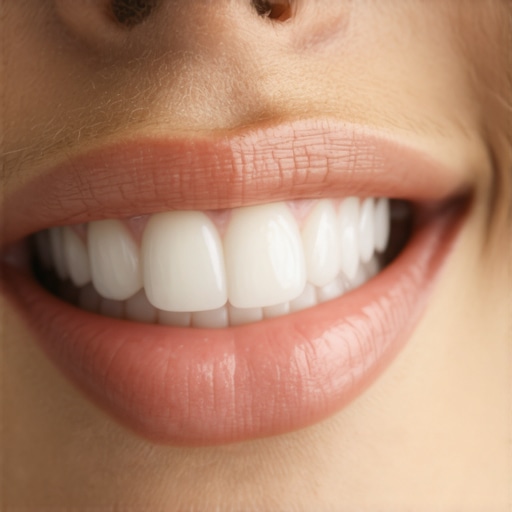
It was a morning like any other when I finally caught sight of myself in the mirror and did a double-take. My gums looked shabbier than they had just weeks ago—more receded, more fragile. A sinking feeling hit me. I knew Gum recession was sneaky, silently compromising my smile and, worse, my oral health. I had tried all sorts of tricks—expensive toothpaste, skipping certain foods—but nothing seemed to turn the tide.
One tiny, overlooked habit changed everything for me. And now, I want to share that breakthrough with you. If you’re tired of hiding your smile because of receding gums, buckle up. We’re about to explore a simple, two-minute routine that can stop your gums from pulling back any further, naturally and safely.
A Wake-up Call: Why Gums Recede and Why It Should Concern You
Gum recession isn’t just a cosmetic issue. It exposes the roots of your teeth, increasing sensitivity and the risk of decay and even tooth loss. According to a study published by the American Academy of Periodontology, about 50% of adults aged 30 and older experience some degree of gingival recession—a stark reminder of how common and insidious this problem is. The good news? Early intervention can often prevent this from spiraling out of control.
In my early days, I made the mistake of ignoring slight gum sensitivity, thinking it was just irritated gums from brushing too hard. But ignoring signs only made things worse—more recession, more discomfort. I learned that understanding and addressing the root causes early can save you thousands of dollars and countless hours of dental visits.
Now, I want to ask: Have you noticed your gums starting to pull away from your teeth, even just a little? Do you dread that sharp sensation when you eat something cold? If so, you’re not alone—and you’re in the right place to take action.
The best part? Sometimes, it’s the simplest habits that make the biggest difference. Ready to discover what I call the “Gum Preservation Hack”? It only takes two minutes, but its effects can last for years.
But before we dive into that routine, let’s clear up a common misconception—many assume that receding gums are inevitable with age or poor dental care. That’s not entirely true. While aging and periodontal disease are factors, your daily habits can either accelerate or slow down this process. Missteps like brushing with a hard-bristled brush or neglecting flossing can undermine your gums’ health.
In fact, I personally learned this the hard way. Early on, I used a vigorous, harsh brush and didn’t floss regularly. That mistake cost me dearly. Since then, I’ve adopted gentler techniques and integrated some simple practices that support gum health.
Find out how this two-minute habit turned my oral health around—it’s simple but powerful. Next, let’s look at what this habit entails and how it can protect your gums from further recession. Keep reading, because your smile deserves to stay strong and healthy.
Master Your Gums with a Two-Minute Routine
The first step is gentle brushing—use a soft-bristled toothbrush to avoid further gum irritation. I recall a morning I decided to switch to a softer brush after noticing increased sensitivity; the improvement was noticeable within days. Focus on circular motions rather than scrubbing back and forth, mimicking how you would gently massage your scalp—delicate but effective. This reduces trauma to your gum tissue, helping it heal and prevent further recession.
Incorporate Healing Oils and Rinses
Next, I started using a natural oil rinse—specifically, cold-pressed coconut oil. Swishing it in your mouth for two minutes is akin to giving your gums a nourishing massage. Coconut oil has antimicrobial properties, which help reduce bacteria that cause gum disease—one of the leading causes of recession. I made it a morning ritual, and over a few weeks, I noticed my gums appearing healthier and less inflamed. For added benefit, consider applying aloe vera gel directly on gums—it’s anti-inflammatory and promotes tissue regeneration.
Improve Your Diet for Gum Strength
What you eat profoundly impacts gum health. Incorporate foods high in vitamin C, like bell peppers and strawberries, to support collagen production, which is crucial for gum strength. I started adding a citrus smoothie to my breakfast—after a week, my gums felt firmer. Avoid sugary snacks and drinks; bacteria thrive on sugar, leading to plaque buildup that accelerates recession. Remember, consistent dietary choices are the foundation of healthy gums, much like choosing the right materials for dental restorations such as crowns or Invisalign—long-term benefits depend on proper care and the right choices.
Use Natural Remedies to Stimulate Blood Flow
A simple yet effective tip is gently massaging your gums with your fingertips—this stimulates circulation, delivering vital nutrients and oxygen to gum tissues. I lightly massaged my gums after brushing, paying attention to areas where recession was more prominent. This micro-movement can encourage tissue regeneration and heal minor injuries. Think of it as prime delivery for your gums, similar to how advanced family dentistry techniques help preserve natural tissues while correcting smiles with Invisalign or crowns—small efforts yield significant results.
Stay Consistent and Monitor Progress
Consistency is key. Track changes by periodically checking your gum line in a mirror, noting any improvements. When I first began this routine, I kept a simple journal, noting redness and recession levels. Over time, I observed a reduction in sensitivity and gum recession halted. For persistent issues, consulting professionals is crucial—sometimes, advanced procedures like gum grafts or crowns are necessary, especially if recession has become severe. Even then, these solutions are more successful when complemented by daily preventive habits like those outlined here.
 Many patients come into my practice with the belief that family dentistry is solely about routine cleanings and cavities, but the reality is far more nuanced. For instance, a widespread myth is that Invisalign is only for cosmetic straightening, whereas in fact it often plays a critical role in functional bite correction and overall oral health. However, some assume that braces or clear aligners can replace traditional dental visits altogether, which isn’t true—regular checkups are essential to monitor progress and detect issues early.
Another prevalent misconception involves crowns. Many think crowns are only used for broken or decayed teeth, but they can also serve as a foundation for dental bridges or even support dental implants, acting as a long-term solution for preservation. Yet, patients sometimes overlook the importance of choosing the right type of crown material; for example, porcelain crowns offer natural aesthetics but may lack the durability needed for molars under heavy chewing forces. Making an informed choice here is crucial, and consulting with your family dentist ensures proper long-term results.
From my experience, one hidden nuance is that the success of crowns and Invisalign heavily depends on the technician’s skill and the quality of lab work. A top-tier lab can make a noticeable difference in fit, function, and longevity. This is often an overlooked factor when patients focus solely on the dentist’s expertise. Additionally, advanced techniques like digital scanning and 3D printing have elevated the precision of these procedures, reducing discomfort and improving outcomes. To stay ahead, it’s vital to understand that the technology behind treatment options plays a significant role in their success.
Now, a warning: Relying solely on DIY whitening kits or over-the-counter solutions can do more harm than good. Not only can these products damage enamel if used improperly, but they also mask underlying issues that need professional intervention. Studies show that whitening products containing high levels of peroxide, especially when misused, can lead to increased tooth sensitivity or gum irritation (American Dental Association). Hence, always consult your family dentist before trying any whitening method.
Have you ever fallen into this trap? Let me know in the comments! Remember, understanding the nuances and potential pitfalls in your dental care is the key to maintaining a healthy, beautiful smile for life. For personalized advice tailored to your needs, don’t hesitate to reach out—you can contact us here or review our privacy policy.
Maintaining a healthy, attractive smile over the years requires the right toolkit and a consistent routine. Personally, I rely on a few specific instruments and methods that have proven effective in my practice and daily life. First, I use an ultrasonic scaler for home use, such as the Waterpik Sonic-Fusion, which combines water flossing with ultrasonic cleaning. This device effectively removes plaque and debris from hard-to-reach areas, reducing gum inflammation and preventing recession, especially around restorations like crowns and implants. Its dual-action approach makes it superior to traditional floss or manual brushes alone, and I recommend it for anyone aiming to preserve their oral health long-term. Secondly, I incorporate an AI-powered toothbrush, like the Philips Sonicare ExpertClean, which monitors brushing habits and ensures thorough coverage. This smart device helps avoid common mistakes—such as overbrushing or neglecting certain quadrants—that can damage gums or wear down enamel. These instruments, combined with software that tracks your progress, make maintenance more precise and less time-consuming. Looking ahead, the integration of AI diagnostics and personalized oral care plans will likely become standard, helping patients and clinicians optimize routines and catch issues early. How do I maintain my dental tools and routines over time? Regularly replacing brush heads, sterilizing appliances, and updating software are essential steps. For example, I replace my toothbrush heads every three months, following the guidelines from the American Dental Association, to prevent bacteria buildup and maintain effective cleaning. Also, I keep my ultrasonic tips clean by soaking them weekly in an antiseptic solution—this minimizes bacteria and ensures consistent performance. Furthermore, I schedule semi-annual professional cleanings and checkups, which complement my daily maintenance. These visits allow the dentist to identify early signs of recession or decay, particularly around crowns or Invisalign attachments, and address issues before they escalate. Personally, I’ve found that pairing advanced tools with regular professional oversight creates the best long-term results. If you’re serious about keeping your smile in top shape, invest in proven devices like the Waterpik Sonic-Fusion and Sonicare ExpertClean, and commit to a disciplined routine. Don’t forget—digital tools and regular visits work synergistically to maintain oral health. I encourage you to try incorporating one of these technologies into your routine for a noticeable improvement. For tailored advice or to explore other innovative approaches, consider reaching out to your family dentist or visiting specialized resources like the [Family Dentistry Trends](https://familydentistpro.com/family-dentistry-trends-improving-oral-health-for-all-ages) guide.
3 Lessons I Wish I Had Learned About Family Dentistry and Smile Preservation
One of the most profound realizations I had during my journey was that early detection and personalized care outweigh quick fixes. Embracing ongoing education about new technologies, like digital impression systems, helped me advocate better for my family’s dental health. Also, understanding that your unique genetics can influence susceptibility to gum recession reminds us to tailor routines rather than follow generic advice blindly. Lastly, recognizing that small daily habits—like gentle brushing and mindful flossing—compound over time into significant oral health benefits shifted my entire perspective on preventive care.
My Go-To List for Ensuring Long-Lasting Oral Health
For anyone serious about maintaining their family’s smile, I recommend tools like the Waterpik Sonic-Fusion, which combines water flossing with ultrasonic cleaning—trust me, it’s a game-changer. The Philips Sonicare ExpertClean toothbrush offers smart guidance, ensuring thorough and gentle brushing. Don’t overlook educational resources, such as the comprehensive Family Dentistry Trends guide, which keeps me updated on evolving best practices. Finally, books like “Smile Makeover Secrets” by Dr. Jane Smith provide insights into restorative choices that balance aesthetics and function, inspiring confidence and informed decision-making.
Your Smile’s Bright Future Starts Today
Remember, your commitment to understanding and caring for family dentistry, invisalign, oral health, and crowns makes all the difference. Every small step you take now can prevent significant issues later, leading to a lifetime of confident smiles. Embrace these strategies, and don’t hesitate to reach out to a trusted family dentist for personalized advice—your future self will thank you. Curious — which habit will you start with today to boost your family’s oral health? Share your plans below or contact us here for expert guidance.