
How to handle a loose bracket on a Saturday night
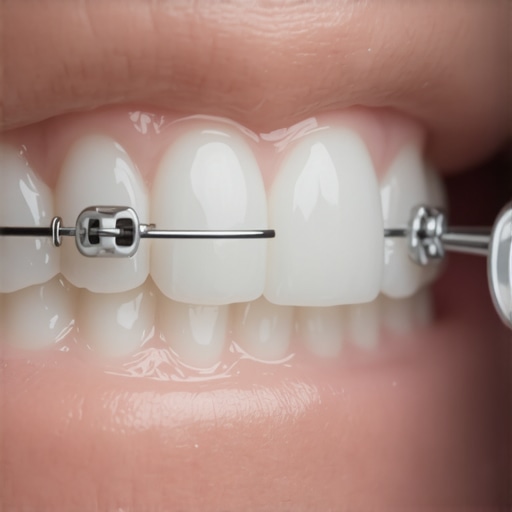
It was 8:45 PM on a drizzly Saturday. I’d just settled in with a bowl of forbidden popcorn when I heard that sickening click. A bracket had snapped loose from my back molar and was dancing on the wire like a loose tooth. My orthodontist’s office was shuttered until Monday, and the sharp metal edge was already grating against my cheek. I panicked. I actually tried to nudge it back with a toothpick, which was my first big mistake. I nearly poked a hole in my gums and made the irritation twice as bad. If you’ve ever felt that jagged wire poking your inner lip while you’re trying to enjoy your weekend, you know the frustration. Today, I am going to show you exactly how to handle this without losing your mind or your progress.
Stop the Panic and Start the Triage
The first thing you need to realize is that while a loose bracket is annoying, it is rarely a medical emergency. According to the American Association of Orthodontists, true emergencies usually involve trauma to the face or severe swelling, whereas a loose bracket is typically a maintenance issue that can wait forty-eight hours if managed correctly. I remember thinking my entire treatment would reset because of one loose piece of metal. It won’t. However, ignoring it entirely can lead to painful sores. You need to learn how to handle a loose bracket if you can’t reach your orthodontist immediately to prevent a weekend of pain. Have you ever had a bracket pop off at the absolute worst possible moment? Drop a comment below; I want to hear your survival stories.
Is This One Little Bracket Actually Worth the Stress?
Many patients worry that a loose bracket means their teeth will suddenly shift back to where they started. That is the skepticism talking. In reality, your teeth are held by the entire archwire system, not just one single point. The real danger is the physical discomfort and the potential for a mouth ulcer. When I made my early mistake, I didn’t have any dental wax on hand. I ended up trying to use a tiny piece of sugar-free gum—which I definitely do not recommend! Now, I always tell people to keep a kit ready and stick to the best snacks for kids with new braces to avoid these mishaps in the first place. If the wire is already poking you and causing a raw spot, you can try the salt water rinse trick for a sore mouth to keep the area clean and reduce inflammation until you can get into the chair on Monday morning.
Identify Where the Metal is Sliding
Before you reach for any tools, you need to see exactly what is happening inside your mouth. Is the bracket still attached to the wire, or has it spun around? Think of your braces like a miniature railway; the wire is the track, and the brackets are the cars. If a car jumps the track but stays on the line, you just need to keep it from rattling. If it is dangling or rotating, that is when you have a potential scrape. I have seen parents panic and try to clip the wire immediately with dull nail clippers, but I strongly advise against that. You will likely create a jagged end that is even more dangerous than the loose bracket itself. Instead, check if the bracket is causing a sharp edge against your cheek. If it feels similar to the sensation of a broken tooth, you can find relief by following the same principles used for how to stop a chipped tooth from cutting your tongue. Protecting your soft tissue is the priority until the pros can take over.
Anchor the Bracket with a Bead of Wax
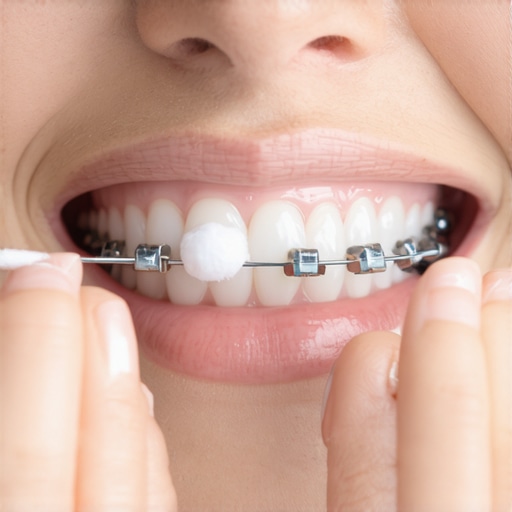
This is your primary defense against a painful weekend. If you do not have orthodontic wax, you can pick it up at almost any local pharmacy. Take a piece of wax about the size of a pea and roll it between your fingers until it is warm and pliable. The mistake I made during my first bracket crisis was trying to apply the wax to a wet bracket. It simply will not stick. You must dry the area first. Use a clean cotton swab or even the corner of a paper towel to pat the bracket and the surrounding wire completely dry. Once it is bone-dry, press the wax firmly over the bracket. This creates a smooth bumper between the metal and your cheek. It is a simple fix, but it is one of the top oral health tips for your family’s bright smiles when dealing with pesky orthodontic hardware mishaps.
Use Sterile Tweezers to Reposition the Wire
Sometimes the bracket is not the main problem; the archwire has actually slipped out of the back tube or the slot. I remember one specific night where I tried to guide a stray wire back into place with my bare fingers. It was like trying to thread a needle in a dark room with slippery hands. I ended up poking my cheek so hard I had a bruise for a week. The better way is to use a pair of sterilized tweezers. Gently grab the end of the wire and see if you can guide it back into the slot of the bracket or the molar tube. If the wire is too long and poking the back of your mouth, you can try to gently fold it inward toward your tooth using the eraser end of a pencil. This keeps the sharp tip away from your flesh. While the invisalign vs braces which solution fits your lifestyle debate is common for those wanting to avoid wire issues, those of us with traditional hardware have to get comfortable with these minor manual adjustments.
Stick to a Soft Food Regimen
While you are waiting for your Monday morning appointment, your diet becomes your best tool for damage control. Any heavy chewing will put pressure on the loose bracket and could potentially pull more of the archwire out of alignment, making the situation much harder for your orthodontist to fix. Stick to liquids and very soft solids to minimize movement. I lived on lukewarm soup and mashed potatoes for forty-eight hours once just to make sure I did not snap anything else. You can find some great meal suggestions by looking at the best foods to eat when your new braces feel tight. Avoiding crunchy, hard, or sticky foods is non-negotiable here. If you manage the physical irritation with wax and the pressure with a soft diet, you will find that a loose bracket is more of a nuisance than a nightmare. Modern family dentistry secrets maintaining oral health with modern techniques at 254 pm allow your provider to fix this in about five minutes once you finally get back into the clinical chair.
While you are sitting there with a bead of wax on your molar, it is easy to think of orthodontics as just a mechanical puzzle of wires and brackets. But there is a deeper layer of biology at play that most people—and even some general practitioners—tend to overlook. I often hear the argument that clear aligners are just a ‘lite’ cosmetic fix compared to traditional metal hardware, but that is a fundamental misunderstanding of biomechanics. In reality, whether you are using wires or trays, we are literally reshaping your alveolar bone. If you have ever felt like your treatment was taking longer than expected, you might have fallen for some common invisalign myths debunked what you need to know today regarding how teeth actually move. Have you ever felt like your progress stalled for no reason? Let me know in the comments; I suspect a few of you have been told the ‘easy’ version of the story.
Why does a crown fail even if the porcelain looks perfect?
This brings me to the biggest ‘trap’ in restorative and family dentistry: the false sense of security that comes with a dental crown. People often assume that once a tooth is capped, it is essentially bulletproof. This is a dangerous ‘oops’ factor. While the porcelain cannot decay, the natural tooth structure underneath it absolutely can. The margin—the tiny seam where the crown meets your gum line—is the most vulnerable real estate in your mouth. According to a study published in the Journal of Dentistry, marginal discrepancy is the leading cause of secondary caries in crowned teeth. If you do not maintain meticulous hygiene at that seam, you can lose the entire tooth to decay without ever feeling a single pang of pain until it is too late. This is why choosing the right crown expert advice for long lasting results is about more than just the material; it is about the precision of that marginal seal.
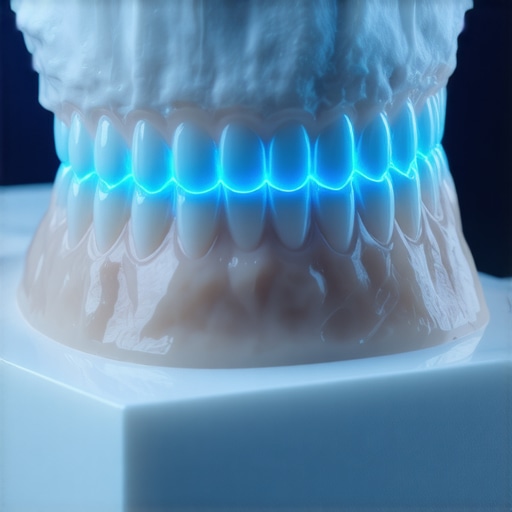
The nuance of modern care often comes down to the technology used during the diagnostic phase. Many patients think a standard X-ray is enough, but why finding the best dentistry in culpeper va usually starts with a 3d cbct scan is because we need to see the bone density and root orientation in three dimensions. This level of detail is what prevents ‘mysterious’ sensitivity. If you have ever wondered why your new crown feels sensitive to cold drinks, it often isn’t the crown itself, but a microscopic misalignment in your bite that only 3D imaging can truly pinpoint. We are moving away from the ‘wait and see’ era of dentistry into a phase of predictive precision. It is also why you should keep an eye on older dental work; spotting the hidden sign your old silver filling is finally failing can save you from a root canal later. Remember, a loose bracket is a weekend nuisance, but ignoring the subtle shifts in your oral biomechanics is what leads to long-term failure. Treat your mouth like the high-precision machine it is, and it will last you a lifetime.
Maintaining a perfect smile isn’t about working harder; it is about working smarter with the right equipment. After years of trial and error with various dental gadgets, I’ve realized that the standard manual toothbrush and a spool of string floss are often the bare minimum. If you have invested in hardware, you need to upgrade your home arsenal. I personally swear by the high-pressure water flosser. It is the only way I’ve found to truly clear the debris from under a permanent retainer or behind a molar band without the frustration of threading a needle through a tiny gap. If you’ve struggled with the mechanics of it, you should learn the trick to using a water flosser without making a total mess so you actually stick with the habit every single night.
Your Bathroom Counter Needs an Upgrade
The gap between professional results and at-home maintenance often boils down to the vibration frequency of your tools. A study published in the Journal of Clinical Dentistry demonstrated that sonic toothbrushes can remove up to 21% more plaque than manual ones over a three-month period. I noticed a massive difference in my gum health once I made the switch. However, you have to be careful about the bristles. I see so many people scrubbing their gums raw with ‘firm’ brushes thinking they are cleaning better. I always point my readers toward the truth about soft vs hard toothbrushes for receding gums because aggressive cleaning is actually a leading cause of enamel wear. You want the machine to do the work, not your biceps.
#IMAGE_PLACE_HOLDER_D#
How do I keep my high-end dental work looking new for years?
Maintenance is a marathon, not a sprint. For those of us with removable hardware, the biggest hurdle is bacterial buildup. If you let your aligners or night guards sit in their cases without a deep soak, they become a breeding ground for calcification. I recommend a dedicated ultrasonic cleaner—it’s a small pod that uses sound waves to shake loose microscopic biofilm that a brush can’t touch. This is especially vital when you are on the move. Knowing the best way to travel with aligner cleaners in your carry-on ensures you don’t break your streak while on vacation. Whether it is a retainer or a guard, you must master the best way to clean a mouthguard so it stays fresh to avoid that stale ‘morning breath’ smell that lingers on the plastic.
The Future of Home Monitoring is Already Here
I predict that in the next five years, the ‘six-month checkup’ will be supplemented by weekly AI-driven scans from our smartphones. We are already seeing the beginning of this with invisalign innovations the future of family dentistry revealed at 1137 am, where remote monitoring allows doctors to track tooth movement in real-time. This tech isn’t just for straightening; it will eventually alert us to early-stage decay or gum recession before we ever feel a twinge. Until that is standard, you have to be your own first responder. If you’re a heavy caffeine drinker like me, you also need a strategy for aesthetics. Learn how to keep your smile white while drinking daily coffee by using an alkaline rinse immediately after your last sip to neutralize acids. My challenge to you today: swap your manual floss for a water flosser for just one week and watch how much your gum inflammation drops.
The Hard Truth About Why Orthodontic Progress Often Stalls
Looking back at my own journey, I realized that the biggest setbacks didn’t come from accidents like a loose bracket, but from a lack of consistency in the ‘boring’ stuff. One lightbulb moment for me was discovering that even tiny gaps in hygiene can cause gum inflammation that actually slows down tooth movement. If your gums are puffy, the bone can’t remodel as efficiently. I also learned that many people assume their journey ends the day the brackets come off, which is a total myth. Your teeth have ‘memory’ and will try to migrate back to their old positions unless you are diligent with your retainer. This is why staying on top of family dentistry secrets maintaining oral health with modern techniques at 254 pm is just as important during the retention phase as it is during the active phase.
The Survival Kit Every Brace-Face Needs in Their Bag
I never leave the house without a small ’emergency pouch’ tucked in my backpack or glove box. If you want to avoid a weekend of misery, I personally recommend these four essentials:
- High-Quality Orthodontic Wax: Don’t settle for the cheap stuff that crumbles; look for the silicone-based versions that stay put even when you’re talking.
- Interdental Brushes: These are lifesavers for when you’re out to lunch and get a piece of greens caught in your hardware.
- Aligner or Retainer Soaks: If you use removable pieces, knowing the best way to travel with aligner cleaners in your carry-on keeps your breath fresh during long flights.
- A Dedicated Storage Case: Never, ever wrap your appliance in a napkin; it’s the fastest way to have it thrown in the trash by mistake!
For those of us with sports mouthguards, mastering the best way to clean a mouthguard so it stays fresh is another non-negotiable for keeping bacteria at bay.
#IMAGE_PLACEHOLDER_E#
Take Control of Your Oral Legacy Today
Dealing with a loose bracket or a sensitive crown is just a small chapter in your overall health story. Don’t let a minor hardware malfunction discourage you from the bigger goal of a functional, beautiful smile. By applying these top oral health tips for your family’s bright smiles, you’re doing more than just straightening teeth; you’re investing in your long-term confidence and systemic health. If you find yourself facing an issue you can’t solve at home, don’t hesitate to reach out to a professional through our contact us page to get things back on track. Your future self will thank you for the extra five minutes you spent today on your routine.
Have you ever had a bracket pop off in a truly embarrassing situation, like during a first date or a big presentation? Let me know your survival stories in the comments below!