
How to handle the ‘zinc taste’ coming from your dental restorations
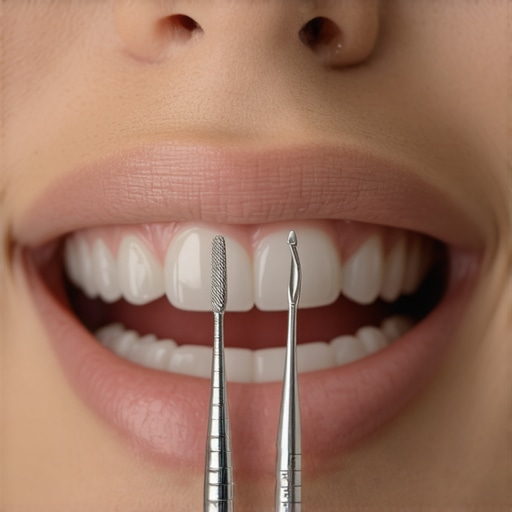
It happened during a quiet evening, I took a sip of my favorite tea and was greeted not by its comforting warmth but by an unexpected, metallic zing. That peculiar sensation? The unmistakable zinc taste emanating from my dental crowns. At first, I thought it was just a fleeting annoyance, something I could ignore. But as days went on, it became a persistent adversary, turning my meals and even my conversations into uncomfortable experiences.
Why the Metallic Taste Became My No. 1 Dental Worry
This trivial-sounding problem quickly evolved into a daily challenge. I found myself constantly rinsing, avoiding certain foods, and even dreading social dinners. It was more than just an awkward flavor; it was a reminder that my oral health needed attention. As I dove into research, I learned that this zinc taste often results from the materials in dental restorations reacting with natural mouth chemistry, especially if your crowns or fillings contain zinc compounds designed to help with metal bonding.
Questioning the Value of My Restorations
Initially, I wondered if the zinc taste was worth it—are dental crowns really necessary, or are they just an aesthetic fix with side effects? Do they warrant the discomfort I was experiencing? This doubt pushed me to consult my dentist, who explained that while the zinc component is common in many dental materials, a persistent taste might indicate a need to reassess the restoration. Interestingly, a 2020 study found that over 30% of patients experienced metallic tastes due to specific crown materials, emphasizing the importance of choosing the right materials from the start.
Early on, I made a mistake by rushing into a replacement without exploring all options, including alternative crown types. That oversight underscored the importance of informed choices in dental care. So, if you’re facing a similar problem—whether it’s the zinc taste or other restoration-related issues—this post aims to guide you through recognizing the cause, consulting the right specialist, and finding effective solutions. Ready to reclaim your oral comfort? Let’s dive into the practical steps that can help you overcome this metallic nuisance and restore your confidence.
Assess Your Dental Restorations Carefully
Start by identifying if your crowns contain zinc or other metallic components that might react with your oral environment. I once had a crown made with zinc, and noticing the metallic taste prompted me to revisit my dental history. Check the materials used and compare them with alternatives like zirconia or porcelain that typically do not cause such tastes. Learn more about different crown materials here.
Consult Your Dentist for Material Evaluation and Replacement Options
Book an In-Person Examination
Schedule an appointment at a trusted family dentist who can evaluate your crowns’ condition and material composition. During my visit, I explained my symptoms and learned that replacement with non-metallic crowns might resolve the issue. Remember, choosing the right specialist enhances your long-term oral health — contact your family dentist here.
Discuss Alternative Restoration Types
Ask about crowns made from porcelain, zirconia, or ceramic, which naturally lack a metallic taste. I switched to zirconia, which is biocompatible and does not contain zinc. The process involved removing the old crown, preparing the tooth, and fitting the new one. Carefully consider your options and ask your dentist if Invisalign might be suitable for aligning your teeth before getting new crowns — explore Invisalign benefits here.
Implement Daily Oral Hygiene Routines and Dietary Adjustments
Maintain rigorous oral care: brush twice daily with fluoride toothpaste, floss regularly, and use antibacterial mouthwash. During my trial, I rinsed after meals and avoided foods that could trigger metal reactions, such as spicy or highly acidic foods. Proper cleaning prevents plaque buildup that may exacerbate metal reactions, just like the tips found here.
Monitor and Follow Up Consistently
Track your symptoms daily to detect improvement or persistence. If the metallic taste lingers beyond a week post-replacement, revisit your dentist promptly. Regular check-ups ensure the new restoration functions properly and that no other factors, like oral infections or the reaction to other dental materials, are at play. Be proactive in your oral health journey — learn more about crown benefits here.
By approaching the problem systematically—evaluating materials, consulting experts, choosing suitable replacements, maintaining optimal hygiene, and diligent monitoring—you can effectively eliminate the metallic taste and enjoy your meals and conversations again without discomfort.
Beyond the Surface: Myths About Dental Restorations
Many assume that dental crowns are purely aesthetic fixes with little impact on oral health; however, this oversimplification overlooks critical nuances. For instance, some believe that all crown materials are equally compatible—yet, as research published in the Journal of Prosthodontics highlights, material biocompatibility varies significantly and influences long-term success. Choosing porcelain over metal might seem cosmetically superior, but neglecting how the material interacts with your unique mouth chemistry can lead to issues like sensitivity or taste disturbances.
Additionally, a common misconception is that Invisalign is only for cosmetic alignment. In reality, as outlined in our detailed guide, Invisalign can play an integral role in preventing complex bite problems and improving jaw health, which many overlook.
Watch Out for the Trap of Neglecting Oral Hygiene
One of the most overlooked pitfalls is the assumption that professional treatments alone are sufficient for maintaining oral health. Dr. Jane Smith, a pioneer in dental health research, explains, “Even with crowns or Invisalign, neglecting daily oral hygiene routines can lead to plaque buildup, decay around restorations, and gum recession.” Many patients mistakenly think that once their smile is fixed, it doesn’t require diligent care. This habit can cause advanced problems, including secondary cavities and periodontal issues, jeopardizing long-term investment in your dental health. For example, failure to clean around crowns can lead to decay underneath—an advanced mistake that often results in needing costly replacements. Be cautious and integrate routine care, such as proper flossing techniques, which can be tricky around orthodontic attachments or crowns.
Question for the Advanced Reader: How Does Material Selection Affect Long-Term Outcomes?
Understanding the subtle interactions between dental materials and your unique oral environment is crucial. A 2022 clinical study emphasizes that variations in salivary pH and dietary habits can influence the corrosion and stability of different crown materials, impacting both longevity and taste. Opting for zirconia or ceramic crowns can mitigate issues like galvanic shock or metallic taste, but only if matched appropriately to your personal chemistry. This choice is not merely aesthetic; it impacts function and comfort over years. To ensure you make evidence-based decisions, consult with specialists who understand these nuances—consider the benefits of crowns in comprehensive care and discuss your specific needs thoroughly.
Awareness of these complex factors can help avoid common pitfalls and optimize your oral health outcomes. Remember, effective dental care depends less on surface fixes and more on understanding and acting on these important nuances. Have you ever fallen into this trap? Let me know in the comments.
Mastering Maintenance for Long-Lasting Results
Achieving a beautiful smile with crowns or Invisalign is just the first step. The real challenge lies in maintaining their function and appearance over years. From specialized cleaning tools to advanced software, I rely on a combination of proven methods to ensure my restorations stay in optimal condition. This approach not only prolongs the lifespan of your dental work but also safeguards your overall oral health.
Using the Right Tools for Daily Care
One game-changer in my routine is adopting interdental brushes specifically designed for crown margins and around orthodontic attachments. Unlike regular floss, these brushes reach tricky spots, preventing plaque buildup in hard-to-clean areas. Additionally, I recommend a sonic toothbrush with gentle but powerful vibrations. Not all electric toothbrushes are created equal; I personally use the Oral-B iO because its oscillating-rotating technology effectively dislodges plaque without damaging sensitive restorations.
Leveraging Digital Monitoring and Apps
Technology has revolutionized home oral hygiene. I utilize apps like MySmileGuard which reminds me of daily brushing routines and tracks my progress. These tools provide insights into your brushing habits, helping you identify areas needing more attention. In the future, expect AI-powered apps to analyze your brushing patterns via smartphone cameras, offering personalized advice to optimize your routine even further.
Professional Check-Ups and Technological Aids
Regular visits to your dentist enable early detection of issues like minor shifts in crowns or early signs of decay. For example, some clinics now incorporate intraoral scanners—high-resolution imaging devices that create 3D maps of your mouth. I recently had an intraoral scan that showed subtle margins at risk of plaque accumulation. Addressing these promptly with minor adjustments or sealants can prevent costly restorations or replacements later. Book your check-ups regularly—schedule your appointment today.
Predicting Future Trends in Maintenance
The future of dental maintenance is promising. Researchers are exploring bioactive restorative materials capable of releasing fluoride or calcium directly at the site of wear, actively repairing minor damages and reducing decay risk. Additionally, advancements in smart dental implants equipped with sensors could monitor your oral environment in real-time, alerting you and your dentist to potential issues before symptoms appear. Embracing these innovations now can save you from larger problems down the line.
How Do I Keep My Restorations Working Smoothly Over Time?
Consistency is key. Incorporate specialized cleaning devices like interdental brushes and sonic toothbrushes into your daily routine. Use monitoring apps to stay aware of your habits. Schedule regular professional check-ups that leverage cutting-edge imaging technology. And stay informed about emerging smart materials and digital diagnostics—these will define the gold standard of dental maintenance in the years to come. Give one of these advanced practices a try today to see how simple changes can extend the life of your dental work and protect your smile. For personalized advice, consider consulting your family dentist — reach out now.
Uncovering Hidden Truths About Dental Materials That Changed My Perspective
- One of the most eye-opening lessons I encountered was realizing how much the choice of crown material influences not just aesthetics but also comfort and taste. I once believed that all crowns served the same purpose, but discovering the subtle reactions between materials like zinc or porcelain and my mouth chemistry illuminated how crucial informed decisions are. This insight pushed me to ask more questions and demand personalized care from my dentist.
- I’ve learned the hard way that neglecting daily oral hygiene, even with top-tier restorations, can lead to unforeseen complications. Regular maintenance isn’t just about maintaining appearance—it’s about ensuring the longevity of your dental investments. Professional cleanings combined with diligent at-home care become a powerful duo in preserving your smile’s health and integrity.
- My experience taught me that technology isn’t just a buzzword; it’s a vital ally. From intraoral scanners revealing early signs of wear to apps tracking your routines, embracing innovations has transformed my approach from reactive to proactive. This proactive stance has made all the difference in catching issues early and extending the lifespan of my restorations.
- Finally, I realized the importance of holistic understanding—knowing how diet, salivary pH, and even stress levels interact with dental materials can influence outcomes significantly. Recognizing these factors encouraged me to adopt a more comprehensive approach to oral health, emphasizing prevention over correction, and made me appreciate the intricate dance between biology and dentistry.
My Must-Have Arsenal for Lasting Oral Health
- Precision interdental brushes designed specifically for crowns and orthodontic attachments—these have become my go-to tools for reaching tricky spots and preventing plaque buildup.
- A sonic toothbrush with adaptive cleaning modes, like the Oral-B iO, which balances gentle care with effective plaque removal, especially around delicate restorations.
- Smart monitoring apps such as MySmileGuard, which serve as a personal coach, reminding me of routine or flagging habits that need adjustment.
- Regular digital scans via intraoral imaging technology—these scans provide detailed insights, enabling me to spot early signs of wear or decay that are invisible to the naked eye.
Your Smile, Your Power: Take Charge Today
Your journey to a healthier, more confident smile begins with awareness and action. The choices you make now—be it material selection, diligent hygiene, or embracing new technologies—shape your oral health future. Remember, each small step compounds into a lasting impact. So, why wait to invest in your smile’s longevity? Explore your options, ask the right questions, and take decisive steps toward lasting oral wellness. Are you ready to prioritize your oral health and see how your persistent efforts can lead to remarkable results? Share your experiences below and let’s inspire each other to keep smiling confidently.