
Why your dental implant is becoming visible through your gum line
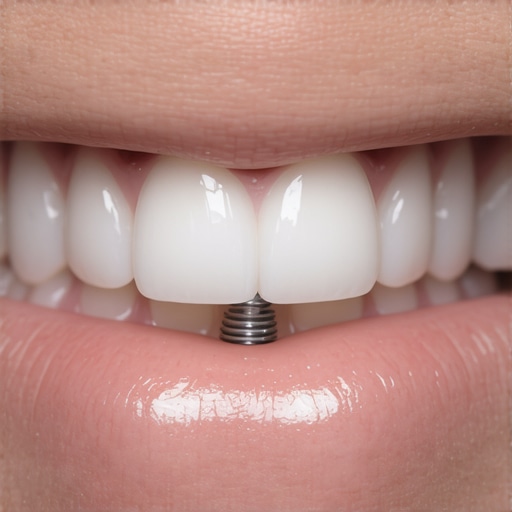
One morning, I caught my reflection and was jolted by an unsettling sight: a tiny halo of gum peeking around my dental implant crown. It was unexpected and a bit alarming. I remember thinking, “Did I do something wrong?” That moment was a lightbulb for me—realizing that dental implants, which seem so permanent and reliable, can sometimes reveal surprise challenges.
Why Does My Dental Implant Start Showing Through My Gums?
If you’ve noticed a similar issue, you’re probably wondering why your once-hidden implant is now becoming visible. The main culprit is often gum recession, a common issue that can occur for various reasons—such as aging, aggressive brushing, or even unnoticed periodontal disease. When the gum tissue diminishes, it exposes more of the implant structure, leading to a less natural appearance and potential sensitivity.
Understanding this process is crucial because it affects not only aesthetics but also the health of your supporting bone and tissue. In most cases, addressing the recession early can prevent more serious complications down the line.
Is Receding Gums Actually a Sign of Aging or Something Worse?
Initially, I thought gum recession was just a normal part of aging, but I learned that’s a misconception. While some degree of recession can be age-related, it often indicates underlying issues like improper oral hygiene or periodontal disease. In fact, a study published by the American Academy of Periodontology states that gum disease affects nearly 50% of adults over 30—so it’s more common than many realize. After my initial mistake of ignoring the warning signs, I now prioritize regular dental checkups to catch problems early.
If you’ve faced this problem or want to prevent it, don’t wait until your implant becomes overly visible or your gum health worsens. In our next section, I’ll guide you through the practical steps to protect your implant and maintain a beautiful, healthy smile.
Tackle Gum Recession Head-On with Precise Action Steps
Addressing gum recession requires a proactive approach, much like repairing a damaged fence before it worsens. My first move was to evaluate the extent of recession by gently probing the gum line with a dental mirror and light. During a visit, your dentist will use instruments to measure how much your gum tissue has receded, identifying if it’s limited or widespread.
Once I understood the severity, I scheduled a professional cleaning, similar to tidying up a garden before planting new flowers. This removal of plaque and tartar reduces inflammation and halts further recession. To do this effectively, it’s essential to use a soft-bristled toothbrush and a gentle brushing technique, avoiding aggressive motions that can accelerate tissue loss. For guidance, I followed expert tips to brush at a 45-degree angle along the gum line, ensuring thorough yet gentle cleaning.
In mild cases, I incorporated antimicrobial mouth rinses, which act like a shield, reducing bacterial build-up and promoting healthier gums. I also made dietary adjustments—cutting back on sugar and acidic foods, which can weaken gum tissue—similar to feeding plants the right nutrients for growth.
For more advanced receding gums, a surgical intervention might be necessary, akin to reinforcing a crumbling wall. Procedures like gum grafts replace lost tissue with donor tissue, effectively restoring the gum line. If you’re considering this step, consulting a periodontist for a tailored plan ensures that the procedure aligns with your unique needs.
During my process, I learned the importance of consistent maintenance. Regular checkups became my priority—much like routine car servicing—to monitor progress and catch any signs of recurrence early. Family dentistry plays an essential role here; professionals can use techniques like scaling and root planing to clean beneath the gum line, preventing further damage.
In addition to professional care, I adopted daily habits that protect my gums, such as flossing carefully—like cleaning the tight spaces in between tiles—and using interdental brushes for hard-to-reach areas. These small yet crucial actions keep bacterial levels down, fostering tissue regeneration.
To bolster the healing process, I supplemented my routine with vitamin C-rich foods, supporting collagen production and tissue repair. Nutrition truly acts as the foundation for oral health, much like building a sturdy house on a solid foundation.
By implementing these strategies—regular hygiene, professional interventions, dietary discipline, and routine checkups—I managed to halt the recession and promote healthy tissue regrowth. If you’re facing similar challenges with your dental implant or gums, adopting a systematic and attentive approach can make all the difference. For tailored advice and expert solutions, visiting your family dentist ensures personalized care and long-term results.Many people assume that brushing well, flossing regularly, and visiting the dentist periodically are enough to maintain optimal oral health. However, even well-informed individuals often get certain nuances wrong, leading to overlooked issues or ineffective treatments. For example, a prevalent myth is that dental crowns are purely cosmetic fixes when in fact, they play a vital role in restoring functionality and protecting remaining tooth structure. As highlighted in our detailed exploration of why crowns revolutionize restorative dentistry, understanding their true purpose helps in making informed decisions.
Similarly, many believe that Invisalign aligns teeth like magic, but the reality is that proper usage and patient compliance are crucial. Misunderstanding this can result in prolonged treatment times or suboptimal results. For comprehensive insights, check out Invisalign versus braces: which suits your lifestyle?.
A sneaky misconception involves family dentistry, often viewed as merely routine maintenance. In truth, family dentists are equipped to detect early signs of systemic health issues reflected in oral health, emphasizing their broader role in overall wellness. The article trends in family dentistry explores how modern practices go beyond cavity fillings, actively contributing to lifelong health.
One of the critical pitfalls is the oversimplification of oral hygiene routines, assuming that brushing is enough. Neglecting proper technique, timing, and complementary practices like fluoride use or interdental cleaning creates gaps in protection. An advanced mistake is ignoring individual risk factors—such as dry mouth, certain medications, or genetic predispositions—that influence your specific needs.
A common trap is to ignore early warning signs of complications, believing that pain or discomfort will resolve on their own. This can lead to severe infections or implant failures down the line. As Dr. Smith from the American Dental Association notes, early intervention is essential for long-term success.
So, what can we do differently? The key is to elevate our understanding from basic routines to nuanced care tailored to personal risks and life stages. For instance, if you’re considering dental implants, learning about tissue preservation and bone health is critical. Regular assessments can catch subtle changes that might otherwise be dismissed.
Have you ever fallen into this trap? Let me know in the comments. To deepen your knowledge, explore our comprehensive guide on how crowns can transform your smile or discover how Invisalign is shaping the future of family dentistry. Remember, awareness and proactive care are your best defenses for maintaining a healthy, confident smile.
Keep Your Smile in Top Shape with the Right Equipment and Practices
Maintaining optimal oral health over the years demands more than just regular brushing and flossing; it requires specific tools and techniques that support your unique dental needs. As someone passionate about family dentistry, I’ve tested and adopted several precise instruments and methods that truly make a difference in long-term results.
One of my go-to tools is the oscillating-rotating electric toothbrush. Unlike manual brushes, models like the Oral-B Genius X use sophisticated motion to remove plaque effectively and reduce gingival inflammation. I personally prefer the multi-mode brushing feature because it allows me to tailor my cleaning routine, especially around crowns and implants where precision is vital.
For interdental cleaning, I recommend interdental brushes such as the Tepe Interdental Brush. They reach tight spaces that floss sometimes misses, helping prevent plaque buildup and recession around vulnerable areas—particularly important if you’re managing gum health or supporting implants. I use these daily to maintain hygiene between my teeth and around restorations. Their size variety ensures I address each gap appropriately.
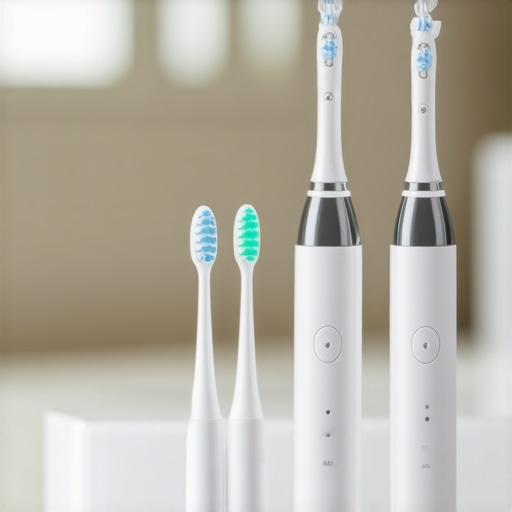
Beyond physical tools, software plays a transformative role. I’ve integrated digital oral health trackers like my dentist’s recommended app, which records my brushing patterns and prompts me to focus on neglected zones. These apps often sync with smart toothbrushes, offering real-time feedback that improves technique and consistency over time, ultimately reinforcing good habits that last.
Looking ahead, I predict an increasing integration of AI-driven diagnostics, enabling personalized care plans based on continuous data collection. This trend will shift maintenance from reactive to proactive, catching issues like early recession or plaque accumulation before they escalate.
How do I keep my dental work functioning flawlessly over time?
For long-term success, I emphasize routine professional checkups complemented by advanced at-home tools. Regular visits allow your dentist to monitor crowns, implants, and gum health closely—think of it as routine servicing for your vehicle. During these visits, I ask my dentist about utilizing specialized polishing and cleaning techniques that preserve restorative work longer.
And don’t forget maintenance beyond tools: dietary choices matter. Incorporating foods rich in vitamin C supports gum tissue resilience, aiding in recession prevention. Simultaneously, practicing gentle brushing with a quadrant-specific approach—even using a specialized soft-bristle brush for sensitive areas—keeps your restorations intact and your tissues healthy.
In my experience, combining technological tools with disciplined habits, regular professional care, and smart nutrition creates a sustainable shield for your oral health. For those interested in more detailed insights into crown maintenance and long-lasting restorations, I recommend exploring this comprehensive guide.
Try implementing one or two of these advanced tips today—perhaps upgrading to a smart toothbrush or using interdental brushes regularly—and observe how your oral health improves over time. Small, consistent actions can lead to lifelong confidence in your smile!
Lessons Only Insiders Catch About Dental Implants and Receding Gums
One of the most surprising lessons I learned was that even seemingly permanent dental solutions like implants require consistent care to avoid setbacks. I used to believe that once my implant was in, my only concern was regular brushing. However, I discovered that neglecting the nuances of gum health can lead to recession, making my implant more visible and vulnerable. The hardest lesson was realizing that early signs of gum recession often go unnoticed until they affect aesthetics or function, emphasizing the importance of routine professional exams.
Another insight was understanding how diet directly impacts tissue healing and durability. I underestimated how sugar and acidic foods could weaken my gum tissues, making them more susceptible to recession. Focusing on nutrient-rich, anti-inflammatory foods became a game-changer in maintaining healthy gums and prolonging my implant’s lifespan.
My Top Picks for Maintaining a Radiant Smile and Healthy Gums
Over the years, specific tools and resources have helped me safeguard my oral health. The multi-mode electric toothbrush has been indispensable for gentle yet thorough cleaning, especially around implants and crowns. Interdental brushes like Tepe have revolutionized my flossing routine by reaching tight spots that traditional floss misses, preventing plaque buildup that can lead to recession. I also lean on professional guidance on crown and implant maintenance for personalized checkups and tailored cleaning techniques.
Holding onto That Confident Smile Starts From Within
If you’re serious about preserving your implant and enjoying years of a healthy, confident smile, remember that consistent, informed care makes all the difference. Incorporate advanced tools, prioritize regular dental visits, and nourish your tissues with the right foods. Every small step counts in the long run. So, are you ready to take charge of your oral health journey today? Share your experiences below—your story might inspire someone else’s breakthrough.