
How to help a child whose permanent tooth is coming in behind a baby tooth
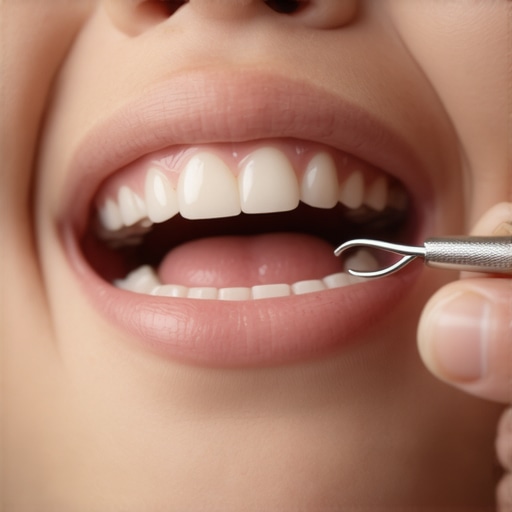
I remember the moment clearly—my child’s face crumpled as a new tooth peeked through, only to find it awkwardly positioned behind a lingering baby tooth. It was a lightbulb moment for me; I realized that many parents might overlook this seemingly minor issue until it causes pain or misalignment. That experience made me dig deeper into how to effectively help children navigate this common dental concern.
Why This Tooth Transition Can Feel Frightening for Parents
When a child’s permanent tooth starts coming in behind a baby tooth, it can be startling. Many parents worry about misalignment, future orthodontic problems, or even whether they should intervene immediately. The truth is, this situation is more common than you’d think, and early attention can make all the difference. According to the American Association of Orthodontists, about 75% of children have some form of dental misalignment, which can sometimes originate from delayed or incorrect adult tooth eruption source.
In my early days as a parent, I made the mistake of brushing off the crooked timing of my child’s teeth, thinking it would straighten itself out over time. That was a costly oversight because delaying consultation can sometimes lead to more complicated orthodontic work later. Now, I’ve learned that recognizing and addressing these early signs can save your child discomfort and future dental expenses.
Today, I’ll guide you through practical steps to identify, evaluate, and effectively help your child if their permanent tooth is emerging behind a baby tooth. From understanding the signs to knowing when to seek professional care, this knowledge will empower you to take confident action. Ready to ensure your child’s smile develops healthily? Let’s dive into how you can tell if intervention is needed and what steps to follow.
Is Delaying Action Worth the Risk?
Many parents worry that intervening might cause more harm than good, or that waiting might help their child’s teeth straighten out naturally. However, waiting too long can lead to crowding, misalignment, or impaction, which may require more invasive procedures later on. I learned this lesson early on—another mistake I made was assuming that all dental issues resolve with time. In reality, early assessment and timely action can prevent more complicated problems down the line.
If you’re noticing a child’s permanent tooth coming in awkwardly, don’t dismiss it. Early consultation with a family dentist can provide clarity—sometimes simple adjustments or guidance can prevent years of discomfort and costly orthodontic work. Curious if your child’s dental development needs professional eyes? Keep reading—next, we’ll explore how to recognize the signs and when to seek expert advice.
Schedule an Immediate Dental Consultation
As soon as you notice a permanent tooth emerging behind a baby tooth, book an appointment with your family dentist. Think of this like calling a mechanic when your car’s warning light turns on—timely action can prevent bigger problems later. During this visit, the dentist will evaluate whether the misalignment needs intervention or if it’s a natural variation.
Tell the Dentist About Your Observations
Be specific: describe the exact position of the emerging tooth, any discomfort your child experiences, and how long you’ve noticed the issue. This detailed account helps the dentist determine whether the situation is developing normally or requires immediate correction.
Understand Your Child’s Dental Development
Use visual guides or diagrams to compare your child’s teeth with typical eruption patterns. Remember, just like building a Lego structure, knowing the correct sequence ensures stability. Recognizing if the tooth is simply delayed or truly impacted informs your next steps.
Monitor and Record Progress
Keep a photographic journal of your child’s teeth over days or weeks. This serves as a visual log to share with the dentist and helps track whether the tooth is moving into the proper position or if the situation is worsening.
Implement Good Oral Hygiene Practices
Maintain consistent brushing twice daily with fluoride toothpaste and encourage flossing. Good oral health acts like a sturdy foundation for all dental work, preventing plaque buildup around emerging teeth that could hinder proper eruption or cause decay.
Manage Discomfort and Anxiety
If your child shows signs of pain, consult with your dentist about appropriate pain relievers or soothing techniques. Use calm explanations and child-friendly approaches—imagine easing a nervous pet into a vet visit—to make dental appointments less stressful and more productive.
Explore Orthodontic Options When Necessary
If the dentist confirms misalignment or impaction, they might recommend orthodontic treatments like braces or Invisalign. Think of Invisalign as the clear mold that gently guides teeth into place—much like a thermostat gently regulating temperature. Discuss all available solutions, including the benefits of modern options like invisible aligners, by reviewing resources like Invisalign innovations.
Choose the Right Treatment for Long-Term Success
Before proceeding, seek a specialist’s advice on the best approach. This is similar to hiring a seasoned chef to perfect a complex recipe—expert guidance ensures quality results. For durable corrections, understanding options like crowns or orthodontic appliances is crucial. To learn more about restorative options, visit how crowns can enhance oral health.
Maintain Regular Follow-Ups and Preventive Care
Schedule periodic visits to monitor the progress of treatment and catch new issues early. Think of this like routine oil changes for your car—preventative maintenance keeps everything running smoothly and extends the lifespan of your investment.
Educate Your Child About Oral Health
Teach them the importance of daily habits, such as avoiding too many sugary snacks and not using their teeth as tools. Empowered children are more likely to cooperate with treatment plans and develop lifelong healthy habits—think of this as planting seeds for future dental resilience.
By following these explicit steps, you transform uncertainty into confident action, ensuring your child’s dental development stays on track and minimizes future complications.
Myths about One-Size-Fits-All Dental Solutions
Many believe that treatments like crowns and Invisalign are universal fixes, but in reality, each case requires nuanced consideration. For instance, opting for the cheapest crown without evaluating long-term durability can lead to frequent replacements and increased costs. Comprehensive assessments by experienced professionals can determine the most suitable options, such as choosing between porcelain crowns or other restorative solutions, ensuring longevity and function here.
The Hidden Complexity of Invisalign Choices
Contrary to popular belief, Invisalign is not just about clear aligners—they come in various forms and technologies. Some patients assume all Invisalign treatments are the same, but differences in attachments, treatment planning, and material quality influence results. Advanced cases might require mini-implants or hybrid approaches, which many overlook when considering aligner therapy. For an in-depth understanding of how Invisalign is evolving, explore here.
Common Pitfalls in Maintaining Oral Health at Home
Most people think brushing twice a day suffices, but neglecting flossing, regular rinsing, and proper technique can undermine oral health. Overlooking interdental cleaning or using abrasive toothpaste can cause gum recession or enamel wear—errors often dismissed as minor. Preventive care involves more than routine; tailored advice on interdental tools and fluoride use can significantly reduce cavity risk and gum disease, as shown in recent studies here.
Why Do Crowns Fail Prematurely What Can We Do About It?
Many assume crowns last a lifetime, but a common mistake is neglecting proper cementation, occlusion checks, and post-placement care. Poorly fitted crowns can cause discomfort, chipping, or bacterial leakage, leading to secondary decay. Choosing a skilled specialist for crown placement and adhering to follow-up recommendations drastically improves success rates. Learn more about selecting the right expert for crowns here.
How Do We Truly Measure Oral Health Beyond Looks?
Flashing a bright smile is great, but true oral health encompasses bone integrity, gum health, and absence of disease. Some believe whiteness equals health, but enamel shade and surface cleanliness lack diagnostic value without professional evaluation. Regular check-ups, x-rays, and saliva tests reveal underlying issues that aesthetic treatments can’t address. For advanced insights, consider reviewing this resource.
In my experience, uncovering these misconceptions early can prevent costly and uncomfortable corrections later. Remember, your dental health is a complex interplay of many factors—don’t oversimplify or overlook the finer details. Have you ever fallen into this trap? Let me know in the comments.
Maintaining optimal oral health and ensuring successful dental treatments require more than just routine check-ups. The right tools and strategies can make a significant difference in long-term results. Personally, I rely on a combination of advanced cleaning devices, tailored software, and consistent habits to keep treatments like crowns and Invisalign working effectively. In this post, I share detailed recommendations to help you optimize your dental care routine.
For daily cleaning, I highly recommend using an electric toothbrush with a pressure sensor, such as the Philips Sonicare DiamondClean. Its gentle yet thorough brushing action, coupled with real-time feedback, prevents over-aggressive brushing that can damage gums or dislodge restorations. I’ve seen firsthand how this device helps patients maintain the integrity of crowns and prevent plaque buildup around orthodontic appliances.
In addition, investing in interdental cleaning tools like Waterpik Water Flossers has transformed my approach to oral hygiene. The pulsating water stream effectively cleans between teeth and around brackets, reducing the risk of decay or gum disease. I personally use the Waterpik Ultra model because it offers customizable pressure settings, allowing gentle yet thorough cleaning, especially crucial for patients with crowns or braces.
When it comes to tracking progress and scheduling follow-ups, I rely on specialized software like DentalMonitoring. This teledentistry platform allows remote assessment of treatment progress through daily photo uploads. I encourage my patients to take consistent high-quality photos using a smartphone with macro lenses—this simple step provides invaluable data for adjusting treatment plans without frequent in-office visits. This technology is especially useful for monitoring Invisalign aligners, ensuring they’re working as intended and catching issues early.
Predicting future trends, I believe integration of AI-powered dental imaging will become standard. AI algorithms can analyze scans for early signs of wear, misalignment, or decay, enabling preemptive adjustments. Staying ahead means adopting tools that analyze data beyond human visual capacity, providing a comprehensive view of long-term treatment success.
**How do I maintain [Dentistry] treatments over time?** Regular follow-ups are vital. Scheduling biannual check-ups ensures any issues with crowns, implants, or aligners are caught early. Professional cleanings tailored to treated areas help prolong the lifespan of restorations and maintain periodontal health. Additionally, using recommended removal and cleaning techniques for devices like Invisalign trays—such as soaking them in clear, enzymatic cleaners—can prevent bacterial buildup and odors.
I also suggest maintaining a record of your oral health with apps like Dentify, which store dental history, treatment notes, and appointment reminders. This digital organization helps both you and your dentist track progress and plan long-term strategies.
Finally, staying informed about new materials and procedures is crucial. For example, recent advances in crown materials like zirconia provide higher durability and aesthetics. Reviewing expert advice on choosing the right crown can help you make better decisions, as detailed in the article on long-lasting crowns.
I challenge you to try integrating an AI-based monitoring app into your routine. It might seem advanced, but embracing technology like DentalMonitoring can significantly enhance your treatment outcomes and give you peace of mind. Regularly updating your tools and habits is the cornerstone of making sure your dental investments continue to serve you well for years to come.
Reflecting on my journey with my child’s dental health, I realized that the most profound lessons often come from unexpected places—in this case, the subtle signs of a developing smile. Recognizing the nuances of dental growth can feel daunting, but embracing a proactive mindset transformed my approach from reactive to empowering. The key is in observing the small details, trusting experienced professionals, and staying committed to ongoing care. This mindset shift not only improved my child’s dental outcomes but also deepened my understanding of what it truly takes to support a healthy, confident smile over a lifetime.
What I Wish I Knew About Navigating Dental Development
- Early signs matter more than you think: Noticing a permanent tooth emerging behind a baby tooth was a red flag for me—delaying action could have led to significant misalignment. The sooner you consult your dentist, the better your chances of guiding the development positively.
- Not all misalignments resolve on their own: I used to believe patience was enough, but evidence shows that early intervention with options like Invisalign can prevent more invasive procedures later, saving discomfort and costs.
- Customized care beats one-size-fits-all solutions: Each child’s dental journey is unique. Trusting professionals to tailor treatments, whether crowns or orthodontics, ensures the best long-term outcome.
- Technology is transforming family dentistry: From teledentistry platforms like DentalMonitoring to advanced imaging, embracing these tools elevates care and provides peace of mind.
- Consistent habits lay the foundation: Teaching children good oral hygiene early—like effective brushing with tech-enhanced tools—sets them up for a lifetime of healthy smiles.
Tools That Truly Make a Difference
- High-quality crowns: Choosing the right restorative options ensures durability and a natural appearance, boosting confidence and function.
- Invisalign solutions: Modern Invisalign techniques provide discreet correction, fostering compliance and better aesthetics.
- Expert guidance: Selecting skilled professionals guarantees treatment success and minimizes risks.
- Preventive habits: Daily routines reinforced with tech gadgets make maintaining oral health easier and more effective.
Seize the Moment and Embrace Change
Every small step taken today solidifies a future where your child’s smile is both healthy and radiant. Don’t let uncertainty hold you back—your proactive choices, combined with trusted tools and expert support, can turn challenges into triumphs. Remember, ongoing education, embracing new technologies, and fostering good habits create a resilient foundation for lifelong oral well-being. Your journey starts now; take that first confident step toward giving your child the gift of a smile that lasts a lifetime.
What was the biggest surprise you’ve encountered in your child’s dental development? Share your story below—I’d love to hear it!
.