
How to Keep Your Teeth White While Being a Coffee Lover
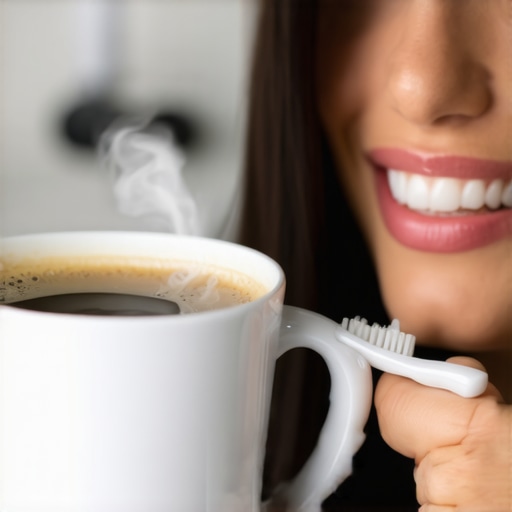
I vividly recall the moment I looked in the mirror after enjoying my morning coffee, only to be greeted by a less-than-bright smile. For years, coffee had been my daily ritual, yet I couldn’t ignore the stubborn stains and dullness it left behind. It was a classic case of love versus oral health—can we truly enjoy our favorite beverages without sacrificing our pearly whites?
Why Maintaining a White Smile While Coffee Drinking Feels Like a Tug-of-War
Living in a world where photos are everywhere, from social media to family gatherings, having a radiant smile feels essential. But as any coffee lover knows, those dark pigments can cling stubbornly to enamel, turning our brilliant whites into shades of beige and yellow. This dilemma hits close to home for many—myself included.
Early in my journey, I made the mistake of thinking that whitening treatments or avoiding coffee altogether was the only answer. Turns out, there are practical tips and modern techniques that allow us to indulge without guilt. For instance, regular professional cleanings and specific at-home routines can mitigate staining. Incorporating strategies like drinking through a straw to reduce contact or rinsing after your coffee can make a noticeable difference.
Interestingly, research shows that certain foods and beverages, including coffee, are primary culprits in staining your teeth. According to the American Dental Association, coffee contains chromogens, which attach to tooth enamel and cause discoloration. Luckily, there are effective methods to counteract these effects and preserve your smile’s brightness.
If you’re nodding along, thinking, “That’s exactly my struggle,” you’re not alone. Many seeking to keep their teeth white are unsure if their love of coffee has to become a thing of the past. Well, the good news is, you don’t have to give up your morning brew. Instead, with some smart habits and perhaps a trip to your family dentist, you can enjoy coffee and keep your smile stunning.
Ready to discover the best ways to protect your teeth while savoring coffee? In the following sections, I’ll share proven tips and techniques that have worked for me—and can work for you too. But first, let’s address the doubts many have about whitening solutions.
Master Your Oral Hygiene Routine
Start with consistent brushing twice daily using a fluoride toothpaste, paying special attention to angles and surfaces. I once woke up after a long coffee night and found my teeth slightly stained; a vigorous brush helped remove surface discoloration. Incorporate flossing daily, targeting areas where coffee residues tend to settle, to prevent plaque buildup and stains from adhering tightly. Use an antibacterial mouthwash after brushing to reduce bacteria that can exacerbate staining and dullness.
Apply Protective Measures During Coffee Consumption
Drink with a Straw
Using a straw minimizes contact between coffee and your teeth, reducing staining. I tried this during a weekend coffee binge, and noticed my front teeth remained whiter longer. Ensure the straw reaches the back of your mouth for maximum effect.
Rinse or Drink Water Afterward
Immediately rinsing your mouth with water helps wash away chromogens—the staining agents in coffee. I adopted this trick after reading about it; within days, my teeth showed less discoloration.
Choose the Right Dental Products
Opt for whitening toothpaste formulated with gentle abrasives that remove surface stains without damaging enamel. I experimented with different brands until I found one that lifted coffee stains effectively without causing sensitivity. Additionally, consider using a whitening pen or tray periodically for deeper stain removal.
Schedule Regular Professional Cleanings
Professional cleanings erase plaque and surface stains more efficiently than at-home methods. Visiting my dentist every six months made a visible difference in my smile’s brightness. Dentists can also recommend safe whitening treatments if stains persist.
Incorporate Teeth-Friendly Foods
Crunchy vegetables like carrots and celery act as natural abrasives, helping clean teeth as you chew. I include these in my diet; they not only boost my oral health but also help minimize coffee stains. Foods rich in calcium and vitamin D strengthen enamel, making it more resistant to staining agents.
Evaluate Restorative Options for Stubborn Stains
If staining becomes resistant despite diligent care, consult your family dentist about restorative solutions like dental crowns or veneers. These options provide a durable, stain-proof surface. I opted for crowns after experiencing persistent staining and was amazed at how much brighter my smile became. Learn more about crowns and their benefits at this comprehensive guide.
Consider Cosmetic Treatments with Caution
While whitening treatments can help, they should be performed under professional supervision to avoid damage. Avoid DIY whitening kits that can harm enamel; instead, discuss options with your dentist.
Be Mindful of Your Overall Oral Health
Healthy gums and teeth reflect in a brighter smile. Regular check-ups prevent issues that could compromise your aesthetic goals. I learned that addressing minor dental issues promptly kept my teeth looking their best for longer. For ongoing family care, explore the latest trends at this resource.
When it comes to dental restorations like crowns or orthodontic options such as Invisalign, many assume they are straightforward solutions. However, the true complexities often get overlooked, leading to misconceptions and suboptimal results. For instance, a common myth is that all crowns are created equal and will last for decades without issues, but the reality is that choosing the wrong type of crown or improper placement can result in secondary problems like gum recession or functional discomfort. According to experts at family dentistry, understanding the nuances of material selection—porcelain, zirconia, or gold—is crucial for durability and aesthetic harmony, especially in a visible smile zone.
Are There Hidden Risks in Choosing Invisalign Over Traditional Braces?
Many patients believe Invisalign is synonymous with a risk-free, hassle-free orthodontic treatment. While it’s true that Invisalign offers advantages like removability and comfort, it isn’t a magic bullet. In fact, without proper compliance and monitoring, teeth can shift improperly or relapse post-treatment, undermining the investment. A study published in the Journal of Clinical Orthodontics emphasizes that successful Invisalign outcomes hinge on meticulously planned case assessments and patient compliance, which many underestimate. Overlooking these details can lead to prolonged treatment times or compromised results. So, before opt for this modern aligner system, consult with an experienced practitioner at family dentistry for personalized advice.
Common Pitfalls in Restorative Dental Procedures
Many consumers get lured by low-cost options or quick fixes, but this often results in poor longevity of crowns or fillings. An all-too-common mistake is neglecting the importance of proper maintenance and follow-up care, which can lead to secondary infections or crown failure. Moreover, the misconception that dental work is a one-time fix neglects the ongoing nature of oral health. Visiting your dentist regularly, as discussed in top oral health tips, ensures these procedures remain effective and your smile stays healthy.
Why Material Matters More Than You Think
Many assume that aesthetics are the only concern when selecting crown materials. However, factors like occlusion, bite force, and exposure to staining agents influence which material will stand the test of time. For example, porcelain crowns may look beautiful but are more brittle compared to zirconia, making them unsuitable for back molars. An expert from family dentistry stresses the importance of tailoring options to each patient’s unique needs, which is often overlooked in favor of superficial appearances.
In conclusion, diving beneath the surface reveals that there’s more to dental crowns, family dentistry, and Invisalign than meets the eye. Making informed decisions requires understanding these nuanced factors—don’t fall prey to common myths or oversights. Have you ever fallen into this trap? Let me know in the comments.
Ensuring the longevity of your dental restorations, like crowns, and maintaining optimal oral health requires more than just good habits — it relies heavily on the right tools and consistent routines. As someone deeply invested in family dentistry, I’ve honed a set of specific equipment and techniques that deliver real results. In this section, I’ll share the tools I personally recommend for keeping your smile in top shape and how they can help you achieve long-term success.
My Go-To Electric Toothbrush for Effective Cleaning
The foundation of any oral care routine is thorough brushing, and I trust the Philips Sonicare ProtectiveClean 6100. Its sonic technology creates up to 62,000 brush movements per minute, ensuring surface stains are gently but effectively removed—crucial for patients with crowns or veneers. I personally use it because it offers customizable intensities and pressure sensors that prevent over-brushing, protecting delicate restorations from unnecessary wear. Regular use of such advanced toothbrushes can significantly extend the life of your restorations and improve overall gum health.
Interdental Cleaners That Make a Difference
While flossing is essential, I prefer Water Flossers like the Waterpik Ultra Water Flosser. Its pulsed water streams dislodge plaque and bacteria from hard-to-reach areas, particularly around crowns and bridges where traditional floss may struggle. I’ve seen this tool prevent secondary decay and staining, especially in patients with extensive restorations. Incorporating a water flosser into your daily routine is easy and highly effective, making it a practical investment for families aiming for healthier smiles.
UV Sanitizers to Keep Tools Hygienic
Cross-contamination can compromise your oral health. To prevent this, I recommend using a UV toothbrush sanitizer like the UV 3-in-1 Sterilizer by UV-Cure. It disinfects toothbrush heads and orthodontic appliances, killing up to 99.9% of bacteria. I emphasize this because maintaining hygiene extends the lifespan of your tools and reduces the risk of infections, especially if you’re using Invisalign trays or removable devices. Regular sanitization is a small step that yields big benefits over time.
Periodic Use of Professional-Grade Whitening Kits
For stubborn stains that at-home routines can’t eliminate, I advise consulting your dentist about professional whitening options. Devices such as the Zoom! Whitening system use stronger agents under supervision, providing faster, safer results. Moreover, combining these treatments with softer habits, like rinsing with fluoride mouthwash post-whitening, helps maintain your brightness longer. Remember, protecting your investment means pairing professional solutions with consistent at-home care.
Embracing Future Trends to Stay Ahead
Technology in dental tools continues to evolve rapidly. Innovations like AI-powered toothbrushes that analyze brushing patterns and dentist-prescribed apps for personalized oral health guidance are on the horizon. By staying informed and adopting smarter tools—like the latest in digital oral scanners and home diagnostic kits—you can proactively monitor and enhance your dental health. Predicting future trends, I believe integrated devices with real-time feedback will become the standard for families committed to long-term oral wellness.
How do I keep my dental tools working efficiently over time?
Regular maintenance and timely replacement of heads and batteries are essential. Always follow the manufacturer’s instructions, clean your tools after each use, and replace parts as recommended—typically every three to six months for brush heads and no longer than a year for batteries. Proper care prevents equipment failures and ensures optimal performance, which directly impacts the health of your restorations. For detailed guidance, see the comprehensive family dentistry maintenance secrets at this resource.
Investing in quality tools and adhering to a disciplined routine is the most reliable way to protect your crowns, implants, and overall oral health. If you’re ready to upgrade your maintenance arsenal, I highly recommend trying the Waterpik Ultra Water Flosser — it’s proven to synergize with professional treatments and extend the life of your restorations. Remember, the key to long-lasting results is consistency combined with the right equipment.
The Hardest Lesson I Learned About crowns,family dentistry,oral health,invisalign
One of the most profound realizations I encountered was that investing in quality dental care isn’t just about aesthetics—it’s about lifelong health. Early mistakes, like ignoring minor issues or opting for quick fixes, taught me that patience and informed decisions lead to lasting results. Now, I understand that each crown or Invisalign alignment is part of a bigger picture of well-being, not just a cosmetic fix.
3 Myths About crowns,family dentistry,oral health,invisalign That Held Me Back
Believing that all crowns are equally durable or that Invisalign is a one-size-fits-all solution limited my progress. Dispelling these myths, I learned the importance of consulting specialists and choosing tailored treatments. This shift in mindset transformed my approach to oral health, empowering me to make better, more confident choices.
What Experts Won’t Tell You About crowns,family dentistry,oral health,invisalign
Many overlook the nuanced differences in materials and techniques that can extend the life of restorations. For instance, the choice between porcelain and zirconia depends on individual needs. Discovering these insights, I realized that a proactive, educated approach to family dentistry can save you time, money, and discomfort in the long run. For trusted advice, I always recommend reviewing this comprehensive guide.
My Essential Toolkit for crowns,family dentistry,oral health,invisalign
The secret to maintaining a healthy, bright smile lies in smart tools. I rely on a high-quality electric toothbrush like the Philips Sonicare ProtectiveClean 6100 for daily cleaning, and a Waterpik Ultra Water Flosser to keep my restorations pristine. These tools, combined with regular professional check-ups, form the backbone of my oral health routine, ensuring my smile stays confident and radiant. Investing in the right equipment truly makes a difference, and I encourage you to explore options that suit your needs.
Let Your Smile Lead the Way
Your dental journey is uniquely yours, filled with lessons, discoveries, and milestones. Embracing informed choices and embracing technology can empower you to maintain a healthy, beautiful smile for decades to come. Remember, the path to oral wellness isn’t a sprint but a lifelong adventure—one that starts today with your next confident step.
Have you ever experienced a moment where a small change in your dental routine made a noticeable difference? Share your story below—I’d love to hear your experiences and insights on maintaining a bright, healthy smile!