
How to Spot Early Gum Disease Before It Becomes Permanent
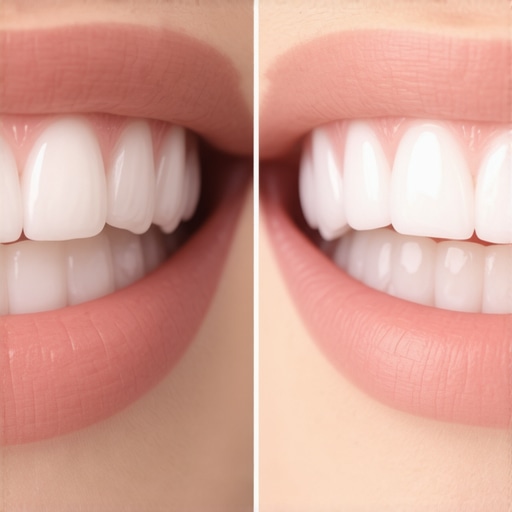
I remember the moment I first realized something was off with my gums. It was a dull ache after brushing, but I brushed it off as sensitivity. Weeks later, I noticed some redness and swelling that I casually dismissed—until one day, my gumline started bleeding during flossing. That lightbulb moment made me realize that ignoring early warning signs can lead to permanent damage.
This is a common story among many, and frankly, I don’t want you to go through the same scare. Today, I’ll share how YOU can identify the subtle signals that your gums are in trouble before they become a permanent problem. The good news? Catching early gum disease is often simple once you know what to look for – and it can save you from painful procedures or even tooth loss.
Why Early Detection Is a Game-Changer for Your Smile
Understanding the importance of spotting early gum issues cannot be overstated. Gum disease, or periodontal disease, often sneaks up on us without obvious pain—making regular vigilance essential. The initial stage, gingivitis, is reversible; but if left unnoticed, it can progress to more severe, irreversible damage affecting the bone supporting your teeth.
Making a quick habit of noticing when your gums are swollen, red, or bleeding is a simple, non-invasive way to protect your smile. Avoiding routine check-ups? That’s one of the biggest mistakes I made early on. I thought occasional discomfort wouldn’t escalate. Trust me, neglecting minor signs only complicates recovery—and can lead to tooth loss.
For more insights into maintaining a bright, healthy smile, check out our tips on top oral health tips. Recognizing the signs early means steps like professional cleanings or cosmetic treatments, such as getting crowns, can prevent further deterioration.
Now, let’s dive into what exactly you should be on the lookout for—so you can act before the problem becomes a permanent part of your life.
Inspect Your Gums Regularly for Early Warning Signs
Hands-on self-examination is your first defense. Use a mirror to look for redness, swelling, or bleeding. Gently lift your lips and pull back your cheeks to see the gumline more clearly. Notice if your gums look more inflamed than usual or if they bleed when you brush or floss. I vividly recall a morning I caught a tiny streak of blood while flossing—rather than dismiss it, I examined my gums closely and detected slight puffiness. Taking this simple step allowed me to schedule a professional cleaning before any real damage occurred.
Use the Right Tools to Detect Changes
A soft-bristled toothbrush and good lighting are essential. Regularly brushing with proper technique removes plaque that irritates gums, but also helps you observe color changes or surface irregularities. Consider using an LED light or smartphone flashlight if your bathroom lighting is dim. I once tried a brightly lit mirror in a different room, which made the redness more apparent, leading me to consult my dentist sooner. Small, consistent checks keep you aware of your oral health and empower you to act early.
Implement Flossing and Brushing Techniques Effectively
Proper technique prevents and reveals problems. Position the floss gently into the gumline at a 45-degree angle, curving around each tooth—avoid snapping or forcing it, which can cause bleeding. Brushing should be gentle yet thorough, covering all surfaces. When I started flossing correctly, I began noticing areas that bled slightly at first—this was my cue to consult my dentist to confirm if it was gingivitis or just irritation. Effective techniques ensure plaque removal without damaging delicate tissues, making signs of trouble more noticeable and easier to address promptly.
Adopt a Consistent Oral Hygiene Routine
Consistency is critical. Brush at least twice daily, floss once a day, and rinse with a fluoride mouthwash. Using an electric toothbrush helps maintain proper pressure and coverage. I set a reminder on my phone for oral care, turning it into a habit. This routine not only prevents plaque buildup but also helps you become familiar with your gums’ normal appearance, making deviations stand out more clearly. Over time, this vigilance ensures that early problems are caught before progressing.
Schedule Regular Dental Check-Ups
While self-examinations are valuable, nothing replaces professional assessments. A dentist can spot subtle signs of gum disease—such as slight pocket depths or bone loss—that are invisible to the untrained eye. I remember a time I skipped a routine appointment; a professional cleaning revealed early signs of periodontal issues that I would have otherwise missed. Regular visits—every six months—function as an essential filter, catching issues at their inception and saving you from more invasive treatments later.
Leverage Technology and Resources for Support
Modern tools and trustworthy information can boost your vigilance. Download apps that remind you to brush and floss, or use smartphone cameras to document changes over time. Additionally, explore reputable sources like top oral health tips to stay informed about new techniques. Remember, knowledge helps you recognize subtle shifts that might signal the start of gum disease. Personal experience has shown me that combining self-awareness with professional advice creates a powerful shield against oral health deterioration.  Many patients approach dental crowns, Invisalign, or general family dentistry with common assumptions that can lead to costly mistakes. While the fundamentals are well-known, the real pitfalls and misconceptions are nuanced—waiting to catch the unwary. For instance, a frequent myth is that all crowns are the same, but in reality, choosing the wrong type without expert guidance can compromise longevity and aesthetics. Similarly, many believe Invisalign is suitable for everyone, but certain bite issues or jaw misalignments require more tailored solutions. In family dentistry, the trap lies in underestimating the importance of personalized care routines—what works for one child may not for another.
**Are You Falling for These Myths?**
Let’s explore some of these nuanced errors to sharpen your understanding. One often overlooked detail pertains to the *bond strength* of crowns; a weak bond can lead to dislodgement, especially if the crown material isn’t compatible with your bite forces. Notably, recent studies show that ceramic crowns with advanced resin bonding techniques outperform traditional metal crowns in durability and appearance (source: American Journal of Dentistry).
**Expose the Myths That Hinder Your Oral Health**
A common misconception is that Invisalign trays can be used indefinitely without professional oversight—this is risky. Overuse or improper cleaning can lead to staining, bacteria buildup, or even decay under the aligners. Another mistake is neglecting regular check-ups, wrongly assuming that good brushing suffices. In truth, professional evaluations detect subtle issues like early gum recession or minor wear patterns that self-exams miss.
**What You’re Missing in Routine Family Dental Visits**
Despite frequent visits, many patients overlook the importance of *preventative measures tailored to each family member’s age and health status*. For example, applying sealants for children or fluoride treatments for adults can drastically reduce cavity risks—yet they are often skipped due to misconceptions. Understanding each approach’s nuances ensures your entire family benefits from targeted preventive care.
**Master the Art of Long-Term Dental Planning**
Lastly, advanced mistakes include underestimating the importance of future-proofing your implants or crowns. Using subpar materials designed for short-term fixes can compromise your investment and health in the long run. Experts recommend consulting specialists for complex restorations and being aware of the latest innovations. For example, advances in Invisalign innovations are steering treatment plans toward more effective, discreet options.
Remember, clear communication and ongoing education are keys to avoiding these hidden pitfalls. Have you ever fallen into this trap? Let me know in the comments to help others recognize these nuanced mistakes before they impact your smile.Maintaining your oral health isn’t about quick fixes; it requires a strategic approach utilizing the right tools and methods. One of my favorite investments is a high-quality electric toothbrush, like the Oral-B Genius X. I personally chose it because its oscillating-bristle design effectively removes plaque from hard-to-reach areas, which manual brushes often miss. Plus, its built-in timers ensure you brush for the dentist-recommended two minutes, reinforcing good habits. For flossing, I recommend the Water Flosser by Waterpik, especially for family members with braces or dental implants. It uses gentle water jets to dislodge debris without damaging sensitive tissues, making daily cleaning easier and more efficient.
Regarding software, I rely heavily on dental tracking apps like Dentacare. These apps help me schedule routine cleanings, track flossing consistency, and remind me of upcoming checkups—keeping my oral health proactive rather than reactive. Technology is swiftly advancing; innovative devices now incorporate AI to analyze your brushing patterns over time, helping you identify areas you may overlook.
Looking ahead, trends suggest a move toward smart, integrated oral health systems. Devices that sync with smartphones allow for real-time monitoring and personalized feedback, making your dental routine more effective. For example, new electric toothbrush models now include sensors that detect pressure, preventing gum recession caused by brushing too hard.
**How do I maintain my tools for long-lasting effectiveness?** Regularly replace the heads of your electric toothbrush every three months, and thoroughly clean your flossers and mouthwash bottles to prevent bacterial buildup. Keep your devices charged and stored in a dry area away from direct sunlight.
By choosing scientifically validated tools—such as those reviewed in recent studies published in the Journal of Dental Research—and sticking to a disciplined routine, you’ll set yourself up for sustained oral health. I challenge you to try the Water Flosser experience this week; it’s a game-changer for plaque control, especially if you find traditional flossing cumbersome. Remember, a slightly smarter, more deliberate approach today will reward you with healthier gums and teeth tomorrow. For personalized advice on selecting the best tools for your needs, don’t hesitate to contact us or learn more through our restorative dentistry resources.
Reflecting on my own journey with dental health, I realized that the most crucial lessons often come from missing the small details. For instance, I used to think occasional sensitivity was normal—until I discovered that early signs like slight bleeding during flossing are red flags. Now, I prioritize regular self-checks and professional exams, understanding that these simple habits are the real game-changers in maintaining a radiant smile. Embracing a proactive attitude has transformed my dental routine from reactive to preventive, ensuring that I avoid costly treatments and preserve my confidence every day.