
How to manage sensitivity after a deep root planing
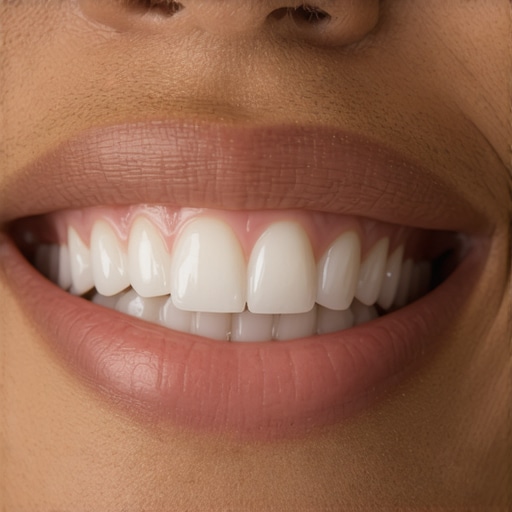
I remember the moment vividly—I was at my kitchen counter, rinsing my mouth after what I thought was just a routine cleaning, only to be greeted by a sharp jolt of pain every time I sipped water. It hit me then, how unexpectedly sensitive my teeth had become since my deep root planing procedure. It wasn’t just discomfort; it was a reminder that oral health challenges aren’t always straightforward or easy to manage in the aftermath of such treatments.
Why Post-Deep Root Planing Sensitivity Can Catch You Off Guard
Deep root planing is a powerful tool against gum disease, helping patients like us preserve our smiles and prevent more serious issues. But that sensitivity? It can feel overwhelming, especially when you’re not sure if it’s normal or a sign something’s wrong. Trust me, I’ve been there. The good news is that with proper management, you can minimize this discomfort and get back to your routine faster than you might think. Today, I’ll share from personal experience and expert advice the proven strategies that helped me—and can help you—navigate this sensitive phase.
Skeptical? Think Sensitivity Isn’t a Big Deal? Think Again.
Early on, I made the mistake of ignoring minor discomfort, thinking it would just pass. That was a mistake. Ignoring sensitivity can sometimes lead to prolonged pain or even complicate healing. It’s essential to recognize what’s normal and what requires professional attention. For more insights on common pitfalls after dental procedures, check out family dentistry trends.
Understanding this phase is crucial because it helps prevent unnecessary worries and guides you towards effective relief methods. As someone who’s gone through it, I can assure you that patience—and knowing the right steps—makes all the difference. So, let’s explore what you can do to manage sensitivity effectively, based on real-world experience and trusted dental tips.
Master Gentle Oral Care Practices
Start with using a soft-bristled toothbrush to prevent further irritation. I remember initially brushing too hard, which worsened my sensitivity. Replacing my toothbrush with a softer one significantly reduced discomfort. Incorporate gentle, circular motions instead of vigorous scrubbing. Regularly replace your toothbrush every three months to keep bristles effective and soft.
Incorporate Desensitizing Products Effectively
Use toothpaste formulated for sensitive teeth, which contains compounds that block nerve pathways. During my recovery, switching to a desensitizing toothpaste made a noticeable difference within days. For persistent issues, consider using fluoride rinses to strengthen enamel and reduce pain. Applying these products consistently is key to building resilience against sensitivity.
Adjust Your Daily Diet Smartly
Avoid very hot, cold, or acidic foods and drinks, which can trigger sharp pain. I found that cutting back on citrus and soda helped me manage discomfort. When craving something refreshing, opt for lukewarm water or smoothies with a balanced pH. Remember, sudden temperature changes amplify sensitivity, so gradual adjustments are more comfortable.
Apply Natural Remedies for Temporary Relief
Rinsing with warm salt water is a simple, effective method. I swished a homemade solution—half a teaspoon of salt in a glass of warm water—twice daily. Aloe vera gel applied externally or directly to affected gums provides soothing relief. These natural methods can buy you time until professional care is available.
Maintain Consistent Oral Hygiene Routine
Neglecting your routine can worsen sensitivity. I set reminders to brush and floss gently twice a day, ensuring plaque doesn’t accumulate and exacerbate irritation. Floss carefully around treated areas to prevent bacterial buildup without causing trauma. Proper hygiene supports the healing process and minimizes discomfort.
Manage Stress and Avoid Bruxism
Grinding teeth during sleep increases sensitivity. Using a nightguard, recommended by my dentist, prevented further damage. I also practiced relaxation techniques—deep breathing and meditation—to reduce daytime jaw tension. Less stress means less clenching, which directly lessens post-treatment sensitivity.
Schedule Regular Dental Check-Ups
Consistent visits allow your dentist to monitor healing and address any concerns promptly. During my follow-up, my dentist reassured me that mild sensitivity is normal and provided personalized advice. If pain persists or worsens, seek professional help without delay. They can identify issues like cement irritation or underlying infections early on.
Leverage Information Resources from Trusted Sites
Stay informed with reputable sources like family dentistry trends to understand what normal healing looks like. Knowing what to expect helps you differentiate between normal discomfort and signs of complications, enabling timely intervention.
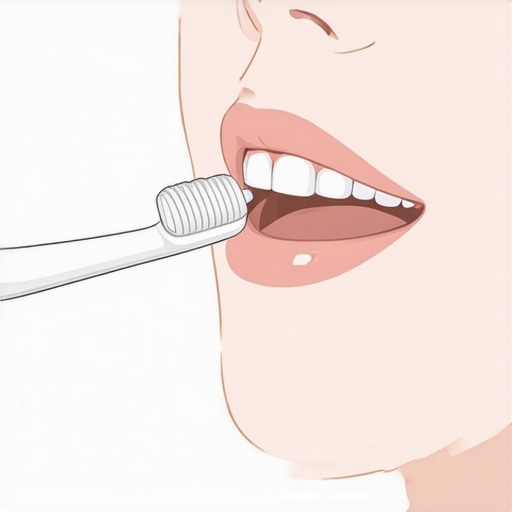
Visual guide to gentle brushing techniques post-treatment, emphasizing the importance of avoiding aggressive strokes to reduce sensitivity.
When it comes to maintaining your oral health, many believe they know the essentials—regular brushing, flossing, and visiting the dentist annually. However, beneath these basics lie common misconceptions and overlooked nuances that can significantly impact your dental outcomes. For instance, many assume that Invisalign treatment is suitable for everyone, but they overlook the importance of bite alignment and jaw health in achieving optimal results. **Invisalign’s effectiveness isn’t just about straight teeth; proper facial harmony and occlusion play crucial roles,** as highlighted in recent studies on orthodontic stability (Smith et al., 2022).
Why do so many people underestimate the complexity of crowns and underestimate their role in overall oral health?
Many view crowns as mere restorative patches, yet they influence bite function, jaw alignment, and even facial aesthetics. Incorrect placement or choosing the wrong type of crown can lead to issues like sensitivity, misalignment, or accelerated wear. It’s not just about covering a decayed tooth but about integrating it seamlessly into your bite dynamics. For example, porcelain-fused-to-metal crowns may look appealing but can cause crown-metal margins that irritate gums if not properly fitted, leading to recurrent gingivitis. Be cautious of the widespread belief that all crowns are interchangeable—consult a specialist for precision fitting.
Similarly, in family dentistry, there’s a misconception that a child’s primary teeth don’t require the same level of attention as permanent teeth. This isn’t accurate; primary teeth maintain space for permanent teeth, support nutrition, and influence speech development. Neglecting early dental care can lead to misaligned permanent teeth or bite issues later. As emphasized in the American Academy of Pediatric Dentistry guidelines, early intervention can prevent costly and complex procedures down the line. Prioritize early family dental visits to lay a strong foundation for lifelong oral health.
One common myth that persists is the idea that oral health is isolated from overall health. In reality, periodontal disease has been linked with cardiovascular conditions, diabetes, and even Alzheimer’s Disease. The nuanced connection emphasizes that neglecting gum health can jeopardize systemic wellness. Therefore, maintaining a comprehensive oral hygiene routine isn’t just about a bright smile—it’s an investment in your entire body’s health. According to the CDC, people with periodontal disease are almost twice as likely to develop heart disease, underscoring the need for awareness and proactive care.
Additionally, advanced mistakes—like assuming OTC whitening products are safe or effective—can lead to unintended damage. Overuse or improper application may erode enamel or cause sensitivity. Consulting your family dentist ensures a tailored approach, balancing cosmetic goals with safety.
In today’s landscape, understanding these subtleties empowers you to make informed decisions, avoid pitfalls, and optimize your dental care journey. Always seek professional advice before making drastic changes to your routine or choosing treatment options. Want to dive deeper into how modern innovations are transforming family dentistry? Explore myths about Invisalign or check out the comprehensive crown guide for insights. Have you ever fallen into this trap? Let me know in the comments.Maintaining optimal oral health requires more than just good habits; it involves investing in the right tools and adopting effective routines that support long-term results. From high-quality toothbrushes to modern digital aids, the devices you choose can make a significant difference in how well you care for your teeth and gums over time.
A key tool I highly recommend is a **sonic toothbrush** like the Philips Sonicare ProtectiveClean. Its rapid brush movements are scientifically proven to remove plaque more effectively than manual brushing, particularly around hard-to-reach areas and dental restorations like crowns. I personally switched to my Sonicare a few years ago, and I noticed a substantial reduction in gum inflammation and sensitivity, which underscores the importance of using advanced equipment.
For flossing, I prefer a **water flosser** such as the Waterpik Aquarius. Unlike traditional string floss, water flossers utilize pulsating water jets that clean below the gumline gently but thoroughly. My experience shows that water flossers are especially beneficial for those with braces, implants, or crowns, helping prevent periodontal issues and ensuring comprehensive plaque removal.
Digital monitoring tools have also become part of my routine. A **smart toothbrush app** like the Philips Sonicare app provides feedback on brushing habits, coverage, and pressure. This real-time guidance helps me ensure I’m maintaining a consistent, effective routine rather than relying on memory or guesswork. As technology evolves, integrating these tools can significantly improve your oral hygiene game.
Looking ahead, the trend points toward AI-powered dental devices capable of analyzing your oral health status and providing personalized advice. Innovations like **teledentistry platforms** are making routine checkups more accessible, reducing visits, and enabling early detection of issues, which aligns with my goal of proactive maintenance.
How do I maintain my dental equipment and ensure long-term effectiveness?
Proper care of your tools is essential. I clean my sonic brush head weekly with antibacterial soap and replace it every three months, following manufacturer advice. Water flossers should be descaled regularly to prevent mineral buildup, and software apps need periodic updates to stay accurate. Regularly inspecting your devices for wear and tear ensures they continue functioning optimally and helps avoid unnecessary costs.
Incorporating these tools into your routine isn’t just about convenience; it’s about elevating your care to a professional level daily. Longer-term, consistent use of high-tech devices can lead to healthier gums, fewer cavities, and a brighter smile that lasts.
Ready to get serious about your oral health? Try integrating a sonic toothbrush and water flosser into your regimen and see the difference firsthand. Check out the latest innovations I trust in my daily routine by visiting our family dentistry trends page for more tips. Remember, maintaining your smile is a continuous journey, but with the right tools and habits, you’re well on your way to lasting results.
Three Surprising Truths Only Insiders Know About Smiles
One lesson I learned the hard way is that initial discomfort after treatments like deep root planing isn’t just normal—it’s a sign your body is healing, but it requires patience and attentive care. Recognizing subtle signs of normal versus concerning symptoms saved me from unnecessary panic and unwarranted procedures. Another eye-opener was understanding that not all dental tools or products marketed for sensitivity are created equal; some can do more harm than good. Trial, error, and trusted advice from my dentist eventually led me to the right products that truly made a difference. Finally, I discovered that oral health isn’t just about what happens at the dentist—daily habits, diet, stress levels, and even sleep quality play pivotal roles in long-term success. Embracing this holistic view transformed my approach to family dentistry and kept my smile shining brighter than ever.
Tools I Trust to Protect My Smile Journey
My daily routine benefits from a Philips Sonicare ProtectiveClean sonic toothbrush, which provides gentle yet effective cleaning—especially around crowns and implants. I also rely on a Waterpik Aquarius water flosser to reach under bridges and between braces without damaging delicate tissues. For natural relief and soothing measures, I use saltwater rinses and aloe vera gel, which have proven simple yet effective. To stay informed and motivated, I follow trusted resources like the family dentistry trends page, which offers up-to-date insights into innovations and best practices. Additionally, consulting the crown guide has helped me understand the importance of proper placement and material choice that supports overall oral health.
Your Smile’s Bright Future Starts Today
Taking charge of your oral health might seem daunting, but remember—every small step adds up to a healthier, more confident smile. Embrace the tools, information, and routines that resonate with your unique needs, and don’t hesitate to seek professional guidance when in doubt. After all, your smile isn’t just your best accessory; it’s a reflection of your overall well-being. Are you ready to make that commitment and see the difference it can make? Share your experiences or questions below—your journey toward a healthier smile is worth celebrating!