
The secret to keeping your white fillings from staining
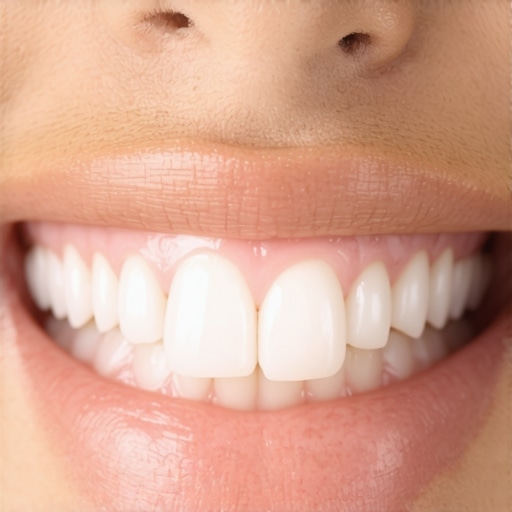
I remember the first time I noticed my white filling start to look dull and stained—my heart sank. That little speck of discoloration felt like a blow to my confidence, reminding me how easily even the smallest dental issues can affect our self-esteem. It was a lightbulb moment: maintaining those pristine, natural-looking teeth isn’t just about brushing and flossing; there’s a whole secret to keeping your fillings bright and stain-free.
Why Stains Love to Settle on Your Fillings
Many of us overlook how susceptible our white fillings are to staining, especially when we indulge in coffee, red wine, or berry smoothies. These beverages contain powerful pigments that can cling to the resin material used in fillings. Over time, this leads to a noticeable difference in color between your natural teeth and the restored areas—something no toothpaste can completely fix. Interestingly, research shows that the resin in fillings is more porous than natural enamel, making it easier for stains to settle and harder to remove once they’ve taken hold.
Is Your Daily Routine Sabotaging Your Smile?
Early on, I made the mistake of thinking that simply avoiding stain-causing foods was enough. Turns out, I was missing a crucial step—proper care and protective measures. Regularly rinsing after consuming coffee or wine, for instance, can significantly reduce staining. Also, overusing whitening toothpaste that contains abrasives may seem helpful but can wear down the resin, making stains even more noticeable. I’ve learned from personal experience that understanding the material your fillings are made of and how to care for them is essential in maintaining that bright, natural look.
If you’ve faced similar frustrations, you’re not alone. Many people grapple with keeping their dental work looking fresh. But don’t worry—I’ve found that with a few proven tricks, you can significantly extend the life of your fillings’ whiteness. In the next sections, we’ll explore practical steps backed by dental experts that will help you preserve that bright smile. Want to learn the secrets? Let’s dive in.
Master Your Daily Routine for Stain Prevention
Start by rinsing your mouth with water after consuming staining beverages like coffee or red wine. During my own attempt, I kept a small water bottle at my desk, and after each coffee sip, I would swirl water around my mouth—it may seem simple, but it dramatically reduced staining over weeks. Use a soft-bristled toothbrush and non-abrasive toothpaste to brush gently twice daily. I made sure to replace my toothbrush every three months; a worn brush can’t clean effectively and can harbor bacteria that dull your teeth.
Incorporate Protective Measures and Professional Care
Applying a fluoride rinse weekly can fortify your enamel, creating a barrier against stain absorption. Don’t skip your routine dental visits—professional cleanings remove surface stains that home care misses. During my visit, my hygienist used ultrasonic tools that peeled off deep-set stains, instantly brightening my fillings and natural teeth. For stubborn discoloration, inquire about whitening treatments designed specifically for composite fillings, which often respond better than over-the-counter products. Remember, maintaining consistent care is key—think of it as your personal shield against discoloration.
Choose the Right Products and Materials
Select whitening toothpaste with low abrasiveness to avoid wearing down resin fillings, which can make stains more apparent. When considering restorative options, consult your dentist about the materials used; some resins are more resistant to staining than others. If you’re contemplating replacements, look into porcelain veneers or crowns that are less porous and stain-resistant, offering a long-lasting bright smile. For specific advice tailored to your needs, visit this guide on choosing durable crowns.
Integrate Lifestyle Changes for Lasting Results
Limit your intake of deeply pigmented foods and beverages, especially during a whitening regimen. Use a straw for drinks like berry smoothies to minimize contact with teeth and fillings. Keep your hydration high, especially with water, which helps wash away staining agents. I remember experimenting with straw and was surprised at how much less staining occurred after just a few days. Consistent habits like these can significantly prolong the brightness of your dental work, saving you time and money on future whitening.
When it comes to restorative dental treatments like crowns and Invisalign, many patients assume they know the essentials. However, beneath the surface lie subtle yet critical nuances that most overlook, leading to unexpected complications or suboptimal results. Let’s dig deeper into some common myths and advanced traps to avoid, so you can make truly informed decisions about your oral health.
Are You Falling for the Overly Simplified View of Crowns?While crowns are celebrated for their ability to restore function and aesthetics, there’s a prevalent misconception that all crowns serve the same purpose and last equally long. In reality, the material choice—porcelain, ceramic, or metal—affects not just durability but also how well they blend with your natural teeth over time. For example, porcelain crowns are often touted for their beauty, but they tend to be more prone to chipping if not properly designed or maintained. Additionally, many patients underestimate the importance of proper preparation and cementation techniques. Incorrect fit or improper bonding can trap bacteria and lead to premature failure. For an in-depth understanding of how crowns can be optimized, check out this comprehensive guide on crown selection.Invisalign: It’s Not Just About Straightening—It’s About Long-Term Stability
Invisalign: It’s Not Just About Straightening—It’s About Long-Term Stability
Many assume that Invisalign simply moves teeth into position, but a crucial nuance lies in retention. Without appropriate retainers post-treatment, teeth often shift back, sometimes worse than before. Advanced practitioners emphasize the importance of a tailored retention plan that integrates with your specific bite and jaw structure; otherwise, you risk undoing months of progress. Moreover, some patients overlook the impact of compliance—wearing trays consistently—as a secret to preventing relapse. For insights into cutting-edge Invisalign techniques that ensure lasting results, visit this article on Invisalign innovations.
Family Dentistry Extends Beyond Routine Cleanings
Many families focus solely on brushing and flossing, which is a good start but misses deeper layers of prevention. One common myth is that kids’ teeth are naturally resilient and don’t require special attention. The reality? Early loss of baby teeth due to unnoticed decay can impair permanent teeth development and jaw alignment later. A hidden trap many fall into is neglecting the significance of fluoride applications and sealants, which are proven to reduce decay risk significantly. Furthermore, overlooking the importance of addressing TMJ issues or bite misalignments during routine checkups can lead to chronic problems down the line. To discover how comprehensive family dental care can safeguard your family’s oral health, explore this resource on family oral health tips.
> Have you ever fallen into this trap of underestimating the complexity behind seemingly straightforward dental treatments? Let me know in the comments. The more we understand these hidden nuances, the better choices we make for our smiles.
Keep It Working with the Right Equipment and Methods
Maintaining dental restorations and orthodontic treatments like crowns and Invisalign requires more than just good habits; it relies heavily on the tools and techniques you use daily. Personally, I swear by a high-quality ultrasonic scaler, such as the Waterpik Sonic-Fusion, which combines water and ultrasonic vibrations to effectively remove plaque and surface stains without damaging delicate materials. Regularly using this device helps prevent biofilm buildup around crowns and Invisalign attachments, significantly extending their lifespan. Additionally, I rely on an air polishing system, like the AIR-N-GO, during professional cleanings to polish restorations gently and prevent staining—this equipment reaches areas traditional polishing might miss. Future trends suggest integration of smart sensors into toothbrushes, enabling real-time monitoring of cleanliness, which could revolutionize home care routines.
Investing in good tools doesn’t just preserve your dental work; it empowers you to take control of your oral health. As technology advances, expect even smarter solutions that can alert you to early issues, potentially preventing costly repairs down the line. For example, digital plaque detection systems can now identify hidden bacteria, guiding you to target problem areas with precision. To get the most out of these innovations, explore using an ultrasonic toothbrush that adapts to your brushing style or a plaque-identification app that works with your smartphone. Implementing these tools now can make a measurable difference in long-term results.
How can you truly maintain your dental work over time?
One crucial aspect is mastering proper cleaning techniques with the right equipment. For crowns, fillings, or Invisalign, gentle brushing with a soft-bristled brush paired with a non-abrasive fluoride-based toothpaste ensures that you don’t wear down restorative materials prematurely. Incorporating interdental cleaning devices, like flare-tip flossers or interdental brushes, helps reach tight spaces around restorations and prevent plaque accumulation. Regular professional check-ups are vital; during visits, ask your dental team about the latest tools they employ and whether incorporating digital diagnostics might benefit your specific needs. As the field progresses, staying informed about advances in materials and methods—such as bioactive restoratives or 3D-printed crowns—can keep your oral health plan on the cutting edge. To learn more, visit this comprehensive guide on crown restoration innovations.
Hidden Truths That Made me Reconsider Dental Choices
One of the most eye-opening lessons I learned was that not all dental materials age the same way, which significantly impacts long-term aesthetics. I realized that opting for porcelain crowns over composites or choosing the right type of Invisalign retention can make all the difference in maintaining a natural, bright smile. Additionally, understanding that early family dental education and preventive measures can save years of headaches highlighted the importance of proactive care. These insights transformed my approach to oral health, revealing that staying informed and questioning common assumptions is essential for lasting confidence.
Tools and Resources That Elevated My Dental Journey
My go-to resource is this comprehensive guide on crowns, which helped me understand the nuances of material choices. I also rely on the latest Invisalign innovations page to stay updated on cutting-edge orthodontic solutions. For daily routine tips, these family oral health tips have become habits that preserve both natural teeth and restorations. Trusting these sources has undeniably shaped my journey toward a healthy, radiant smile.
Empower Your Smile and Embrace Change
Your journey to a brighter, healthier smile starts now. By integrating smart tools, staying informed, and adopting preventive habits, you can ensure your restorative and family dental care endures for years to come. Remember, a confident smile isn’t just about appearance; it reflects a commitment to your well-being. Don’t wait for small issues to become costly repairs—take proactive steps today and enjoy the benefits of a resilient, luminous smile that truly represents your best self.
Have you ever faced a challenge with keeping your dental restorations white and stain-free? Share your experiences below—I’d love to hear your story!