
How to stop a small cavity from becoming a big problem
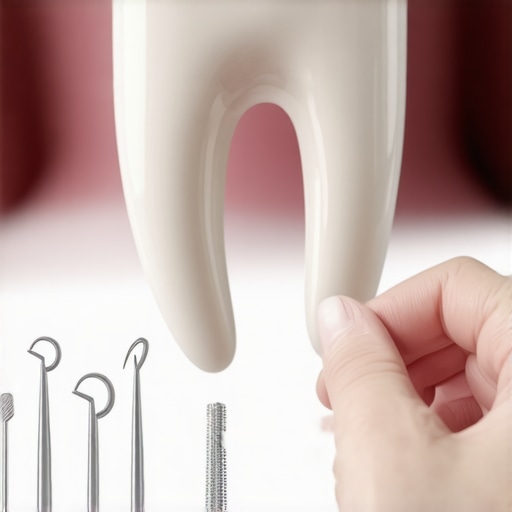
I remember the moment clearly—sitting in the dentist’s chair with that dreaded twinge in my molar, realizing I had let a tiny cavity slip by for too long. That small black dot had quietly been there, almost unnoticed, while I kept postponing a visit. Before I knew it, what started as a minor inconvenience was threatening to become a major dental nightmare. It was a lightbulb moment for me: neglecting small dental issues can lead to costly, painful problems down the line.
As someone who’s navigated the ups and downs of family dentistry, I’ve learned that catching and treating small cavities early isn’t just about saving money—it’s about preserving your overall oral health and comfort. Today, I want to share practical, proven strategies to keep tiny cavities from turning into big, expensive repairs. Trust me, a little attention now can save you a lot of pain and money later.
The Hidden Danger of Ignoring Small Cavities
Many folks underestimate the importance of promptly addressing early signs of tooth decay. It’s easy to justify putting off a dental visit when the cavity isn’t causing pain or visible trouble. But that tiny spot? It’s actually a gateway to more serious issues. If left untreated, a small cavity can quickly expand, weakening the tooth structure, leading to infections, or even the need for root canals or crowns.
One common mistake I made early on was dismissing a small, dull ache as nothing serious. It wasn’t until the pain worsened that I realized how much damage had already occurred. According to the American Dental Association, early intervention can significantly reduce the risk of further decay and save you from invasive procedures. Check out this insightful guide on how crowns can help protect compromised teeth—it might be the perfect solution if your cavity progresses too far.
Have you noticed any small spots, sensitivity, or discomfort but shrugged it off? If so, you’re not alone. Many people delay treatment until symptoms become severe. But taking swift action—like scheduling a visit with a trusted family dentist—can make all the difference.
In the next section, we’ll dive into practical steps you can take today to prevent a tiny cavity from becoming a big problem. Because when it comes to dental health, prevention truly is your best defense.
Act Quickly When You Spot the Issue
As soon as you notice a small dark spot or increased sensitivity, schedule a dental checkup without delay. Think of your teeth like a garden; small weeds may seem harmless, but if ignored, they can take over. When I felt that tiny twinge in my molar, I immediately booked an appointment, which helped catch the cavity early and avoided more invasive procedures. Early intervention can often be as simple as a quick filling that reseals the tooth.
Use Fluoride Treatments to Reinforce Enamel
Fluoride acts like armor for your teeth—strengthening enamel and making it more resistant to acid attacks. Over-the-counter options are effective, but professional fluoride treatments during dental visits provide a higher concentration for better protection. I started using fluoride rinse after my dentist recommended it, and over a few months, I noticed less sensitivity, especially when consuming hot or cold foods.
Limit Sugary and Acidic Foods
Refined sugars and acidic drinks like soda or citrus juice erode enamel, creating a welcoming environment for cavities. Think of your enamel as a protective shell; the more you weaken it, the easier decay takes hold. I replaced my afternoon soda with water infused with fresh berries—delicious and enamel-friendly. This simple swap not only reduced acid exposure but also kept my hydration levels up.
Master Proper Brushing and Flossing
Effective oral hygiene is the frontline defense against cavities. Use a soft-bristled brush and gentle, circular motions to remove plaque without damaging enamel. Floss daily to clear debris from between teeth—places a toothbrush can’t reach. I noticed that brushing too aggressively created tiny grooves, so I consciously slowed down and paid attention to technique. This routine keeps plaque at bay and reduces bacteria that can cause decay.
Consider Sealants for Extra Defense
Dental sealants are thin coatings applied to chewing surfaces of molars, acting like raincoats that prevent food and bacteria from settling into pits and fissures. My dentist recommended sealants for my kids and me, especially since those back teeth are hard to keep perfectly clean. The application process is quick, painless, and can last years, offering ongoing protection against cavities.
Integrate Modern Technologies like Invisalign
Orthodontic options such as Invisalign do more than just straighten teeth—they also make cleaning easier, reducing cavities in the process. Unlike traditional braces, Invisalign trays are removable, allowing for better hygiene. I tried Invisalign to correct minor crowding, and it dramatically improved my ability to floss effectively, minimizing hidden plaque buildup that can lead to cavities.
Monitor and Maintain Regular Dental Visits
Routine checkups allow your dentist to identify early signs of decay and address them proactively. During my visits, my dentist used digital imaging to detect tiny issues before they became problematic, saving me from costly repairs later. Staying consistent with appointments ensures your smile stays healthy and vibrant.
Many people believe they understand the basics of dental care, but in reality, there are nuanced myths and pitfalls that can undermine your oral health. For instance, a widespread misconception is that once a filling or crown is placed, no further maintenance is necessary. However, advanced patients know that choosing the right type of crown, such as a porcelain-fused-to-metal versus a full ceramic, can impact long-term durability and aesthetic outcome. Reviewing this guide on why crowns are a game-changer in restorative dentistry can shed light on optimizing your treatment choices.
Investing in Quality Tools Ensures Longevity
Maintaining your dental health requires more than just good habits; it demands reliable, high-quality tools and strategies. Personally, I rely on a professional-grade ultrasonic scaler at home, which helps me remove plaque effectively without damaging enamel. These devices utilize high-frequency vibrations that break down tartar and biofilm—objects that traditional brushes can’t adequately reach. Using such tools isn’t just about convenience; it’s about ensuring long-term success, especially when caring for crowns or Invisalign appliances.
Why Regular Monitoring Is Essential
Technology has evolved to make at-home maintenance more effective. For example, I now use digital dental health apps that remind me of routine tasks like flossing and provide educational content on brushing techniques. Incorporating digital tools keeps me accountable and helps catch minor issues before they develop into costly repairs. Oral health is a long-term investment; regularly scheduled virtual consultations can help monitor the condition of your crowns or Invisalign treatment, ensuring they function optimally.
Perfecting Your Daily Routine for Long-Term Benefits
I’ve found that supplementing manual brushing with electric toothbrushes equipped with sonic technology greatly enhances cleaning efficiency, reducing plaque buildup around crowns and in hard-to-reach areas. Pairing this with high-quality dental floss aids in maintaining gum health and prevents recession that can threaten dental work. Furthermore, incorporating fluoride rinses into my daily routine reinforces enamel, making it more resistant to decay and extending the life of my restorations.
Anticipating Future Trends in Dental Maintenance
Looking ahead, the advent of smart dental devices—like toothbrushes that connect to your smartphone to analyze brushing patterns—will revolutionize at-home care. These innovations aim to provide real-time feedback, much like modern orthodontics have already embraced digital precision. I predict that integrating AI-driven diagnostics with regular dental checkups will become standard, making preventive care more personalized and effective.
How do I maintain my dental work over time?
Stay consistent with your maintenance routines, use high-quality tools tailored for your specific dental needs—like a water flosser for crowns or Invisalign aligners—and keep regular appointments with your family dentist. This proactive approach not only preserves your current work but also minimizes the risk of future complications. Don’t shy away from consulting your dentist about advanced tools or procedures; they can guide you toward solutions that suit your lifestyle and ensure enduring oral health. Try integrating a smart toothbrush or scheduling routine virtual check-ins to take your oral care to the next level.
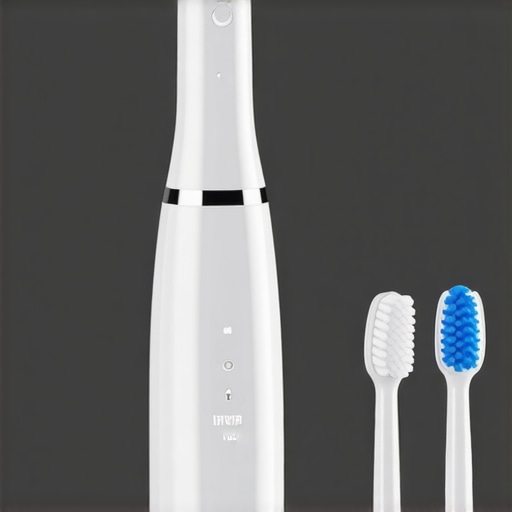
Image description:Close-up of an electric sonic toothbrush with various attachment heads, emphasizing advanced dental cleaning technology.
The Hardest Lesson I Learned About oral health,crowns,invisalign,family dentistry
One of the most profound lessons I discovered was that even a small, seemingly insignificant cavity can set off a chain reaction leading to costly, painful treatments. Neglecting these tiny issues early on often results in a false sense of security, which can be detrimental. I realized that proactive care isn’t just about fixing problems but about preventing them from ever occurring, saving you both time and money in the long run.
My Essential Toolkit for lifelong oral health
Over the years, I’ve come to rely on specific tools like a high-quality sonic toothbrush, interdental brushes for hard-to-reach areas, and professional-grade fluoride rinses. These have become my secret weapons against cavities and gum disease. Trust me, investing in these tools and learning how to use them properly can dramatically improve your dental longevity and protect any crowns or Invisalign treatments you have in place.
Let Your Smile Inspire Action Today
Remember, your dental health is an ongoing journey. By taking immediate steps like scheduling regular checkups and maintaining excellent oral hygiene, you’re making an investment in a brighter, healthier future. Don’t wait until discomfort or damage signals a problem—be proactive and enjoy the confidence that comes with a strong, beautiful smile. Share your experiences or questions below; we’re in this journey together to keep smiles dazzling for years to come!