
How to stop a small chip in your tooth from becoming a major crack
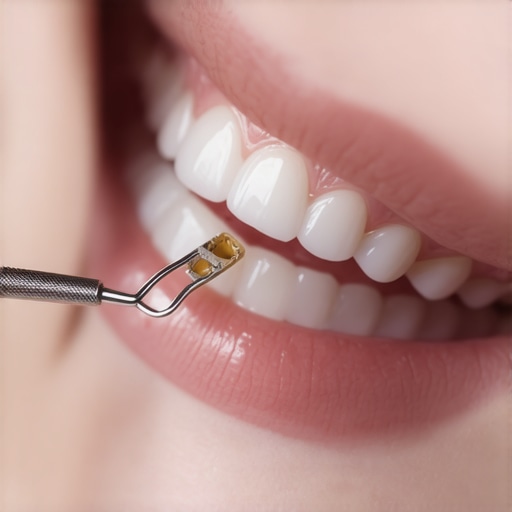
Ever had that sickening moment when you bite into something crunchy, and suddenly, you feel that tiny chip on your tooth? I remember the first time it happened to me—a small, seemingly harmless crack that quickly felt like a ticking time bomb in my mouth. At first, I brushed it off, thinking it was nothing special. But as days went by, that little chip started to bother me more and more. The fear of it turning into a full-blown crack kept me awake at night.
One evening, during a routine family dinner, I bit down and felt a sharp twinge—like a tiny knife stabbing through my molar. That was the lightbulb moment. I realized I needed to act fast. It’s incredible how a small chip can pose a big threat to your oral health if left untreated. Not only can it worsen over time, leading to painful cracks or even tooth loss, but it also opens the door to bacteria seeping into the vulnerable areas.
Today, I want to share the practical steps I’ve learned along the way to prevent that small chip from becoming a serious problem. Whether you’re dealing with a minor fracture or just worried about potential damage, understanding these local strategies can save you both pain and money. Think of it as a neighborly advice—warm, friendly, and practical.
Why Acting Quickly Matters When Your Tooth Gets Chipped
A tiny chip might seem insignificant, but it’s actually a critical moment for your dental health. When you chip a tooth, you create a rough edge or a weakened spot that can easily become a crack if not addressed promptly. The danger is that everyday activities like chewing, sneezing, or even jaw movements can cause that minor damage to expand into a major crack.
Studies show that even small chips can lead to tooth decay if bacteria infiltrate the damaged area. The National Institute of Dental and Craniofacial Research emphasizes that early intervention can significantly reduce the risk of extensive damage and costly repairs later on. That’s why my motto became: “When in doubt, see the dentist.”
Have you ever experienced that sudden tiny chip, and wondered if it was worth bothering about? You’re not alone. Many people underestimate a small chip’s potential to turn into a bigger problem. If that sounds familiar, don’t worry—you’re in the right place. Next, I’ll walk you through what you can do immediately after discovering a chip, and how to prevent it from escalating.
Let’s dive into the strategies that helped me, and could help you, preserve that precious smile.**Act Fast After the Chip**: As soon as you notice the chip, rinse your mouth with warm water to clean the area and remove any debris. Avoid biting down immediately to prevent further damage. I once cut my lip on a sharp edge from a chipped tooth, so I know firsthand how critical quick action is to reduce pain and avoid infection. Temporarily, you can cover the sharp area with dental wax or a piece of sugar-free gum to protect your tongue and cheek until you see a dentist. **Schedule a Dentist Appointment Promptly**: Don’t delay visiting your family dentist—delays can turn a small issue into a major problem. Use resources like [familydentistpro.com/contact-us](https://familydentistpro.com/contact-us) to book your visit swiftly. When you arrive, your dentist will assess whether a restorative procedure like bonding, a crown, or veneer is necessary. I remember bringing in my chipped tooth the next day, and my dentist used a composite resin to rebuild the chip; the process took about 30 minutes, restoring both function and appearance. **Temporary Measures to Protect Your Tooth**: While waiting for your appointment, avoid hard, sticky, or sugary foods that can exacerbate the chip. Stick to soft foods like yogurt or mashed potatoes. Over-the-counter pain relievers can reduce discomfort, but avoid using aspirin directly on the gum or tooth. If the chip causes persistent pain or a sensitivity to hot or cold, these are signs you need urgent care. **Prevention Tips to Avoid Future Damage**: Think of your teeth as delicate glassware—careful handling prevents shattering. Regularly practice good oral health habits by brushing twice daily with fluoride toothpaste and flossing to keep your enamel strong. Limit acidic and sugary drinks that weaken teeth, similar to how corrosive substances degrade metals. For ongoing protection, consider restorative options like dental crowns; consult with your dentist about what might work best for your unique needs. To learn more about these options, visit [familydentistpro.com/the-ultimate-guide-to-crowns-for-a-healthier-smile](https://familydentistpro.com/the-ultimate-guide-to-crowns-for-a-healthier-smile). Recognizing signs of potential damage early, such as rough edges or increasing sensitivity, helps you take decisive action before minor issues become costly repairs. Remember, quick, informed steps can save your smile and your wallet.Many patients believe that Invisalign is just a cosmetic alternative to traditional braces, but in reality, it offers significant functional benefits that go beyond appearance, such as improved oral hygiene thanks to removable aligners, which is often overlooked. Contrary to popular belief, crowns aren’t just for aesthetics; they play a crucial role in strengthening weakened teeth and restoring function, especially in cases of extensive decay or fractures. However, one common mistake is underestimating the importance of choosing an expert for crown placement, as improper fitting can lead to issues like microleakage, recurrent decay, or aesthetic mismatches. Visiting an experienced family dentist who specializes in crown placement ensures longevity and natural appearance, and you can learn more about making the right choice by checking this expert guide.
Many assume that maintaining oral health is just about brushing and flossing regularly. While essential, this overlooks the subtleties of bacterial biofilms and the importance of targeted cleanings, especially for those with existing restorations. Regular dental visits can reveal early signs of gum disease or decay before they become symptoms, a nuance many miss. Interestingly, some believe that family dentistry is only for children, but comprehensive family dental practices now incorporate advanced diagnostics to tailor preventive plans suitable for all ages, reducing the risk of serious issues down the line. To stay ahead of potential problems, it’s wise to consult with your family dentist periodically, and you can explore top oral health tips.
Another hidden nuance involves the misunderstanding around the longevity and maintenance of dental restorations. Many people think crowns can last forever with minimal care, but in truth, materials and individual habits influence their lifespan. For instance, habits like teeth grinding can accelerate crown wear or cause fractures. Avoiding hard foods and wearing a night guard if necessary can extend their life. Conversely, neglecting maintenance can lead to costly replacements earlier than expected. Recognizing these factors underscores the importance of personalized dental advice from your trusted family dentist. For further insight, consider reading about the hidden benefits of modern dental solutions.
Why do some patients struggle with maintaining long-term oral health even after professional advice?
It’s not enough to just follow standard routines; individual genetics, lifestyle choices, and specific oral conditions can create hidden hurdles. Recent research highlights that genetic predispositions, such as enamel strength or saliva composition, significantly affect susceptibility to decay or erosion, which many patients overlook. Additionally, daily habits like acidic beverage consumption or irregular dental check-ups can undermine even well-maintained oral care routines, emphasizing the need for tailored preventive strategies. Consulting with specialists who understand these nuances can make all the difference in sustaining a healthy smile over the years.
Understanding these hidden nuances and dispelling common myths is vital for making informed decisions about your dental health. Remember, a proactive approach and expert guidance can prevent minor issues from escalating into major problems. Have you ever fallen into this trap? Let me know in the comments.
Investing in Your Dental Toolkit for Longevity
Maintaining your dental health over time demands more than just routine brushing and flossing. Having the right tools can make a significant difference in preventing issues before they escalate. I personally rely on high-quality electric toothbrushes, like the Sonicare DiamondClean, because they offer superior plaque removal and gum stimulation, which is vital for preserving restorations and preventing decay around crowns and implants.
Beyond brushing, I recommend using interdental brushes—particularly those with tapered tips—for cleaning around crowns and Invisalign attachments. These tiny tools access hard-to-reach spots that standard floss might miss, ensuring bacteria don’t settle and cause future problems. For at-home whitening or veneer maintenance, I swear by non-abrasive, peroxide-based whitening gels. They are gentle yet effective, helping maintain that bright, healthy smile without risking damage to delicate restorations.
Software and Tech for Staying on Top of Oral Health
Modern dentistry isn’t just about tools—software plays a crucial role. Apps like MySmileSoft sync with dental devices and allow tracking of oral hygiene habits. Personally, I use a dental app that reminds me to change my Invisalign trays and schedule routine checkups. These digital solutions reduce the margin for error, helping me stay consistent and proactive. Additionally, digital intraoral scanners have revolutionized how we monitor restorations and detect micro-cracks early, as highlighted by the American Association of Orthodontists.
Looking to the future, integrating AI-driven diagnostics and remote monitoring will further personalize dental care, enabling earlier interventions and longer-lasting results. Imagine receiving real-time alerts about potential issues before you even feel any discomfort—this is the direction dentistry is heading.
How do I keep my dental restorations in peak condition long-term?
Long-term maintenance of crowns, Invisalign, or other restorations hinges on consistent care and professional oversight. Regular checkups every six months are vital, as they allow your dentist to detect early signs of wear or microleakage—small gaps that might let bacteria in, possibly leading to decay or crown failure. I also make it a habit to rinse with an antibacterial mouthwash after meals to neutralize acids and remove residual debris, protecting both natural teeth and restorations.
Additional measures include avoiding biting into very hard foods like ice or nuts that could chip crowns or dislodge Invisalign attachments prematurely. Using a night guard if you grind your teeth prevents undue stress on restorations—an insightful strategy supported by dental research (see more about Invisalign innovations).
Finally, consider periodic professional polishing to remove plaque buildup and surface stains. This not only enhances aesthetics but also prolongs the life of your restorations. Staying vigilant and equipped with these tools and habits ensures that your investment in dental work pays off for many years to come. Make it a point to try a high-quality interdental brush today—it’s a simple upgrade with immediate benefits.
Lessons I Learned Between the Lines of Family Dentistry
One of the biggest eye-openers was realizing that small fixes like a chipped tooth aren’t just cosmetic—they’re gateways to larger issues. Addressing them promptly can save you from painful repairs down the road.
I also discovered that not all dental materials are created equal. Choosing the right crown or veneer isn’t just about looks; it’s about durability and how it interacts with your lifestyle. Trusting an expert who understands these nuances made all the difference for my long-term health.
Another insight was understanding the power of preventive care. Regular check-ups and targeted cleanings, tailored to my unique oral setup, prevented many problems before they even showed symptoms. This proactive approach transformed how I view dental health from reactive to truly preventative.
Lastly, I learned that staying informed about new technology, like digital scans or AI diagnostics, empowers me to take charge of my oral health journey. Being part of this evolving landscape means better care, faster responses, and a more confident smile.