
The easiest way to floss when you have a permanent dental bridge
I’ll never forget the day I realized I had been neglecting a crucial part of my dental routine—flossing around my permanent dental bridge. Initially, I thought brushing twice a day was enough to keep my smile healthy. But one morning, I noticed a small amount of bleeding when I rinsed, and that lightbulb moment hit me hard. Why was my dental hygiene suddenly more complicated than I expected? I knew I wasn’t alone in this struggle—many people with dental bridges face a similar challenge of maintaining swoon-worthy oral health without the hassle. So, I made it my mission to find out the easiest way to floss when you have a permanent dental bridge. Today, I want to share my journey and offer practical tips to help you master this essential aspect of your oral hygiene routine. If you’ve ever felt overwhelmed by how to floss effectively around a bridge, you’re not alone. This guide will walk you through straightforward, proven methods that make flossing less daunting and more effective, helping you prevent decay and gum disease. Because, let’s be honest, no one wants to face unnecessary dental issues down the line just because they didn’t know the simplest tricks. Ready to reclaim your confidence in your flossing routine? Let’s dive in!
Prepare Your Flossing Tools
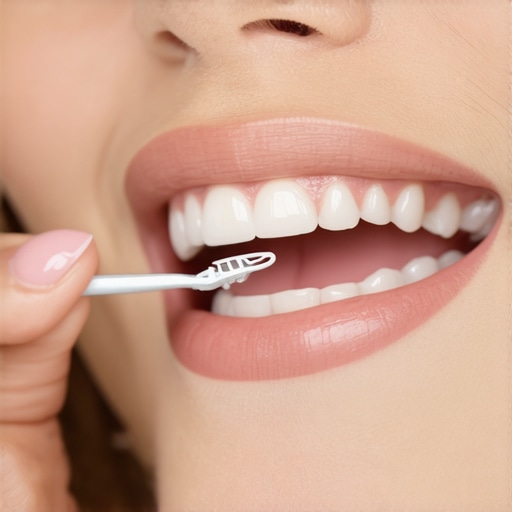
Begin with the right floss—waxed dental floss is often easier to maneuver around bridges. Use a floss threader, which acts like a tiny umbrella, guiding the floss under the bridge seamlessly. I remember the first time I used a floss threader; it looked awkward, but it made a huge difference in accessing difficult areas.
Position the Floss Correctly
Insert the floss into the loop of the floss threader, then gently guide it beneath the bridge, ensuring the floss reaches the gum line on both sides. Think of it like threading a needle carefully through fabric without tearing it—patience is key. Once in place, grip the floss firmly on both ends.
Use a ‘C-Shaping’ Motion
Wrap the floss around each tooth in a gentle ‘C’ shape to clean the sides effectively. Move the floss up and down gently to remove plaque without damaging the gums. I once hurried and used too much force; it caused slight bleeding, reminding me why gentle motions are essential.
Focus on Each Side Carefully
Work on one area at a time, making sure to clean both the tooth and the abutment of the bridge. Especially around the margins, plaque can hide, so spend extra seconds there. Visualize a tiny sweep—like a painter carefully navigating around delicate edges.
Address the Hard-to-Reach Spots
For tight spaces, switch to interdental brushes or soft picks designed for bridges. These tools can access areas floss might miss. I remember fumbling with one, but after a few tries, I found that gentle wiggling cleared debris without discomfort.
Finish and Rinse
After flossing all areas, rinse your mouth thoroughly with water or an antiseptic mouthwash to flush out loosened plaque and debris. Consistent rinsing leaves your mouth feeling fresh and healthy, boosting your confidence that your bridge remains clean.
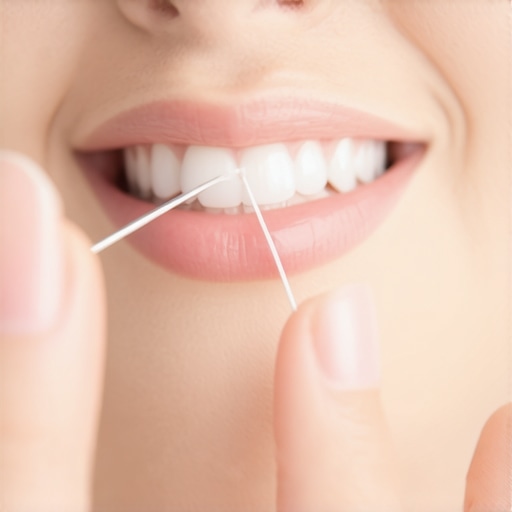
Image showing step-by-step flossing process around a dental bridge using floss threader.
Maintain Regular Routine
Incorporate this flossing method into your daily oral hygiene to prevent decay and gum disease around your bridge. Remember, patience and consistency are your best allies in keeping that smile bright and healthy. If you have questions about the best techniques or tools, consider consulting your family dentist or exploring options like crowns and veneers to reinforce your dental health journey.
Many patients believe they understand the basics of dental care, but in reality, common misconceptions and overlooked nuances can significantly impact long-term oral health. For example, it’s a widespread myth that crowns are impervious to decay. In truth, improper hygiene around crowns, especially if you overlook the margins where the crown meets the gum, can lead to secondary decay, ultimately compromising the restoration’s lifespan. This nuance emphasizes the importance of meticulous cleaning, particularly in the areas adjacent to your crowns. Additionally, there’s often confusion about the role of family dentistry. Many think it’s merely about routine check-ups, but modern family dentists utilize advanced diagnostics and personalized preventive strategies that can detect issues before they escalate. For instance, early identification of enamel erosion or gum disease can prevent costly treatments later. When it comes to oral health myths, a prevalent one is that flossing isn’t crucial if you’re diligent with brushing. However, research shows that flossing reduces plaque buildup significantly in interdental areas neglected by brushing alone, preventing cavities and gum disease. Consider the advanced mistake of ignoring the benefits of Invisalign. Some believe it takes longer than traditional braces, but recent studies highlight Invisalign’s capacity for faster results in many cases, coupled with greater comfort and discreetness. Have you ever fallen into this trap? Let me know in the comments. From an expert perspective, understanding the subtle differences in materials—like the composite versus porcelain options for restorations—can influence your decision-making process. Porcelain crowns, for instance, offer superior aesthetics and durability, but they require precise placement to avoid issues like dark lines at the gum line, which can be mitigated by choosing the right lab and technique. For further insights into selecting the appropriate crown, explore our guide on crowns for a healthier smile. Focusing on proper hygiene practices around dental implants is equally critical. Many assume implants are maintenance-free, but neglecting to clean around the abutment can lead to peri-implantitis, a condition similar to gum disease. Regular, targeted cleaning and professional check-ups are essential. Interestingly, some overlook the importance of continuous education—advanced dental techniques and materials evolve rapidly, and staying informed can help you make better choices. For example, innovations in Invisalign have expanded their benefits beyond aesthetics, including improvements in compliance and treatment planning, as detailed in Invisalign innovations. Ultimately, mastering these nuances empowers you to maintain optimal oral health, extend the lifespan of restorations, and choose treatments that truly match your lifestyle and needs. Next time you visit your dentist, consider discussing these advanced aspects to ensure your care goes beyond the basics. Remember, a knowledgeable patient is an empowered one—so keep asking questions and stay informed.Maintaining your crowns, bridges, and Invisalign appliances requires more than just daily brushing and flossing; it involves the right tools, consistent routines, and an understanding of future trends in dental technology. Personally, I swear by electric water flossers like the Waterpik Sonic-Fusion, which combines flossing and water-based cleaning in one device. Its pulsating water stream effectively reaches under bridges and around crowns, cleaning areas traditional floss struggles with. I found that investing in a high-quality ultrasonic scaler for professional cleanings helps remove stubborn plaque and tartar, prolonging the lifespan of restorations. Regular maintenance with these tools ensures your dental work stays intact and functions optimally for years. As dental materials evolve, future trends are heading toward smart devices that sync with smartphone apps, providing real-time feedback on your oral hygiene habits. These innovations will empower us to monitor our oral health proactively and catch issues early. How do I maintain crowns and Invisalign appliances over time? The key is consistency combined with the right equipment. Using specialized tools like interdental brushes for tight spaces and antimicrobial rinses can greatly improve long-term results. For example, selecting a brush with ultra-soft bristles prevents damage to delicate restorations while providing thorough cleaning. Incorporating an oral irrigator into your routine has been a game-changer for me; it ensures that hard-to-reach areas are free of debris, preventing decay and gum disease. Additionally, scheduling regular professional check-ups enables your dentist to spot and address any wear or damage early, often saving you from costly replacements later. Looking ahead, advancements such as AI-driven diagnostics and 3D-printed crowns tailored perfectly to your anatomy will make maintenance even more efficient and personalized. If you want to explore these cutting-edge options further, check out our insights on how to choose lasting crowns. To truly benefit, I recommend trying an ultrasonic scaler during your next cleaning—it’s proven to extend the life of restorations and keep your smile shining brightest. Remember, proactive maintenance with the right tools not only preserves your dental investments but also enhances your confidence in everyday life.
What No One Tells You About Flossing Around Dental Restorations
My biggest realization was that even routine tasks like flossing require a nuanced approach when you have a dental bridge. I learned that rushing through or skipping gentle techniques can cause minor injuries or, worse, compromise the restoration. The lightbulb moment came when I discovered that tailored tools and patience are your greatest allies in maintaining long-term oral health around bridges.
Tools That Made a Difference in My Dental Care Routine
Personally, I swear by using a waxed dental floss combined with a floss threader; it’s a game-changer for accessing hard-to-reach areas. An interdental brush designed for bridges adds another layer of defense, helping me clean stubborn spots without damaging the surrounding gums. These tools have become staples because they make my routine efficient and less stressful.
Realizing the Power of Consistency and Gentle Care
One lesson I’ll never forget is that gentle, consistent cleaning surpasses aggressive efforts; my gums healed faster once I adopted this mindset. It’s tempting to rush, but patience yields better results — healthier gums and a longer-lasting bridge. This insight transformed my daily routine into a mindful practice rather than a chore.
Why Ignoring the Details Can Cost You
Overlooking small spots or neglecting the margins around your crowns and bridges can lead to hidden plaque buildup and potential decay. I learned the hard way that regular professional check-ups, alongside daily gentle flossing, are essential for catching issues early. Staying informed about best practices has helped me prevent costly repairs and maintain my confidence in smiling openly.
Embracing Advanced Techniques for Stress-Free Flossing
Recently, I adopted ultrasonic water flossers, which gently blast away debris in tricky areas and have significantly reduced my flossing time. These gadgets, combined with routine visits to an experienced family dentist, keep my dental work in top shape. Staying ahead with these modern tools ensures my smile stays vibrant and healthy for years to come.