
How to stop your bottom teeth from shifting after braces
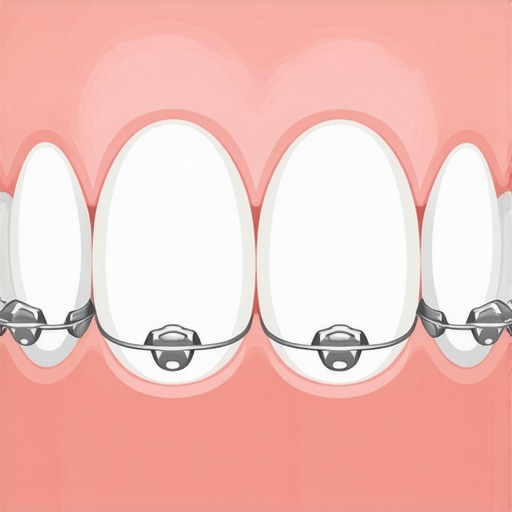
Ever had that sinking feeling when you notice your bottom teeth starting to drift out of place just months after your braces came off? I remember the moment vividly—one morning, I smiled in the mirror, and suddenly, it was as if my teeth had decided to go their own way. It’s frustrating, disheartening, and honestly, a little scary.
Dealing with Teeth That Want to Shift Back
That realization was a lightbulb moment for me. I had worked so hard to straighten my teeth, and now, I was risking losing all that progress. If you’re reading this, chances are you’ve felt the same flutter of anxiety—wondering if those tiny movements will undo everything your braces achieved.
Luckily, I found some effective strategies that can help stabilize your smile and prevent your teeth from shifting again. Today, I’m going to share what I learned from personal experience and trusted dental advice, so you can keep that perfect alignment once and for all.
Why is it so common for teeth to shift after braces?
It turns out, teeth naturally want to move back to their original positions over time—especially if you don’t give them some extra support. According to the American Association of Orthodontists, about 50-70% of patients experience some degree of post-braces teeth movement without the proper retainers or follow-up care. That’s a huge chunk, and it’s something I wish I’d known earlier.
One mistake I made initially was neglecting to wear my retainers consistently. I thought a few nights off wouldn’t matter, but it did. The subtle drift began quietly, almost unnoticed until I saw the picture where my bottom teeth looked a little off-centre. That’s when I realized, maintaining alignment is an ongoing process, not just a one-time event.
If you’re wondering whether your own teeth are at risk, or if you’ve already noticed some movement, don’t panic. Help is available, and it starts with understanding why your teeth can shift—and what you can do about it. So let’s dive into practical ways to keep your smile straight and confident for years to come.
Before that, if you’re considering additional options like crowns or need personalized advice, check out this guide on crowns to know more about restoration choices.
Get Serious About Retainers
The first step I took was revisiting my retainers. Think of your retainers as the anchor keeping your teeth in place, much like a captain juggles multiple ropes to secure a sail. I made it a habit to wear mine every night without fail, setting a reminder on my phone. One particular night, I caught myself about to skip wearing my retainer and instantly reminded myself of that moment when my teeth started to drift. Consistent use is vital; missing even a few nights can give teeth the opportunity to shift. For more insights, check how Invisalign enhances post-braces stability.
Assess Your Oral Habits
Eliminate Harmful Habits
Biting nails, chewing on pens, or grinding teeth—these habits exert unnatural pressure on your teeth, encouraging movement. I realized I had a habit of chewing ice, which I replaced with something safer like sugar-free gum. Using an electric toothbrush properly also plays a role; aggressive brushing can loosen teeth’s positioning. Remember, gentle, circular motions are better for long-term stability. Want tips on proper brushing? Visit family dentistry best practices.
Maintain Optimal Oral Hygiene
Clear, healthy gums support teeth integrity. I adopted a routine that included flossing daily and using antiseptic mouthwash. Flossing isn’t just about removing plaque; it also signals your gums and bones to stay healthy, preventing shifting caused by periodontal issues. Regular checkups are essential too; I schedule appointments twice a year to catch any early signs of movement or decay. For in-depth tips, explore top oral health techniques.
Seek Professional Guidance When in Doubt
If you notice your teeth feeling loose or shifting despite your efforts, don’t hesitate to consult your dentist promptly. Specialized procedures like crowns can reinforce weak teeth and keep your smile aligned. Crowns serve as a durable shield, akin to installing a new bumper on a car after a minor dent. When considering restorative options, see this comprehensive crown guide. Professional intervention ensures your smile remains straight and healthy over the long haul.
Add Reinforcements with Night Guards
For those who grind or clench at night, wearing a custom night guard can prevent undue pressure on teeth, much like insuring a delicate piece of machinery. I found relief using a custom-fitted guard, which my dentist arranged after a quick evaluation. This step prevented my teeth from shifting due to nocturnal habits, especially during stressful times. Discuss options with your family dentist, and learn more about how modern devices are shaping oral health.
Evaluate and Adjust Regularly
Teeth can be unpredictable; what works today might need tweaking tomorrow. I kept a simple journal of any noticeable changes and scheduled follow-up visits accordingly. Regular monitoring allows quick intervention, whether tweaking a retainer or addressing new habits. Remember, maintaining alignment is an ongoing process—think of it like tuning a musical instrument to keep the perfect pitch.
Many people believe they understand the basic benefits of Invisalign, crowns, or routine family dental care, but there’s a lot more beneath the surface that can trip up even the well-informed. One widespread misconception is that Invisalign trays are solely for cosmetic alignment, when in reality, modern advancements make them also excellent for addressing functional issues like bite correction and jaw problems, as highlighted in recent studies on orthodontic biomechanics. Moreover, a common trap is assuming all crowns are alike; what many overlook is that the choice between different crown materials and techniques significantly impacts longevity and oral health, especially if you consider the nuanced differences explained in comprehensive guides on crowns versus veneers.
Are All Dental Crowns Created Equal, or Is There a Hidden Factor?
Many patients think that opting for the cheapest crown guarantees savings, but in my experience, this can backfire due to differing material qualities and the expertise required for optimal placement. For instance, porcelain-fused-to-metal crowns might be affordable upfront but may cause issues like metal visibility over time, whereas full-ceramic crowns offer superior esthetics but require precise bonding techniques. An often-overlooked aspect is the importance of selecting a skilled restorative dentist—this decision can dramatically affect the crown’s durability and how it impacts your surrounding tissue. To make informed choices, I recommend exploring detailed resources like this guide on crowns.
In the realm of family dentistry, many assume that routine cleanings and advice are enough for lifelong oral health. While foundational, this mindset neglects the critical role of personalized assessments that catch subtle early signs of problems—like minor gum receding or bite issues—that, if unaddressed, can evolve into more serious conditions. Overlooking these nuances is a common pitfall; proactive, tailored care from your dentist ensures issues are managed before they escalate. I advise staying informed through expert-recommended practices outlined in this resource to optimize your family’s oral health strategies.
How do I maintain my smile over time? A closer look at effective tools and methods
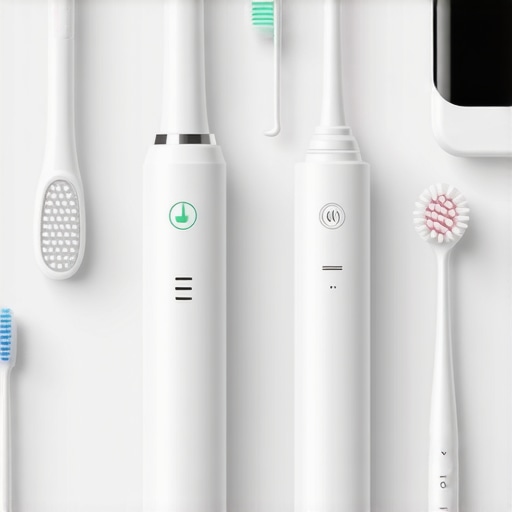
Keeping your dental work functioning smoothly and your smile bright requires the right equipment and consistent routines. One indispensable tool I rely on is a high-quality electric toothbrush, such as the Oral-B iO series. Its oscillating-rotating technology provides superior plaque removal, especially around crowns and implants, reducing the risk of decay that can threaten long-term restorations. Plus, the built-in pressure sensor prevents you from brushing too hard, which can damage delicate tissues and compromise your dental work.
For areas that are hard to reach, I recommend a water flosser like the Waterpik Ultra. It enhances interdental cleaning by flushing out debris that traditional floss might miss, particularly around crowns and bridges. Regular flossing remains essential, but combining it with a water flosser boosts overall effectiveness, maintaining periodontal health and preventing shifting or loosening of dental restorations.
In addition to physical tools, I incorporate professional-grade mouthwashes that contain chlorhexidine for targeted antimicrobial action, especially during recovery phases post-procedure. These help control bacterial buildup without damaging restorative materials, which can happen with some harsh antiseptics.
Embracing modern software like intraoral scanning apps allows me to monitor my oral health visually over time. Some practices now offer patient portals with 3D imaging, making it easier to spot early signs of wear or problems that could jeopardize your investment in a beautiful smile. Scheduling quarterly check-ins with your dentist for digital assessments ensures that minor issues are addressed before escalating into expensive repairs.
Looking ahead, I believe trends like AI-powered diagnostics and personalized oral health plans will become standard, making maintenance even more tailored and precise. These innovations could help detect early signs of wear or disease before symptoms even appear, preserving your smile longer.
Want to keep your dental restorations in top shape? Try integrating a water flosser into your daily routine. It’s a game-changer for long-term stability and health.
Remember, consistent use of these tools, paired with professional guidance, will ensure your smile remains as stunning and functional as the day you achieved it. For more expert insights, check out this guide on crowns and discover how to maximize their lifespan.
Stay proactive and invest in the right tools now—your future self will thank you!
My Unforgettable Wake-Up Call About Smile Longevity
One morning, I looked in the mirror and saw my teeth subtly shifting, even after all the effort with braces. That moment taught me the importance of ongoing care and vigilance, turning what felt like a setback into a catalyst for better habits. If you’re in the same boat, understanding the nuances of post-treatment maintenance can make all the difference between a fleeting fix and a lifelong confident smile.
Lessons I Wish I Had Embraced Earlier
- Retainers Aren’t Just for the First Year: I realized that consistent retainer use is the backbone of lasting alignment. Skipping nights can undo months of work in days.
- Habits Have Power: Nail-biting, ice-chewing, and even aggressive brushing can jeopardize your smile’s stability. Small adjustments in daily routines yield big results.
- Personalized Professional Guidance Matters: Regular check-ins with your dentist help catch subtle shifts before they become major problems, much like tuning an instrument.
Tools and Resources I Trust for a Durable Smile
- High-Quality Electric Toothbrushes: Devices like the Oral-B iO ensure thorough cleaning without damaging delicate restorations or gums.
- Water Flossers: Incorporating tools like the Waterpik Ultra enhances interdental cleaning, especially around crowns and bridges, helping prevent shifts caused by plaque buildup.
- Educational Guides and Expert Content: My go-to is the comprehensive resource on crowns. They provide insights into material choices and longevity tips that I’ve found invaluable.
- Innovative Monitoring: Digital intraoral scans and patient portals allow me to track my oral health journey, catching issues early and maintaining peace of mind.
Your Journey Starts Now—Invest in Your Future Smile
Maintaining a perfect, lasting smile isn’t a one-time effort; it’s a lifestyle choice. Embrace consistent routines, leverage modern tools, and stay informed through trusted sources to ensure your teeth stay as beautiful and functional as ever. Remember, your future self will thank you for taking proactive steps today. How are you planning to integrate these habits into your daily routine? Let me know below and start your journey toward a resilient, confident smile.