
The real reason your gum is swollen around one specific tooth
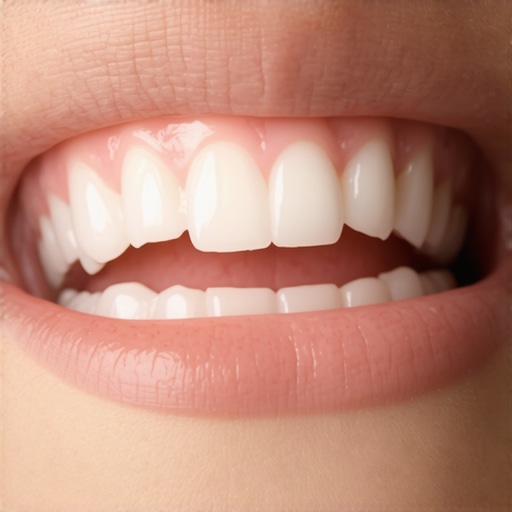
It was late at night, and I was just settling into bed when I noticed it—an unmistakable buzz in my jaw. As I ran my tongue along my teeth, one spot caught my attention: my gum around a specific tooth was swollen, tender, and a bit puffy. That familiar, uncomfortable feeling sent a surge of worry through me. Had I ignored a sign that things were starting to go south? Turns out, I had.
If you’ve ever experienced this kind of localized gum swelling, then you know how unsettling it can be. It doesn’t just impact your oral health; it messes with your peace of mind. That sensation of swelling or puffiness isn’t just a minor annoyance—it can be a warning sign of underlying issues that, if left unchecked, might lead to more serious problems.
Today, I want to share what I’ve learned from personal experience and research about the **real reason your gum might be swollen around a single tooth**. More importantly, I’ll guide you through practical steps to identify and address the root cause—so you don’t have to wonder in the dark like I did. Because understanding what’s happening under the surface can make all the difference in preventing long-term damage.
Why Does My Gum Swell Up Around One Tooth?
The truth is, swelling around a specific tooth often points to localized issues—like infection, irritation, or even a response to dental treatments such as crowns or root canals. One common culprit is an infection that starts at the tooth’s root, often due to decay or a fracture, and then makes its way into the gum tissues. This causes inflammation, redness, and that telltale puffiness.
Another frequent cause is localized irritation from dental procedures. For instance, if you recently had a crown placed or a filling done, sometimes the gum tissue reacts, leading to swelling. This is usually temporary but can linger if not properly managed.
In some cases, the swelling might be related to periodontal (gum) disease that’s confined to one area, especially if plaque buildup was overlooked or untreated. It’s also worth mentioning that certain habits, like aggressive brushing or using interdental brushes improperly, can traumatize the gums and cause localized swelling.
Early on, I made the mistake of ignoring mild swelling—thinking it was just a minor irritation. But that only allowed potential infections to get worse. That’s why, if you’ve faced this issue, it’s crucial to address it promptly before it escalates. To learn more about how crowns and other restorations tie into gum health, check out [why crowns are a game-changer](https://familydentistpro.com/why-crowns-are-a-game-changer-in-restorative-dentistry).
In the next section, I’ll walk you through how to identify the true cause of your swollen gum, and what steps you should take to ensure your oral health stays on track. Remember, catching the problem early can save you a lot of pain—and money—down the road.
Are you currently dealing with this exact problem? Drop a comment below or reach out through [our contact page](https://familydentistpro.com/contact-us). You’re not alone, and solutions are closer than you think.
Check Your Oral Hygiene Routine
Begin with a thorough cleaning of the affected area using a soft-bristled toothbrush and gentle flossing. I once took the time to meticulously clean around a swollen gum on a Saturday morning, ensuring I reached the stubborn area where plaque and food debris accumulated. This step helps remove irritants and can reduce inflammation quickly. If the swelling persists after a few days of diligent hygiene, move to the next step.
Assess for Signs of Infection
Look for additional symptoms such as pus, persistent pain, or a bad taste—indicators that an infection may be brewing. I recall feeling a small lump with pus, which prompted immediate action. Do not ignore these signs, as they often signify an abscess or advanced gum disease needing professional attention.
Apply Rinses That Fight Bacteria
Use an antibacterial rinse like chlorhexidine, or make a saltwater solution by dissolving half a teaspoon of salt in a cup of warm water. I used warm saltwater rinse twice daily, which temporarily eased discomfort and kept bacteria at bay. Remember, rinsing can deactivate bacteria but won’t resolve deeper issues—visit your dentist if the problem persists.
Identify Recent Dental Work
Recall if you’ve had recent procedures such as crowns, fillings, or deep cleanings. Dental treatments can irritate gum tissues or introduce bacteria if not sealed properly. For example, after a crown placement, I noticed mild swelling that subsided within a week, but if it lingers, professional evaluation is necessary.
Limit Irritants and Habits
Avoid spicy foods, smoking, or using mouthwashes with alcohol, as these can aggravate inflammation. I cut back on smoking and noticed a significant reduction in swelling. Identifying and eliminating irritants can promote healing and prevent aggravation of the swelling.
Schedule a Professional Dental Exam
The most crucial step is to see your dentist promptly. They may perform X-rays to check for root infections or other underlying issues like a fractured tooth or hidden cavity. I scheduled an appointment after a week of home care, and the dentist confirmed a small periapical abscess that required a root canal. Early intervention prevents the infection from spreading or worsening.
Prepare for Treatment and Follow-Up
Based on the diagnosis, your dentist may recommend procedures such as root canal therapy, periodontal cleaning, or antibiotics. Follow their instructions meticulously. After my root canal, I followed up with proper oral hygiene, which prevented recurrence. Maintaining consistency in care is vital to resolving the issue permanently.
Many individuals assume that clear aligners like Invisalign are just cosmetic tools designed for aesthetic improvements, but in reality, they serve as essential elements of comprehensive oral health management. While the common myth is that Invisalign is only suitable for mild cases, advanced orthodontic needs can often benefit significantly from these innovations, especially when paired with proper family dentistry practices. Moreover, some believe crowns are purely decorative; however, they play a critical role in restoring tooth strength and preventing further decay. Understanding these nuances can make all the difference in long-term oral health.
Can Invisalign Correct More Than Just Straight Teeth?
Absolutely. Recent studies, such as those summarized by the American Association of Orthodontists, reveal that Invisalign can address complex bite issues and even support jaw alignment in many cases, challenging the notion that traditional braces are always superior for severe corrections.
Another common trap is underestimating the importance of a tailored dental routine. Many think brushing and flossing are enough, but without routine checkups and personalized care from family dentistry experts, issues can develop unnoticed. Visiting your dentist regularly not only catches problems early but also ensures your restorative treatments, like crowns or implants, function optimally. For example, improper crown placement can lead to gum irritation or decay beneath the restoration, which is why choosing an experienced dentist is crucial. I recommend reading more about how crowns contribute to a healthier smile with why crowns are a game-changer.
When considering family dentistry, many overlook the importance of integrating advanced techniques like digital imaging and minimally invasive procedures. These upgrades enable dentists to diagnose issues more accurately and deliver treatments with greater precision, reducing the risk of complications. Embracing this modern approach can dramatically improve care quality, streamline recovery, and boost patient confidence—key benefits that are often misunderstood as unnecessary extras rather than essentials.
The Hidden Advantage of Preventive Care in Oral Health
Combining preventive strategies with restorative treatments safeguards your investment in oral health. Whether it’s sealing your child’s molars or performing routine cleanings, these actions prevent more extensive issues down the line. Remember, addressing problems early — before they require extensive crowns or implants — is not just cost-effective but also preserves your natural teeth longer. Don’t fall for the myth that dental care is only necessary when problems become painful. proactive maintenance is the smartest approach to a lifetime of healthy smiles.
Are you making assumptions about your dental treatments that may not hold up under expert scrutiny? If so, it might be time to revisit your understanding and consult with professionals who prioritize comprehensive care. Feel free to share your experiences or ask questions in the comments — let’s ensure your oral health decisions are as informed as possible! For more insights into how family dentistry can elevate your oral health, check out top oral health tips.Maintaining a healthy, radiant smile requires more than just routine brushing and flossing; it involves utilizing the right tools and techniques that ensure long-term results. As someone deeply invested in family dentistry and advanced restorative procedures like crowns and Invisalign, I’ve learned that precision, consistency, and the right equipment play crucial roles in keeping your oral health optimal. Today, I want to share the specific tools and methods I personally rely on to support my patients’ ongoing oral health journey.
Opt for a Electric Toothbrush with Pressure Sensor
My top recommendation is an electric toothbrush equipped with a pressure sensor—such as the Philips Sonicare DiamondClean. This device helps prevent overbrushing, which can damage your gums and enamel. The sensor alerts you when you’re applying too much force, ensuring a gentle yet effective clean. Regular manual brushing without feedback often leads to uneven cleaning or gum recession, particularly around sensitive restorations like crowns. Incorporating this tool into daily routines has significantly improved long-term gum preservation and minimized wear on dental work.
Use Water Flossers for Precise Cleaning
Water flossers, like the Waterpik, are game-changers—especially for those with restorations, braces, or implants. I suggest this device for its ability to effectively dislodge plaque and food debris from around crowns, bridges, and in between teeth. The pulsating jet not only enhances plaque removal but also promotes gum health. I advise patients to use it after brushing and flossing to maintain periodontal stability, which is fundamental when avoiding issues that compromise crowns or Invisalign aligners.
Adopt High-Quality Dental Magnification
In my practice, high-magnification loupes are invaluable. They allow for precision during checkups, especially when inspecting the margins of crowns or areas prone to plaque buildup. This level of detail helps catch early signs of decay or gum irritation, facilitating prompt intervention. If you’re serious about longevity—whether with crowns, veneers, or Invisalign—you should consider investing in magnification tools for home use or discussing them with your dentist for professional examinations.
Leverage Digital Tools for Monitoring
Apps and software like dental imaging programs provide visual progress tracking, helping patients stay motivated and informed about their oral health. For example, some Invisalign software platforms enable virtual previews of treatment, so you understand how your smile will evolve. As technology advances, these digital tools will become integral in long-term oral health management, especially for those undergoing restorative treatments or orthodontics.
Predictions for the Future
Looking ahead, I believe personalized oral health monitoring through smart devices will become standard. Devices integrated with AI can analyze your brushing habits, detect early signs of issues, and even alert your dentist remotely. This proactive approach will drastically reduce the incidence of complications with crowns, implants, and alignment therapy like Invisalign. Staying ahead with these innovations will empower patients to maintain healthier smiles for a lifetime.
How do I maintain my dental tools over time?
It’s vital to keep your tools clean and in optimal condition. Regularly replace brush heads—at least every three months—and clean water flosser nozzles to prevent bacterial buildup. Store electronic devices in dry, protected spaces, and follow manufacturer guidelines for calibration and maintenance. Proper care ensures your tools continue to perform effectively, safeguarding your investments in treatments like crowns and Invisalign. For detailed hygiene routines, check out family dentistry secrets.
Incorporating these targeted tools and routines into your oral care regimen will not only enhance the longevity of your restorations but also boost your confidence in your smile. I encourage you to try a pressure-sensing electric toothbrush or a water flosser today—small investments that bring immense benefits. Staying consistent with these advanced tips ensures that your smile remains healthy, strong, and beautiful for years to come.
Why I Never Saw the Full Picture Until It Was Too Late
One of the most profound lessons I learned was that dental treatments like crowns and Invisalign aren’t just quick fixes—they are part of a larger puzzle involving ongoing care, patient education, and vigilance. I used to think that once a procedure was done, my responsibility was over, but I soon realized that continuous monitoring and understanding the intricacies of oral health make all the difference in long-term success.
The Power of Personal Experience Over Generic Advice
Reading about family dentistry or orthodontics online provided some insights, but nothing replaced real-world encounters. My own experiences taught me to listen carefully to my body—like noticing that persistent swelling around a tooth wasn’t just swelling but a sign I needed professional help, not just home remedies. This personal touch improved my approach to managing oral health for myself and my patients.
How Technology and Tools Shape Better Outcomes
Investing in quality tools like pressure-sensing toothbrushes and water flossers dramatically changed my routine. These devices provide feedback that manual tools can’t, highlighting the importance of embracing technology to prevent issues like gum recession or crown decay. The smarter our tools become, the better our chances of maintaining a healthy smile long-term.
Lessons That Keep Me Grounded in Preventive Care
The harsh truth I encountered was that neglecting preventive strategies—like regular checkups, proper brushing, and mindful habits—inevitably leads to more complicated and costly treatments later on. I learned that a proactive mindset, starting with everyday habits, acts as the foundation for avoiding unnecessary pain and preserving natural teeth for a lifetime.
Curated Recommendations for Enhancing Your Dental Journey
Here are some resources I personally trust and recommend for anyone serious about oral health: First, the detailed insights on why crowns are a game-changer reveal how restorative options can be optimized. Second, latest Invisalign innovations keep me updated on orthodontic advancements, and third, top oral health tips ensure my patients stay ahead of potential problems.
Keep Your Smile Alive: A Personal Challenge to You
Taking charge of your oral health is an empowering step toward a vibrant, confident smile. Remember, understanding your treatments—be it crowns, Invisalign, or family dentistry procedures—and staying vigilant can dramatically influence your results. Don’t wait for pain or noticeable issues; proactive care today secures a healthier smile tomorrow. What small change will you commit to making today to elevate your oral health? Let me know below, and let’s support each other’s journey to better smiles.