
How to stop your gums from receding without surgery
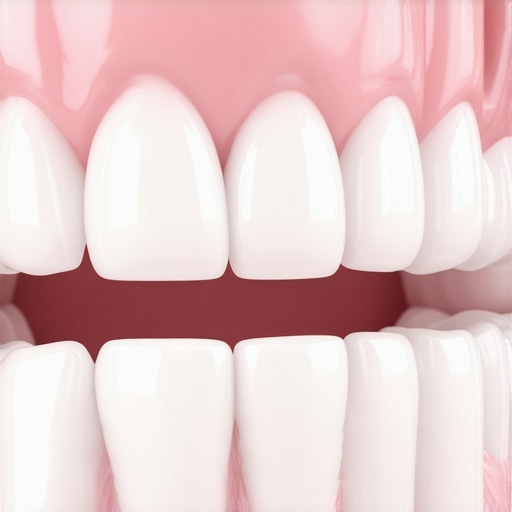
I’ll never forget the day I finally looked in the mirror and noticed my gums subtly pulling away from my teeth. It was a lightbulb moment that made me realize I wasn’t alone in this struggle. Gums receding can feel sneaky—like it’s happening in slow motion, but the damage is real. It’s a warning sign that something’s off, and trust me, ignoring it only makes things worse.
Why Gum Recession Can Be a Wake-Up Call for Your Oral Health
Receding gums might seem cosmetic at first, but they often signal deeper issues like gum disease or aggressive brushing. The worst part? Once gums start to recede, they don’t grow back on their own, and surgery seems inevitable—unless you catch it early. But what if I told you that significant improvement is possible without heading straight to the dental chair? That’s what I wanted to find out, and after plenty of research and trial-and-error, I discovered effective, natural methods that really work. Maintaining modern oral health techniques are key to preventing recession and even reversing some early signs, but they require a little effort and knowledge.
Is Fixing Receding Gums Without Surgery Just a Fluke?
Let me be honest: early on, I made a mistake that almost cost me my gums—using harsh flossing techniques that tore my delicate tissue. I thought more aggressive cleaning meant healthier teeth, but I was actually doing the opposite. That mistake taught me a valuable lesson: gentle, correct practices matter. Now, I want to share what I’ve learned so you can avoid the same pitfalls and protect your smile.
If you’ve noticed your gums pulling away or feeling sensitive, don’t wait. There are natural ways to support gum health and prevent further recession. Stay tuned—I’m going to walk you through proven strategies to help you reclaim your oral health without resorting to surgery.
Master Gentle Oral Hygiene Practices
Start by switching to a soft-bristled toothbrush and learn proper brushing techniques. I once used a medium brush, pressing hard, which worsened my gums’ condition. Switching to gentle circular motions and a soft brush helped reduce irritation and prevent further recession. Remember, aggressive scrubbing damages delicate gum tissue, much like using a wire brush on a fragile surface. For guidance, explore how to properly brush and floss.
Incorporate Natural Anti-Inflammatory Rinses
Using rinse solutions like saltwater or herbal infusions can reduce swelling and promote healing. I tried rinsing with a warm saltwater solution twice daily; within a week, my gums looked healthier and less sensitive. Think of these rinses as soothing salves for your gums, much like applying a cold compress to a bruise. Avoid harsh chemical mouthwashes, which can dry out tissues and worsen recession. For more tips, see top oral health tips.
Improve Your Diet for Gum Strength
Eat nutrient-rich foods that support gum tissue, such as leafy greens, berries, and lean proteins. I added more vitamin C-rich fruits to my meals, which helped strengthen my immune response and reduced bleeding. Think of your diet as the fuel that keeps your gums resilient—ignoring it is like trying to build a house on shaky ground. Including foods high in omega-3 fatty acids, like salmon, can also combat inflammation. Check out nutritional tips for oral health for deeper insights.
Utilize Moisture and Saliva Boosters
Dry mouth exacerbates gum issues and can accelerate recession. Stay well-hydrated, chew sugar-free gum, or use saliva substitutes if needed. I kept a water bottle nearby and chewed gum after meals; this kept my mouth moist, reducing discomfort. Think of saliva as your mouth’s natural cleaning agent—neglecting it is like ignoring the oil in an engine. Proper hydration and saliva stimulation can prevent plaque build-up and support tissue repair. Learn more at tips to combat dry mouth.
Schedule Regular Dental Checks
Even with diligent at-home care, professional cleanings are essential. Visit your dentist every six months for targeted scaling and polishing to remove stubborn plaque and tartar that can hide beneath the gums. I once delayed my appointment, leading to increased recession, but after resuming regular visits, my gum health noticeably improved. Think of your dental visits as routine tune-ups for your oral engine—they keep everything running smoothly. For comprehensive check-up advice, explore modern family dentistry techniques.
Avoid Harmful Habits
Refrain from smoking, nail-biting, or chewing on hard objects, as these can traumatize gums. I stopped biting my pens during work, which had been a habit that caused minor tears in my tissue. Think of it like avoiding potholes on a smooth road—preventing damage is easier than fixing it. Quitting smoking not only benefits your gums but also enhances overall healing ability. For motivation and guidance, see smoking’s impact on oral health.
Explore Supportive Treatments
While lifestyle changes make a big difference, some natural remedies can accelerate healing. Aloe vera gels or oil pulling with coconut oil may soothe gums and reduce inflammation. I experimented with daily coconut oil swishing; initially messy but surprisingly effective, my gums felt calmer after just a week. Think of these as topical treatments that facilitate tissue regeneration—like applying a balm to heal a scrape. Always discuss with your dentist before starting any new treatments, and consider scheduling an appointment for personalized advice. For more advanced options, visit restorative options for gum health.
Stay Consistent and Patient
Reversing gum recession takes time. My progress was slow at first, but persistent care yielded visible results within months. Think of it as tending a garden—you won’t see blooms overnight, but consistent nurturing brings vitality back. Keep a daily routine, monitor your progress, and celebrate small victories. The key is patience and commitment—your gums will thank you over time. For motivation, explore success stories and tips.Many people believe that dental procedures like crowns or Invisalign are straightforward fixes, but the truth is, there’s a lot more nuance than most realize. A common myth is that once you’ve received a crown, your teeth are permanently protected; however, improper placement or material choice can lead to unexpected issues like micro-cracks or sensitivity. Similarly, with Invisalign, many assume it’s purely cosmetic, but its strategic use can significantly impact your bite and overall oral health when used correctly. Overlooking these subtleties can result in costly corrections down the line.
One critical aspect often missed is the importance of choosing the right provider. Not all dentists are equally experienced in advanced crown techniques or Invisalign nuances. For instance, a study published in the *Journal of Dental Research* emphasizes how expert placement reduces long-term complications and preserves surrounding tissue health. Ensuring you work with a specialist can make a huge difference.
Beware the trap of thinking that implanting a supporting device or using over-the-counter whitening kits is a quick fix. These solutions can sometimes accelerate deterioration if not properly monitored or recommended. The ‘oops’ here is ignoring professional guidance, which can lead to secondary complications like gum recession or enamel erosion.
People also tend to underestimate the impact of lifestyle habits on oral health. Frequent snacking on sugary foods or neglecting the use of fluoride can undermine the benefits of crowns and Invisalign alike. A holistic approach, combining good habits with proper dental care, maximizes longevity and health.
Now, for those who seek a deeper understanding, consider the advanced question: How does the biomechanics of crown placement influence the longevity of surrounding enamel? Research suggests that meticulous occlusion management during crown fabrication can prevent uneven stress distribution, thus protecting adjacent teeth—this is a detail many overlook but is crucial for long-term success. To explore this phenomenon further, see our comprehensive guide on crowns.
In conclusion, the prevailing misconceptions about crowns, Invisalign, and general oral health often lead to suboptimal outcomes. Educate yourself beyond the basics, seek experienced professionals, and avoid shortcuts. Have you ever fallen into this trap? Let me know in the comments and share your experiences. Remember, understanding these hidden nuances can save you time, money, and discomfort in the future.
Keeping It Working: My Go-To Tools for Long-Term Oral Health
Maintaining dental work and overall oral health requires more than just routine brushing. Over the years, I’ve honed my toolkit, incorporating specific devices and methods that stand the test of time. These tools ensure that my crowns stay secure, my Invisalign trays fit perfectly, and my family’s smiles remain vibrant.
Precision in Technique With a Quality Ultrasonic Scaler
I rely on a professional-grade ultrasonic scaler during my dental cleanings. Its high-frequency vibrations effectively remove plaque and tartar without damaging delicate gum tissue. For at-home use, a compact version can help manage plaque in hard-to-reach areas, but I always consult my dentist to avoid overdoing it. This approach aligns with the guidance in the ultimate crown care guide.
Wearable Monitoring Devices for Oral Hygiene
One game changer I’ve adopted is a smart toothbrush that tracks brushing habits and pressure. Devices like the Philips Sonicare with Bluetooth connectivity provide feedback, ensuring I don’t scrub too hard or miss zones. These real-time insights help me refine my technique, echoing the importance of gentle, consistent practices discussed earlier.
Strategic Use of at-home Whitening Gel
Maintaining the brightness of my teeth requires a trusted whitening gel with fluoride. I prefer gels with proven safety profiles, like those containing carbamide peroxide. Regular use prevents staining and keeps my smile confident—an essential aspect when considering long-term aesthetic results.
How do I keep my dental improvements intact over time?
Consistent follow-up is vital. Scheduling regular professional check-ups allows early identification of issues like micro-seepages or minor wear. I make it a point to visit my dentist twice a year, where I receive targeted cleaning and assessments. Implementing a daily routine that incorporates flossing, proper brushing, and hydration also plays a critical role.
Looking ahead, advances in biomaterials and digital dentistry suggest tools like 3D-printed crowns and AI-based monitoring will become commonplace. For instance, a study highlighted how AI-driven diagnostic tools improve longevity predictions for dental restorations. Staying informed about these innovations ensures your investment in dental work remains protected for years to come.
Try Using a Customized Dental Sealant
One highly effective technique I recommend is applying a personalized sealant on vulnerable areas, especially around crowns or orthodontic appliances. This extra layer of protection shields against decay, supporting long-term stability. Consult your dentist to see if this method suits your oral health profile. Learn more about this approach in the comprehensive crown guide.
By incorporating these targeted tools and habits, you’ll set a solid foundation for lasting results. Remember, consistent care and leveraging the right technology can make all the difference. If you’re eager to elevate your routine, start by experimenting with a smart toothbrush — it’s a small step that yields significant benefits.
What I Wish Someone Told Me About Crowns and Invisalign from the Start
One of the most eye-opening lessons was realizing how overlooked the importance of detailed dentist-client communication is. I once assumed that all crowns or Invisalign treatments are straightforward, but the nuanced decisions made during the planning phase can dramatically affect long-term results. Trust me, asking for clarity and understanding the process deeply can prevent costly adjustments later.
I also discovered that embracing modern family dentistry techniques isn’t just about convenience; it’s about preserving your natural teeth and gums. Technologies like digital scans and 3D modeling, which I now appreciate through trusted resources like modern family dentistry techniques, enable more precise treatments and better customer outcomes.
The Tools That Allowed Me to Protect My Investment in My Smile
From my own experience, a quality ultrasonic scaler and a smart toothbrush have been game changers. I trust these tools because they help me maintain my crowns and Invisalign trays more effectively, reducing the need for frequent repairs or adjustments. For comprehensive guidance, I looked into resources like the ultimate crown care guide that provided practical tips I couldn’t find elsewhere.
It’s Never Too Late to Start Making Smarter Choices
If you’re like me, you might have believed that quick fixes or over-the-counter solutions were enough to maintain your dental work. However, I learned that daily habits, like selecting the right foods, staying hydrated, and scheduling regular check-ups, are vital. Waiting for issues to escalate is tempting but delaying action can be costly—trust me, I’ve been there. Your future self will thank you for taking small, consistent steps today.
Remember, the path to a healthy smile isn’t about perfection—it’s about perseverance and smart decision-making. Share your own experiences or questions below; your journey could inspire someone else to take positive steps toward their oral health mastery.