
How to stop your toddler from swallowing their toothpaste
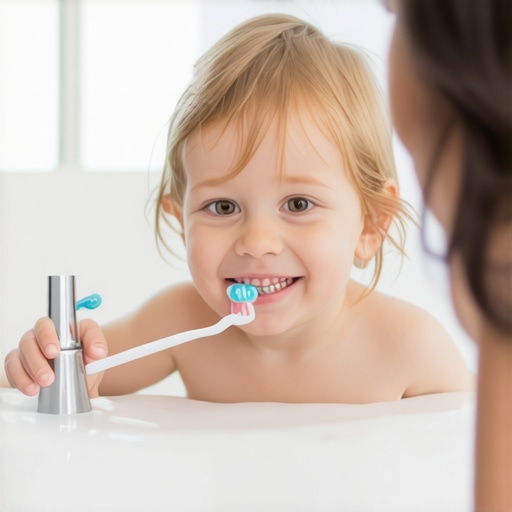
It was a typical morning in my household when I caught my toddler with toothpaste smeared all over her face, and her mouth curiously half-opened, swallowing what’s left on her brush. My heart sank. I realized we’d been overlooking a tiny yet significant issue—how to prevent her from swallowing her toothpaste. That lightbulb moment made me dive into research and practical strategies, and now I want to share what I’ve learned with fellow parents facing the same dilemma.
Mastering Your Toddler’s Toothpaste Routine: Why it’s Closer Than You Think
For many parents, those early brushing sessions feel like a battlefield. Toddlers are curious, energetic, and often oblivious to the importance of controlled brushing. But swallowing toothpaste isn’t just about messy spills—it’s about safeguarding your child’s health and developing good dental habits from the start. Did you know that accidental ingestion of fluoride toothpaste can lead to dental fluorosis—a condition that causes discoloration and mottling of teeth—if they swallow too much during early childhood? According to the American Dental Association, limiting fluoride ingestion in young children is crucial for long-term oral health.
Early on, I made the mistake of assuming that a gentle reprimand or a quick rinse would prevent my child from swallowing toothpaste. Turns out, that wasn’t enough. The first step is understanding why our little ones tend to swallow—it’s often because they simply find the taste funny or the brushing unfamiliar. Recognizing these cues helps us tailor approaches that make the process safe and engaging.
If you’ve ever wondered whether your child’s swallowing habits during brushing are normal or if they might lead to dental issues, you’re not alone. Many parents face this challenge, and there are simple, effective strategies to turn this everyday activity into a safe, positive experience. In the next sections, I’ll walk you through proven tips and tricks that transformed our brushing routine. And if you’re curious about more family-focused oral health tips, check out how family dentistry is evolving to improve oral health for all ages, like at this [latest trend article](https://familydentistpro.com/family-dentistry-trends-improving-oral-health-for-all-ages). Now, let’s dive into practical steps you can implement today to keep your little one safe and happy during tooth brushing.
Create a Safe and Engaging Environment for Brushing
Start by choosing a child-friendly toothbrush with a small head and soft bristles, which makes maneuvering easier for little hands. During my first attempt, I grabbed a bright-colored toothbrush, thinking it would attract my daughter’s attention. It worked—initially. I held her in my lap, making the session a playful activity instead of a chore, which immediately reduced her resistance and the chances of swallowing.
Use the Right Amount of Toothpaste and Make It Fun
Use a smear of fluoridated toothpaste—about the size of a grain of rice—especially for children under three. I remember squishing a tiny drop onto her brush, and she giggled as she touched the foam, making her curious instead of hesitant. Chewing on her brush with the small amount created a positive association, encouraging her to enjoy the process without the fear of swallowing too much. For more tips on family oral health routines, check out top oral health tips.
Introduce Gentle Supervision and Distraction Techniques
Supervise every brushing session until your child can do it independently. I started standing behind her, gently guiding her hand while talking softly to distract her from the sensation of brushing. It’s like guiding a small boat—it needs a steady hand and calm words. When my daughter tried to swallow the toothpaste, I calmly paused and asked her to spit out the excess, reassuring her that spitting is okay. This approach reduced her gag reflex and made her more comfortable with spitting during brushing.
Incorporate Rewards and Routine for Consistency
Reward consistent brushing with praise or small stickers. I created a chart, and after three successful sessions, she earned a colorful star. This method turned brushing into a game rather than a battle. Consistency helps her develop the habit of spitting out toothpaste properly and minimizes the risk of swallowing. If you’re curious about how modern techniques can further improve family dental routines, explore modern family dentistry practices.
 Many people believe they know everything about dental crowns, family dentistry, and Invisalign, but beneath the surface lie some misconceptions and advanced pitfalls that can jeopardize oral health. For instance, a widespread myth is that all crowns are created equal; in reality, choosing the right material and technique makes a crucial difference, as highlighted in [the ultimate guide to crowns](https://familydentistpro.com/the-ultimate-guide-to-crowns-for-a-healthier-smile). One common mistake is assuming that family dentistry practices are only about routine cleanings—when in fact, they encompass a broad spectrum of preventive, restorative, and cosmetic procedures tailored to each age group, as recent [trends in family dentistry](https://familydentistpro.com/family-dentistry-trends-improving-oral-health-for-all-ages) reveal. Advanced users often overlook how modern techniques, such as laser dentistry and digital impressions, significantly improve comfort and accuracy; neglecting these options can lead to subpar outcomes, which you can learn more about in [these modern techniques](https://familydentistpro.com/family-dentistry-secrets-maintaining-oral-health-with-modern-techniques-at-254-pm). When it comes to Invisalign, many assume it’s just clear braces—what’s frequently missed is the technology behind smart trays that adapt to your movements, making treatment more efficient and discreet, as discussed in [the science behind Invisalign innovations](https://familydentistpro.com/invisalign-innovations-the-future-of-family-dentistry-revealed-at-1137-am). An advanced nuance that often trips people up involves the long-term maintenance of crowns and aligners—ignoring this can lead to costly repairs or replacements later. For example, failing to clean your crowns properly might accelerate wear or cause secondary problems, something covered in [how to clean your crown](https://familydentistpro.com/how-to-clean-your-crown-when-food-gets-stuck-under-the-edge). A critical mistake is assuming that all dental issues are purely cosmetic; in reality, untreated problems with crowns or aligners can cause bite issues, gum disease, or even systemic health concerns. To navigate these complexities effectively, consult with a trusted family dentist—an expert who leverages the latest technology and research, such as seen at [familydentistry innovation](https://familydentistpro.com/why-crowns-are-a-game-changer-in-restorative-dentistry). Remember, proactive management and understanding these nuanced differences can save you from significant discomfort and expense down the line. Have you ever fallen into this trap? Let me know in the comments, and stay vigilant to protect your smile.Maintaining excellent oral health requires more than just regular brushing and flossing; it demands the right tools and consistent care. Investing in high-quality equipment and adopting proven techniques can extend the lifespan of dental restorations like crowns and ensure the effectiveness of procedures such as Invisalign treatments. For example, I personally rely on the Philips Sonicare DiamondClean Smart electric toothbrush because its multiple cleaning modes and pressure sensors help prevent gum recession and enamel wear. Its Bluetooth connectivity allows me to track my brushing habits and receive personalized advice via its app, leading to better long-term outcomes.
When managing crowns, I emphasize using gentle, interdental brushes like the GUM Proxabrush, which reach beneath the crown’s margins to remove plaque and prevent secondary decay. Regular check-ups with your family dentist—who may utilize modern tools such as digital scans and laser cavity detectors—are also vital for early problem detection and precise restorations. These advanced methods, detailed in trends outlined at [family dentistry trends](https://familydentistpro.com/family-dentistry-trends-improving-oral-health-for-all-ages), highlight how technology is shaping future standards.
Invisalign treatment benefits enormously from daily care routines that incorporate cleaning trays with specialized solutions like Invisalign Cleaning Crystals. These ensure trays remain clear and free of plaque buildup, which is critical for effective orthodontic movements. Additionally, using a water flosser, like the Waterpik Aquarius, helps remove debris around brackets or in hard-to-reach areas, mimicking professional cleaning results at home.
What tools do I recommend to make your dental maintenance effortless? Start by investing in a sonic toothbrush with app integration, a set of interdental brushes tailored to your restorations, and a water flosser designed for precision cleaning. Incorporating these devices into your routine can significantly reduce the risk of complications and extend the lifespan of your dental work.
Regularly updating your tools in line with the latest innovations, such as those discussed in [family dentistry’s modern techniques](https://familydentistpro.com/family-dentistry-secrets-maintaining-oral-health-with-modern-techniques-at-254-pm), positions you for continued oral health success. Remember, the key is consistency—those small daily improvements compound over time, delivering remarkable long-term results. So, I challenge you to try integrating a water flosser into your nightly routine this week—see how much easier maintaining oral health can be! For tailored advice on choosing the right equipment, consult your local family dentist through our [contact page](https://familydentistpro.com/contact-us).
The Hardest Lesson I Learned About Restorations and Smiles
One of the most eye-opening realizations was that not all dental crowns are created equal—choosing the right material and technique can make or break your long-term oral health. I once thought a crown was just a cosmetic fix, but I learned it’s an integral part of restoring function and preventing future issues, as detailed in the ultimate guide to crowns. Additionally, ignoring the importance of skilled expertise in family dentistry can lead to mishaps that affect entire generations, which I discovered through personal experience and research at selecting the right expert. I also uncovered that modern techniques, like digital impressions and laser dentistry, vastly improve comfort and durability—embracing these innovations is worth the effort, as seen in trends shaping family dentistry. Lastly, I realized that Invisalign isn’t just about straight teeth; it’s about transforming family experiences and confidence that last a lifetime, explained nicely in the science behind Invisalign innovations. These lessons transformed how I approach my dental health—don’t overlook the significance of your choices, because your smile’s future depends on it.