
The truth about charcoal toothpaste and long-term enamel damage
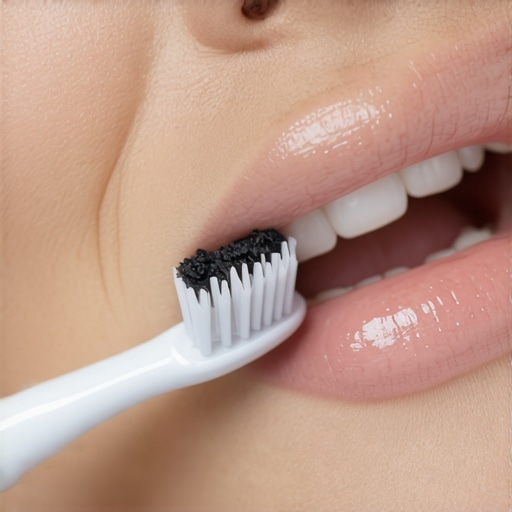
I remember the moment I first tried charcoal toothpaste thinking it would give me that dazzling, movie-star smile. I was excited, almost eager, to ditch chemical-laden whitening strips for a natural glow. But as weeks went by, I started noticing something odd—my teeth felt more sensitive, and I was constantly worrying if I was doing more harm than good. That lightbulb moment made me question everything I’d believed about this trendy whitening craze.
Why I Stopped Ignoring the Risks of Charcoal Toothpaste
If you’re like me, you might be tempted by the allure of charcoal toothpaste, especially with all the buzz about its supposed natural benefits. But beneath the surface, there’s a less glamorous story—long-term enamel damage that can creep up silently. Enamel is your body’s hardest mineral layer, designed to protect your teeth from daily wear and tear. Once it’s compromised, it doesn’t grow back. So, what started as a quick whitening fix can turn into a serious dental problem over time.
Is Charcoal Toothpaste Actually Worth the Hype?
Here’s a personal misstep: early on, I thought I was being smart by choosing a natural alternative. I overlooked the abrasive nature of charcoal, which can erode enamel if used excessively. According to a study published by the Journal of the American Dental Association, abrasive toothpastes—even natural ones—should be used cautiously to prevent enamel loss. My mistake was believing that “natural” always meant safer. Now, I want to help you avoid the same trap.
Have you ever experienced a sudden increase in tooth sensitivity or noticed your teeth looking dull despite regular brushing? If so, you’re not alone, and there are vital steps you can take to protect your smile. In the upcoming sections, we’ll explore how to identify risky products like charcoal toothpaste and what safer alternatives to consider for maintaining that brilliant smile without risking your dental health.
Switch to Gentle, Dentist-Approved Products
Start by choosing toothpaste and oral care products with low abrasiveness. Look for labels indicating the Relative Dentin Abrasivity (RDA) score, ideally below 70. When I first transitioned from charcoal to a fluoride-based, low-abrasion toothpaste, I immediately noticed reduced sensitivity and healthier enamel. Think of this as upgrading from a coarse scrub pad to a soft cloth for your teeth — gentler, yet effective.
Implement Proper Brushing Techniques
Limit Pressure and Use Correct Motion
Apply light pressure and use gentle, circular motions rather than harsh side-to-side scrubbing. I realized during my morning brush that pressing too hard was damaging my enamel, especially around sensitive areas. Visualize cleaning delicate glassware: Gentle strokes prevent scratches. Consistency here is vital; over time, this protects your enamel much like a protective shield.
Brush for Two Minutes
Use a timer or an electric toothbrush with intervals to ensure thorough cleaning without overdoing it. During my routine, I set a 2-minute timer, which helped me focus on each section of my mouth. Over-brushing or rushing can erode tooth surfaces, akin to sanding wood too aggressively — the surface becomes uneven and weak.
Be Cautious with Abrasive Substances
Avoid using baking soda or harsh whitening agents daily, as they can wear down enamel. Instead, opt for professionally recommended whitening solutions. I once tried a baking soda paste after reading online tips, but my teeth became more sensitive. Think of abrasive chemicals as rough stones: frequent contact causes irreversible scratches. Opt for safer, professionally advised whitening methods instead.
Prioritize Professional Check-Ups and Cleanings
Regular visits to your family dentist help identify early signs of enamel erosion or sensitivity. During my routine check, my dentist examined my enamel with special tools reminiscent of a tiny metal detector, catching issues before they worsened. These visits serve as an essential step to customize your oral care plan and catch problems early, avoiding costly repairs later.
Use Protective Devices When Necessary
For those who grind or clench—especially at night—wear a custom mouthguard. I experienced mornings with jaw soreness until my dentist fitted me with a guard, akin to a sports mouthguard but tailored for everyday protection. This prevents excessive wear on the enamel and reduces the risk of cracks or chips.
Understand Restorative Options to Strengthen Teeth
When damage or decay occurs, crowns and other restorations can reinforce weakened teeth. For example, I recently received a crown after a root canal; choosing the right crown expert was critical. You can read more about the process and benefits in this guide. Think of crowns as a customizable helmet for your tooth — restoring function and protecting from future harm.
Adopt a Holistic Oral Care Routine
Integrate flossing, daily rinsing, and dietary awareness to solidify protection. During my routine, I used an interdental brush to reach tricky areas, similar to cleaning behind a tight bolt. A balanced diet low in acidic and sugary foods preserves enamel integrity. Remember, maintaining your oral health resembles tending a garden: consistent, gentle care yields the best, long-lasting results.Many patients enter the dental office with preconceived notions about crowns, Invisalign, and family dentistry that can lead to costly mistakes or misconceptions. As an expert, I want to share some nuanced insights that challenge popular beliefs and reveal the often-overlooked aspects of these treatments. Understanding these can help you make better decisions and avoid common pitfalls.
One widespread myth is that all dental crowns are the same, but the reality is far more complex. The quality and longevity of a crown depend heavily on the material used and the expertise of the dentist. For instance, choosing a crown from the wrong lab or without considering your bite dynamics can result in discomfort or premature failure. That’s why I always recommend consulting a specialist who understands the subtle biomechanical factors involved, like in this detailed guide to selecting the right crown: choosing the right crown. Don’t fall for the misconception that crowns are plain cosmetic fixes; they are vital restorations that restore function and prevent further decay.
Invisalign is often touted as the perfect, pain-free alternative to braces, but many overlook the importance of proper case selection. It’s tempting to believe that Invisalign works for everyone, yet studies, such as those summarized by Invisalign myths debunked, show that complex orthodontic cases might require traditional braces or other interventions. Missing this nuance can result in treatment delays or subpar outcomes. As an expert, I suggest assessing your specific needs through a thorough dental consultation that includes digital scanning and 3D modeling—tools that reveal subtle issues invisible to the naked eye.
When it comes to family dentistry, many assume it’s just about keeping small mouths healthy. But what most people don’t realize is how critical the integration of advanced diagnostics and personalized care plans has become. Trends in family dentistry trends now emphasize early intervention and minimally invasive techniques, which can dramatically improve long-term results. Ignoring these advancements leads to outdated practices that can neglect early decay or misdiagnose bite issues, costing more down the line.
A common trap in oral health is believing that brushing more vigorously or using harsher products will accelerate cleanliness. This simplistic view fails to recognize the nuanced balance needed. Overbrushing or abrasive toothpaste can damage enamel and gums, as I’ve detailed in previous posts. Instead, adopting a holistic approach that includes gentle cleaning, professional cleanings, and tailored preventive measures outperforms any DIY hack.
Managing your expectations and understanding the intricacies of treatments like crowns and Invisalign, along with embracing modern family dentistry techniques, are crucial for optimal oral health. Don’t just take my word for it—review reputable sources and discuss these factors with your dentist.
Have you ever fallen into this trap of oversimplification? Let me know in the comments, and share your experiences. Remember, the path to a healthier smile is paved with informed decisions and attention to the small details that often go unnoticed.
Maintaining dental crowns, Invisalign aligners, and overall oral health over the long term requires more than just good habits; it demands the right tools and consistent routines. From high-precision cleaning devices to advanced software, choosing the proper equipment ensures your smile remains healthy, functional, and beautiful. In my experience, investing in quality tools makes all the difference—here’s what I personally rely on and why.
Why Precision When Cleaning Your Crowns and Aligners Matters
I use the AirFloss by Philips because it effectively disrupts plaque biofilm between teeth and around restorations without the abrasiveness of traditional floss. Its microburst technology delivers targeted bursts of air and water that reach difficult spots, reducing the risk of decay around crowns or under Invisalign attachments. The device’s ease of use encourages daily flossing, which is vital for long-term success.
Advanced Software for Monitoring and Maintaining Invisalign Results
Digital scanning tools such as the Invisalign progress assessment software enable me to track shifts with pinpoint accuracy. These digital models help detect early signs of track divergence or potential setbacks, allowing for timely interventions. As technology advances, I predict that AI-powered modeling will soon predict wear patterns and suggest proactive adjustments, minimizing treatment time and costs.
How do I maintain my crowns and aligners over time?
Consistent use of specialized cleaning tools is essential. For crowns, I recommend ultrasound cleaners which remove calculus and biofilm without damaging the restoration’s surface. For aligners, a gentle brushing with a soft-bristled toothbrush and soaking in an invisalign-specific solution helps maintain clarity and prevent bacterial buildup. Regular check-ups are equally vital; I schedule bi-annual visits that include professional cleanings with tools like the ultrasonic scaler, which can access hard-to-reach areas around crowns without risking damage.
Looking ahead, ongoing advancements in nanotechnology might soon introduce self-cleaning restorations that repel plaque naturally. Studies suggest that incorporating biofilm-resistant materials could extend the lifespan of restorations and reduce maintenance needs significantly—imagine a crown that stays cleaner with minimal effort!
Try This Tip: Protect Your Investment with an Ultrasonic Cleaner
For an effective yet straightforward method to prolong the life of your crowns and aligners, I strongly recommend using an ultrasonic cleaner weekly. This device not only extends the aesthetic and functional quality of your dental work but also reduces the risk of secondary decay caused by plaque accumulation. Incorporate this into your routine, and you’ll notice the difference in comfort and appearance.
Maintaining your dental work isn’t just about brushing and flossing; it involves employing the right tools and methods that safeguard your investment and ensure optimal performance over time. Stay proactive, and consult your dentist about the latest in maintenance technologies to keep your smile at its best.
The Hardest Lesson I Learned About Crowns, Invisalign, and Family Dentistry
One of the most profound realizations I’ve had is that not all dental treatments are created equal. Early in my journey, I believed that crowns and Invisalign were simple fixes, but I soon discovered that the quality of care and understanding of nuances make all the difference. It taught me to never settle for generic solutions and always seek personalized, expert advice to truly benefit my oral health.
Tools That Transformed My Approach to Maintaining Oral Health
Over the years, I’ve curated a set of tools that have genuinely improved my dental routine: from ultrasonic cleaners that gently refresh crowns to advanced digital scanners that monitor Invisalign progress. These tools, which I trust deeply, help me stay ahead of potential issues and enjoy peace of mind knowing my smile’s health is continually optimized. If you’re serious about your oral health, exploring these resources can be a game-changer.
Empowering Your Dental Journey for Lasting Confidence
Taking control of your dental health is empowering and truly worthwhile. Remember, the journey isn’t just about fixing teeth—it’s about nurturing a confident smile that lasts a lifetime. Don’t wait for problems to arise; invest in the knowledge, tools, and professional guidance today. Your future self will thank you for prioritizing this critical aspect of your overall well-being.
What has been your biggest insight or challenge when it comes to crowns, Invisalign, or family dentistry? Share your story below — let’s learn and grow together toward healthier smiles!