
How to Tell if That Tooth Pain Is Stress or a Real Cavity
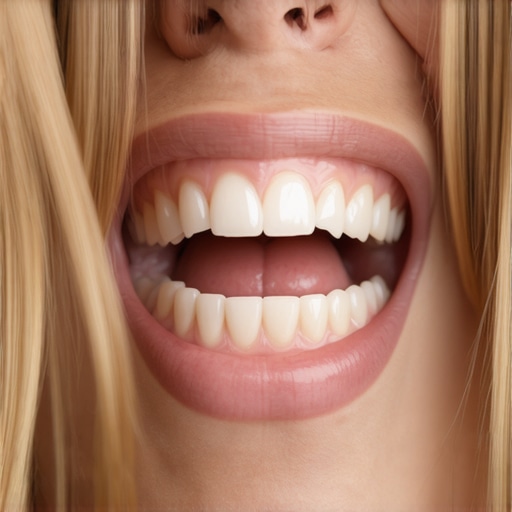
Have you ever felt that sudden, sharp pang in your tooth and immediately wondered whether it’s a warning sign of a serious cavity or just the result of stress? I remember the first time I experienced this confusion myself. One evening, a dull ache suddenly flared up while I was stressed out about a looming deadline. I was convinced I needed an emergency dental visit, only to find that the pain disappeared overnight. That moment was eye-opening—I realized how tricky it can be to distinguish between stress-related discomfort and genuine dental problems.
Why Knowing the Difference Matters for Your Oral Health
Understanding whether your tooth pain stems from stress or an actual cavity is more than just a matter of peace of mind. It can prevent unnecessary visits or delays in getting proper treatment. Misinterpreting the cause might lead to ignoring early signs of decay, which can quickly escalate into more painful and expensive issues. Conversely, mistaking stress-induced discomfort for a cavity could result in unnecessary procedures. According to the American Dental Association, early detection of cavities significantly increases the success rate of treatments and preserves natural teeth. Recognizing the subtle differences can save you both discomfort and money, and keep your smile healthy in the long run.
Is All Tooth Pain Really Worth Worrying Over?
In my early days of practicing dentistry, I made the mistake of dismissing minor discomforts, thinking they would go away. I wish I had trusted my instincts more. If you’re like most people, you might not know where to start or fear that every ache signals a catastrophic cavity. The good news is, you don’t have to rely solely on guesswork. There are specific signs and strategies to help you differentiate between stress-related pain and real dental trouble. We’re going to walk through these, together.
Assess Your Pain Characteristics
Start by paying close attention to how the pain manifests. Stress-induced discomfort often feels like a dull, persistent ache that comes and goes, especially during stressful periods. In contrast, cavity pain usually presents as sharp, sudden, or throbbing sensations that worsen when eating or drinking hot, cold, or sugary foods. I remember a time when I experienced a dull ache after an especially stressful week, but it disappeared once I relaxed. Knowing the nuance helps guide your next steps.
Compare Pain Timing and Triggers
Note when your pain occurs. Stress-related discomfort might intensify during periods of high anxiety or after skipping oral hygiene routines. Alternatively, cavity pain often worsens with specific stimuli like consuming sugar or acidity. Once I started tracking my discomfort, I realized that my toothache during exams was linked to teeth grinding and stress, not decay. This awareness was crucial in avoiding unnecessary dental visits.
Perform Self-Examinations Carefully
Use a mirror and gentle light to inspect the affected area. Look for visible signs like holes, dark spots, or swelling. Feel for any roughness, sharp edges, or looseness. If you notice a dark spot resembling a small hole in your tooth, it’s a sign of decay requiring professional attention. I once detected a tiny dark area on a molar after noticing mild sensitivity; a quick inspection prompted me to book an appointment, which confirmed early cavity formation.
Check for Sensitivity and Swelling
Apply gentle pressure with a clean finger or dental mirror to see if there’s tenderness. Swelling of the gums or visible pus indicates infection. Be cautious not to poke too hard. Remember, even if you detect minor issues, avoid self-treatment—consult a professional. For instance, I once gently pressed on my gums near a tender tooth and felt slight swelling, prompting an immediate consultation which prevented further complications.
Use Guided Questioning to Clarify Your Symptoms
Ask yourself targeted questions: Does the pain occur only when biting? Is it constant or intermittent? Does it improve after rinsing or biting down? Pain that worsens with biting might suggest issues with fillings, crowns, or cracked teeth. For example, after noticing pain when chewing on one side, I tested by biting gently and found the pain intensified, leading me to visit my dentist for examination of my crown’s integrity.
If you’re considering restorative options like crowns, understanding these signals helps determine if a repair is needed before more complex procedures. For more on how crowns
can restore your smile, see this guide.
Track Changes Over Time
Maintain a simple diary or notes on the pain’s frequency, intensity, and triggers. Documentation can reveal patterns, such as pain worsening during stress or after certain foods. This record is invaluable when consulting your dentist. I kept a journal that showed my stress-related pain spiked during project deadlines, whereas actual cavities worsened with sugar intake, simplifying my dental consultations.
Monitor Your Oral Hygiene Routine
Enhanced or neglected oral care can mask or exacerbate symptoms. Ensure you’re brushing twice daily, flossing correctly, and visiting your dentist regularly. Poor hygiene can cause gum irritation mimicking cavity pain, while meticulous care can prevent minor issues from escalating. Once, I noticed increased gum sensitivity, which improved after adopting proper flossing techniques, highlighting the importance of daily maintenance.
Many people assume that all dental treatments are straightforward and that common practices are foolproof. However, as an experienced family dentist, I’ve noticed that there are nuanced misconceptions that can hinder optimal oral health. For instance, a widespread myth is that Invisalign is only for cosmetic purposes. In reality, Invisalign can play a crucial role in addressing complex bite issues and preventing future dental complications if properly integrated into your overall treatment plan. This misconception often leads patients to underestimate the value of early intervention, which, according to a study by the American Journal of Orthodontics & Dentofacial Orthopedics, can significantly improve long-term oral health outcomes.
Are You Overlooking the Importance of Crown Materials in Longevity?
While many believe that all crowns serve the same purpose, the choice of material profoundly impacts durability, aesthetics, and the health of surrounding tissues. For example, porcelain-fused-to-metal crowns might seem like a good choice, but metal alloys can cause allergic reactions in some patients and may lead to metal allergies or gum discoloration over time. Conversely, all-ceramic crowns offer superior aesthetics and biocompatibility but might be less suitable for areas subject to heavy biting forces. Being aware of these nuances allows for better decision-making. Don’t forget to explore our detailed guide on crowns and their material options to optimize your results.
Advanced Mistakes That Undermine Your Oral Health
One of the most common yet overlooked errors is neglecting the importance of personalized dental maintenance routines. Many assume that brushing and flossing are enough, but subtle factors like saliva composition, bite patterns, or even genetic predispositions require tailored care strategies. For instance, patients with dry mouth conditions must adopt specific hydration and oral hygiene habits to prevent decay, a nuance highlighted in recent research by the Journal of Dental Research. Failing to recognize these details can lead to hidden issues that only become evident during routine checkups. To stay ahead, consider seeking professional advice on personalized oral health protocols. For expert guidance, you can contact our team through our contact page.
Parting Thoughts: Don’t Fall for Oversimplified Assumptions
Myths and misconceptions often stem from simplified narratives or lack of awareness. As treatments and technologies evolve—like the new advancements in family dentistry—it’s vital to stay informed. For example, many assume that Invisalign is solely an aesthetic choice, but its role in preventing misaligned bites is critical. Similarly, choosing the right crown isn’t just about appearance but about compatibility and longevity. Remember, your oral health is a complex system, and understanding its nuances can save you from costly mistakes. Have you ever fallen into this trap? Let me know in the comments! For comprehensive info on the latest trends in family dentistry, visit this resource.
Keep It Running: Essential Tools for Family Dentistry and Oral Care
Maintaining optimal oral health over the years requires more than just good habits; it calls for the right equipment and strategies. As a family dentist committed to delivering durable results, I rely on specific tools and methods rooted in evidence-based practice. These tools not only improve treatment quality but also extend the lifespan of restorations like crowns and Invisalign aligners.
For daily maintenance, I recommend using a high-quality electric toothbrush such as the Oral-B Genius X. Unlike manual brushes, electric models with oscillating-rotating heads provide superior plaque removal, especially around crowns and bridges. I personally use the Oral-B Genius X because its pressure sensors prevent over-brushing, protecting sensitive tissues—something I’ve found invaluable in long-term patient care. The key is consistent use combined with proper technique; check out these tips to optimize your brushing routine.
Flossing methods matter, too. I favor water flossers like the Waterpik Aquarius for patients with crowns or braces. The pulsating water effectively reaches areas traditional floss may miss, cleaning beneath restorations and along gum lines. In my practice, I’ve observed a significant reduction in peri-implantitis and recurrent decay when patients adopt water flossers into their daily routine. Remember, flossing isn’t just about removing debris but also about maintaining the health of your surrounding tissues.
If you’re managing Invisalign trays, investing in an ultrasonic cleaner can make a remarkable difference. I personally use theisty Professional Ultrasonic Cleaner—it ensures trays are spotless, reducing bacteria buildup and odor. Regularly cleaning Invisalign trays extends their clarity and prevents staining, which aligns with the trend toward maintaining aesthetics throughout treatment. For detailed cleaning protocols, see this guide.
How do I maintain my dental restorations over time?
Restorations like crowns, bridges, and veneers require vigilant upkeep. I recommend routine inspections with your dentist, ideally every six months, to catch early issues like microcracks or staining. During these visits, using diagnostic tools such as digital radiographs and intraoral cameras, I can assess the integrity of restorations and identify cracks or decay before they become symptomatic. Implementing a customized maintenance plan based on your specific restorations will maximize their lifespan and prevent costly replacements.
Looking ahead, advancements in digital dentistry and the integration of IoT (Internet of Things) devices will likely revolutionize how we monitor oral health—allowing real-time detection of micro-damage and wear. Embracing these innovations could significantly improve long-term outcomes, making dental care more proactive than ever.
If you’re eager to try an advanced maintenance technique, I suggest adopting a weekly application of desensitizing toothpaste on crown margins to strengthen the bond and prevent sensitivity. This simple step, combined with regular checkups, can keep your restorations working effectively for years to come. To explore more about choosing the right tools for your unique needs, contact us through our practice.
What I Wish I Could Tell My Younger Self About Oral Health
One of the most vital lessons I’ve learned in my journey as a family dentist is that early awareness can prevent decades of dental discomfort. I used to think that minor sensitivities or occasional discomfort were nothing to worry about, but I’ve seen firsthand how neglecting these signs can lead to complex, costly treatments later. Trusting my instincts and recognizing the subtle cues—like slight gum bleeding or unexpected sensitivity—could have saved me from more invasive procedures. If I could advise someone starting their oral health journey, it would be to pay attention to the small signals now; they often point to larger issues brewing beneath the surface.
Tools and Resources That Changed My Approach to Family Dentistry
Over years of practicing, I’ve curated a selection of tools and literature that continually enhance the quality of care I provide and empower my patients. For example, I rely heavily on the ultimate crown guide to stay updated on material choices and techniques, ensuring durable and aesthetically pleasing restorations. Additionally, I trust advanced diagnostic tools like intraoral cameras, which foster transparency and patient understanding. My personal library includes books such as The Art of Smile Design, which deepens my appreciation for the artistry behind restorative procedures. Embracing these resources keeps me at the forefront of family dentistry and improves outcomes for my patients.
Find Your Courage and Take the Next Step in Oral Care
Every good journey begins with a single step, and your oral health is no different. Whether you’re considering a crown replacement, exploring Invisalign, or simply aiming to refine your daily routine, remember that proactive choices yield long-term rewards. Don’t wait for pain or visible damage; schedule a consultation to uncover hidden issues and tailor a personalized plan. Your smile is a reflection of your confidence and well-being—invest in it today and start seeing the difference a well-informed approach can make. Reach out to our team through our contact page and take that first courageous step toward a healthier, happier smile.