
The One Flossing Habit That Actually Pushes Bacteria Deeper Into Gums
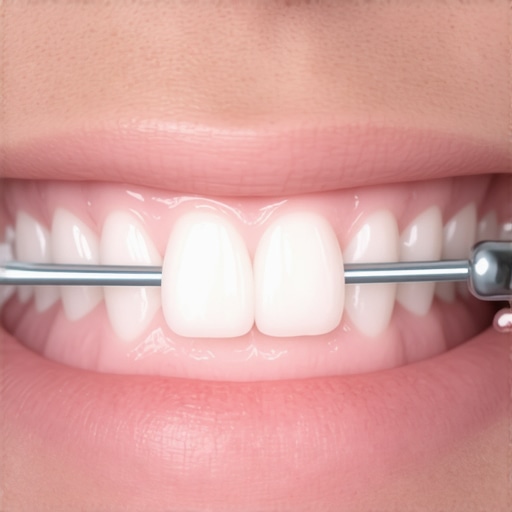
It was one of those mornings where I rushed through brushing, only to notice that my gums felt more inflamed and tender than usual. Despite diligently flossing every day, I somehow felt like I was pushing bacteria deeper into my gums instead of cleaning them. That lightbulb moment hit me hard—what if my best effort was actually making matters worse? I realized that many people, including myself early on, fall into the trap of a common flossing mistake that could be doing more harm than good.
Why Your Flossing Habits Matter More Than You Think
Proper flossing isn’t just about removing food particles; it’s about maintaining healthy gum tissue and preventing disease. But there’s a sneaky pitfall many of us miss—pressing too hard, especially when trying to dislodge stubborn plaque or debris. I used to think that the more forceful my flossing, the cleaner I’d be. Turns out, this habit can actually push bacteria and irritants deeper into the gum line, leading to increased inflammation and even recession over time. Studies show that aggressive flossing can damage delicate gum tissues, making the problem worse rather than better (source: NCBI).
Is Over-Flossing Actually Worth the Hype?
I know what you might be thinking—”If flossing is so important, why not do it more vigorously to get better results?” Well, I made that mistake early on. I believed that a vigorous pull would remove more buildup, but instead, I was causing tiny tears and inflaming my gums. It’s crucial to understand that gentle, careful flossing is more effective and safer. The goal is to clean thoroughly without causing trauma.
So, if you’ve ever felt like your gums bleed or become sore after flossing, you’re not alone. Many people fall prey to the misconception that harder flossing equals better cleaning. I’ve been there, and it took a bit of learning and adapting to realize how gentle action can make a significant difference.
In the next section, I’ll share some practical tips that transformed my flossing routine, helping me avoid pushing bacteria deeper and fostering healthier gums. If you’re tired of uncomfortable, ineffective flossing or unsure whether you’re doing it right, stay tuned. There’s a better way to maintain that bright, healthy smile.
Grip the Floss Correctly and Apply Gentle Pressure
When I first started flossing, I held the floss too tightly, thinking it would clean more effectively. One morning, I decided to intentionally grip the floss gently, using only enough pressure to guide it between my teeth. I used my thumbs and forefingers to hold a length of about 18 inches, ensuring I could maneuver without pulling excessively. As I slid the floss into the gumline, I avoided snapping or forcing it. The result? No bleeding, no pain, just clean teeth and healthy gums.
Remember, flossing isn’t about brute force; it’s about precision and care, much like threading a needle. Proper grip and gentle pressure prevent tissue damage and dislodging bacteria without harming your soft tissues.
Use a C-Shaped Motion to Clean Effectively
Next, I practiced forming a gentle C-shape around each tooth, similar to wrapping a finger around a small object. I pressed the floss against one side of the tooth, hugging its curve, and moved it up and down gently. Then, I shifted it to the other side, repeating the motion. This technique ensures comprehensive cleaning along the entire gumline without applying excessive force that could irritate or damage tissues.
Practicing this motion during daily flossing is like polishing a jewel—each pass removes plaque systematically, preventing buildup that leads to cavities or gum disease.
Dispose of Used Floss Properly and Use New Lengths
I learned to discard used floss after every two teeth, unrolling new clean sections for each area. This prevents transferring bacteria from one section to another, which can exacerbate inflammation. I used a fresh segment for each tooth, ensuring that no debris or bacteria re-entered my gums. It’s akin to changing a sponge after each dish—more sanitary and effective.
A practical tip I employed was to keep a dedicated floss container in my bathroom, making it easier to access and encouraging consistent hygiene habits.
Target Difficult Areas with Floss Threaders
Some areas, like behind molars or around dental work like crowns, require extra attention. I used floss threaders to navigate tight spaces, threading the floss beneath orthodontic wires or dental crowns. I carefully guided the floss, avoiding aggressive tugging. This tool acts like a tiny bridge, allowing you to reach previously inaccessible spots without damaging the surrounding tissues.
In my experience, tackling these tricky zones prevents plaque accumulation and ultimately preserves the longevity of restorations such as crowns.
Incorporate Flossing into Your Routine Seamlessly
I found that consistency was key; I set a specific time each evening to floss, akin to brushing my teeth. I kept my floss visible and part of my nightly routine, turning a chore into a habit. Using these methods transformed my experience from uncomfortable to manageable, aiding in healthier gums and preventing issues that could lead to costly dental procedures like crown replacements or periodontal therapy.
For more comprehensive guidance, explore how family dentistry trends are improving oral health for all ages, or learn about choosing the right crown to ensure lasting results.
Many patients enter the dental chair with misconceptions that can inadvertently undermine their treatments. A common myth is that crowns are merely cosmetic enhancements rather than essential restorations—this is a dangerous oversimplification. In fact, crowns play a crucial role in protecting weakened teeth and preventing further decay or damage. Falling for the idea that they are purely aesthetic can lead to neglect of caring for the crown or misunderstanding its true purpose.
Similarly, many believe Invisalign is only for teenagers or aesthetic improvements, but its real strength lies in offering a discreet, effective alternative to traditional braces for all ages. While numerous articles emphasize the benefits, fewer discuss the nuanced challenges such as compliance issues or the importance of proper attachment management. An advanced mistake is underestimating the impact of not wearing aligners as prescribed, which can significantly prolong treatment or compromise results. For comprehensive insights, see debunking common Invisalign myths.
In the realm of family dentistry, a widespread misconception is that routine cleanings alone suffice for lifelong oral health. While essential, neglecting personalized preventive strategies—like targeted fluoride treatments, sealants, or early interventions—can leave gaps in care. A broad oversight is assuming all dental issues present obvious symptoms; however, many problems, such as gum recession or small caries, silently progress, necessitating regular comprehensive checkups. Family dentistry is evolving with tailored approaches that address these nuances.
How Can Overlooking These Details Impact Long-Term Oral Health?
Ignoring the advanced aspects of crowns, Invisalign, or family-centric care isn’t just about failed treatments—it’s about risking your overall health. For example, improperly fitted crowns can cause uneven bite force, leading to jaw pain or even temporomandibular joint issues. When Invisalign compliance wanes, treatment can take twice as long or lead to relapse, necessitating retreatments or additional procedures. Overlooking personalized prevention strategies in family dentistry may result in children developing early cavities or gum issues that could have been mitigated with early interventions. Experts warn that missing these subtleties can cost time, money, and comfort in the future. To deepen your understanding, explore comprehensive guides on crowns and long-term care.
Have you ever fallen into this trap? Let me know in the comments. Remember, understanding the nuances in dental treatments and family care is vital for maintaining a healthy, confident smile for life.
Maintaining optimal oral health and the longevity of treatments like crowns or Invisalign requires more than just daily brushing and flossing. Investing in high-quality tools and adopting proven methods can make a significant difference. One of my personal favorites is the Waterpik Sonic-Fusio, which combines water flossing with sonic technology to dislodge plaque effectively from hard-to-reach areas, especially around crowns and braces. Unlike traditional floss, this device massages the gums while cleaning, reducing inflammation and promoting healthier tissue over time. I use mine daily, particularly after meals when debris tends to accumulate in tight spaces. Additionally, a magnified dental mirror with built-in LED lighting helps me inspect hard-to-see areas, ensuring I catch any early signs of issues before they escalate.
For tracking and enhancing my routine, I rely on dental health apps like BrushUp or Dental Monitoring. These platforms provide personalized feedback, remind me when to replace my toothbrush, and even suggest adjustments to my technique. As technology advances, I predict a future where AI-powered home dental diagnostics will become commonplace, allowing for remote monitoring by dental professionals and earlier intervention.
To keep treatments like crowns and Invisalign performing at their best, regular checkups are crucial. I schedule bi-annual visits and adhere to the guidelines provided in comprehensive guides on crowns at this resource. At each appointment, my dentist evaluates the integrity of restorations, assesses my gum health, and discusses potential adjustments. Combining professional care with the right tools enhances longevity and minimizes the risk of costly repairs.
**How do I maintain my dental work over time?** The key is consistency and being proactive. Replacing worn-out tools annually, using specialized products like interdental brushes for tight spaces, and staying informed about the latest advancements ensure that my smile remains healthy and bright well into the future. Remember, investing in quality tools and routines today sets the foundation for long-term oral health success. If you’re interested in trying a game-changing tip, I highly recommend integrating a water flosser into your daily routine—it truly makes a difference. For more insights, explore this comprehensive guide on Invisalign maintenance. Stay ahead, and keep that smile shining for years to come.
3 Lessons I Wish I Learned Before Rushing My Flossing
One of my biggest lightbulb moments was realizing that aggressive flossing was actually damaging my gums, not helping as I thought. I learned that gentle, consistent care beats force any day, preventing recession and inflammation.
Another revelation was how overlooked hard-to-reach areas can silently cause problems. Using tools like floss threaders made a world of difference, teaching me that patience with tricky spots keeps my smile healthy long-term.
Lastly, I discovered the importance of high-quality tools—like water flossers—which truly transformed my routine. Investing in the right device made my daily care more effective and enjoyable, reinforcing that good habits start with good tools.