
How to tell if you need a crown or just a filling
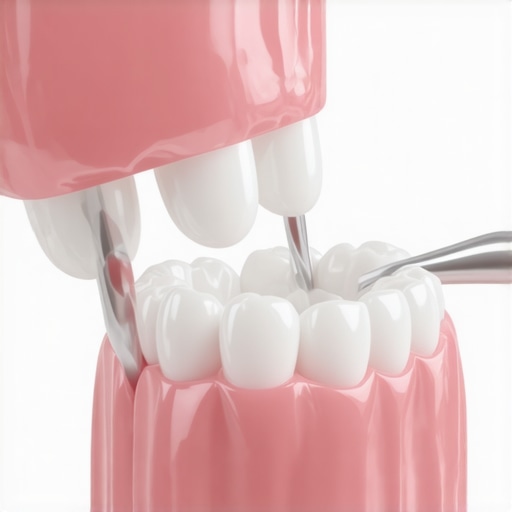
One evening, as I was enjoying my dinner, I suddenly felt a sharp pain when I bit down on a piece of salad. It was like a lightning bolt shot through my tooth—I knew something wasn’t right. That lightbulb moment made me realize how often we overlook the early signs of dental issues, assuming they’ll just go away. But the truth is, understanding whether you need a simple filling or a more involved crown can save you pain, time, and money in the long run.
Deciphering Dental Damage: Why It Matters
Have you ever wondered if that tiny chip or lingering sensitivity warrants a major procedure? You’re not alone. Many folks brush off minor symptoms, hoping they’ll disappear. But untreated dental problems tend to worsen. According to the American Dental Association, early intervention can prevent minor issues from turning into complex and costly treatments. Recognizing the difference between a filling and a crown isn’t just for smiles—it’s about protecting your overall oral health and maintaining confidence in your everyday life.
Is It Worth Worrying Over Small Discomforts? Here’s the Truth
When I first started practicing, I made a big mistake. I dismissed a small crack because I thought it would settle on its own. Sadly, ignoring the warning signs often leads to needing a crown instead of a simple filling. I learned that prompt evaluation helps preserve more of the natural tooth and often avoids more invasive procedures. That’s why I’m here—to help you understand when to act, and how to distinguish between minor repairs and more serious damage.
This guide will walk you through how to evaluate your symptoms and when it’s time to see your dentist for a definitive diagnosis. Whether you’ve experienced a sudden sensitivity or noticed a visible chip, knowing your options can make all the difference. Curious how to tell if your tooth needs a crown or just a filling? Let’s dive into the details so you can smile with confidence tomorrow.
.
Assess Your Symptoms Methodically
Start by observing your tooth for visible signs like chips or cracks, and note any sensations such as sensitivity or pain. For instance, I once noticed a small crack after biting into an apple. Instead of ignoring it, I gently pressed around the area to see if it was tender, which helped my dentist decide between a simple filling or a crown.
Check for Visible Damage
Look in the mirror for chips, fractures, or discoloration. If you spot a visible break, it could indicate the need for a crown, especially if the damage is extensive. Remember, a tiny chip might just require smoothing, but a larger break likely needs restoration.
Assess Sensitivity and Pain
Try eating or drinking hot, cold, or sweet items to see if it triggers discomfort. For example, I experienced heightened sensitivity after my second crown placement, signaling that the restoration needed adjustment. Be mindful that lingering pain, especially after cold drinks, often suggests underlying issues requiring professional attention.
Understand When to Seek Professional Evaluation
Knowing the right moment for a dental visit saves you from unnecessary pain or complex procedures. If your symptoms persist beyond a day or two, or if you notice swelling or bleeding, it’s time to consult your dentist.
Prioritize Urgent Cases
Severe pain, swelling, or bleeding shouldn’t wait. These symptoms could indicate infections or injuries demanding immediate care. For instance, I once ignored a minor discomfort that worsened into an emergency, emphasizing the importance of listening to your body’s signals.
Prepare for Your Dental Appointment
Note your symptoms, recent dental procedures, and any changes. This information helps your dentist determine whether you need a filling, crown, or an orthodontic solution like Invisalign. If you’re considering options like Invisalign, check out the latest innovations that are transforming family dentistry in 2025.
Compare Restorations and Treatments
Understanding the differences between procedures ensures you make informed choices. A filling is typically suitable for minor decay, while crowns are used for extensive damage or after root canals. Think of a crown as a sturdy cap that protects the tooth, similar to how a helmet safeguards your head during sports.
Factor in Long-Term Benefits
Opt for solutions that enhance durability and function. For example, crowns not only restore appearance but also prevent further decay, making them a worthwhile investment in your oral health. Learn more about how crowns are a game-changer in restorative dentistry and how they can boost your confidence.
Consider Cosmetic Impacts
Both fillings and crowns can improve aesthetics, but crowns often provide a more uniform look, especially if the tooth is severely damaged. As with Invisalign, which has revolutionized orthodontics, choosing the right restoration can significantly impact your smile’s appearance and health. If you’re unsure about which option fits your lifestyle, explore comparisons like Invisalign versus braces to make an educated choice.
Use Visual Aids for Better Understanding
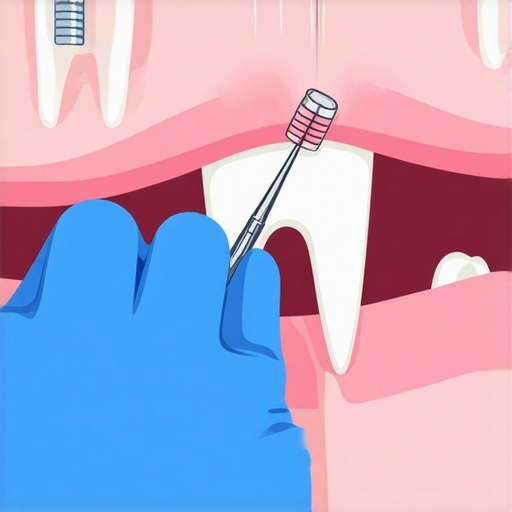
An illustrative image showing the difference between a filling and a crown can clarify these options visually. Remember, consulting your dentist is always the best way to receive personalized advice tailored to your specific needs.
Many assume that family dentistry is just a basic service offering cleanings and checkups. However, this misconception can lead to overlooked nuances that are crucial for long-term oral health. For instance, a common myth is that all dental restorations, like crowns, are created equal. In reality, choosing the wrong type of crown or neglecting the importance of proper placement can result in recurring problems and costly repairs. Advanced practitioners know that the quality of materials and the technique used are vital in ensuring durability and function, which is why consulting experts with modern technology is essential.
Why does the myth that all dental restorations are equivalent persist?
This misconception often stems from a lack of awareness about material science and procedural precision. Many believe that getting a crown is merely cosmetic, but top-tier crowns, like those discussed in the ultimate guide to crowns, are designed to restore function and prevent further decay. The difference lies in the fabrication process, the material’s biocompatibility, and the expertise of the dentist. Overlooking these factors can lead to premature failure or sensitivity issues, which many patients experience when opting for cheaper alternatives.
Likewise, people often underestimate the significance of Invisalign as an alternative to traditional braces. The common assumption is that Invisalign is primarily a cosmetic tool, but modern innovations enable it to address complex bite issues and improve overall oral health, not just aesthetics. As highlighted in Invisalign innovations, advancements in aligner technology are expanding treatment possibilities, offering healthier, faster outcomes especially in young patients.
Don’t underestimate the danger of dismissing early symptoms
A major trap is ignoring behaviors like persistent sensitivity or small chips, believing they’re harmless. The reality is that these can be signs of underlying issues that, if not addressed promptly, may necessitate extensive procedures like root canals or full crowns. For example, a study published in the PLOS ONE journal emphasizes that early intervention not only preserves natural tissue but also significantly reduces treatment costs over time. So, the smarter approach is to view early symptoms as red flags, not minor inconveniences.
Remember, the key to superior dental health lies in understanding the nuances. For example, choosing the right crown type based on your specific condition and future needs can greatly influence its longevity, as detailed in crown selection advice. Similarly, evaluating whether Invisalign or traditional braces best suits your lifestyle—not just your teeth—is a decision that benefits from expert guidance. Keeping these advanced insights in mind can make a marked difference in your oral health journey. Have you ever fallen into this trap? Let me know in the comments or reach out through our contact page.
,
Investing in the Right Tools for Longevity
Maintaining oral health isn’t just about regular brushing and flossing; it involves using precise tools designed for durability and effectiveness. Personally, I swear by the Philips Sonicare DiamondClean Smart toothbrush because it features adaptive sensors that monitor my brushing habits and adjust accordingly, ensuring thorough cleaning without damaging enamel. Its connected app provides real-time feedback, turning routine brushing into an intelligent process that supports long-term health.
Technology That Enhances Practice and Home Care
For patients, a high-quality water flosser like the Waterpik Aquarius ensures plaque removal in hard-to-reach areas, especially around crowns or Invisalign aligners. In my practice, I recommend this device because it significantly reduces the risk of periodontal issues when used consistently. For those more tech-savvy, integrating a scheduling and reminder app such as Dentrix Ascend helps streamline maintenance appointments and medication tracking, ultimately supporting sustained oral health.
Methodologies to Sustain Results Over Time
Beyond tools, adopting the right methods is crucial. Regularly using fluoride varnish treatments reinforces enamel, which I incorporate into my patients’ routine every six months in-office. At home, I recommend a silica-based toothpaste aimed at remineralization, like Prevident 5000 Plus, to strengthen teeth gradually.
Why Consistency Beats Occasional Efforts
Incorporating routine checks with digital oral health scanners allows for early detection of issues before they escalate. From a future perspective, advancements like AI-powered diagnostics will probably transform how we perform preventive care—think predictive maintenance for your smile. As this trend develops, it will become standard practice to have personalized, data-driven dental care plans that adapt over time.
How do I maintain my dental restorations and Invisalign trays over time?
To keep crowns, veneers, and Invisalign aligners working optimally, meticulous cleaning is essential. For crowns, gentle brushing with a soft-bristled toothbrush combined with interdental cleaning prevents plaque buildup that can undermine restoration longevity. Removing Invisalign trays daily with mild, alcohol-free cleansers like commercial aligner cleaning crystals reduces bacteria and odors, prolonging their clarity and fit. Consider trying the advanced tip of using ultrasonic cleaners forRetainers and aligners; it’s a game-changer supported by dental material science researchers (see PubMed).
In fact, consistent maintenance extends the lifespan of your dental work and the health of surrounding tissues. Scheduling regular checkups helps monitor these restorations, identify early signs of wear, and adjust treatments before minor issues turn major. Remember, long-term success is built on the foundation of proper tools and disciplined routines—it’s an investment in your smile’s future.
Your Next Step in Dental Maintenance
I challenge you to try integrating a sonic toothbrush and ultrasonic cleaner into your routine this month. These advancements, backed by clinical research, can dramatically improve your oral health outcomes. To learn more about the latest innovations, visit our Invisalign innovations page or contact us via our contact page for personalized advice. Remember, consistent use of proven tools and techniques keeps your dental treasures working their best—today, tomorrow, and years down the line.
What I Learned the Hard Way About Smiles That Last
One of the most profound lessons I discovered is that patience and attention to detail are your best allies in maintaining a healthy smile. Rushing through routine checkups or dismissing minor discomforts can lead to bigger, more invasive procedures down the line. Embracing early intervention, like timely crowns or Invisalign adjustments, often saves you time, money, and unnecessary pain.
Hidden Gems in Dental Care You Should Know
- Investing in advanced tools like ultrasonic cleaners or digital diagnostics can drastically improve your outcomes and longevity of restorations. These technologies, although initially daunting, end up being lifesavers in ensuring your smile’s durability.
- Understanding the nuances of material science—like the difference between ceramic and composite crowns—empowers you to make choices that are both functional and aesthetically pleasing. My personal favorite? Crowns that mimic natural enamel and stand the test of time.
- Alignment solutions such as Invisalign offer more than aesthetics; they optimize your bite and oral health. Knowing that Invisalign’s innovations are continuously evolving inspires confidence that your investment is future-proof.
Keep Smiling, Your Future Self Will Thank You
Staying proactive with your dental health isn’t just about avoiding discomfort; it’s about investing in a confident, vibrant life. Every time I help a patient discover a minor issue before it becomes a major problem, I remember why I entered this field—to guide others toward brighter, healthier smiles. Today, take that step—schedule that checkup, ask about crowns, or explore Invisalign options. Your smile is the first thing people notice, so let it be a shining reflection of your inner vitality.