
How to tell if your dental implant is being rejected
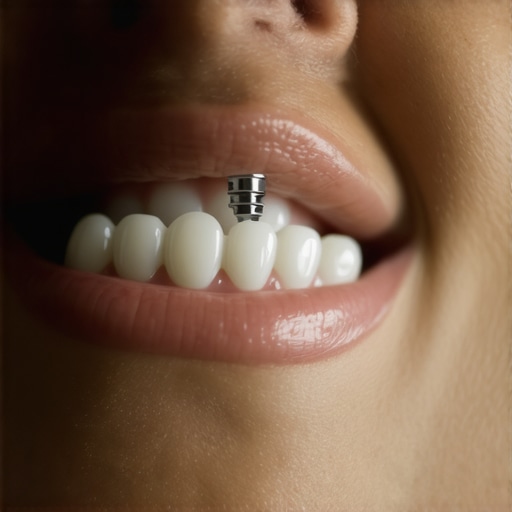
I remember the moment vividly—waking up one morning and noticing a strange, persistent soreness around my dental implant. At first, I brushed it off, thinking it was just normal healing or maybe a lingering irritation from dinner. But as days went on, that soreness turned into a dull ache, and I noticed a slight swelling that just wouldn’t go away. It was a lightbulb moment for me—something wasn’t right. I realized that my body might be rejecting the implant, and I had no idea how to tell for sure.
Recognizing the Signs of Dental Implant Rejection
Understanding whether your dental implant is being rejected can feel daunting, especially if you’re like I was—unsure about what symptoms to look for. Early detection is crucial because, if ignored, rejection can lead to further complications and the need for additional procedures. The good news? There are specific signs that, once you know them, can help you catch trouble early.
But before diving into those signs, I want to share a common mistake I made initially. I thought minor discomfort was just part of the process and didn’t seek professional advice right away. That delay almost cost me more in the long run. If you want to avoid that mistake, stay tuned. We’ll go through everything you need to watch out for so you can act swiftly and get the care you deserve.
Is Your Body Trying to Say No? Debunking the Skepticism
Many people wonder, “Can my body genuinely reject a dental implant?” It’s a valid question. The truth is, although rare, the immune response can sometimes see the implant as a foreign invader, leading to rejection. Symptoms can vary, making it tricky to identify at first. Plus, not all discomfort means rejection—sometimes, it’s just normal healing or other issues.
Research indicates that approximately 1-2% of dental implants may face rejection, often due to factors like immune sensitivity or infection (source: American Association of Oral and Maxillofacial Surgeons). So, while rejection isn’t common, it’s definitely a possibility you should be aware of.
If you’ve experienced any of these signs or are simply concerned, don’t ignore your instincts. The key is to stay informed and proactive—because catching problems early can make a real difference. Next, I’ll guide you through the specific symptoms to watch for and what steps to take if you suspect your implant isn’t happy where it’s at. Remember, your oral health is worth taking seriously, and I’ll be here to help you navigate through it.
Act Quickly When You Suspect Rejection
If you notice persistent soreness, swelling, or discomfort around your implant site, schedule a professional appointment immediately. Delaying can worsen the condition, leading to more invasive procedures. Contact your dentist ASAP—don’t wait for the pain to become unbearable. Use this contact form to book your visit.
Inspect Symptoms Carefully
Document any changes like increased swelling, bleeding, or sensitivity. Take photographs if possible; this can help your dentist assess the progression. Recognizing subtle signs early increases the chance of successful intervention. Remember, swelling that doesn’t subside in a few days warrants prompt evaluation.
Maintain Oral Hygiene Diligently
Gently brush and rinse with an antiseptic mouthwash to reduce bacterial load around the implant. Avoid irritating the area further by abstaining from hard foods and beverages. Proper cleaning is crucial; introducing a soft-bristled toothbrush can help clean without aggravating the site. Be cautious—overly aggressive cleaning can cause additional trauma. Learn effective cleaning techniques, such as the how to use a soft-bristled brush correctly.
Seek Immediate Professional Evaluation
Arrange an appointment with your dentist or specialist immediately. They will examine your implant and may perform diagnostic tests like x-rays or a CBCT scan to evaluate bone loss or infection. Early diagnosis can mean the difference between simple treatment and complex surgery.
What to Expect During the Evaluation
Your dentist will examine your gums, check for signs of infection, and assess implant stability. They might take samples to identify bacterial infection or inflammation. Be honest about your symptoms and their duration. This information guides the necessary treatment plan, which may range from antibiotics to removal of the implant.
Consider Additional Tests
In cases where rejection is suspected, advanced imaging such as a 3D CBCT scan can reveal detailed bone engagement and help determine the cause. These imaging techniques provide clarity on whether the implant is integrated properly or if rejection processes are occurring.
Follow Through with Prescribed Treatment
Adhere strictly to your dentist’s recommendations. This may include medications, changes in oral hygiene routines, or surgical intervention. Skipping steps can prolong recovery or worsen the condition. Keep communication open—if symptoms persist or worsen, promptly revisit your provider.
Post-Treatment Care
Depending on the diagnosis, post-treatment protocols may include antibiotics, anti-inflammatory medications, or minor surgical procedures. Maintaining optimal oral hygiene and attending follow-up appointments will support healing and help prevent future issues. Consider consulting your dentist about long-term oral health strategies, like regular checkups and cleanings to protect your investments in dental health.
Remember, early action is your best defense against implant rejection. Regular dental visits and prompt attention to symptoms help ensure your smile stays healthy and vibrant. If in doubt, reach out through our contact page for personalized advice. Staying proactive now can save you from more complicated and costly procedures later.
Many believe that once they’ve received a filling or a crown, their dental work is foolproof. However, a common misconception is that contemporary procedures like crowns or Invisalign are fail-safe with minimal maintenance. In reality, understanding the nuanced aspects of these treatments can significantly improve long-term outcomes. For instance, few realize that not all crowns are created equal—materials, preparation, and placement technique all influence durability and oral health benefits. Choosing the right crown involves more than aesthetics; it’s about understanding how different materials interact with your natural tooth structure and your bite, a topic detailed in our comprehensive guide on crowns for a healthier smile. \n\nAnother common myth pertains to Invisalign treatment. Many assume that aligners can be worn inconsistently without consequence. Yet, advanced studies show that even slight deviations from prescribed wear time can prolong treatment or lead to suboptimal results, especially in complex cases involving bite correction. This attention to detail is often overlooked by patients eager for convenience. To gain a deeper understanding of how Invisalign truly transforms family dentistry and the importance of adherence, check out Invisalign innovations. \n\nWhen it comes to oral health, most people focus on brushing and flossing but ignore the significance of personalized care plans. For example, gum diseases like perio are often misjudged as minor issues and left untreated. The mistake is assuming standard routines suffice for everyone. In fact, targeted preventive strategies tailored for your unique oral anatomy are essential for maintaining dental longevity. For advanced tips, see our top oral health tips. \n\nFinally, many underestimate the importance of early detection in crown fitting or identifying complex bite issues for Invisalign. Slight misalignments today can escalate into more invasive procedures later. Regular checkups by an experienced family dentist can reveal early signs of such issues, making intervention simpler. Remember, understanding these nuances isn’t just about knowing facts; it’s about actively safeguarding your family’s smiles for years to come.\n\nAre you aware of these subtleties? Have you ever fallen into this trap? Let me know in the comments.
Keep It Working: Tools I Trust for Long-Term Dental Success
Maintaining your dental work, whether it’s crowns, Invisalign, or implants, requires the right toolkit and methods. Over the years, I’ve refined my personal collection of tools that combine effectiveness with safety, ensuring my patients enjoy long-lasting results. One of my top recommendations is investing in a soft-bristled electric toothbrush. It provides superior plaque removal without damaging delicate restorations and is especially beneficial for patients with crowns or implants. I personally prefer models like the Oral-B Pro 1000 because of its proven track record and ergonomic design, which encourages consistent use.
Beyond brushing, incorporating a water flosser such as the Waterpik Aquarius can revolutionize oral hygiene, particularly for those with braces, crowns, or implants. It effectively dislodges debris and reduces inflammation, promoting healthier gums. I recommend setting the water pressure to a moderate level initially and gradually increasing as you become comfortable, ensuring you don’t damage sensitive tissues or restorations.
In addition to physical tools, digital solutions play a crucial role. Using an orthodontic monitoring app helps track Invisalign progress, ensuring you adhere to recommended wear times and hygiene routines. Regularly updating your records allows your dentist to provide timely advice, minimizing prolongation of treatment.
How do I keep my dental work in top shape over time?
Routine maintenance is key. Schedule bi-annual checkups where your dentist will professionally clean your teeth and evaluate your restorations’ integrity. During these visits, I also perform detailed inspections to catch early signs of wear or damage, which can be addressed before serious issues develop.
Implement daily habits like gentle brushing, use of interdental brushes, and avoiding foods that stain or crack your crowns. For example, I advise my patients to avoid hard candies and extreme temperatures, which can cause crowns to chip or loosen over time. If you have Invisalign, always remove trays before eating or drinking anything apart from water and clean your aligners thoroughly daily to prevent bacterial buildup.
Looking ahead, digital technology is set to take oral health maintenance to the next level. AI-driven diagnostic tools, such as intraoral scanners with predictive analytics, can identify subtle issues at early stages. Experts predict this will lead to more proactive care and personalized treatment plans, drastically reducing long-term costs and complications.
One advanced technique I highly recommend trying is the use of specialized dental sealants on vulnerable areas of your restorations. Applying sealants can prevent plaque accumulation and microleakage, extending the lifespan of crowns and bonding materials. Reviewing your current routine and incorporating this simple step could be a game-changer for your oral health.
If you’re serious about preserving your smile, start by integrating a high-quality water flosser into your daily routine and schedule regular professional assessments. Don’t wait for problems to become painful or visible—early intervention is always preferable. For personalized advice or to explore state-of-the-art tools, reach out through our contact page. Taking these steps today will ensure your dental work continues to serve you well for years to come.
Secrets That Changed My Approach to Family Dentistry
One of the most eye-opening lessons I learned was that consistency beats intensity. Regular checkups and daily diligence, like gentle flossing and proper brushing, forge stronger defenses against dental issues. Another insight was understanding the importance of personalized care—what works for one family member might not suit another. Recognizing subtle signs of early trouble, like slight gum sensitivity, can prevent costly procedures down the line. Lastly, embracing new technologies and techniques has revolutionized how I maintain long-term oral health, making preventative care both effective and less invasive.
Tools That Have Elevated My Dental Practice
Investing in a high-quality soft-bristled electric toothbrush, such as the Oral-B Pro 1000, has dramatically improved cleaning efficiency and comfort. Pairing this with a water flosser like the Waterpik Aquarius ensures hard-to-reach areas are tenderly cleaned, especially around crowns or implants. Digital tools, like orthodontic monitoring apps, help track Invisalign progress and maintain optimal wear adherence. Combining these resources empowers both clinicians and patients to stay proactive, catching issues early before they escalate.
Your Smile’s Future Starts Today
Remember, your journey toward a healthier, more confident smile isn’t just about treatments—it’s about creating lifelong habits and embracing innovative solutions. Every small step today, whether it’s adjusting your brushing routine or scheduling that overdue checkup, builds a foundation for brighter days ahead. Take charge, stay curious, and don’t hesitate to seek personalized advice—your family’s smiles deserve it. What’s the one change you’re willing to make today to improve your oral health? Share below, and let’s inspire each other!