
How to tell if your gums are actually receding
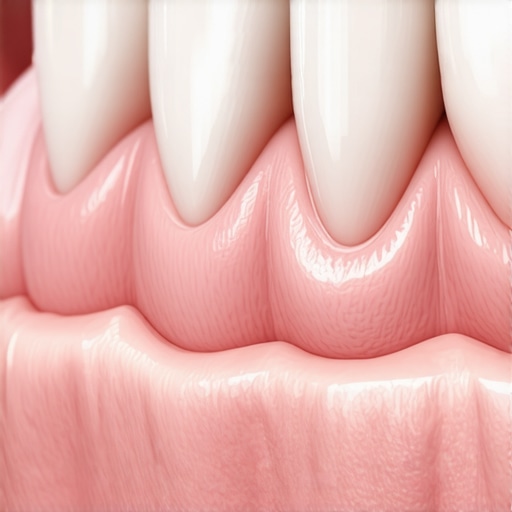
Ever caught yourself in the mirror, inspecting your gums with a mix of curiosity and concern? Maybe you noticed a tooth that seems a bit more exposed than usual or felt a slight sensitivity when sipping something cold. I remember stumbling upon this when I first started noticing my smile looked different, but I brushed it off, thinking it was just aging or maybe the way I was brushing.
Recognizing the Fuss About Receding Gums
That little moment of doubt led me to research, and what I found was eye-opening. Many folks don’t realize that gum recession isn’t just about esthetics; it’s a sign that our oral health might be in trouble. Ignoring it can lead to more serious issues like tooth sensitivity, decay, or even tooth loss. And honestly, I was surprised to learn that about 50% of adults experience some degree of gum recession by age 30, according to studies from the American Academy of Periodontology. So, if you’re wondering whether your gums are receding, you’re not alone.
Is Gum Recession Really a Big Deal?
Here’s the deal—early detection can save you a lot of discomfort and money down the line. But I’ll admit, I made a common mistake early on: I thought that if my gums looked a little different, I’d notice pain or obvious signs. Turns out, gum recession can be pretty sneaky. It can happen gradually, and you might not even feel it initially. That’s why understanding what to look for is essential. To help you out, I’ll guide you through the key signs and simple checks you can perform at home, and of course, when to see a professional.
If you’ve been wondering whether that tweak in your gum line warrants a dental visit or if you’re just overreacting, keep reading. We’re going to peel back the layers of this common but often overlooked issue. And trust me, taking action sooner rather than later can make all the difference.
Have you ever noticed a part of your gums that seems to be pulling away? Or felt that strange sensation when eating something hot or cold? If so, you’re not alone—and there’s a lot you can do to keep your smile healthy and confident. Let’s dive into how to tell if your gums are truly receding and what steps you should take next.
Brush with Intent and Precision
Start your daily routine by using a soft-bristled toothbrush to gently clean along the gum line. Aim for a 45-degree angle to sweep away plaque without irritating your gums. I once rushed through brushing and ended up with irritated gums because of too much pressure—so, light strokes are crucial. Using an electric toothbrush with built-in timers can help ensure you’re not overdoing it. Don’t forget to replace your toothbrush every three months or sooner if bristles fray.
Incorporate Proper Flossing Techniques
Flossing once daily is vital to remove debris and plaque between teeth, where brushes can’t reach. Guide the floss gently into the space between your teeth, curving it around each tooth in a C-shape and sliding beneath the gum line. I recall one morning where I neglected flossing and noticed increased sensitivity that afternoon. Consistent flossing can prevent plaque buildup that accelerates gum recession. Additionally, consider water flossers—these can be especially gentle and effective for sensitive gums.
Use Medicated or Therapeutic Gels
Therapeutic gels containing ingredients like aloe vera or chlorhexidine can reduce inflammation and promote healing. Applying these after brushing helps calm irritated gums. I tried a gel with aloe vera, and within days, I noticed less bleeding. Always consult your dentist before starting new treatments. Remember, gels are supplementary; maintaining proper oral hygiene is key.
Adjust Your Diet for Dental Wellness
Cut back on sugary and acidic foods, which contribute to plaque and enamel erosion, worsening gum health. Instead, include crunchy vegetables, calcium-rich dairy, and foods high in antioxidants. I adopted a more fiber-rich diet, and it made a tangible difference in my gum health. Drinking plenty of water also helps wash away food particles and bacteria. Proper hydration supports saliva production, which naturally fights plaque.
Schedule Regular Dental Visits
Professional cleanings remove tartar buildup that can’t be eliminated at home. Regular check-ups allow your dentist to spot early signs of recession or disease. During my last visit, my dentist identified early gum recession and recommended a deep cleaning, which prevented further damage. Be honest about your oral hygiene routines so your dentist can tailor advice specifically for you. Typically, visits every six months are sufficient, but those with sensitive gums may need more frequent assessments.
Consider Cosmetic Solutions for Immediate Improvement
If your gums have receded significantly, ask a professional about options like gum grafts or crowns. Crowns can restore the appearance and function of worn or damaged teeth—the same way crowns revolutionize restorative care. In my case, a crown restored my confidence after a chipped tooth, and I learned how much a proper restoration can also protect exposed roots from further recession. Sometimes, cosmetic fixes not only improve aesthetics but also reinforce your oral health.
Stay Informed About Invasive Procedures
For advanced cases, procedures like deep scaling and root planing may be necessary. Learn about options like Invisalign or other orthodontic solutions if misalignment is contributing to gum issues. My own experience with aligners showed how strategic technology can straighten teeth and reduce uneven stress on gums. These methods can be combined with traditional treatments to optimize results.
Addressing gum recession isn’t instant, but by taking these concrete steps, you actively protect and improve your oral health. Regular routines, professional guidance, and informed decisions create a solid foundation for healthier gums and a brighter smile.
When it comes to dental restorations and orthodontic solutions like crowns and Invisalign, there’s a surprising amount of misinformation and overlooked details even among regular patients. Many believe that crowns are just cosmetic fixes or that Invisalign is only for teenagers, but the reality is far more nuanced. Let’s explore some of the common myths and advanced pitfalls that can hinder your dental journey.
One prevalent misconception is that crowns are purely cosmetic, meant only to enhance appearance. While they do improve aesthetics, their primary function is restoring tooth strength and functionality. Properly designed crowns can also prevent further decay and protect compromised teeth from future damage. In fact, crowns are a significant component of modern restorative dentistry, often serving as the definitive solution for structurally weakened teeth.
Another mistake many make involves underestimating the importance of material choice. Not all crowns are created equal, and selecting the wrong type—be it porcelain, metal, or a hybrid—can lead to issues like chipping, discoloration, or even allergic reactions. Advanced patients should discuss with their dentist which material aligns with their bite forces, aesthetic goals, and biocompatibility. Something you might overlook is that the longevity and integration of your crown depend heavily on these selections.
Switching gears to family dentistry, a common trap involves dismissing early signs of gum disease or decay, assuming they will resolve on their own or that professional help can wait. Ignoring blinking signals, such as bleeding gums or persistent bad breath, can lead to advanced periodontal issues. Regular check-ups are crucial, especially since growing evidence indicates that preventive family dentistry significantly reduces long-term dental problems.
Now, let’s tackle Invisalign, which is often misunderstood as a solution only suitable for cosmetic correction. Many don’t realize that Invisalign’s clear aligners can also address complex bite issues and jaw alignment problems, sometimes even replacing traditional braces entirely. However, a common mistake is neglecting compliance—patients fail to wear aligners as prescribed, which dramatically reduces treatment efficacy. Furthermore, advanced users should be aware of emerging options like Invisalign improvements for complex cases, which are transforming the scope of what aligners can achieve.
Are there pitfalls in trusting impressions or DIY solutions? Absolutely. Rushing through mold-taking procedures or trying at-home whitening without professional guidance can introduce risks like misalignment or enamel damage. Always consult with experienced dentists to navigate these nuances.
Make no mistake—dental treatments are more than surface fixes. They involve intricate choices that determine your oral health’s future. If you’re considering crowns, Invisalign, or any family dental work, ask your dentist detailed questions about materials, techniques, and advanced options. Doing so ensures your treatment isn’t just effective but also tailored to your specific needs.
Have you ever fallen into this trap? Let me know in the comments. The more informed you are, the better your smile will serve you for years to come.
Keep It Working: Tools and Techniques for Lasting Dental Wellness
Maintaining a healthy smile over the years requires more than just regular brushing and flossing; it demands the right tools and a strategic approach. As someone deeply invested in advancing my oral health routine, I’ve discovered specific equipment and software that truly make a difference. These tools not only enhance daily care but also help track progress, identify issues early, and ensure long-term results.
Why I Switched to a Smart Electric Toothbrush
After experimenting with various brushes, I settled on a high-end electric toothbrush equipped with AI-driven features like real-time pressure sensors and personalized coaching. The Oral-B Genius X has transformed my brushing routine by providing immediate feedback on brushing angles and pressure, which is crucial for preventing gum recession. Unlike manual brushing, this device ensures consistent technique, saving me from common mistakes such as over-brushing or missing areas. I recommend incorporating a quality electric brush into your routine for optimal plaque removal and gum preservation.
Leveraging Software for Oral Health Monitoring
Beyond hardware, I utilize dedicated dental health apps that sync with my toothbrush. These apps track brushing duration, frequency, and coverage, offering detailed reports that I review weekly. They help me identify patterns, such as neglected areas or increased plaque buildup, enabling targeted improvements. Technologies like advanced oral health monitoring software are shaping the future of personalized dental care. Such tools are invaluable for those managing complex cases like crown restorations or Invisalign treatments, ensuring maintenance routines are never overlooked.
Invisalign and Digital Smile Design: Embracing Technology
For orthodontic stability and long-term aesthetics, I trust digital solutions like Invisalign. The clarity and comfort they offer make upkeep easier, while their accompanying software enables precise tracking of tooth movement over time. Regular virtual check-ins with my orthodontist help me stay on top of my treatment without frequent in-person visits. The trend towards digital dentistry indicates a future where AI and imaging will customize and optimize long-term dental strategies even further.
How Do I Maintain My Dental Tools Over Time?
Proper maintenance of your dental tools is essential for sustained performance. Regularly replace attachments on electric brushes, keep devices clean and dry, and update software when prompted. Also, professional cleanings and calibrations ensure your equipment functions flawlessly. From my experience, routine upkeep prevents malfunctions and prolongs the lifespan of these investments, making them more cost-effective in the long run.
Looking ahead, innovations like smart dental scanners and AI-powered care plans promise even more personalized and effective long-term maintenance. Staying informed and adopting these tools now can put you ahead in preserving your oral health for decades. I highly encourage you to try integrating a smart electric toothbrush with a monitoring app — this approach has genuinely elevated my dental routine and results.
Lessons That Changed My Approach to Dental Care
- Getting a crown is not just about fixing a tooth; it’s about understanding the material’s impact on your long-term health. I once chose aesthetics over durability, which led to frequent repairs. Now, I prioritize choosing the right material for my needs, ensuring both function and longevity.
- Family dentistry goes beyond individual preventive care. I realized that regular visits for every family member, especially kids, set the foundation for lifelong habits and oral health awareness. Early detection saved me from more invasive procedures later.
- Invisalign isn’t just a cosmetic tool; it can correct bite issues that predispose you to gum recession. I learned that compliance is key—wearing aligners as prescribed makes a tangible difference in outcomes.
- Personalized advice from a trusted dentist beats generic online tips. Building a relationship with your dental professional helps tailor solutions, from preventive strategies to cosmetic fixes, ensuring your smile stays healthy and confident.
My Must-Have Resources for Dental Wellness
- High-Quality Electric Toothbrush: I swear by the Oral-B Genius X for real-time feedback and gentler brushing, which prevents gum recession. It’s a game-changer for consistent technique.
- Oral Health Monitoring Apps: Tools that sync with your toothbrush can track your habits and highlight areas needing improvement. They’ve made me more mindful and proactive about my dental care.
- Professional Dental Guides: The articles and guides from reputable sources like Family Dentist Pro have deepened my understanding of procedures, helping me ask better questions and make informed decisions.
- Orthodontic Innovations: Exploring newer options like digital smile design and advanced invisalign features has broadened my perspective on achievable results and long-term health benefits.
Keep Your Smile Strong for Years to Come
Your journey toward optimal oral health isn’t a one-time effort—embrace the tools, knowledge, and habits that empower you. Remember, taking small consistent steps today builds a resilient smile that will serve you well into the future. So, keep learning, stay proactive, and don’t hesitate to reach out to your trusted dental team for personalized strategies. Your smile deserves it!
What’s the one dental care change you’re excited to try or improve? Share your thoughts below—I’d love to hear your story!