
The Best Way to Introduce Your Baby to the Dentist
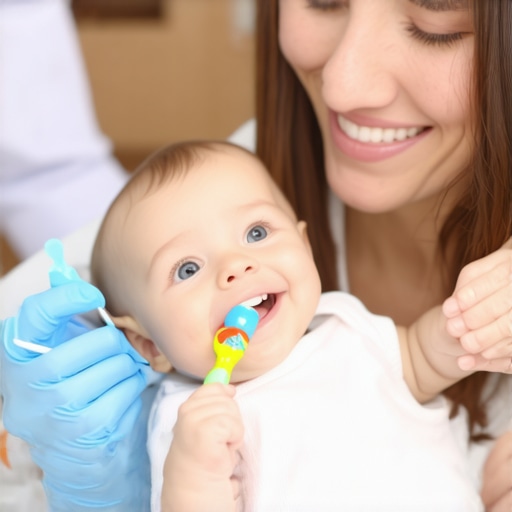
I remember the first time I took my little one to the dentist. It was a small, brightly lit office, but to my kiddo, it seemed like a giant adventure—filled with unfamiliar sounds and strange tools. The struggle to keep my child calm and cooperative felt overwhelming, and I wondered if I was doing it right. That lightbulb moment hits hardest when you realize that early dental visits aren’t just about cleanings—they set the tone for your child’s lifelong oral health. If you’ve ever faced a stressed-out toddler at the dental office, you’re not alone. Today, I’m here to share the secrets I’ve learned from personal experience and professional advice to turn that first visit into a positive experience. We’ll explore practical strategies to introduce your little one to the dentist comfortably, reducing anxiety for both of you. As parents, our main goal is to make these early experiences as smooth as possible, paving the way for healthier smiles and happier visits in the future. Did you know that children who have positive dental experiences are more likely to maintain good oral habits into adulthood? According to the American Academy of Pediatric Dentistry, early visits help prevent future dental issues and build trust with your child’s dental care team. So, let’s dive into how to make that first appointment not just bearable, but genuinely beneficial. In the next section, we’ll look at the best ways to prepare your child and set expectations—because a little preparation goes a long way. Are you ready to transform those nerve-wracking first visits into an exciting milestone for your child’s health? Let’s get started.
Set Realistic Expectations Early
Start by having an honest talk with your family dentist about your goals and concerns. For example, I once sat down with my dentist to discuss my daughter’s misaligned teeth, which led us to explore Invisalign options. Clear communication ensures everyone is on the same page and prepares you for the journey ahead.
Properly Prepare Your Child for Dental Visits
Before appointments, explain what will happen using simple terms, like comparing braces or crowns to superhero armor protecting teeth. I found that reading children’s books about visiting the dentist or role-playing with a toothbrush helped my son feel more comfortable. Consistent prep reduces anxiety and builds trust.
Use Visual Aids to Demystify Procedures
Visual aids or models can clarify what a crown or Invisalign tray does. I once showed my daughter a mini model of a tooth with a crown, making the concept less intimidating. This tangible understanding makes procedures seem less overwhelming.
Implement Daily Oral Care Routines
Establishing habits is crucial. Brush twice daily with fluoride toothpaste, floss regularly, and consider using mouthwash designed for kids. For instance, I set a timer to ensure my kids brush for two minutes, which improved their technique and cleanliness.
Choose the Right Tools for Your Family
Select toothbrushes with soft bristles, ergonomic handles, and fun designs to motivate children. An electric toothbrush can make cleaning easier and more effective—I’ve seen my kids more engaged with their electric brushes, leading to cleaner teeth and fewer cavities.
Protect and Maintain Dental Restorations
When using crowns or Invisalign, proper care is vital. Avoid biting into hard foods that could chip a crown. I learned this the hard way when my daughter bit into an ice cube, causing her crown to loosen. Regular check-ups ensure restorations stay secure and function correctly.
Schedule Regular Dental Check-ups
Bi-annual visits help catch issues early. During my last appointment, the dentist noticed early signs of grinding, which we addressed before significant damage occurred. Routine visits are like getting a health report card for your teeth.
Leverage Modern Dental Technologies
Advances like digital X-rays or 3D imaging provide detailed views without discomfort. These tools help in planning treatments like crowns or Invisalign aligners effectively. I appreciated the quick, painless scans during my appointment, which sped up diagnosis and minimized my child’s waiting time.
Seek Expert Guidance for Long-Term Results
Choosing a qualified dentist for procedures like crowns or orthodontics influences the outcome. I opted for a specialist with extensive experience, which assured me of durable, aesthetically pleasing results. Don’t hesitate to ask about their credentials or view before-and-after photos.
Maintain a Healthy Diet to Support Oral Health
Limit sugary snacks and drinks that promote decay. Incorporate crunchy vegetables and dairy to strengthen teeth. For my family, swapping candies for cheese or apples made a noticeable difference in cavity prevention and overall oral wellness.
Handle Emergency Situations Swiftly
If your child chips a tooth or experiences pain, act immediately. Rinse the mouth with warm water and contact the dentist promptly. I kept a dental emergency kit with gauze and a cold compress, which helped manage my child’s discomfort until professional care was available. Quick responses can prevent further damage and reduce procedural complexity.
While many people have a basic understanding of dental care, there are subtle nuances and common myths that can significantly impact your long-term oral health. One widespread misconception is that dental crowns are only for aesthetic improvements, but in reality, they are a cornerstone in restorative dentistry, offering durability and protection against decay or damage that can’t be overlooked. Many assume that once a crown is placed, no further maintenance is necessary, yet improper oral hygiene around restorations can lead to gum recession or decay at the margins—an often overlooked pitfall leading to premature crown failure. These nuances highlight the importance of proper care and understanding your restorations’ real purpose.
In the realm of family dentistry, there’s a prevalent myth that children should avoid sealants or fluoride treatments, but in fact, these preventative measures are evidence-based strategies to lower cavities’ risk significantly. Neglecting them may seem harmless, but it can lead to avoidable decay that complicates future treatments and increases costs. It’s a common trap where parents underestimate the importance of early prevention, which science now clearly supports.
Regarding Invisalign, many believe it’s only a cosmetic tool rather than a functional orthodontic solution. However, advanced techniques and innovations have expanded its role in addressing complex cases—improving bite function and jaw alignment over time, not just straightening teeth. Overlooking this can cause patients to miss out on comprehensive benefits, including the hidden advantages of modern clear aligners. Curious about how Invisalign could alter your family’s dental health? Check out the latest innovations here.
A common mistake often made is underestimating the importance of maintaining good oral health beyond just preventing cavities. Oral health is linked to overall wellbeing, impacting cardiovascular health, diabetes management, and even mental health. For instance, neglecting gums can lead to periodontal disease, which has been associated with increased heart disease risk. This interconnectedness is frequently overlooked, making it critical to adopt a holistic approach to dental care.
**What elements do most people get wrong about family dental care?** Often, it’s the belief that routine visits are only necessary when problems arise. In fact, regular check-ups serve as a preventive shield, catching issues early before they develop into painful, costly problems. Also, many underestimate the role of modern technology—like digital X-rays and intraoral scanners—in making visits quicker, safer, and more precise. Staying informed about these advances can empower you to make better decisions for your family’s dental health. Read more about the latest trends in family dentistry.
Don’t fall into these common traps: question assumptions, seek expert advice, and stay updated with technological advancements. Your awareness makes all the difference in lifelong oral health. Have you ever fallen into this trap? Let me know in the comments. For personalized guidance, don’t hesitate to reach out to our team. Remember, understanding the nuances in dental health isn’t just for specialists—it empowers you to protect your family’s smiles better every day.Maintaining dental work like crowns, Invisalign, and other restorations requires not only good habits but also the right tools. Personally, I rely on high-quality electric toothbrushes equipped with soft bristles, such as the Philips Sonicare ExpertClean, which I chose for its superior plaque removal and gentle gum care. The oscillating-rotating technology ensures thorough cleaning without damaging delicate restorations, preventing premature wear down. For precise, around-the-tooth cleaning, I use interdental brushes like the GUM Soft Picks, which easily reach tight spaces and help maintain gum health—crucial around crowns and orthodontic attachments. Regular use of water flossers, such as the Waterpik Aquarius, makes daily flossing more manageable, especially for family members with limited dexterity. They effectively remove debris from around aligners or crowns, reducing decay risk at margins. When it comes to aligner care, I recommend cleaning trays with Invisalign-specific cleaning crystals, like Invisalign’s Cleaning System, which I personally find effective in preventing cloudiness and bacteria buildup, ensuring clear trays and healthy oral tissue. Software like Dental Monitoring allows remote check-ins with the dentist, saving time and catching issues early—it’s a trend expected to expand, with AI-driven tools predicting maintenance needs before problems arise. To keep restorations in top shape, routine professional check-ups are essential; I book these well in advance and discuss any concerns, like early signs of gum recession or minor chips, with my dentist. How do I maintain crowns and Invisalign over time? I follow strict oral hygiene routines combined with these advanced tools, and I schedule regular visits to catch any problems early—like slight margin decay or removal of plaque buildup that could compromise longevity. Staying proactive with these practices makes all the difference in long-term success. If you want to keep your dental restorations working their best, I strongly encourage trying an electric toothbrush with sensitive mode and interdental cleaning aids—they’re game-changers. For comprehensive tips, visit our family dentistry resource page or contact us for personalized advice on tools tailored for your needs.One of the most profound insights I gained from working with crowns and family dentistry is that preventative care truly pays dividends—saving you both money and discomfort in the long run. I vividly recall a young patient who narrowly avoided an extraction because diligent maintenance and early intervention kept her natural tooth intact. This experience taught me that consistent, personalized routines can transform dental health from a reactive chore into a proactive lifestyle. Furthermore, I realized that transparency and patient education foster trust—empowering families to make informed decisions rather than relying on myths or misconceptions about treatments like Invisalign or crowns. Another unexpected lesson was how technological advances, like 3D imaging, don’t replace the importance of human connection; they enhance it by making visits quicker and less stressful, especially for children. These lessons remind us that dental health is not just about teeth—it’s about confidence, happiness, and building lasting relationships based on care and understanding.