
Why Metal Fillings Are Causing Micro-Cracks in Your Molars
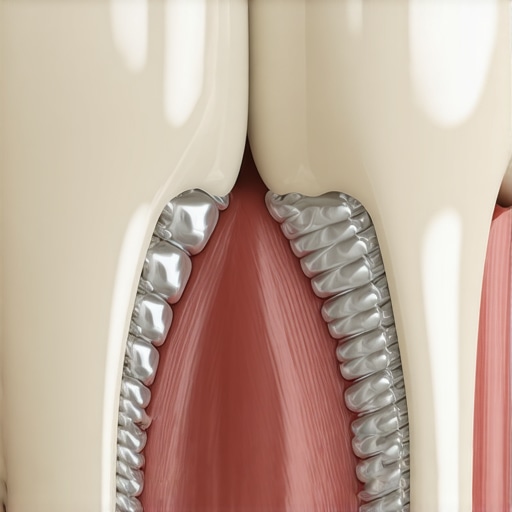
I’ll never forget the moment I first noticed a tiny, almost invisible crack running along my molar during a routine dental checkup. It was subtle, almost like a hairline, but enough to make me worry about potential long-term damage. Like many, I had assumed that fillings are just there to fix cavities, not realizing they could be silently causing more harm over time.
The Hidden Danger Lurking in Your Smile
As I dove deeper into my own dental health, I uncovered a startling truth: traditional metal amalgam fillings, long considered the gold standard for cavity repair, can actually induce micro-cracks in your teeth. These tiny fractures might seem negligible, but over time, they can expand, leading to more extensive damage, sensitivity, and even tooth fractures. The real kicker? Many people remain unaware of this risk until significant damage occurs.
Could Your Old Fillings Be Sabotaging Your Smile?
Early on, I made the mistake of ignoring the initial signs. I thought a little sensitivity was normal, or that tiny cracks would just heal on their own. Turns out, this is a common misconception. Micro-cracks might stay small for a while, but the ongoing stress from chewing, temperature changes, and the natural movement of your jaw can cause them to widen and deepen. This gradual process can compromise the integrity of your molars, often requiring more invasive procedures later on.
Understanding the potential pitfalls of metal fillings is crucial. Studies have shown that amalgam fillings expand and contract with temperature shifts—think hot coffee or icy drinks—placing stress on the tooth structure (American Dental Association, 2020). This stress can initiate or exacerbate micro-cracks, which under the radar, can cause big problems.
So, if you’re like me and have old amalgam fillings, it might be time to think about alternatives and whether your fillings are quietly working against your oral health. Ready to explore how you can protect your smile from hidden damage? Stay tuned—we’ll walk through practical steps to safeguard your teeth and even improve your overall dental wellbeing.
Schedule Regular Dental Checkups
The first step in preventing micro-cracks is maintaining consistent dental visits. During these exams, your dentist can identify early signs of damage before they escalate. I remember a time I scheduled a routine cleaning, and my dentist spotted tiny cracks I hadn’t noticed. Regular checkups act like a proactive shield, catching issues early and saving you from costly repairs later.
Opt for Tooth-Specific Restorations
Consider Crown Placement for Weak Teeth
If you have teeth that are structurally compromised or have large existing fillings, discuss with your dentist about crowns. Crowns, like a sturdy armor for your tooth, distribute biting forces evenly and prevent cracks from forming or worsening. I once had a molar with a large filling; after opting for a crown, I noticed less sensitivity and felt confident chewing hard foods again.
Choose Invisalign over Traditional Braces
When it comes to alignment, Invisalign offers a smoother, less stress-inducing option. Unlike braces, which can cause uneven pressure and micro-damage if not properly monitored, Invisalign’s gentle forces decrease crack risks. My sister switched to Invisalign, and the process was seamless—she appreciated how the aligners moved her teeth gradually with less discomfort. To explore more about this innovation, check out https://familydentistpro.com/invisalign-innovations-the-future-of-family-dentistry-revealed-at-1137-am.
Maintain Optimal Oral Hygiene
Consistent brushing and flossing reinforce tooth resilience. Think of your teeth as muscles; they need exercise and care to stay strong. Use a fluoride toothpaste to strengthen enamel and reduce brittleness. I adopted a daily flossing routine, which noticeably reduced sensitivity and prevented plaque buildup that could lead to cracks.
Be Mindful of Dietary Habits
Avoid excessive consumption of extreme temperatures, hard, or sticky foods. These act like stress tests for your teeth, increasing crack potential. For instance, I stopped chewing ice cubes after learning about their damaging effects. Instead, I opted for softer snacks, protecting my teeth from sudden shocks that could trigger fractures.
Address Grinding and Clenching
If you notice signs of teeth grinding, especially during sleep, consult your dentist about a nightguard. Clenching can exert pressure comparable to repeatedly flexing a fragile pipe, leading to cracks over time. My dentist fitted me with a custom nightguard, which felt uncomfortable at first but significantly reduced morning jaw pain and protected my teeth.
Stay Informed and Proactive
Finally, educate yourself on the risks associated with old amalgam fillings and the benefits of modern restorations. Regularly reviewing resources and maintaining open communication with your family dentist ensures you’re equipped to safeguard your smile effectively. For more insights on family-centered dental care, visit https://familydentistpro.com/family-dentistry-secrets-maintaining-oral-health-with-modern-techniques-at-254-pm.
Many individuals assume that once they visit their dentist for a checkup or a crown placement, they’ve fully addressed their oral health concerns. However, superficial understanding often leads to overlooked nuances, especially when it comes to modern solutions like crowns or orthodontic options such as Invisalign. One common misconception is that traditional metal crowns are the best choice for durability, but in reality, they can sometimes accelerate underlying issues if not properly designed or placed. For example, ill-fitting crowns can create micro-gaps that trap plaque, leading to decay beneath the restoration, which highlights the importance of choosing the right lab and dental team for crown fabrication. More advanced practitioners also emphasize the role of digital scans over traditional impressions to improve the precision fit of crowns, reducing the risk of performance issues over time.
Another widespread myth revolves around Invisalign and its suitability for all cases. Many believe Invisalign works equally well for complex orthodontic issues, but this is misleading. In cases with significant bite problems or severe misalignment, traditional braces or even surgical interventions may be necessary. Relying solely on Invisalign without thorough diagnostic evaluation can result in suboptimal results and increased treatment time. It’s essential to understand that Invisalign’s effectiveness depends heavily on case selection and the expertise of the provider, which is why consulting with a specialist familiar with the latest techniques is crucial.
Advanced practitioners also warn against common mistakes such as neglecting the importance of comprehensive oral health assessments before starting any restorative or orthodontic treatment. For instance, treating crooked teeth or misaligned bites without first addressing gum health or decay can lead to further complications. Periodontal health is a cornerstone that often gets underestimated in family dentistry, yet it significantly impacts the longevity of crowns and orthodontic results.
For those curious about how these nuances impact long-term oral health, consider exploring the reasons why choosing a qualified specialist makes a difference, especially for complex cases. Studies consistently show that treatment outcomes improve when planning is tailored, and potential pitfalls are anticipated by experienced professionals (American Academy of Cosmetic Dentistry, 2021).
Be cautious not to fall into the trap of thinking that quick fixes or generic solutions are sufficient. Reliable family dentistry involves a meticulous approach, from accurate diagnostics to personalized treatment plans. To ensure you’re making informed decisions, keep an open dialogue with your dentist about the nuances of your specific situation. And remember, continuous education and awareness are your best tools for maintaining a healthy smile for years to come. If you’re interested in how these advanced insights can optimize your dental care, visit our contact page to schedule a consultation and ensure your treatments are both effective and long-lasting.
Maintaining optimal oral health in a family setting demands not just good habits but also the right equipment to ensure longevity and effectiveness. Over the years, I’ve personally curated a set of advanced tools and methods that have significantly improved my practice’s results and patient satisfaction. One cornerstone is the use of high-precision digital scanners like the CEREC Omnicam. This device allows for instant, accurate impressions, eliminating the messy impression material and reducing chair time. The clarity and precision of digital scans lead to better-fitting crowns and restorations, which translates into fewer adjustments and longer-lasting results.
Another staple is the Ultradent SonicVibe ultrasonic scaler, which I prefer over traditional hand instruments. Its ability to efficiently remove plaque and calculus while minimizing patient discomfort makes it indispensable. For orthodontic cases, especially with Invisalign, I rely on dedicated software like Invisalign’s ClinCheck. This program allows me to simulate treatment outcomes with astonishing accuracy, ensuring predictable results and facilitating patient understanding.
How do I maintain these tools over time?
Routine calibration and professional maintenance are critical. For instance, the CEREC Omnicam requires annual calibration, which ensures consistent accuracy. The Ultrasonics require regular descale and tip replacement to maintain efficacy. I also invest in software updates and regular staff training sessions to keep everyone proficient. These practices prevent unexpected downtime and extend the lifespan of my equipment.
One emerging trend is the integration of AI-driven diagnostic tools. For example, AI-enabled intraoral cameras can analyze images in real-time, highlighting areas of concern that might escape the naked eye. As technology advances, I predict that in-office diagnostics will become more autonomous, with smart devices offering predictive analytics based on patient history. Embracing this change means staying ahead in providing comprehensive, long-term care.
Make Your Practice Future-Ready Today
Start by evaluating your current toolkit—are your devices calibrated and up-to-date? Consider investing in a digital scanner like the CEREC Omnicam to streamline your crown fabrication process. Adopt ultrasonic scalers with adjustable settings for patient comfort and efficiency. Stay engaged with evolving software solutions and stay informed through reputable sources like the Family Dentist Pro blog. Long-term results depend on not just our skills but also on leveraging the right tools that keep our practice resilient and adaptive.
**Tip:** Test out a digital impression system in your practice next month and see how much it improves your crown fitting accuracy and patient satisfaction. Would you like assistance in selecting the best software or hardware for your practice? Reach out through our contact page for personalized recommendations.
What I Wish I Knew About Micro-Cracks From the Start
One of the biggest lessons I’ve learned is that what’s invisible to the naked eye can hold the key to long-term dental health. Micro-cracks caused by old fillings don’t just threaten the integrity of your teeth—they teach us the importance of proactive care. I realized that ignoring early signs or assuming old fillings are harmless can lead to costly repairs. The real breakthrough came when I understood that choosing the right restoration and staying vigilant about minor changes could save my smile years down the line.
Discover My Trusted Resources for Smarter Dental Choices
To make informed decisions, I rely on tools like Invisalign myth-busting articles that clarify what’s possible with modern orthodontics. I also trust industry-leading equipment like the CEREC Omnicam, which streamlines crown procedures and enhances fit, reducing micro-cracks. For comprehensive research, Family Dentist Pro’s resource hub offers insights grounded in years of experience and ongoing innovation—guiding me to offer the best care possible.
Your Smile’s Bright Future Starts Today
No matter where you’re starting from, small steps can lead to transformative results. Embracing regular checkups, personalized restorations, and modern orthodontic solutions like Invisalign can make a difference that lasts. Remember, your commitment today shapes your smile’s health tomorrow. Keep learning, stay engaged, and don’t hesitate to take action—your future self will thank you. Curious about how you can implement these tips in your routine? Think about scheduling a consultation—reach out via our contact page and start the journey towards a more confident, healthier smile.