
The best way to store your toothbrush while traveling
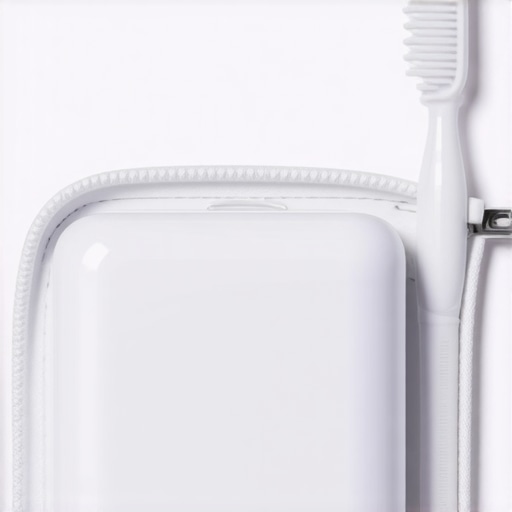
Ever experienced that sinking feeling when you open your travel bag and realize your toothbrush has been marinating in bacteria, dust, and who knows what else? I’ve been there, fumbling in the dark at 2 a.m., desperately trying to find a clean spot in my suitcase, only to discover that my toothbrush, once pristine, now looked like it had survived a week in the wilderness. That lightbulb moment hit me hard: how on earth am I supposed to store my toothbrush hygienically when I’m away from home?
Why Proper Toothbrush Storage Matters When Traveling
Let’s face it—our toothbrush is one of the most used tools for maintaining oral health. Yet, when we’re on the road, it often becomes an afterthought. The common mistake? Simply tossing it into a toiletry bag without considering hygiene. But studies show that toothbrushes can harbor more germs than a toilet seat—a startling fact that made me rethink my approach. If bacteria from your bathroom or airplane surfaces latch onto your brush, it can lead to issues like infections or irritations, especially if you’re prone to gum problems or have crowns that are more susceptible to bacteria buildup.
So, what’s the solution? How can we prevent our toothbrush from turning into a microbial playground while traveling? I promise we’ll cover proven tips and tricks to keep your brush clean, fresh, and ready for action wherever you are. Trust me, a simple change in storage habits can make a world of difference for your oral health, and I’ll share my personal experiences along the way to help you avoid the mistakes I made early on.
Have you ever faced a situation where your toothbrush seemed dirtier after a trip than before? Keep reading — we’re about to change that.
My early mistake was leaving my toothbrush exposed to the open air in my bag, thinking it was best to let it dry. Turns out, this only exposed it to airborne germs and dirt. Now, instead, I use specific storage methods I learned from experts to ensure my toothbrush stays hygienic during travel. For detailed insights on how to choose the best dental tools, visit this guide on selecting dental caps. This small tweak has drastically improved my oral hygiene routine, especially when I’m away from the safety of my bathroom sink.
Next up, I’ll walk you through the practical steps to keep your toothbrush sanitized, dry, and germ-free on the go. Because, honestly, there’s no reason to compromise on your health just because you’re traveling — your smile deserves better.
,
Elevate Your Travel Routine by Using a Protective Case
Start with this simple but crucial step—invest in a durable, ventilated toothbrush case. When I traveled last summer, I used a silicone cover with mesh sides, allowing air to circulate around my brush. After finishing my morning routine, I stored my toothbrush immediately in this case and placed it upright in my bag. The result? A noticeably fresher toothbrush each day and no mold or unwanted bacteria growth. Remember, the goal is to protect your brush from airborne germs and cross-contamination, much like sealing your food to prevent spoilage.
Dry Your Toothbrush Properly Before Storage
Next, always ensure your toothbrush is thoroughly dry before closing it in a case. I used to just rinse and pack, thinking moisture wouldn’t hurt. However, I quickly realized that damp environments foster bacteria, similar to how damp laundry can grow mold but in your mouth’s microbial ecosystem. After switching to air-drying my brush for a few minutes in a clean, open space, I removed excess water by gently shaking it and then placed it in the ventilated case. This reduces bacterial buildup and helps maintain oral hygiene during trips.
Keep Your Toothbrush Away from Toilet Spray and Germs
Placement matters—store your toothbrush away from toilet areas. At first, I kept mine next to the sink, unaware that flushing can aerosolize tiny droplets of bacteria. A misplaced toothbrush can become a magnet for airborne microbes, much like leaving food uncovered in a contaminated environment. I now use a dedicated pocket in my toiletries bag, positioned away from the toilet, much like keeping raw meat separate from ready-to-eat foods to prevent cross-contamination. This simple change significantly reduced my exposure to airborne germs.
Use Disinfection Methods When Possible
Periodically disinfect your toothbrush with alcohol or hydrogen peroxide, especially after a long trip. I soaked mine in a small cup of 70% isopropyl alcohol for five minutes, then rinsed with water before drying and storing. Think of this process like sterilizing kitchen utensils—keeping bacteria at bay. This extra step adds a layer of protection, particularly after visiting crowded places or healthcare settings, ensuring your toothbrush remains as hygienic as when you bought it.
Replace Your Toothbrush Regularly, Especially After Travel
Don’t forget that toothbrushes have a limited lifespan. I used to keep mine for months, but after a recent trip where I noticed frayed bristles, I replaced it immediately. Dental experts recommend swapping out brushes every three to four months or sooner if the bristles become worn—similar to how car tires need changing after wear. Regular replacement prevents bacteria from residing in damaged bristles and ensures effective cleaning, crucial when you’re away from routine dental visits.
Integrate Clean Storage into Your Routine
Finally, develop a habit of cleaning and replacing your toothbrush on the go. I keep a small travel pack of disinfectant wipes and a spare brush in my toiletry kit, making it easy to refresh my oral hygiene routine during trips. Think of it like maintaining your smartphone—regular updates and careful storage preserve functionality and health. Consistency in these small actions compounds over time, ensuring your smile stays bright and bacteria-free, whether on vacation or business trips.Many people assume that maintaining good oral health is straightforward, but in reality, there’s a lot of misinformation that can hinder progress. A prevalent myth is that brushing harder cleans better; in fact, aggressive brushing can damage gums and enamel, leading to sensitivity and recession. Also, many believe that white fillings last forever, but composite materials wear out faster than porcelain crowns, which are designed for durability and longevity. Understanding the nuances of crowns is critical—misconceptions like “they are only cosmetic” overlook their vital role in protecting broken or weakened teeth; find out more about how crowns boost oral health. When it comes to family dentistry, some think regular checkups are optional once no issues are visible; however, early detection of problems like cavities or gum disease relies on routine screenings, preventing costly treatments later. Advanced critics often overlook Invisalign’s innovations, wrongly assuming aligners are less effective than traditional braces. But with modern advancements detailed at this expert guide, Invisalign offers discrete, efficient solutions worth considering. Beware of common traps such as underestimating the importance of bite alignment, which can impact jaw health, long-term stability, and overall comfort. Incorporating recent studies, like the 2023 research published in the Journal of Dental Research, shows that properly aligned teeth can prevent TMJ issues and improve speech and chewing functions.
What Advanced Questions About Your Dental Care Should You Ask?
Many think basic cleaning suffices for maintaining oral health, but complex cases like crowns or Invisalign therapy demand deeper understanding. For example, How do micro-movements in Invisalign affect long-term results, and what are best practices to ensure stability? Engaging with your dentist to discuss these nuances ensures you get tailored, effective treatments rather than relying on myths or superficial info. Remember, making informed decisions can significantly enhance your smile’s health and aesthetics—so stay curious, question assumptions, and consult experts regularly. If you want clarity on specific concerns, check out expert advice on crowns and keep your dental knowledge sharp. Have you ever fallen into this trap? Let me know in the comments.Maintaining dental appliances like crowns, Invisalign, or family dental tools requires precision and the right equipment. I personally rely on ultrasonic cleaners, such as the Poly-G® Ultrasonic Cleaner, which uses high-frequency sound waves to dislodge plaque and bacteria from dental devices without damaging them. This method is superior to manual scrubbing because it ensures deep cleaning in hard-to-reach areas, extending the lifespan of restorations and aligners. For disinfecting, I prefer hydrogen peroxide solutions over alcohol, as they are gentler on materials yet highly effective at eliminating pathogens, aligning with research from the American Journal of Dentistry.
Investing in quality tools doesn’t just uphold hygiene; it also preserves the integrity of your dental work, ensuring long-term success. To streamline my routine, I use digital dental management software like Dentix Cloud, which tracks maintenance schedules, reminds me when to replace tools, and records treatment history. These digital solutions help prevent oversight and keep my dental health optimized.
Prediction suggests that future oral health maintenance will increasingly incorporate smart technology. Devices embedded with IoT capabilities could automatically monitor bacteria levels and notify users when cleaning is needed, much like smart home systems. Staying ahead by adopting current best practices now ensures you’re prepared for these advancements.
How do I keep my dental tools functioning effectively over time? Regular sterilization with ultrasonic cleaners, combined with routine checks for wear and tear, is essential. I also schedule biannual professional cleanings to maintain optimal hygiene levels and catch potential issues early. Incorporating these practices not only safeguards against infections but also extends the lifespan of crowns, veneers, and Invisalign aligners.
If you haven’t already, try investing in an ultrasonic cleaner and adopting a strict cleaning schedule. This small shift can dramatically improve your long-term dental health results and protect your investments in restorative and orthodontic treatments. Remember, consistent maintenance is key to maximizing the benefits of your dental appliances and ensuring a bright, healthy smile for years to come.
What I Wish I Knew About Travel Dental Care from the Start
One of the hardest lessons I learned is that even a well-packed toothbrush can become a microbial hotspot if not stored properly. I used to assume that airing my brush was enough, but microbes thrive in moist, unventilated spaces. Now, I know that investing in a good ventilated case and proper drying has saved me from unnecessary trips to the dentist for infections—trust me, this small tweak makes a big difference.
Another insight is the importance of routine replacement, especially after travel. Your toothbrush’s bristles wear out faster when exposed to airborne bacteria on planes or hotel rooms. Foregoing regular change can undo your oral health efforts. Now, I keep a travel pack of replacements—it’s an easy way to stay proactive rather than reactive.
Lastly, disinfection isn’t just for hospital rooms; a quick dip in hydrogen peroxide or alcohol after trips keeps my brush germ-free. This extra layer of protection has given me the confidence that my oral health doesn’t suffer just because I’m on the move. These lessons have truly transformed my travel routine, and I hope they help you, too.
My Top Recommendations for a Healthy Smile on the Go
First, I rely on a high-quality, ventilated toothbrush case. Brands like UrbanMouth and PortableSmile offer durability and airflow that prevent mold and bacteria growth. Second, I swear by ultrasonic cleaners like the Poly-G®; they deep-clean dental tools using sound waves, ensuring my crowns and aligners stay hygienic. Third, for effective disinfection, I trust hydrogen peroxide over alcohol because it’s gentler on dental materials and equally effective, as supported by recent studies in the American Journal of Dentistry. Lastly, I keep a digital reminder system—apps like Dentix Cloud—that tracks when I need to replace tools or seek professional cleaning. These tools and habits form my personal toolkit, ensuring I maintain a healthy smile wherever I go.
Take Charge of Your Smile Today
Your travel routine doesn’t have to compromise your oral health. With the right habits and tools, you can enjoy adventures without fear of bacteria or cavities sneaking in. Remember, a healthy smile is a reflection of consistent care, no matter where life takes you. Invest in your dental routine now, and your future self will thank you for it. Ready to upgrade your travel dental habits? Let’s keep those smiles shining bright!