
The easiest way to clean a permanent retainer wire
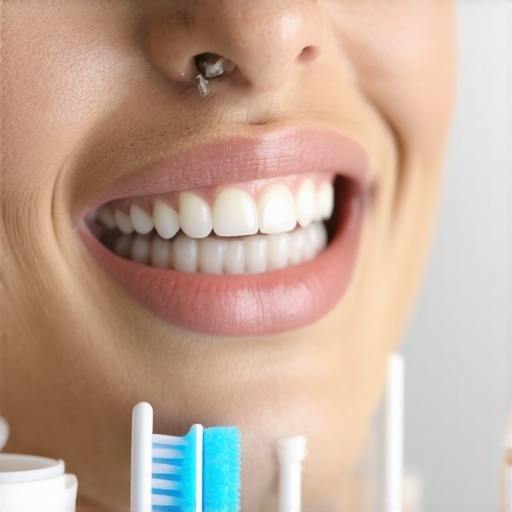
Ever since I got my permanent retainer, I noticed something unsettling—plaque and food crumbs constantly hiding around that tiny wire. One morning, I caught myself in the mirror, scrubbing desperately with a tiny toothbrush, feeling more frustrated each time. That was my lightbulb moment: I was doing it wrong. Cleaning a permanent retainer isn’t as straightforward as brushing your teeth; it requires a specific method that actually works.
Why Cleaning Your Permanent Retainer Matters More Than You Think
Most people underestimate the importance of properly cleaning around a permanent retainer. I used to think a quick brush was enough—until I started noticing staining and a lingering bad taste. It turns out, if you neglect this tiny wire, it can lead to plaque buildup and even gum disease. Maintaining that clean, healthy smile isn’t just about appearances; it’s about preserving your oral health for the long haul. According to dental experts, proper hygiene with these wires can prevent costly dental procedures down the line.
Is It Really That Hard to Keep a Permanent Retainer Clean?
I’ll admit, I once believed that a simple brush would do the trick. My mistake? I overlooked the tiny spaces around the wire where plaque and food tend to hide. It wasn’t until I experimented with different cleaning tools that I found a method that truly made a difference. So, if you’re feeling overwhelmed or skeptical, I totally get it. But trust me, with the right approach, cleaning around your retainer becomes less of a chore and more of a breeze. Want to see exactly how I do it? Stick around, because I’m about to share my foolproof routine that’s helped me and many others keep their smiles shining bright.
Targeting Hard-to-Reach Spots
My first move was to tackle the areas around the wire with a dentalfloss threader. I experienced immediate resistance—like trying to pass a rope through a tiny hole. Using a gentle sawing motion, I carefully threaded the floss underneath the wire, ensuring it hugged the gumline. Remember, patience is key—rushing can cause irritation or damage. I vividly recall the first time I managed to floss behind my retainer without bleeding; it was a small victory that motivated me to persist.
Choosing the Right Tools
Next, I upgraded to an interdental brush, which acts like a tiny, flexible scrub brush designed for tight spaces. Similar to cleaning a narrow pipe, its small size allows me to dislodge plaque without harming the wire or gums. I also incorporated a water flosser, which sends a steady stream of water, flushing out debris lodged around the retainer. I discovered that switching between tools depending on the spot made my cleaning routine more effective. For instance, I used floss for precise work and water flossers for general rinsing. Regularly changing these tools ensures they stay effective, just like any family dentistry secret for maintaining oral health.
Adopting the Correct Technique
Here’s where my routine truly transformed. I learned that angling the floss or brush at 45 degrees against the gumline helps remove plaque without traumatizing the tissue. Moving gently in a zigzag pattern — like how a skilled gardener weeds – minimizes discomfort. I remember the mess I made during my initial attempts: saliva, water, and stray bits of plaque flying everywhere. It was a bit chaotic, but I stuck with it, knowing persistence pays off. Over time, this method became second nature, akin to the prolonged care needed when dealing with crowns or veneers (learn more about crowns). Consistency is what prevents stains and decay around the wire, preserving your smile’s integrity.
Scheduling Routine Dental Checkups
No routine is complete without professional help. I schedule cleanings every six months, during which the hygienist uses specialized instruments to reach areas I might miss — much like a family dentist’s expert touch routine for long-term oral health. During these visits, any plaque or tartar buildup is swiftly removed, ensuring my routine stays effective. Combining daily cleaning with these visits has kept my retainer wire clean, my gums healthy, and my breath fresh. Remember, neglecting these professional intervals invites the same risks faced in other dental procedures, like unnoticed decay or gum disease.
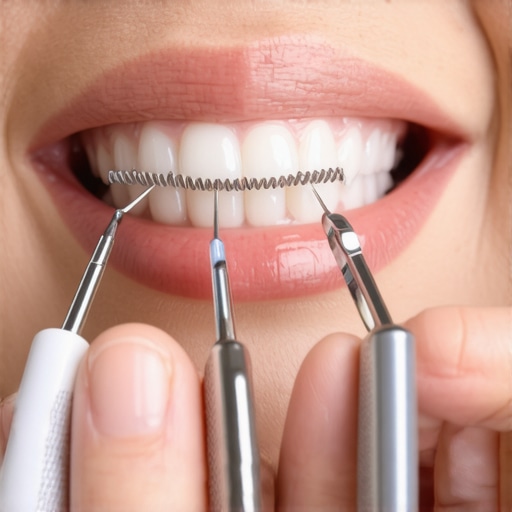
Many patients walk into dental offices with preconceived notions that can hinder their treatment outcomes. As an expert in the field, I’ve seen numerous myths persist despite advances in dental science. Let’s unravel some of the most widespread misconceptions and reveal the nuances behind effective oral health care.
Myth: All dental restorations are the same and last equally long
Contrary to popular belief, the durability and effectiveness of restorations like crowns depend heavily on material choice and placement technique. For instance, porcelain crowns, if not properly fitted by a specialist, can develop micro-leakage, leading to decay beneath the restoration. According to a study, selecting the right type of crown tailored to your bite and habits significantly prolongs its lifespan. Many overlook this nuance, risking premature failure by opting for cheaper, less suitable options.
The Oops Factor: Overlooking Bite Dynamics in Invisalign
One common mistake is underestimating the importance of proper bite adjustment when using Invisalign. Patients often see aligners as purely cosmetic devices but neglect their role in correcting bite issues that, if left unaddressed, can cause jaw pain, uneven wear, or TMJ dysfunction over time. An advanced detail many miss is monitoring occlusal changes throughout treatment—failure to do so might result in occlusion problems post-treatment. A review emphasizes the importance of comprehensive dental assessments before and during aligner therapy to avoid this trap.
How does changing bite mechanics affect long-term oral health?
Incorrect bite alignment influences not just aesthetics but also functional health, leading to uneven tooth wear, muscle strain, and even increased risk of periodontal issues. Recognizing and addressing these subtle shifts can save patients from costly repairs later. For an in-depth look, explore insights on how modern aligners enhance family dentistry outcomes.
Family Dentistry: Engaging the Whole Smile
Another misunderstanding regards the scope of family dentistry. Many believe it only involves routine cleanings, but in reality, it encompasses preventive care, education, and managing complex cases like pediatric orthodontics or restorative interventions. Missing this broader perspective might lead families to neglect necessary early interventions, which can complicate future treatments. According to family dentistry experts, proactive engagement with a comprehensive care plan fosters lifelong oral health. Recognizing that your family dentist plays a vital role in personalized health strategies can be transformative.
In essence, understanding these nuanced aspects of oral health and dental treatments helps avoid common pitfalls. Embracing a more informed approach ensures that you maximize the benefits of your dental care and maintain a vibrant, healthy smile for years to come.
Enhancing Your Oral Care Arsenal
Achieving long-term oral health requires more than just regular brushing and flossing; it demands investing in the right tools that make maintenance precise and efficient. I personally swear by the Waterpik Ultra Water Flosser because it blasts away stubborn debris in hard-to-reach areas around crowns and Invisalign attachments, ensuring my gums stay healthy without discomfort. Its adjustable pressure settings allow me to customize the flow, preventing gum irritation—something a standard flosser can’t match. For those dealing with orthodontics, I recommend these modern water flossers that have been game-changers in simplifying daily hygiene routines. Prediction-wise, advancements in ultrasonic cleaning technology suggest that future tools may integrate AI sensors to detect plaque buildup in real-time, guiding you precisely where to brush or floss next.
How do I maintain my cleaning tools over time?
Regularly replacing components like flossers’ tips and cleaning your electric toothbrush heads every three months is crucial for bacteria control and tool efficiency. I use denture brushes for my retainers and crowns, which are small enough to reach tight spots without damaging delicate restorations. Keeping these tools sanitized with antibacterial solutions not only prolongs their lifespan but also prevents oral reinfections. Investing in quality over quantity pays off here—cheap tools often break prematurely or harbor bacteria, defeating their purpose.
Scaling Up for Long-Term Results
To truly maximize your oral health investment, consistency and proper maintenance are vital. Scheduling semi-annual professional cleanings, as recommended by family dentists, ensures that hidden plaque and tartar are addressed using specialized ultrasonic devices, which are far more effective than manual scraping. Using advanced tools like dental mirrors with LED illumination helps me monitor my oral health daily, catching potential issues early before they escalate. Long-term, this approach significantly reduces the risk of decay, gum disease, and the need for costly procedures like crowns or implants.
Growing Trends in Family Dentistry Tools
The future of maintaining oral health looks promising with innovations such as AI-driven diagnostic software that can analyze images from intraoral cameras, guiding personalized hygiene recommendations. Already, 3D imaging helps in precise crown fitting and planning, minimizing the need for adjustments later. Embracing these tools not only boosts treatment outcomes but also makes lifelong maintenance more manageable and less intimidating for patients. To get ahead, experiment with a combination of high-tech tools—like ultrasonic cleaners and smart flossers—and see how they transform your daily routine.
Ready to boost your routine? Try integrating an ultrasonic scaler for at-home use—it’s a professional-grade tool that, when used carefully, can help keep your crowns and implants in pristine condition. Just remember, proper technique is critical, and always consult your dentist for personalized guidance. Maintaining your tools, staying consistent, and embracing emerging technology ensures that your smile remains both healthy and radiant over the years.
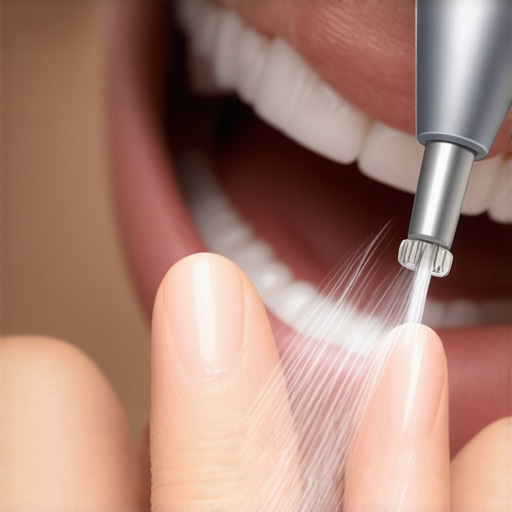
Image prompt: A close-up of a person’s hand using an ultrasonic dental scaler with gentle water spray, highlighting modern dental maintenance technology. Alt: Person maintaining dental crowns with ultrasonic scaler. Title: Modern tools for long-term oral health success.
Taking charge of your oral health is a journey filled with little lessons that often go beyond the typical brushing routine. One of the most eye-opening realizations for me was understanding the intricacies of caring for dental restorations and appliances—especially after investing in crowns, Invisalign, or permanent retainers. These aren’t just cosmetic upgrades; they’re integral to your long-term health, and appreciating their nuances made all the difference.
Lessons I Didn’t Expect to Learn About Smile Preservation
- Perfection requires patience: Quick fixes won’t cut it. Proper cleaning of crowns and fixed retainers demands attention to detail I hadn’t appreciated at first. Regularly updating my tools and techniques transformed my daily routine from a chore to a ritual of care.
- Not all advice fits every smile: What worked for one might not for another. Personalized care, consulting with your family dentist, and embracing emerging technologies have been game-changers in my ongoing journey.
- The power of early intervention: Catching minor issues before they become major problems is vital. Routine checkups do more than clean—they prevent future discomfort and expense.
- Technology isn’t a gimmick—it’s your ally: Modern tools like ultrasonic cleaners and smart flossers, recommended by trusted sources, have elevated my oral hygiene routine to professional levels at home.
- Consistency beats perfection: Even the best tools and techniques won’t work if neglected. Making daily care a priority, coupled with professional visits, ensures lasting health and confidence.
Tools That Changed My Approach and Why I Trust Them
- Waterpik Ultra Water Flosser: Its ability to dislodge debris around crowns and Invisalign attachments makes it indispensable for my routine.
- Ultrasonic dental scaler: At-home versions help me maintain my crowns and implants, preventing plaque build-up and ensuring longevity.
- High-quality toothbrushes and replacement heads: Regular updates ensure effective cleaning and prevent bacterial growth.
- Educational resources from reputable sites: Staying informed through trusted articles keeps me aware of best practices and emerging innovations.
Seize the Moment and Smile Confidently
Your journey toward a healthier smile doesn’t have to be daunting. With the right mindset, tools, and support from your family dentist, maintaining your oral health can become a fulfilling part of your daily life. Remember, every effort counts in preserving the beauty and function of your smile—so why wait? Embrace the knowledge, invest in quality tools, and keep those long-term benefits within reach.
What’s the biggest challenge you face when caring for your dental restorations or appliances? Share your experiences below—I’d love to hear your story!