
The common dental crown mistake that leads to chronic bad breath
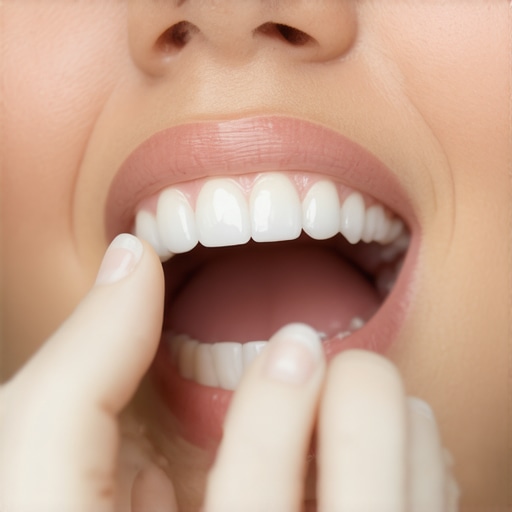
I remember the exact moment I realized my dental crown was causing more than just a cosmetic concern—my breath had become embarrassingly foul, and I had no idea why. It was a lightbulb moment that changed how I approached oral health, especially when it comes to crowns. You see, many people, even some dentists, overlook a seemingly minor mistake that can turn a beautiful crown into a source of chronic bad breath. If you’ve ever wondered why your smile isn’t as fresh as it used to be after getting a crown, you’re not alone—and there’s a good chance it’s due to a common oversight.
Why a Simple Mistake Can Sabotage Your Fresh Breath
Dental crowns are a fantastic solution for restoring teeth, making them look natural and function properly. But they are not foolproof. One of the most overlooked mistakes I made early on was neglecting proper cleaning around the crown margins. This oversight allows plaque and bacteria to build up at the edges, creating a breeding ground for odor-causing germs. The result? Persistent bad breath that just won’t go away, despite regular brushing and flossing.
Research shows that improper cleaning around crowns can lead to peri-implant mucositis, which is an early inflammatory response that can cause ongoing bad smells and even more severe issues if neglected (source). The irony is, your mouth might look perfectly clean—yet hidden plaque buildup at the crown margins is silently sabotaging your freshness.
Is Your Crown the Hidden Culprit Behind Your Breath Problems?
This mistake is surprisingly common and easy to fix, but it requires awareness. From personal experience, I learned that neglecting the tiny crevices around the crown can turn a straightforward dental procedure into a chronic problem. That’s why, today, we’re going to explore practical strategies to ensure your crowns don’t become the culprit behind bad breath. If you’ve faced this problem, keep reading—help is just ahead, and it might be simpler than you think.
Mastering Daily Cleaning Techniques
First, set a routine to clean around your crown twice daily. Use a soft-bristled toothbrush and non-abrasive toothpaste to gently brush the crown edges, ensuring you dislodge any plaque buildup. I vividly recall a morning I dedicated extra time to this task; the process was messy initially, as plaque stubbornly clung. But after a week, my breath noticeably improved. Consistency makes all the difference.
Target Specific Areas with Floss and Interdental Tools
Next, incorporate flossing with waxed floss or interdental brushes to reach beneath the gumline and around the crown margins. I once struggled with flossing effectively until I learned to slide gently, not force, to avoid damaging the gum tissue. Proper technique prevents bacteria from hiding in hard-to-reach spots, significantly reducing odor-causing germs. For tougher spots, try water flossers—they can be game-changers in maintaining oral hygiene around crowns.
Advanced Cleaning Strategies for Difficult Spots
Sometimes, plaque persists at the margin despite routine brushing and flossing. In such cases, consider using a dental pick or soft-tip brush for targeted cleaning. I recall a day I noticed a faint odor, which prompted me to use a rubber-tipped cleaner along the gumline; the immediate refreshing sensation was rewarding. Remember not to scrub aggressively, as it can damage the crown or gums. Gentle, thorough cleaning keeps bacteria at bay and preserves your fresh breath.
Routine Checks and Professional Assistance
Schedule regular dental visits to have your crown professionally cleaned and inspected—typically every six months. During these visits, your dentist can identify areas you might overlook. I once skipped a routine check, and plaque had accumulated unnoticed, leading to a minor gum infection. Regular professional cleanings complement your daily efforts, preventing odor issues before they start. Visiting your family dentist, like at Family Dentist Pro, ensures your oral health stays on track.
Additional Tips for Long-Term Freshness
Incorporate antibacterial mouthwashes after brushing to reduce germs that cause bad breath. However, do not rely solely on rinses—they are supplementary. Also, avoid sugary snacks and drinks that feed bacteria. I once replaced my afternoon soda with water infused with mint; it was a simple change that significantly boosted my confidence. Maintaining good hydration and a balanced diet supports your oral health and keeps your breath fresh all day.
By integrating these targeted cleaning techniques and professional checkups into your routine, you can effectively prevent plaque buildup around crowns and enjoy lasting freshness. Remember, consistency and gentle care are your best tools to combat bad breath related to crowns.
Many people assume they understand the essentials of oral health, but in reality, several misconceptions persist—especially when it comes to family dentistry, crowns, and Invisalign. For instance, a widespread myth is that dental crowns are maintenance-free or that once placed, they require no additional care. However, my experience as a dental professional reveals that neglecting the subtle cleaning around crowns can lead to complications like persistent bad breath or even secondary decay (source). Understanding this nuance can be the difference between a healthy smile and chronic issues.
Are Dental Crowns Truly Low-Maintenance?
The common misconception is that crowns are a set-and-forget solution. In reality, they demand diligent oral hygiene, particularly around the edges where plaque tends to accumulate. Overlooking this can result in decay underneath the crown or gum inflammation. Professional cleanings, like those offered at Family Dentist Pro, are crucial for long-term success. Many patients don’t realize that their daily routines need slight adjustments—such as specialized flossing or interdental brushes—to prevent hidden decay.
Similarly, many think that orthodontic options like Invisalign are purely cosmetic and don’t impact oral health. But the nuances in care—like proper hygiene around attachments and aligners—are vital for avoiding issues like gum irritation or unwanted tooth movement. Advanced users sometimes overlook the importance of regular checkups beyond just wearing aligners, risking the development of cavities or misalignments that could have been prevented (source).
Understanding the Myth: Invisalign and Oral Hygiene
Many believe that Invisalign aligners can substitute for brushing and flossing. The truth is, aligners can trap bacteria and food debris if not cleaned properly, leading to bad breath and even decay. The subtle mistake here is underestimating the importance of meticulous oral hygiene during Invisalign treatment. Incorporating thorough cleaning routines—both for the aligners and teeth—significantly enhances oral health outcomes. Did you know that neglecting this detail can compromise the entire treatment process? For comprehensive guidance, see this article.
So, what hidden nuances should you prioritize? First, recognize that maintenance isn’t just about what you do but also about what you avoid—like ignoring the marginal cleaning around crowns or skipping regular professional exams. Second, real advances in family dentistry emphasize personalized strategies that adapt to your lifestyle, ensuring robust protection for your smile over the long haul. For example, tailored flossing techniques or selecting the right type of toothbrush can dramatically reduce common pitfalls.
In sum, accuracy in understanding these advanced nuances and debunking persistent myths can elevate your oral care from basic to expert level. Just one overlooked detail—be it around crowns or aligners—can dramatically impact your long-term oral health. Want to explore more about how personal techniques can safeguard your family’s smiles? Check out our top tips for bright smiles. Have you ever fallen into this trap? Let me know in the comments.
Keep It Working: Tools I Recommend for Lasting Oral Health
Maintaining a healthy smile over the long haul requires more than just regular brushing and flossing. Having the right tools and understanding their optimal use can make all the difference. Personally, I swear by a few specific items that enhance my daily routine, ensuring my crowns, Invisalign aligners, and overall oral health stay in top shape. These aren’t just gadgets; they are strategic investments that deliver real results.
Invest in a Sonic Toothbrush for Deep Cleaning
I transitioned to a sonic toothbrush a few years ago, and I’ve never looked back. Unlike manual brushes, sonic devices emit thousands of brush strokes per minute, dislodging plaque in areas that are often missed. The high-frequency vibrations effectively clean around crown margins and aligners, preventing buildup that can lead to bad breath or decay. I prefer brands like Philips Sonicare because of their durability and proven efficacy, but the key is choosing one with a brush head that targets gum health and hard-to-reach spots. In the future, I predict these will become standard as dental technology continues to evolve, with smarter versions integrating app-based tracking for personalized care.
Use Water Flossers for Precision and Ease
Manual flossing can be tricky, especially around crowns and Invisalign attachments. My weapon of choice is a water flosser, which directs a steady stream of water at high pressure to clean in between teeth and under gumlines. I find it particularly effective because it minimizes gum irritation and is gentle yet thorough. The water flosser I use comes with different pressure settings, allowing me to adjust based on my needs. Regular use has significantly reduced plaque accumulation and bad breath episodes, making my routine more consistent and enjoyable. As new models emerge, I expect water flossers to incorporate smarter sensors to adapt pressure automatically for optimal safety and efficiency.
Incorporate Advanced Oral Rinses into Your Regimen
After brushing and flossing, I always finish with an antibacterial mouthwash. I prefer those with cetylpyridinium chloride, which has been shown to reduce bacterial growth effectively (source). For added benefits, I opt for rinses containing xylitol, which supports remineralization and neutralizes harmful acids. Using these rinses consistently maintains a neutral oral pH and keeps bacteria at bay, especially around crown margins or appliance attachments. Looking ahead, I believe the future will see smart rinses embedded with sensors to monitor oral microbiome health and provide real-time feedback via smartphone apps.
How do I keep my tools effective over time?
Maintenance is just as important as the tools themselves. Regularly replacing brush heads, descaling water flosser nozzles, and properly storing your rinses ensure they work efficiently. For instance, I change my sonic brush heads every three months, as recommended by dental professionals, to prevent bacterial buildup and retain cleaning power. Additionally, cleaning your devices according to manufacturer instructions prolongs their lifespan and guarantees optimal functionality. With consistent care—scheduled monthly cleanings and inspections—you can sustain the benefits of these tools for years to come.
Looking ahead, advancements in dental technology will likely lead to more integrated and user-friendly equipment. Imagine a smart toothbrush that customizes brushing intensity based on your gum health data or a water flosser that syncs with your dental app for real-time feedback. Staying informed about these innovations will be key to maintaining a cutting-edge oral health routine.
Start integrating one of these advanced tools today—perhaps by trying a sonic toothbrush or a water flosser—and watch how your long-term dental health improves. For more insights on how modern gadgets contribute to family dentistry success, explore our top oral health tips. Remember, the secret to keeping your smile working is consistent care combined with the right equipment—so don’t hesitate to give these a try.
,
As I reflect on my journey through family dentistry, I realize that the most impactful lessons often come from unexpected moments of insight. One of the most surprising revelations was how minor oversights in caring for crowns and Invisalign can undermine years of effort, leading to issues like persistent bad breath or secondary decay—challenges that could have been happily avoided with just a bit of extra care.
Little Secrets That Prevent Major Family Dental Setbacks
- One lesson I learned was to never underestimate the power of targeted daily cleaning—sometimes, a simple flossing routine at the gumline can save you from a costly repair or discomfort down the line.
- Another realization was that regular professional checkups are not just a formality but a vital component of long-term oral health, ensuring that hidden plaque or inflammation doesn’t develop unnoticed.
- Most importantly, I understood that embracing advanced tools like sonic toothbrushes and water flossers transforms routine maintenance into a memorable, effective practice—turning good habits into great results.
Tools That Keep My Family Smiles Bright and Healthy
- Sonic toothbrushes: My go-to for thorough cleaning, especially around crowns and aligners, thanks to their high-frequency vibrations that dislodge stubborn plaque.
- Water flossers: Gentle yet powerful, these devices make flossing around complicated dental work quick and painless, ensuring no hidden food remnants cause trouble.
- Antibacterial rinses: A step that I incorporate after brushing, helping to maintain a neutral oral pH and tackle bacteria lurking in hard-to-reach areas.
- Dental inspection apps: While not yet mainstream, staying informed about upcoming tech helps me plan the best routines and tools for my family’s needs.
Your Smile’s Future Starts with One Simple Step
Remember, maintaining vibrant oral health is an ongoing journey, not a one-time effort. Embrace these insights and tools, and you’ll not only preserve the health of your crowns and Invisalign but also boost your confidence to share your smile freely. Don’t wait for problems to arise; take action now, and enjoy the transformative power of consistent, mindful dental care. Curious about refining your routine? Explore our top oral health tips for your family’s bright smiles—your future self will thank you.
What small change have you made recently that made a big difference in your family’s dental health? Share your story below!
,