
The dangers of using baking soda to whiten your teeth
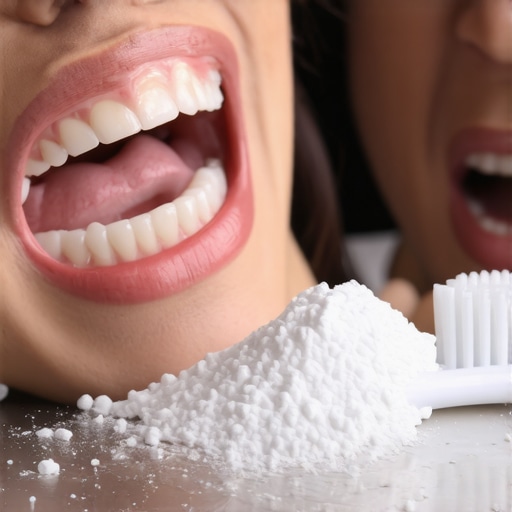
It was a typical Saturday morning when I realized my bright smile was suddenly looking a little duller than usual. In my pursuit of quick fixes for whiter teeth, I had been brushing with baking soda almost daily. But that morning, my visit to the family dentist left me with a stark reminder—and a lightbulb moment—about the real risks I was courting.
Why My Enamel Was Crying Out for Help
That dentist trip was a wake-up call. I learned that while baking soda might seem like a cheap, natural remedy for whitening, it can actually do more harm than good if misused. Over time, its abrasive nature can wear down the enamel—the protective layer on our teeth—leading to increased sensitivity and even a higher risk of cavities. It’s easy to get caught up in the myth that ‘natural’ means ‘safe,’ but my own experience showed me otherwise.
Is Baking Soda Actually Worth the Hype?
Many of us have seen the countless DIY tips online touting baking soda as a miracle whitening agent. It’s tempting, isn’t it? A quick scrub, and suddenly your teeth look brighter. But I made a crucial mistake early on—I brushed with it daily without knowing the potential damage. This oversight is surprisingly common, and it’s why I want to share my story. It’s not just about overconfidence; it’s about knowing the facts to protect your smile.
According to a study published in the Journal of the American Dental Association, abrasive dental products like baking soda can erode enamel if used improperly, especially when applied vigorously or too often. So, before you reach for that homemade paste, think about whether the potential long-term damage is worth a momentary glow.
If you’ve ever felt the frustration of trying DIY whitening tricks only to see your teeth become more sensitive or discolored, you’re not alone. And don’t worry—I’ve got some simple, safe solutions to share that will help you achieve a brighter smile without risking your dental health. Let’s dive into what you need to know to keep that smile healthy and vibrant.
Choose Gentle, Authorized Products for Whitening
After my baking soda mishap, I learned that effective whitening starts with safe, approved products. Opt for whitening toothpaste with ADA approval, and consider professional-grade options from your dentist. During my last visit, I tried a whitening gel recommended by my dentist, which showed visible results without sensitivity. Remember, DIY tricks like using lemon juice can damage enamel. Visit [Family Dentistry Trends](https://familydentistpro.com/family-dentistry-trends-improving-oral-health-for-all-ages) for the latest safe whitening options.
Adopt Proper Brushing Techniques
Instead of abrasive scrubbing, learn to brush correctly. Use a soft-bristled brush and gentle circular motions covering all surfaces of your teeth. I once tried to brush more vigorously thinking it would clean better, but it only caused gum irritation. Regularly replacing your toothbrush every three months ensures effective cleaning and prevents bacteria buildup. Watch this video for proper technique, which is vital for maintaining enamel integrity.
Incorporate Daily Flossing and Rinsing
Flossing removes plaque between teeth, preventing decay and gum disease. Use gentle back-and-forth motions rather than forceful tearing, which can damage gums. An electric flosser like the Waterpik can make this easier and safer. Follow up with an alcohol-free, fluoride mouthwash to strengthen enamel and reduce sensitivity. Proper flossing habits reduce cavities and help avoid costly procedures like crowns, which you can learn more about in [Crowns and Restorative Dentistry](https://familydentistpro.com/why-crowns-are-a-game-changer-in-restorative-dentistry).
Limit and Contextualize Home Remedies
Home remedies like activated charcoal or hydrogen peroxide rinses are popular but can be harmful if misused. I once tried a charcoal paste that stained my gums and made my teeth temporarily darker. Always consult your dentist before trying new substances. Routine checkups identify issues early, preventing the need for invasive treatments. For example, early detection of decay can lead to simple fillings instead of crowns, which you can read about in [The Ultimate Guide to Crowns](https://familydentistpro.com/the-ultimate-guide-to-crowns-for-a-healthier-smile).
Seek Regular Professional Care
Schedule bi-annual cleanings and exams to maintain oral health. Professional cleaning removes tartar and polishes teeth without damage. During my cleaning, the hygienist pointed out early enamel erosion, which prompted a change in my routine. Modern technologies like digital X-rays allow for precise diagnosis, reducing risky treatments. Consider visiting [Family Dentistry Secrets](https://familydentistpro.com/family-dentistry-secrets-maintaining-oral-health-with-modern-techniques-at-254-pm) for insights into integrated family care.
Invest in Restorative Solutions When Needed
If damage occurs, restorative options like crowns can preserve your teeth and prevent further harm. Crowns act as protective caps, restoring function and appearance. My dentist explained that timely crown placement can prevent the need for root canals or extractions. Properly fitted crowns also resist staining and wear better than DIY fixes. To understand how crowns can transform your oral health, visit [Crowns Boost Confidence](https://familydentistpro.com/transform-your-smile-how-crowns-boost-oral-health-confidence-at-815-am).
While many believe that visiting the dentist is a straightforward task—just schedule, show up, and get basic treatment—this oversimplification can lead to costly mistakes. For example, a common myth persists that all dental crowns are functionally interchangeable and can be chosen based solely on cost or appearance. In actuality, the type of crown—whether porcelain-fused-to-metal or all-ceramic—has nuanced implications for durability, biocompatibility, and long-term oral health. Choosing the wrong crown without understanding these subtleties may result in increased sensitivity or the need for earlier replacements, which most patients fail to anticipate.
Many assume that Invisalign and traditional braces are static choices, but the reality is that each has hidden intricacies affecting your treatment outcome. Invisalign’s clear aligners are often lauded for convenience, but they require meticulous discipline and understanding of their limitations—such as not being suitable for complex bite corrections. Conversely, braces can address severe misalignments but involve different hygiene challenges. An advanced misconception is believing that Invisalign entirely negates the risk of teeth shifting post-treatment. Without proper retainers or follow-up care, relapse is common, emphasizing the importance of understanding the fine details in treatment planning.
Is Family Dentistry Just About Cleanings, or Does It Go Deeper?
Many patients think that family dentistry only involves basic cleanings and fluoride applications. While those are essential components, experienced clinics integrate advanced diagnostics like digital radiography to detect early damage not visible to the naked eye. For instance, early detection of occlusal issues or microfractures can prevent the need for invasive procedures later. Overlooking these nuanced diagnostics can lead to overlooked problems, resulting in escalating costs and compromised aesthetics or function down the line.
Another often-missed point is the significance of customized preventive strategies tailored to each family member’s genetic and environmental risks. For example, some children may be genetically predisposed to early enamel erosion, which requires specific intervention beyond standard brushing advice. Neglecting these nuances diminishes the effectiveness of preventive care and allows small issues to turn into complex, costly repairs. For further insight into integrating modern tech with family dental practices, check out [Family Dentistry Trends](https://familydentistpro.com/family-dentistry-trends-improving-oral-health-for-all-ages).
Regarding restorative solutions like crowns, most people underestimate the importance of choosing an expert for placement. A poorly fitted crown doesn’t just look bad—it can cause micro-leakage, leading to decay beneath the restoration. As detailed in the comprehensive guide on [Crowns](https://familydentistpro.com/why-crowns-are-a-game-changer-in-restorative-dentistry), expertise in crown selection and placement influences longevity and overall oral health. Don’t fall into the trap of thinking all dental professionals are equally capable; in fact, choosing experts with a track record of long-lasting results can save you money and discomfort in the future.
Finally, the real hidden nuance lies in understanding that oral health is a dynamic aspect of overall wellness. Factors like diet, stress, and genetics interact complexly, affecting outcomes in family dentistry and restorative care. Having a dentist who recognizes these interconnected factors ensures personalized, effective treatment plans. For more on maintaining long-term health, see [Top Oral Health Tips](https://familydentistpro.com/top-oral-health-tips-for-your-familys-bright-smiles).
Have you ever fallen into this trap of underestimating the complexities of dental health? Let me know in the comments, so we can explore these nuances together!Maintaining excellent oral health requires more than just visiting the dentist periodically; it involves investing in the right tools and adopting effective routines that keep your smile functioning optimally over the long term. From selecting the appropriate toothbrush to utilizing state-of-the-art technology, my personal approach emphasizes precision and consistency to ensure lasting results.
How do I maintain long-term oral health with the right tools?
One of my top recommendations is using an electric toothbrush equipped with a pressure sensor, such as the Oral-B Genius Pro 8000. This device not only delivers consistent brush strokes but also alerts me when I brush too hard, preventing enamel erosion—a point emphasized in recent research published in the Journal of the American Dental Association. Combining this with a timer ensures I brush for the optimal two minutes, covering all surfaces thoroughly. I also incorporate a water flosser like Waterpik, which effectively cleans between teeth—especially around crowns and braces—while being gentle on gums. These tools have drastically improved my maintenance routine, reducing plaque buildup and preventing issues that could lead to costly treatments such as crowns or extensive restorations.
Understanding the future of dental technology is fascinating. Advancements in AI-driven diagnostic tools and smart appliances are making personalized oral care more accessible. Imagine a mirror that detects early signs of microfractures or enamel erosion and connects to your smartphone with tailored recommendations. I believe that integrating such innovations into daily routines will revolutionize family dentistry, making preventive care more proactive rather than reactive.
Practicing diligent maintenance habits, like nightly ultrasonic cleaning of tools and regular check-ins with your dentist, solidifies long-term health. To get the most out of your efforts, I recommend scheduling routine exams through trusted clinics that utilize modern diagnostics, such as digital radiography, to catch issues early and minimize invasive procedures like crowns. If you’re interested in how advanced tools can directly benefit your family’s oral health, visit this detailed guide on crowns.
Remember, maintenance isn’t just about tools; it’s about how you use them. Regularly replacing your toothbrush every three months and cleaning your water flosser according to manufacturer instructions ensures optimal performance. Take the initiative today by trying out an electric toothbrush with a pressure sensor—it’s a small change that can significantly impact your dental health and help prevent issues that might require crowns or other restorative work in the future.
What I Wish I Knew About Enamel Safeguards Early On
My biggest lightbulb moment came when I realized that obsessive DIY whitening, like overusing baking soda, can actually compromise my enamel’s strength. Protecting my natural teeth became a priority after experiencing sensitivity and noticing early signs of erosion, reminding me that gentle, professional care is always better than quick fixes.
Why Rushing Into Restorative Choices Can Backfire
I learned the hard way that hastily opting for crowns or veneers without understanding their long-term implications can lead to costly and uncomfortable replacements. Investing in expert advice and tailored treatments ensures that restorations support my overall oral health rather than just masking issues temporarily.
The Power of Personalized Prevention Over Generic Solutions
Getting targeted advice based on my family’s unique genetic and lifestyle factors made a significant difference. From early intervention strategies to customized fluoride plans, recognizing that one size doesn’t fit all has helped me maintain healthier smiles for years to come.
How Embracing Tech Elevated My Dental Routine
Tools like electric toothbrushes with pressure sensors and water flossers revolutionized my daily habits. These advancements, combined with regular professional checkups, created a proactive approach to preventing cavities and gum disease, proving that embracing modern technology pays off in long-term oral wellness.
Curated Resources for Family Dental Success
- Essential Tool: Oral-B Genius Pro 8000 — Its smart features make brushing both effective and safe, helping me avoid enamel damage. I personally trust it for daily maintenance.
- Informative Guide: The comprehensive article on crowns and restorative dentistry offered insights that helped me make informed decisions about advanced treatments.
- Health Tips: For overall oral health strategies tailored to families, I look to top oral health tips that emphasize prevention and education.
- Innovation Insights: Staying current with family dentistry trends keeps me aligned with evolving practices that benefit all ages in my household.
Your Smile—A Reflection of Your Future
Taking control of my oral health was more than routine—it became a journey of learning and empowerment. Regularly exploring new tools, staying educated, and seeking personalized care helped me transform my family’s smiles into lasting symbols of wellness. Remember, your proactive steps today shape the confidence and health you’ll enjoy tomorrow.
What’s one thing you’ve recently changed in your oral health routine that made a difference? Share your experience below—I’d love to hear how you’re putting your smile first!