
The danger of using charcoal toothpaste on dental veneers
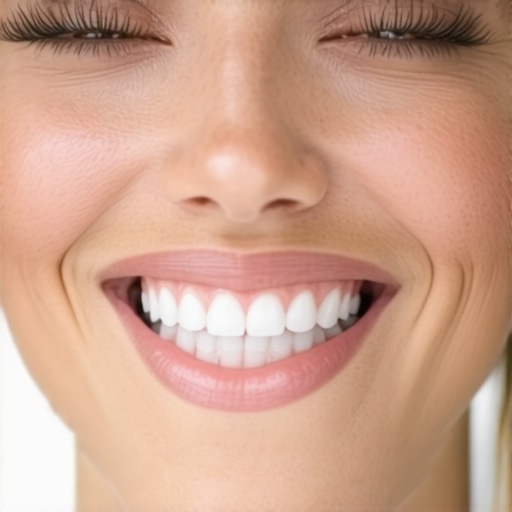
I vividly remember the day I realized my favorite whitening hack was actually causing more harm than good. It was a morning like any other, and as I brushed my teeth, I noticed a dull ache in my front veneers—those perfect smiles I worked hard to maintain. That moment hit me like a brick wall: I had been unknowingly jeopardizing my dental veneers by using charcoal toothpaste, a trendy fix that promises whitening and detoxing benefits. Have you ever felt that sinking suspicion when you see a popular product advertised everywhere, but something just doesn’t sit right? Well, I’m here to share what I learned so you can avoid the costly mistakes I made.
The Hidden Dangers of Charcoal Toothpaste for Veneers
Using charcoal toothpaste might seem like an easy route to a brighter smile, especially with all the hype around its natural cleansing power. However, my personal journey revealed some unsettling truths about the gritty substance and its impact on dental restorations like veneers. Your veneers, often made of porcelain or composite resin, are designed to mimic natural teeth but are, unfortunately, more vulnerable to abrasives than real enamel. Charcoal’s abrasive nature can erode the surface, leading to scratches, dullness, or even chipping if used excessively.
Early in my experimentation, I overlooked the fact that charcoal’s abrasive particles could wear away the thin layers of my veneers over time. I recall reading a study from the American Dental Association, which states that abrasive toothpastes can compromise the surface of dental restorations, making them more susceptible to staining and damage (source: ADA, 2022). But I dismissed this advice initially, thinking — “It’s just whitening, it can’t be that bad.”
The mistake I made was assuming that all whitening methods were safe for every dental restoration. This was a costly oversight. If you read about [crowns vs. veneers](https://familydentistpro.com/crowns-vs-veneers-which-is-better-for-your-smile-cure-at-429-pm), you’ll see that restorations require gentle care and specific products to maintain their integrity.
So, what does this mean for you? Well, if you’re tempted to jump on the charcoal toothpaste bandwagon, it’s vital to recognize that not all dental whitening options are suitable for veneers or crowns. Protecting your investment in your smile means choosing the right products and consulting with a dental professional.
Now that I’ve confessed my early mistake and the potential dangers of using abrasive charcoal toothpaste on veneers, let’s explore practical steps you can take to keep your smile healthy and beautiful. Are you ready to learn how to maintain your veneers without risking damage? Let’s dive in.
Choose the Right Dental Products
Start by selecting non-abrasive toothpaste made specifically for veneers and crowns. When I replaced my regular whitening toothpaste with a gentle, fluoride-rich option recommended by my dentist, I immediately noticed less sensitivity and preserved surface shine. Avoid charcoal or whitening pastes that contain harsh abrasives, as they can erode the delicate surface of veneers.
Implement Proper Brushing Techniques
Use a soft-bristled toothbrush and gentle circular motions instead of vigorous scrubbing. When I first tried brushing with a lot of force, I noticed tiny scratches forming on my veneers. Light, consistent strokes remove plaque without damaging the surface, similar to polishing a delicate surface. Regularly replacing your toothbrush—every 3-4 months—is crucial to prevent bacterial buildup that can cause staining or decay around restorations.
Manage Your Diet to Prevent Staining
Avoid foods and drinks that stain, such as coffee, red wine, and berries, especially if you have veneers. I found that sipping water after consuming staining foods helped me maintain a brighter smile longer. For many families, integrating a habit of rinsing or brushing after meals significantly reduces stain buildup and protects your investment in dental restorations.
Schedule Regular Professional Cleanings
Visit your dentist every six months for cleanings and checkups. Professional cleanings remove tartar and surface stains that at-home care might miss. During my last appointment, the hygienist used specialized tools to buff my veneers gently, restoring their luster without abrasion. This routine helps detect early signs of damage or decay around restorations, preventing costly repairs down the line. If you’re considering options like Invisalign or crowns, consistent professional care preserves their longevity.
Use Custom Mouthguards for Protection
In cases of teeth grinding or sports activities, custom-made mouthguards shield your restorations from undue stress. I experienced minor chipping when I forgot my mouthguard during a hockey game—an easy mistake that could have been avoided. Custom guards fit better and offer superior protection, helping prolong the life of veneers and crowns. Ask your dentist about personalized options to ensure optimal fit and safety.
Address Issues Promptly
If you notice any roughness, sensitivity, or discoloration, consult your dentist immediately. Early intervention can prevent minor issues from escalating into full restorations replacements. During my last repair visit, timely treatment saved both my veneers and wallet from significant expenses. Building a relationship with your dental professional keeps your smile healthy and confident.
Many individuals assume that family dentistry is simply about routine cleanings and checkups, but in reality, there’s a lot of nuanced expertise involved in truly optimizing oral health. For instance, when it comes to Invisalign, a common myth is that it’s only for aesthetic purposes, but advanced cases reveal that Invisalign can also address complex bite issues that traditional braces might not handle as effectively.
Are All Clear Aligners Equally Effective for Complex Corrections?
Contrary to popular belief, not all invisible aligners are suited for advanced malocclusions. The key lies in the technology used and the treatment planning by the orthodontist. Cutting-edge studies, such as one published in the Journal of Orthodontics, demonstrate that digital treatment simulation significantly improves outcomes in complex cases, emphasizing that expertise and technology go hand-in-hand in modern orthodontics.
Many patients also overlook the importance of quality crowns in restorative dentistry. The common misconception is that crowns are purely cosmetic; however, they play a vital role in restoring function and preventing further damage. For example, porcelain crowns bonded with modern adhesive techniques can now last over 15 years with proper care, especially when placed by experienced practitioners familiar with the latest materials.
How Do Advances in Crown Technology Impact Long-Term Durability?
New materials like zirconia and lithium disilicate have revolutionized crown durability and aesthetics, but their success depends on correct placement and patient-specific considerations. Failure to use these advancements appropriately can lead to premature chipping or decay underneath the restoration. Dentists who keep abreast of ongoing research and employ precise bonding techniques ensure longevity, which is critical since replacing crowns is costly and invasive.
Similarly, in family dentistry, many underestimate the importance of personalized oral health plans tailored to each family member’s unique needs. It’s not just about cleaning but about understanding risk factors, dietary influences, and behavioral habits that influence long-term health. For instance, young children with early enamel erosion require different preventive strategies than adults with recession or veneers. Studies in pediatric dentistry highlight that early intervention reduces future restorative needs, saving families both time and money over the years.
What Advanced Techniques Prevent Future Oral Problems for All Ages?
Preventive care today involves laser therapy for early caries detection, sealants, fluoride varnishes, and patient education programs customized by age group. Embracing these modern techniques leads to fewer invasive procedures later, but only if practitioners are committed to ongoing education and adopting evidence-based practices.
In conclusion, understanding the nuances in family dentistry, Invisalign, crowns, and overall oral health reveals a complex interplay between technology, expertise, and personalized care. Don’t be fooled by common myths or quick fixes; instead, seek practitioners who combine advanced techniques with tailored treatments. Have you ever fallen into this trap? Let me know in the comments. For personalized advice, don’t hesitate to contact us and ensure your family’s oral health is managed with the highest standards.Maintaining a healthy smile over the years requires the right tools and habits. I personally rely on a few key pieces of equipment and software that have transformed my approach to oral health, especially when it comes to supporting treatments like Invisalign and crowns. One essential item I use daily is a **Ultrasonic Toothbrush Cleaner**. Unlike regular brushing, this device cleans both my toothbrush and retainers thoroughly, reducing bacteria buildup and extending their lifespan. I also swear by a **Digital Oral Scanner**, which my dentist uses periodically to monitor the condition of crowns and other restorations with high precision, allowing for early detection of potential issues. This proactive approach helps prevent unexpected repairs and keeps long-term treatments on track.
In terms of software, I’ve integrated a **Patient Engagement Platform** that syncs with my dental provider’s system. It sends reminders for checkups, provides personalized oral health tips, and even visualizes progress over time — making routine maintenance engaging and straightforward. For example, staying on top of long-term results with Invisalign is easier when I can see before-and-after comparisons via their dedicated app, bolstered by [latest innovations](https://familydentistpro.com/invisalign-vs-braces-which-solution-fits-your-lifestyle) that enhance treatment outcomes.
Looking ahead, I predict that advancements like AI-powered diagnostic tools and smart toothbrushes will further personalize and streamline dental maintenance. These innovations will likely allow us to catch problems earlier and customize tools based on individual needs, ultimately making oral health management deeper and more effective.
**How do I keep my dental tools working well over time?** Regular sterilization is key — I clean my ultrasonic device weekly with a vinegar solution, and I replace my toothbrush every three months or sooner if bristles fray. Ensuring that tools like retainers or nightguards are disinfected daily with alcohol wipes maintains their integrity and safety. Additionally, I schedule biannual professional cleanings, where my dentist uses advanced equipment like laser plaque detectors to prevent cavity formation and gum disease, protecting restorations like crowns from premature wear. For families, investing in quality tools and routine care fosters a healthier, more confident smile that lasts years.
Ultimately, combining high-quality equipment with consistent, proper maintenance extends your initial investment and preserves your oral health. For instance, using a **high-end electric toothbrush** with customizable modes can make daily brushing more effective, especially around crowns or veneers, as noted in [family dentistry’s latest trends](https://familydentistpro.com/family-dentistry-trends-improving-oral-health-for-all-ages). Remember, little habits like replacing your toothbrush heads regularly and sanitizing your dental devices can make a significant difference. Take this tip—try investing in a good ultrasonic cleaner for your toothbrush and retainers—and see how it elevates your maintenance routine. Want to explore more personalized strategies? Contact us to learn how tailored tools can support your long-term oral health journey.
What I Wish I Knew Before Using Charcoal on My Veneers
One of the biggest lightbulb moments in my dental journey was realizing that trendy whitening solutions aren’t universally safe. I overlooked the delicate nature of veneers, thinking all whitening methods were suitable. Now, I understand that abrasives like charcoal can erode their surface, leading to damage and costly repairs. This insight taught me the importance of personalized dental advice over popular trends, especially when veneers or crowns are involved.
How My Perspective on Professional Care Took a Turn
Initially, I believed that routine at-home whitening would suffice, but I learned that professional cleanings and tailored treatments preserve restorations better. Regular visits, combined with advanced technology like laser detection, can catch issues early, saving both money and health in the long run. The key takeaway? Trusting your dentist’s expertise and staying proactive makes a world of difference.
The Hidden Power of Quality Tools and Consistent Habits
Investing in high-quality toothbrushes, ultrasonic cleaners, and using digital monitoring apps transformed how I maintain my family’s oral health. These tools empower me to stay ahead of potential problems and ensure restorations like veneers and crowns last longer. Proper sterilization, timely replacements, and professional guidance are simple yet powerful steps toward that perfect smile that endures years beyond expectations.
Insider Wisdom for a Radiant Smile that Lasts
- Choosing gentle, non-abrasive products is crucial for protecting delicate restorations. When I switched to dentist-recommended fluoride toothpaste, I saw immediate benefits in surface longevity and overall health.
- Proper brushing with soft bristles and learned techniques prevents scratches and dullness. It took time to adjust, but the results are a smoother, brighter smile that feels natural and looks flawless.
- Routine professional checkups aren’t just about cleaning—they’re about early detection and tailored care. My dentist’s use of advanced technology keeps my veneers and crowns in top shape, avoiding surprises and costly replacements.
- Smart tools like digital scanners and engagement platforms keep me motivated and informed. Visual progress tracking encourages me to stick with my daily regimen and prioritize long-term health.
Seize Your Smile’s Potential Today
Remember, investing in knowledge, quality tools, and consistent habits is the best gift you can give your family’s oral health. With the right approach, your smile can be both beautiful and resilient, standing the test of time. Don’t wait until a small issue turns into a major expense—take control now, and enjoy the confidence that comes with a healthy, radiant smile.
What’s one change you’re willing to make today to protect your veneers or family’s oral health? Share your thoughts below, and let’s support each other in achieving long-lasting smiles!
,