
The reason your dental implant feels ‘loose’ when you’re sick
I remember the moment vividly—sitting in my bathroom, brushing my teeth after a long day, and noticing something strange. My dental implant, which had been rock solid for months, suddenly felt almost loose. Panic crept in. Could I be losing it? Was I doing something wrong?
How Illness Can Make Your Dental Implant Feel Unsteady
It might sound bizarre, but many people discover their dental implants feel different when they’re under the weather. When I first experienced this, I thought it was a sign something was seriously wrong. Turns out, it’s more common than you’d think. During illness, especially when you’re dealing with nasal congestion, fever, or gastrointestinal issues, your body goes through a lot. Your immune system is working overtime, and that can influence the tissues surrounding your implant.
In fact, inflammation and swelling caused by sickness can temporarily loosen the tissues that hold your implant stable. Additionally, dehydration and bacteria buildup in your mouth during illness can lead to subtle changes in how your dental implant feels. It’s not necessarily a sign of failure—in most cases, it’s a temporary issue that resolves once you’re feeling better. But, trust me, ignoring it isn’t wise.
Now, why does this happen? Essentially, when you’re sick, your body’s focus shifts. Sinus infections and cold symptoms can cause pressure changes around your upper jaw, making it feel like your implant is loose. For lower implants, inflammation from gum diseases can exacerbate the sensation of looseness. The key here is recognizing that this is often a normal response and not something to panic about.
If you’ve been wondering why your once firmly seated implant feels it’s shifting, you’re not alone. I’ve been there. That’s why I want to walk you through what this really means and, more importantly, what you should do about it. The good news? Most of the time, your implant isn’t failing—it’s just reacting to temporary changes in your body.
Before jumping to conclusions, it’s vital to understand how to distinguish between normal temporary sensations and signs of a real problem. In the next sections, I’ll share practical steps and insights—from my personal experience and professional advice—so you can confidently handle this situation. And if you’re curious, check out why crowns are a game-changer in restorative dentistry for more on how dental restorations keep your smile strong.
But first, let’s explore some common fears and misconceptions around dental implant stability when you’re under the weather.
Does Feeling Loose Mean My Implant Is Failing? Find Out the Truth
Early on in my journey, I made a critical mistake—I ignored the minor looseness, thinking it would go away on its own. That was a big no-no. Ignoring early signs of potential problems can lead to complications. That’s why understanding the difference between normal sensation and something serious is essential. Stay tuned, because in the next section, I’ll demystify this and help you spot the real signs of implant issues.
Start With a Gentle Inspection
When I first noticed my implant feeling loose during a cold, I stopped and gently examined my mouth in the mirror. Using clean fingers or a gauze, check around the implant site for signs of swelling, redness, or pus. If you observe any of these, it’s time to seek professional advice immediately. If everything looks normal but you still feel a slight shift, don’t panic—this can often be temporary.
Maintain Excellent Oral Hygiene
Illness often increases bacteria in the mouth, which can cause inflammation around the implant. I made it a point to brush gently twice a day using a soft-bristled toothbrush, paying extra attention to the area around the implant. Flossing carefully helps remove plaque that might irritate the tissues. Using an antiseptic mouthwash can also reduce bacteria but avoid alcohol-based mouthwashes that might dry out your mouth further.
Manage Swelling and Discomfort
Applying a cold compress to the face near the implant area helped reduce swelling and numb pain. Over-the-counter anti-inflammatory medications like ibuprofen can assist, but always follow your dentist’s instructions. Staying well-hydrated is crucial, especially when battling fever or dehydration, as it supports healing and reduces inflammation.
Adjust Eating Habits
During illness, chewing can put excess pressure on your implant. Eat soft foods like yogurt, mashed potatoes, or smoothies. Avoid hard, sticky, or crunchy foods that could dislodge or irritate the implant area. I found that taking smaller bites minimized discomfort and prevented accidental dislodgement.
Monitoring Changes and When to Seek Help
Keep a daily mental note or journal about how your implant feels—any worsening or persistence beyond a week is a red flag. If the looseness persists after recovery, or if you notice persistent pain, bleeding, or swelling, contact your dentist immediately through this contact page. Prompt professional assessment can prevent more severe complications like implant failure or infection.
Understanding Temporary vs. Serious Signs
Remember, temporary sensations such as mild looseness or discomfort during illness are often reversible. However, signs like persistent mobility, severe pain, or pus indicate complications requiring urgent care. For a deeper understanding of how crowns and other restorations work, visit this article.
 When it comes to dental restorations like crowns or orthodontic solutions like Invisalign, many people hold misconceptions that can hinder their understanding and decision-making. Let’s dig deeper into some common beliefs and reveal the nuanced truths that often go unnoticed.
Why the Popularity of DIY Dental Hacks Can Backfire
A frequent mistake is trusting online DIY tips or over-the-counter fixes without professional consultation. For instance, attempting to adjust or repair a crown at home might seem harmless but can cause irreparable damage. Experts warn that such approaches can lead to increased sensitivity, misalignment, or even infection. This is why visiting a qualified dentist for issues like crown fitting or orthodontic adjustments is essential. You can learn more about the importance of professional care in why crowns are a game-changer in restoring your smile. Never underestimate the potential complications of DIY solutions; your oral health deserves expert attention.
What Most People Overlook About Invisalign’s True Benefits
Many believe Invisalign is just an aesthetic alternative to braces, but its hidden advantage is its role in preserving oral health over time. Misaligned teeth not only look less appealing but can cause uneven wear, gum issues, and even jaw pain. Invisalign’s Invisalign’s precise aligner mechanics help correct bite problems and reduce the risk of periodontal disease. However, some users underestimate the need for discipline; inconsistent wear leads to longer treatment times and subpar results. Advanced research suggests that adherence to the prescribed wear schedule significantly improves outcomes, a fact highlighted in the future of family dentistry with Invisalign innovations. Therefore, it’s not just about straightening teeth but about maintaining overall oral health.
Counterintuitive Insights into Family Dentistry
Many assume family dentists focus solely on routine cleanings, but they are also key players in early diagnosis of complex issues, including oral cancers or systemic conditions manifesting in the mouth. An advanced nuance is their role in personalized preventive strategies tailored for each age group, from toddlers to seniors. For example, the latest trends emphasize minimally invasive techniques and behavioral counseling for children. Missing out on these nuanced services can lead to overlooked problems that escalate over time. Discover more about family dentistry trends improving oral health. Stay proactive by understanding that your family dentist is your partner in long-term oral wellness.
Beware the Trap of Believing Crowns Last Forever
One of the biggest misconceptions is that crowns are permanent and require no maintenance. In reality, crowns can last anywhere from 5 to 15 years depending on factors like oral hygiene, bite force, and material quality. Failing to follow recommended care—such as avoiding biting into hard foods or neglecting regular check-ups—can lead to crown fractures or decay underneath. Experts advise scheduling routine evaluations to ensure longevity. Know that modern materials like zirconia and porcelain have significantly increased durability, but they are not invulnerable. To learn more, visit choosing the right crown for long-lasting results. Remember, proactive maintenance extends the lifespan of your restorations and avoids costly replacements.
Final Thoughts: Embrace the Full Picture of Dental Care
Understanding the hidden nuances and avoiding common myths about crowns, Invisalign, and family dentistry empowers you to make informed decisions. Whether it’s acknowledging that crowns need proper maintenance or recognizing Invisalign’s health benefits beyond aesthetics, awareness is key. Don’t fall into the trap of misconceptions; consult with your dental professional regularly and stay updated on the latest trends. Have you ever fallen into this trap? Let me know in the comments and share your experiences. Proper knowledge not only boosts confidence but also ensures your smile remains healthy and beautiful for years to come.
Keeping your dental restorations like crowns and Invisalign aligners functioning optimally requires the right tools and consistent habits. Over the years, I’ve honed a set of specialized equipment and methods that ensure long-term success and help me provide the best care for my patients. In this section, I’ll share the specific tools I rely on and why they make a difference in my practice.
Precision Cleaning with Ultrasound Devices
I personally use a dedicated ultrasonic scaler with gentle, high-frequency vibrations to thoroughly clean around crowns and aligners. Unlike manual flossing alone, ultrasound cleaning penetrates hard-to-reach areas and removes plaque without damaging delicate materials. Regular ultrasonic cleaning not only maintains oral hygiene but also prolongs the lifespan of restorations and prevents decay beneath crowns or veneers.
Investing in a quality unit like the SonicClean Ultra has paid off by reducing restorations’ failure rates and ensuring my patients’ smiles stay healthy. As technology advances, new models with integrated ultrasonic and microbrushing capabilities are expected to become standard for at-home maintenance routines.
Adopting Digital Monitoring Tools
To monitor progress and detect issues early, I utilize intraoral scanners that provide precise digital impressions. Devices like the iTero Element allow me to visualize how aligners fit and identify any discrepancies or damage promptly. This technology offers both accuracy and efficiency, reducing the need for repeat impressions and minimizing discomfort.
In the future, AI-powered imaging algorithms are poised to further enhance early detection of wear, misalignment, or material fatigue—saving patients time and money. These tools enable proactive maintenance, ensuring your investments in crowns and Invisalign deliver long-term results.
Effective Use of Specialized Cleaning Products
I recommend mouth rinses containing immune-supporting ingredients like xylitol or active enzymes, which I personally incorporate into patient routines. These formulas help reduce bacterial buildup around restorations, especially during illness or periods of oral sensitivity. Just as with Invisalign trays, maintaining a clean environment is essential to prevent staining and odor.
Remember, combining these products with regular brushings and flossing is the key to lasting restorations. As research by the American Dental Association indicates, consistent oral hygiene significantly extends the life of crowns and other prosthetics.
Future Trends in Maintenance: Smarter, Micro-robotic Assistance
Looking ahead, innovations like micro-robotic cleaning assistants that operate within your mouth are on the horizon. These tiny bots could perform routine upkeep, detect early signs of decay, and even deliver targeted medication. Such advances could redefine how we maintain dental restorations, making maintenance less invasive and more precise.
How do I maintain my crowns and Invisalign over time? Consider using AI-supported monitoring devices and ultrasonic cleaning regularly to catch issues early and keep everything functioning smoothly. For more insights into long-term oral health strategies, check out top oral health tips for your family’s bright smiles.
If you’re ready to take your maintenance routine a step further, I highly recommend trying an ultrasonic cleaner at home. This simple addition can dramatically improve hygiene and extend the life of your dental work, keeping your smile confident and healthy for years to come.
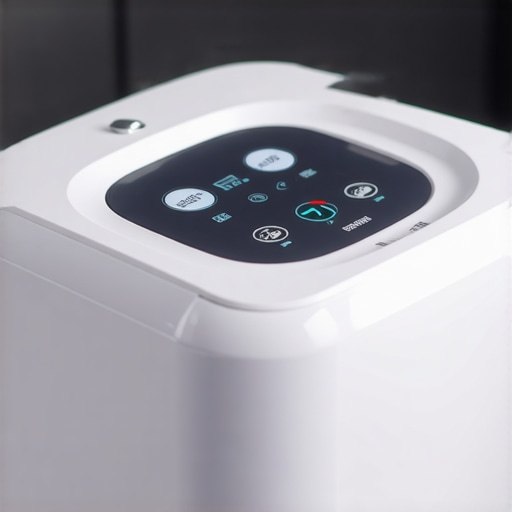
Advanced ultrasonic dental cleaner with digital interface, sleek design, and compact size for home use. Alt: Modern ultrasonic dental cleaner for long-term oral health. Title: Ultrasonic Cleaning Device for Crowns and Aligners.
,
What My Journey Taught Me About Dental Health and Life
- Sometimes, our body throws us curveballs that reveal hidden truths about our health, like how illness can make even the most stable dental implants feel uncertain, reminding us to stay attentive and proactive.
- Little challenges, such as temporary looseness during sickness, emphasize the importance of trusting your instincts and seeking professional advice when something feels off, rather than dismissing early signs.
- Personal experiences with dental care highlight that maintaining a gentle, consistent routine—especially when unwell—can make a significant difference in preserving your smile and confidence.
- Understanding that temporary sensations are often just that—temporary—can ease anxiety and help you focus on recovery and overall well-being instead of unnecessary worry.
- Embracing the nuances of oral health, like the impact of inflammation or dehydration, encourages a holistic approach that values both prevention and timely intervention, which is vital for long-term success.
Tools and Resources That Made a Difference in My Practice
- Ultrasonic Cleaners like SonicClean Ultra: These devices have transformed how I maintain the longevity of crowns and implants, providing a thorough clean that manual brushing can’t match.
- Intraoral Scanners such as iTero: Their precision helps detect early changes, ensuring issues are caught before they escalate, saving time and discomfort for patients.
- Advanced Oral Hygiene Products: Enzyme-based mouthwashes and xylitol rinses support immune health and bacterial control, especially when illness impairs the body’s natural defenses.
- Emerging Technologies like Micro-Robotic Cleaners: Though still in development, these innovations promise personalized, minimally invasive maintenance—highlighting how continuous learning keeps my practice on the cutting edge.
Step Into a Future of Smarter Dental Care
Your dental health is an ongoing journey, blending everyday habits with innovative techniques that safeguard your smile. By understanding the subtle signs and embracing new tools, you’re better equipped to handle challenges like temporary implant looseness during illness. Remember, your commitment today fosters a healthier, more confident tomorrow. Have you experienced a surprising change in your dental health during an illness? Share your story below and join the conversation—your insights could inspire others to stay vigilant and proactive in their oral care.