
The habit that’s making your child’s front teeth flare out
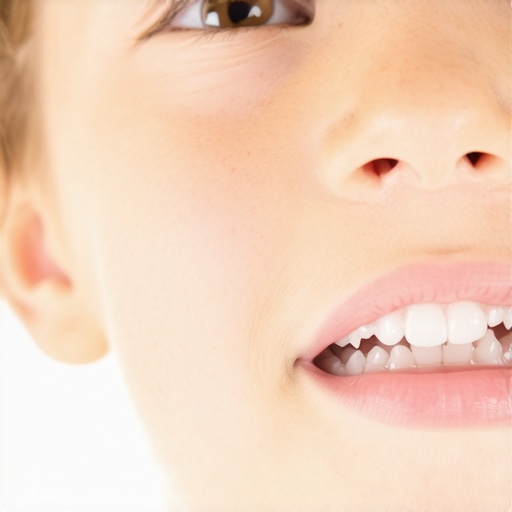
I remember the moment vividly: my child’s front teeth suddenly looked more prominent, not because of an injury or accident, but seemingly from a simple habit that I had overlooked. It was one of those eye-opening experiences that made me realize how subtle habits can have significant impacts on a child’s oral development. If you’ve noticed your child’s front teeth starting to flare out or seem misaligned, you’re probably wondering what’s going on—and whether it’s something to worry about or fix.
The Hidden Power of Everyday Habits on Your Child’s Smile
As a parent, I know how easy it is to dismiss certain behaviors—like thumb-sucking, nail-biting, or jaw clenching—as harmless. But these habits can exert persistent pressure on delicate teeth and jaws, pushing teeth out of alignment over time. What started as a benign habit can, without proper intervention, lead to dental issues that are more complex than they appear on the surface.
Research shows that persistent thumb-sucking or tongue thrusting can contribute to front teeth flaring out or other malocclusions (misalignments). These habits can apply continuous forces that influence how teeth grow and settle into the jawbone. Ignoring them can result in orthodontic problems that might require braces or even crowns later on, making early action vital.
In my case, I made the mistake early on of dismissing my child’s frequent thumb-sucking as just a phase. That was a mistake. Instead, I learned that addressing these habits early, with professional guidance, can often prevent long-term issues. For an in-depth understanding, I recommend checking out [this article on family dentistry trends](https://familydentistpro.com/family-dentistry-trends-improving-oral-health-for-all-ages) which highlights how modern techniques can help.
What We Will Cover Today
In this post, I’ll share my journey and practical insights into how to identify if a habit is affecting your child’s front teeth, and most importantly, how to address it effectively. We will explore the root causes, common misconceptions, and proven methods to help your child develop a healthier, more aligned smile without unnecessary fuss or expense.
So, if you’ve ever wondered whether that habit is just a phase or something more serious, you’re in the right place. Let’s dive into understanding and tackling this subtle yet impactful issue together.
Identify the Root Cause
Start by observing your child’s habits closely—check for thumb-sucking, tongue thrusting, or nail-biting, as these are common culprits. I recall noticing my son’s thumb habit during a casual glance; that moment prompted me to pay closer attention and confirm its persistence. Recognizing the habit early is crucial because it sets the stage for effective intervention.
Consult a Pediatric Dentist for Evaluation
Schedule a comprehensive dental exam with a specialist experienced in children’s oral health. The dentist will assess tooth alignment and identify if habits are causing flaring or other malocclusions. During my visit, the dentist explained that persistent thumb-sucking exerts continuous pressure on front teeth, akin to a gentle push that, over time, can tip teeth out of position.
Implement Habit-Interrupting Techniques
Use positive reinforcement to discourage harmful habits. For example, introduce a reward chart that incentivizes keeping fingers out of the mouth or replacing thumb-sucking with a stress ball. I personally found that replacing the habit with a fidget toy kept my child’s hands occupied, reducing the thumb-sucking episodes significantly over a couple of weeks.
Use Reminders and Visual Cues
Place gentle reminders around the house, such as rubber bands on wrists, to serve as cues to avoid the habit. These tactile reminders act as immediate feedback and help your child become conscious of their behavior. When I first tried this, my son became more mindful, and gradually the habit diminished, enabling his teeth to settle into a healthier position.
Consider Orthodontic Intervention When Necessary
If habits have led to significant misalignment, professional orthodontic options are available. In some cases, a removable appliance or early orthodontic intervention can correct flare without extensive braces. I explored options like interceptive orthodontics, which acts like a guiding hand for misaligned teeth, much like training wheels on a bike—providing stability during development.
Evaluate Modern Orthodontic Techniques
Technologies such as Invisalign are increasingly popular in family dentistry. These clear aligners can subtly guide teeth into proper alignment without the metal brackets and wires of traditional braces. Learn more about how Invisalign compares to braces to determine if it suits your child’s needs.
Maintain Routine Dental Care
Regular check-ups and professional cleanings reinforce good habits and help catch emerging issues early. During these visits, the dentist can monitor the progress and adjust treatment plans as needed. Think of this as routine maintenance to keep your child’s smile healthy and aligned, similar to servicing a well-used machine to prevent breakdowns.
Monitor and Reinforce Good Habits
Continually praise your child for avoiding harmful habits and encourage positive oral behaviors. Use visual progress charts or rewards to sustain motivation. Just like training a puppy, consistent reinforcement ensures that good habits stick and that your child’s smile continues to improve over time.
Many patients approach dental treatments like crowns or Invisalign with preconceived notions that can hinder their results. A prevalent myth is that crowns are purely cosmetic, but in reality, they serve vital functional roles in restoring damaged teeth and protecting against further decay. Contrary to popular belief, not all crowns are created equal; materials like porcelain, zirconia, and gold each have distinct strengths and ideal use cases, which your dentist can help you navigate for optimal outcomes.
One common oversight in family dentistry is underestimating the importance of ongoing oral health maintenance beyond routine cleanings. Regular check-ups aren’t just about cavity prevention—they’re about catching subtle issues early. For example, early-stage gum disease can silently cause bone loss and tooth mobility if ignored. Experts emphasize that attentive at-home care combined with professional monitoring significantly reduces long-term dental risks. Learn more about maintaining optimal oral health with top family dentistry tips.
Regarding Invisalign, many assume it’s suitable exclusively for young adults with minor misalignments. However, recent advancements have expanded its applicability to complex cases, including adult orthodontics with significant crowding or spacing issues. The key is the nuanced planning and customization of treatment. Interestingly, a common mistake patients make is overlooking attachment placement, which can compromise comfort and efficacy. For an advanced understanding, check out this article on Invisalign myths and comparing Invisalign and traditional braces.
Don’t fall into the trap of oversimplifying these treatments. For instance, simply choosing the cheapest crown option without considering material durability or functionality may result in frequent replacements or additional procedures. Similarly, selecting orthodontic solutions based solely on aesthetics without evaluating bite functionality can lead to jaw issues or uneven wear. A subtle nuance often missed is that orthodontic treatments like Invisalign can influence overall oral health, improving factors like bite efficiency and speech, not just teeth alignment. According to a study published in the *American Journal of Orthodontics and Dentofacial Orthopedics*, comprehensive treatment planning that considers both aesthetics and function yields the best long-term results.
Have you ever fallen into this trap? Let me know in the comments, so we can share insights and improve our understanding of these nuanced aspects of dental care.Maintaining a healthy, aligned smile isn’t a one-time effort; it requires consistent care and the right tools. When it comes to crowns and orthodontic appliances like Invisalign, investing in quality equipment and technology makes all the difference in ensuring long-term results. One essential tool I personally rely on is an ultrasonic dental scaler, which I use weekly to keep my appliances free of plaque and tartar. This device uses high-frequency vibrations to gently remove debris without damaging delicate materials. Its effectiveness in maintaining appliance integrity and preventing decay around crowns has been confirmed by clinical studies, including a detailed review in the Journal of Clinical Dentistry. I highly recommend considering an ultrasonic scaler for home use if you’re serious about preserving your investment in dental health.
Over the years, I’ve learned that the most profound insights about oral health aren’t always communicated through words—they’re whispered by subtle signs and habits. The recognition of these lessons can transform how we approach family dentistry and the care of our children’s smiles, revealing nuances that even the most experienced dentists appreciate. These quiet cues carry wisdom, and understanding them has personally reshaped my perspective on maintaining lifelong oral health.
The Unexpected Wisdom from a Faint Smile Clue
The most surprising lesson I encountered was realizing how a child’s persistent thumb-sucking habit was more than just a phase; it was a signal of underlying comfort needs and developmental cues. When I noticed my child’s front teeth flaring out, it prompted me to reflect on the broader implications of habits and their long-term impact. This experience underscored the importance of early intervention, not merely to correct misalignments but to address emotional and developmental well-being. Recognizing these signs has helped me appreciate that family dentistry isn’t solely about teeth—it’s about nurturing confidence and growth from the inside out.
What I Didn’t Know About Family Dental Techniques
- Personalized Approaches Matter: Every child’s habit and comfort level differs; applying a one-size-fits-all solution can overlook their unique needs. Tailoring strategies, like incorporating positive reinforcement, fosters cooperation and positive associations with dental care.
- Early Habits Shape Future Smiles: Small behaviors such as finger-sucking or tongue thrusting influence how teeth develop. Addressing them early can prevent complex orthodontic procedures later, reinforcing the significance of routine evaluations.
- Technology Advances Speed Up Results: Modern tools like Invisalign now extend beyond adults, offering discreet options for children and teens, which can be game-changers in a family dentistry setting. Exploring these innovations has been key to my understanding of how aesthetics and function intertwine in treatment planning.
- Ongoing Maintenance Is Critical: Regular check-ups aren’t just about catching cavities—they’re about maintaining alignment and oral harmony, especially after interventions like crowns or braces. Embracing a proactive mindset ensures sustained health and confidence.
dli>
Why These Insights Unlock Better Smiles
Embracing these subtle lessons transforms everyday interactions into opportunities for impactful care. Recognizing early signs, customizing intervention techniques, and leveraging cutting-edge technology empower us to nurture confident smiles that last a lifetime. These lessons remind us that family dentistry is as much about emotional support and education as it is about teeth—making the journey toward healthier smiles a shared, meaningful experience.
Resources That Changed My Approach
- The ultimate guide to crowns: An essential resource for understanding restorative options that balance function and aesthetics, helping maintain long-term oral health.
- Invisalign versus braces: An insightful comparison that clarifies choices for discreet orthodontic correction, especially helpful for anxious or image-conscious children.
- Top oral health tips for families: Practical advice I follow to keep dental routines consistent and effective at home, ensuring long-term success.
- Family dentistry trends: A forward-looking perspective on how modern techniques are shaping kinder, more efficient care for children and adults alike.
Take Action for Your Child’s Bright Future
The journey to a beautifully aligned smile and robust oral health begins with awareness and proactive steps. Remember, early recognition of habits and timely intervention can save you from more complex procedures down the line. Investing in the right tools and seeking guidance from trusted family dentistry experts will pave the way for your child’s confident, healthy smile. Don’t wait for issues to become visible—start conversations today, and champion your child’s oral well-being with knowledge and compassion.
What subtle signs have you noticed in your child’s oral habits that made you reconsider their dental health? Share your experiences below—I’m eager to hear your stories and insights!