
The real difference between professional and store-bought whitening kits
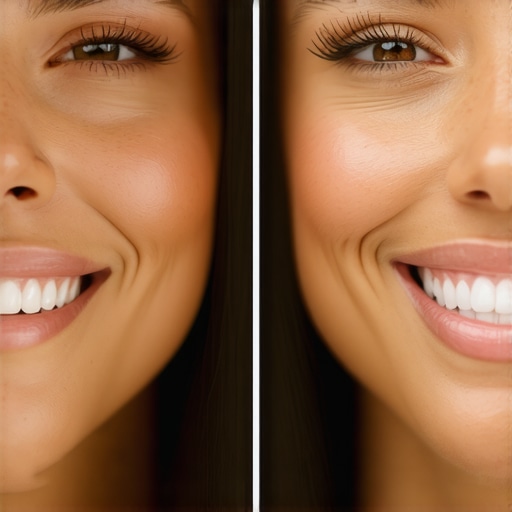
I remember the moment clearly—standing in front of my bathroom mirror, squinting at my reflection, and realizing my smile wasn’t quite as bright as I wished. I had tried every over-the-counter whitening strip and gel I could find, hoping for that Hollywood glow, but somehow, my teeth just wouldn’t cooperate. It was frustrating and, honestly, a little bit embarrassing.
Why Whitening Choice Matters More Than You Think
That lightbulb moment made me curious—what’s the real difference between the whitening kits sold in stores and the professional treatments offered by your dentist? It turns out, there’s a significant gap in efficacy, safety, and overall results that many casual users overlook. If you’re like me, you probably want to know whether the money and effort you invest are actually worth it.
Is the Hype Around Store-Bought Whitening Truly Justified?
Early on, I made a common mistake—assuming all whitening products are created equal. I bought a popular whitening gel that promised quick results, but after weeks of use, my teeth barely looked any different. Turns out, many over-the-counter options contain lower concentrations of the active ingredient (hydrogen peroxide or carbamide peroxide), which means they might not produce significant whitening beyond temporary surface stains. Plus, without proper supervision, it’s easy to misuse these products or overdo it, risking tooth sensitivity or gum irritation.
Interestingly, studies show that professional whitening treatments can produce faster, longer-lasting results—sometimes up to multiple shades brighter in just one appointment. Dentists use higher concentrations of whitening agents safely within a controlled environment, ensuring your teeth get the maximum benefit without unnecessary discomfort. For example, Invisalign innovations and other advanced dental technologies showcase how modern dentistry prioritizes both aesthetics and health.
If you’ve ever experienced lingering tooth sensitivity after trying store-bought whitening kits, you’re not alone. That’s often a sign that the product is too harsh or being overused. This is where professional treatments shine—they’re tailored to your dental health, minimizing side effects while maximizing results.
What’s Next? How I Discovered the Secret to Bright, Healthy Smiles
Now that I understand the disparities, I want to share practical guidance to help you make informed decisions about whitening. Whether you’re preparing for an upcoming event or just want to boost your confidence, choosing the right approach can significantly impact your oral health and self-esteem. Ready to dive into the pros and cons of each option? Let’s start exploring how professional whitening can truly transform your smile—and why it might be the best investment you make for your health and happiness.
Schedule a Consultation with a Dentist
The first actionable step is booking an appointment to assess your oral health thoroughly. Think of this as evaluating the foundation before building a structure—without it, any cosmetic work may be unstable. When I finally scheduled my visit, the dentist performed detailed examinations, including X-rays, to identify issues I couldn’t see or feel. This initial assessment is crucial for personalized treatment planning.
Determine Your Needs and Goals
Be clear about what you want—whiter teeth, straighter smile, or overall health improvement. During my consultation, I discussed my desire for a brighter smile and learned that some solutions, like whitening, might not be suitable if I had existing restorations. Clear communication ensures the dentist can recommend effective procedures, such as [crowns](https://familydentistpro.com/the-ultimate-guide-to-crowns-for-a-healthier-smile) or [Invisalign](https://familydentistpro.com/invisalign-innovations-the-future-of-family-dentistry-revealed-at-1137-am) kits, tailored to your unique needs.
Prioritize Oral Hygiene with Consistent Care
Developing a daily routine is akin to maintaining a car—regular cleaning and check-ups extend its lifespan. Use fluoride toothpaste and floss daily, paying attention to hard-to-reach areas. Once, I missed flossing for a couple of days, which led to minor bleeding; consistency prevents such setbacks and keeps your gums healthy.
Master Proper Brushing and Flossing Techniques
Use gentle, circular motions with a soft-bristled brush to avoid damaging your gums. When flossing, curve the floss around each tooth like a hammock—to remove plaque effectively without damaging tissues. Watching online tutorials helped me correct my technique, making my cleaning sessions more effective and comfortable.
Implement Targeted Cosmetic Treatments
If whitening is your goal, professional treatments often outperform store-bought kits in speed and safety. During my whitening session, a dentist applied a high-concentration peroxide gel under protective measures, reducing sensitivity. Unlike over-the-counter options, this approach minimizes risks such as gum irritation, ensuring you get lasting results.
Explore Options for Restorative Enhancements
For damaged or discolored teeth, dental crowns restore function and beauty. I opted for custom crowns after a small fracture; this method seals the tooth and offers a natural appearance. To understand your options better, visit [Crowns](https://familydentistpro.com/the-ultimate-guide-to-crowns-for-a-healthier-smile), which details the process and benefits.
Incorporate Dental Technology
Modern tools like Invisalign or digital scans streamline treatments and improve outcomes. I tried Invisalign aligners, which gradually shifted my teeth—similar to gentle, controlled pressure that’s easy to wear. This method avoids the discomfort of traditional braces and allows you to maintain your lifestyle. For more insights, check [Invisalign](https://familydentistpro.com/invisalign-innovations-the-future-of-family-dentistry-revealed-at-1137-am).
Maintain Regular Follow-Ups
Consistent check-ins with your dentist catch issues early and prolong results. My follow-up visits helped tweak my whitening and ensure my crowns fit perfectly, which prevents future complications. Regular professional care keeps your smile healthy and looking its best, avoiding costly repairs down the line.
Adopt a Holistic Approach to Family Oral Health
Extending care to others simplifies routines and helps everyone benefit. Teaching children proper brushing early prevents cavities, while routine visits catch problems like gum disease at a manageable stage. Family dentists often provide comprehensive plans that include [oral health tips](https://familydentistpro.com/top-oral-health-tips-for-your-familys-bright-smiles) for all ages, making care more effective and less stressful.
Many patients often assume that all dental restorations and orthodontic solutions are straightforward, but beneath the surface, there are nuanced misconceptions that can impact long-term oral health. For instance, a common myth is that crowns are purely cosmetic—many don’t realize they serve a vital restorative function that can prevent further decay and structural damage. Selecting the right type of crown, such as porcelain-fused-to-metal versus all-ceramic, requires understanding the specific benefits and limitations, which many overlook. An incorrect choice can lead to aesthetic issues or structural weaknesses over time.
Are All Invisalign Aligners Equally Effective for Complex Cases?
It’s tempting to believe Invisalign is only suitable for minor teeth adjustments, but recent advances show that with proper case selection and technology, even complex malocclusions can benefit. The secret lies in the sophisticated digital planning and attachments used during treatment, which enhance control and outcomes. Ignoring these nuances may result in less predictable results or prolonged treatment durations. For example, [Invisalign innovations](https://familydentistpro.com/invisalign-innovations-the-future-of-family-dentistry-revealed-at-1137-am) have expanded the scope drastically, but only if your provider leverages the latest techniques. Many people underestimate the importance of choosing experienced practitioners who fully understand these advanced methods. It’s not just about wearing aligners but also about strategic planning and technology integration.
Another common oversight involves the misconception that family dentistry focuses solely on children. In reality, comprehensive family dental care encompasses preventive strategies and customized treatments for all ages, including managing periodontal disease in adults or providing restorative options like crowns when necessary. Many patients neglect regular assessments that can catch subtle issues early—an approach proven to save time and money in the long run. Regular checkups tailored to the family’s unique needs, including personalized oral hygiene advice, are often underappreciated but are the backbone of lasting dental health.
What’s the Fine Line Between Preventive Care and Over-treatment?
While aggressive interventions can sometimes do more harm than good, a common mistake is believing that minimal treatment is always best. Some patients skip necessary procedures, assuming they can depend solely on brushing and flossing, which isn’t enough for issues like early decay or hidden plaque buildup. Conversely, over-treatment can lead to unnecessary procedures, discomfort, and expense. Skilled family dentists understand these nuances, prioritizing conservative yet effective approaches—balancing intervention with preservation, often guided by detailed diagnostics and evidence-based protocols. To truly grasp these subtleties, it pays to follow expert insights that emphasize tailored care plans. For example, understanding when to opt for a crown versus a veneer or how to utilize minimally invasive techniques can make all the difference. You can explore these strategies further by visiting [the ultimate guide to crowns](https://familydentistpro.com/the-ultimate-guide-to-crowns-for-a-healthier-smile) or related articles. Having this deeper awareness helps prevent common pitfalls—like choosing the wrong treatment for your specific needs. Good communication with your dentist is key and can clarify these complex decisions. Remember, effective oral health isn’t about quick fixes but about nuanced choices that ensure durability and health. Have you ever fallen into this trap? Let me know in the comments.
Maintaining your smile after treatment is just as important as the procedures themselves. Over time, the right tools and techniques can make all the difference in preserving your results and ensuring long-term oral health. As a dedicated advocate for proactive dental care, I recommend investing in quality equipment that aligns with modern standards. Accurate tools not only save you time but also help prevent setbacks that could require more extensive interventions later.
Why a High-Quality Electric Toothbrush Is a Game-Changer
Personally, I swear by the Oral-B iO Series 9. Its oscillating-rotating technology combined with real-time feedback ensures comprehensive plaque removal, especially around crowns and brackets. Unlike manual brushes, this model offers consistent pressure control, which is crucial for delicate restorations and gum health. Regular use of a reliable electric toothbrush can significantly reduce the risk of decay or gum recession over the years, especially if you incorporate features like a timer and pressure sensors—elements I find indispensable for thorough cleaning.
The Role of Digital Tools in Long-Term Planning
I leverage specialized software such as Dental Monitoring to keep track of my oral health progress through virtual check-ins. These solutions allow me to monitor the integrity of crowns and Invisalign aligners remotely, catching potential issues early. Predictive analytics in these platforms are projected to evolve further, enabling dentists to customize maintenance schedules based on individual wear patterns and habits—making preventive care more personalized and effective.
How do I maintain Invisalign over time?
Regularly cleaning your aligners with a gentle, non-abrasive cleaner like Invisalign Cleaning Crystals is vital. Additionally, I advise storing them properly in the provided case when not in use—this prevents bacterial buildup and potential damages. As I frequently remind patients, neglecting proper hygiene can lead to discoloration or bad breath, undermining your investment in an otherwise technologically advanced solution. For comprehensive guidance, reviewing Invisalign myths can be enlightening. Looking ahead, I predict a surge in smart aligners embedded with sensors that track wear time and oral environment parameters, further empowering patients to maintain optimal results.
Stay Consistent with Professional Support
While at-home tools are essential, periodic professional checkups remain crucial. My routine includes bi-annual visits, where dentists inspect my crowns, evaluate gum health, and perform professional cleanings. These appointments are when advanced diagnostic tools like intraoral scanners and 3D imaging come into play, providing detailed insights that guide maintenance strategies. Remember, combining personal tools with professional oversight offers the best path to a durable, healthy smile. For more details on crown care, see why crowns matter.
Finally, don’t overlook simple habits like avoiding stain-causing foods and using floss threaders for tricky areas. Integrating these practices with top-tier tools creates a robust maintenance routine that keeps your dental work functioning seamlessly for years to come. Ready to upgrade your maintenance game? Consider trying a high-quality electric toothbrush paired with digital tracking apps—it’s a small investment with immense long-term returns.
The most eye-opening lesson for me was realizing that not all dental solutions are one-size-fits-all. I once thought that getting a crown was just about fixing a damaged tooth, but I didn’t realize how critical selecting the right type of crown could be for both durability and aesthetics. This oversight led me to unnecessary discomfort and additional visits. Learning that advancements like porcelain-fused-to-metal crowns offer both strength and a natural look transformed my approach to restorative dentistry. Similarly, I used to believe Invisalign was only suitable for minor misalignments, but with proper guidance, I discovered that even complex cases can benefit from its discreet design, provided the treatment is well-planned. These lessons emphasize the importance of consulting with experienced professionals who tailor treatments to your unique needs. For those considering family dental care, I found that involving the whole family early on creates a routine that sustains long-term oral health, preventing common issues before they become serious. If I could go back, I’d prioritize personalized advice over generic solutions—trusting experts to guide my choices ensures healthier, happier smiles for years to come.