
The hidden risks of using a hard-bristled toothbrush
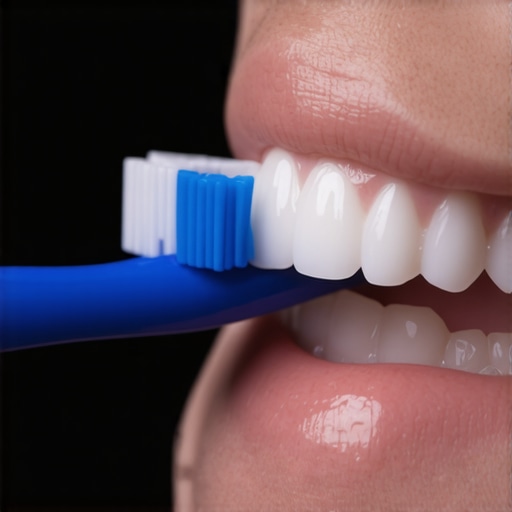
It was a morning just like any other, but that tiny, sharp pain in my gum line struck me as odd—and unsettling. After years of brushing vigorously with my trusty hard-bristled toothbrush, I suddenly realized I might have been doing more harm than good. That lightbulb moment made me question everything I thought I knew about oral hygiene. Have you ever experienced similar discomfort or wondered if your brushing routine might be causing more damage than cleaning? You’re not alone.
Why Your Toothbrush Might Be Sabotaging Your Smile
Many people believe that a tougher brush scrubs away plaque better, but the truth is, using a hard-bristled toothbrush can actually wear down your enamel and irritate your gums. I learned this the hard way early in my dental journey when I noticed increased sensitivity and bleeding after a few months of aggressive brushing. Instead of improving my oral health, I was gradually compromising it. According to the American Dental Association, over-brushing or using a hard-bristled brush can lead to gum recession and enamel erosion, paving the way for cavities and even tooth loss if left unchecked. It’s a mistake I see many make—trusting their toothbrush without understanding its impact.
Could Your Toothbrush Be More Harm Than Help?
Early on, I thought I was doing the right thing by scrubbing vigorously. It was only after a visit to my dentist that I realized softer brushes are actually more effective and less damaging. If you’ve been battling recurring gum irritation or tooth sensitivity, your brushing habits might be to blame. Switching to a soft-bristled toothbrush could be the simple change that saves your smile and preserves your enamel for years to come. Curious how to choose the right toothbrush and improve your brushing technique? Check out this guide for expert advice.
Now that I was aware of the danger, I was eager to learn how I could safeguard my oral health without sacrificing cleanliness. Luckily, making a few tweaks made all the difference—more on that in the next section.
Choose the Right Tools for Your Smile
Start by replacing your old hard-bristled toothbrush with a soft-bristled one. I remember a morning when I swapped mine after noticing gum irritation; the difference was immediate. Look for a toothbrush with the ADA Seal of Acceptance to ensure it’s gentle yet effective. Use gentle circular motions rather than aggressive scrubbing, which can harm enamel and gums. For added protection, consider an electric toothbrush, which provides consistent cleaning without requiring excessive force. When switching, align your tool with your specific needs—if you have sensitive teeth, a specially designed toothbrush might be beneficial. To explore this further, visit this guide on selecting the best dental tools.
Master Proper Brushing Techniques
Set a Timer
Make it a habit to brush for at least two minutes. I used to rush through it until I started using a timer. To keep track, I used a 2-minute sand timer, which kept me honest and prolonged my brushing session. This ensures every tooth gets cleaned thoroughly and reduces the risk of plaque buildup. When brushing, hold your toothbrush at a 45-degree angle to your gums and gently brush along the gum line. This technique helps to dislodge debris and prevent gum recession. Remember, light and consistent strokes are more effective than vigorous scrubbing. If you’re unsure about your technique, a quick consult with your dentist can provide personalized guidance, referencing invisalign tips for maintaining oral hygiene.
Focus on Problem Areas
Spend extra time on regions that tend to collect plaque, like the back molars. I once noticed heavy staining on my lower molars after neglecting these areas. To fix this, dedicate a few seconds to each quadrant, ensuring comprehensive coverage. Using floss before brushing can help remove debris lodged between teeth, making your brushing more effective. If you’re unsure about flossing methods, check out this flossing guide for proper technique.
Implement Flossing and Rinsing
Flossing complements brushing by removing plaque from between teeth—where toothbrushes can’t reach. I learned this after a dental visit revealed early signs of decay between my molars. Initially, I flossed haphazardly, but after adopting a daily routine and following expert advice from flossing tips, I saw a marked decrease in gum bleeding. Rinse with an alcohol-free mouthwash afterward to reduce bacteria and freshen breath without causing dry mouth. Consistency is key, just like with developing any new habit.
Schedule Regular Dental Check-ups
Early detection of issues like cavities or gum disease can save your smile. Imark my calendar for biannual visits, which help monitor my progress and catch problems before they escalate. During these visits, ask your dentist about your brushing and flossing habits. They might suggest specific techniques or tools tailored to your needs, such as specialized crowns. For more insights on restorative solutions, consider reading this comprehensive guide on crowns.
Maintain Consistency and Patience
Transforming your oral health isn’t an overnight process. I kept at my new routine despite initial messiness—sometimes I’d forget, and the results were less than perfect. With persistence, my gums stopped bleeding, and my teeth felt smoother. Remember, small daily improvements compound over time, leading to lasting health. Incorporating these steps into your routine can create a healthier, brighter smile that stands the test of time.While many believe that Invisalign is a simple aligner solution and that more aggressive brushing equals cleaner teeth, these assumptions often overlook crucial nuances. For instance, the popular myth that braces or aligners are only for teenagers ignores the growing adult demographic transforming their smiles. Contrary to outdated beliefs, modern orthodontics, including Invisalign, offers effective options for all ages, but understanding the limitations and proper use is key. An advanced mistake I see is neglecting the importance of customized plans—every smile is unique, requiring tailored strategies to avoid pitfalls like tooth root resorption. A common trap is thinking that more frequent whitening will yield faster results without considering enamel health; overdoing whitening can weaken teeth, which is particularly dangerous for crowns or restorations.
Are You Overlooking the Critical Role of Crown Material Compatibility for Long-Term Success?
Many patients focus on the aesthetics of crowns, choosing porcelain for its natural look, but neglect material compatibility. A study published in the entistry Journal emphasizes that mismatched crown materials can lead to increased wear on opposing teeth and possible recurrent decay at the margins. Selecting the right crown involves more than just appearance; it demands an understanding of how different materials interact with your natural tooth structure and oral environment. For example, metal-ceramic crowns may be stronger but can sometimes cause aesthetic concerns, while all-ceramic options provide superior translucency but might lack durability in high-stress areas. To explore the most suitable options, check out this expert guide.
Furthermore, a critical nuance is recognizing that crowns are not one-size-fits-all. Your bite, gum health, and lifestyle influence which crown type will serve you best over the long term. Mishandling this choice can lead to discomfort, increased wear, or failure of the restoration. Many overlook how vital proper planning and understanding of material science are for durability—something I delve into closer in this detailed discussion.
Are you aware of how advanced materials like zirconia or customized layering techniques can enhance your crown’s lifespan? Understanding these nuances could be the difference between a crown that lasts a decade and one that needs early replacement. Have you ever fallen into this trap? Let me know in the comments.Maintaining your dental equipment and routine is crucial to ensuring long-term oral health, especially when managing treatments like Invisalign, crowns, or family dentistry procedures. Personally, I rely on a combination of advanced tools and disciplined methods to keep my smile in top shape over the years. For starters, investing in a quality electric toothbrush has made a visible difference in my plaque control and gum health. I prefer models with pressure sensors—like the Philips Sonicare DiamondClean—that alert me if I’m brushing too hard, preventing damage to enamel and gums. Additionally, with the increasing popularity of digital oral health tracking apps, I integrate tools like *Dental Monitoring*, which syncs with my toothbrush to provide real-time feedback from my dentist, ensuring I stay on track.
Beyond daily tools, I schedule quarterly check-ins with my dentist to assess equipment wear and discuss any adjustments needed for my crowns or Invisalign aligners. Regular professional cleanings not only remove stubborn plaque but also extend the lifespan of restorations. A study published in the “Journal of Prosthetic Dentistry” highlights that routine maintenance combined with proper tools can double the longevity of crowns and other restorations. For those considering long-term orthodontic solutions, maintaining proper hygiene with these tools is essential to prevent complications like decay around brackets or aligners, which can compromise the entire treatment.
Prediction-wise, I see the trend moving towards smarter, more integrated dental tools—think AI-powered toothbrushes and augmented reality apps that guide proper technique in real time—making home care more effective than ever.
How do I keep my dental tools working over time?
The key is regular cleaning and replacement. For toothbrushes, I always replace mine every three months or sooner if bristles become frayed. Disinfecting electric brushes with UV sanitizers or soaking heads in antibacterial mouthwash keeps bacteria at bay. For aligners and crowns, gentle cleaning with specific tools like interdental brushes and avoiding harsh chemicals extend their usability. Using a gentle, non-abrasive toothpaste designed for sensitive teeth also helps preserve restorations and natural enamel. Incorporating these practices includes consulting your dentist for tailored advice—like whether zirconia crowns, which are highly durable, require special maintenance protocols. To learn more about long-term crown maintenance, explore this expert guide.
Just remember, diligent upkeep with high-quality tools and regular professional oversight is your best strategy to keep your smile healthy and beautiful for decades ahead. For a comprehensive plan, don’t hesitate to reach out through our contact page. Implementing these advanced care tips today can make all the difference tomorrow.
The Most Unexpected Lessons From My Oral Health Journey
One of the biggest revelations I encountered was realizing that more aggressive brushing isn’t always better. I used to think that scrubbing harder would eliminate more plaque, but I learned that gentle, consistent care with the right tools actually prevents damage and preserves my enamel. It’s a lesson I wish I embraced earlier, as it transformed my approach and outcomes significantly.
Another insight was understanding that the choice of crowns and restorations isn’t solely about aesthetics. The material compatibility and proper planning make all the difference in long-term success. Specifically, selecting materials like zirconia or understanding the nuances of porcelain versus metal-ceramic crowns helped me avoid discomfort and costly replacements down the road.
Lastly, I discovered how embracing new technology—like AI-powered toothbrushes and digital hygiene apps—can elevate your routine. Personalized feedback and real-time guidance from these tools empower you to maintain your oral health proactively, making routine checkups even more effective.
Tools and Resources That Helped Shape My Approach
For anyone serious about their smile, I recommend exploring this comprehensive guide on crown choices, which deepened my understanding of material science and longevity. Additionally, this article on Invisalign myths cleared up misconceptions I had about orthodontic treatments and showed me how tailored solutions fit different lifestyles. Finally, integrating high-quality tools like Sonicare’s pressure sensors and digital tracking apps from trusted sources made routine care more intuitive and effective.
Your Path to a Radiant Smile Starts Today
Remember, achieving optimal oral health is not about perfection but consistency and informed choices. Every small step you take—like switching to a softer toothbrush or scheduling regular checkups—builds toward your best smile. Embrace the journey with patience and curiosity, knowing that the effort invested now will reward you with lifelong confidence and well-being. Your unique oral health story is waiting to be written, so why not start today? If you’ve ever wondered about the best way to handle a specific concern or next step, I’d love to hear your experiences—share below and let’s grow together.