
The One Flossing Habit That Actually Pushes Bacteria Deeper Into Your Gums
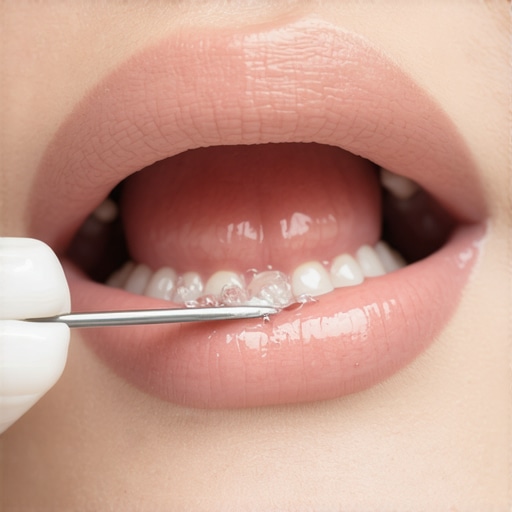
I remember the moment I realized I had been doing it all wrong with my flossing routine. I thought I was helping my gums, but somehow, I noticed more bleeding and sensitivity rather than the clean feeling I expected. It was frustrating, almost embarrassing—like I was unknowingly pushing bacteria deeper into my gums instead of removing it. That lightbulb moment hit me hard, prompting me to dig into what I was missing.
The Common Flossing Mistake We All Make
Many of us are told that flossing is essential for oral health, but what if I told you that the way you’ve been flossing might actually be aggravating your gum problems? The truth is, improper flossing techniques can pack bacteria into your gums or loosen existing issues, making your dental troubles worse rather than better. Early on, I made the mistake of vigorously ripping floss between my teeth, thinking more force meant cleaner results. Instead of helping, I damaged my gums and started experiencing increased sensitivity.
I want to help you avoid this mistake because I know how disheartening it can be. Today, we’ll uncover the *one flossing habit that actually pushes bacteria deeper into your gums*—and how to fix it once and for all.
Is Your Flossing Technique Actually Worth the Hype?
Let’s be honest—most of us are skeptical about changing our habits, especially when it comes to something as routine as flossing. I used to think that more aggressive flossing would clear out plaque faster. But research shows that the proper gentle technique is not only sufficient but also crucial for healthy gums (source: American Dental Association). My early mistake was thinking that forcefulness translated to effectiveness, but it turns out that being too rough actually inflames your gums and pushes bacteria further into the tissue.
In fact, I learned that using a gentle, curved ‘C’ shape around each tooth and sliding the floss carefully beneath the gum line does more good than harm. It’s about creating a clean surface without traumatizing your delicate gum tissue. And trust me, once I adopted this more mindful approach, my gums started healing, and the bleeding reduced.
If you’re wondering whether your current method could be doing more harm than good, you’re not alone. Many patients come into our practice with the same concern, and the good news is that correcting your technique is straightforward. Want to see how this simple change can make all the difference? Keep reading, because the next sections will guide you through the exact steps to transform your flossing routine and protect your gums for good.
Choose the Right Floss and Prepare for Success
Begin by selecting a high-quality floss — think of it as choosing a reliable tool for a delicate task. Regular waxed or unwaxed floss works well, but if you have tight spaces, consider a floss picks or dental tape. Before starting, wash your hands thoroughly to prevent transferring bacteria into your mouth. Cut approximately 18 inches of floss, winding most of it around your middle fingers, leaving about 2 inches to work with. This setup gives you control and precision, akin to wielding a fine brush for detailed work.
Properly Position the Floss
Gently grasp the floss between your thumb and forefinger, forming a C-shape around each tooth — imagine gently hugging the tooth with a soft curve. Be careful not to apply excessive pressure, which can hurt your gums. Controlling the placement is crucial; it’s like guiding a needle through fabric without tearing it. When you reach the gum line, angle the floss into the pocket between your gum and tooth.
Execute the Gentle Downward and Upward Motion
Slide the floss slowly and carefully into the space beneath the gum line. Use a gentle sawing motion, similar to whittling wood — no pressing or snapping. Once in place, gently curve the floss around the side of the tooth and move it up and down a few times to dislodge plaque. Repeat this process for each tooth, unwrapping a clean section of floss as needed. Remember, patience and finesse trump brute force — rushing can cause gum damage and push bacteria deeper, a mistake I once made during a hurried session that left my gums inflamed.
Cover All Surfaces and Avoid Cross-Contamination
Ensure you floss both the sides of every tooth, including back molars, much like thoroughly cleaning every corner in a room. Move to the next tooth without dragging the dirty section back into your mouth; instead, unwind a fresh section of floss to prevent bacterial transfer, similar to changing a dirty cloth before wiping a mirror again. This meticulous approach ensures you remove bacteria effectively without spreading germs or exacerbating inflammation.
Finish with Rinse and Inspect
After flossing, rinse your mouth with water or an antiseptic rinse to wash away loosened debris. Look into a mirror to check for bleeding or redness, signs that you might need to adjust your technique or see your dentist. Consistency is key — like tending to a garden, regular care gives the best results. This disciplined routine, much like routine family visits, supports long-term gum health, reducing bleeding, sensitivity, and the risk of periodontal issues.
Mastering these steps transformed my own flossing habits. Instead of causing damage, I began experiencing less bleeding and healthier gums. Remember, think of flossing as a gentle garden prune — it’s about delicate care, targeted action, and consistent effort to cultivate a vibrant, healthy smile.
The Myth of One-Size-Fits-All Oral Care
Many assume that brushing twice daily and regular flossing are enough for optimal oral health. However, this oversimplification often masks nuanced needs unique to each individual. For instance, the effectiveness of traditional flossing versus newer tools like interdental brushes can vary based on gum health and spacing. Understanding these subtleties can significantly impact your dental outcomes.
Why Some Common Dental Procedures Might Not Be What You Expect
Take dental crowns, for example. Widely regarded as perfect restorations, many overlook the importance of proper fitting and nano-seal technology. An ill-fitting crown can lead to gum overgrowth or even decay underneath, which many patients don’t realize until discomfort arises. For deeper insights, explore this comprehensive guide on crowns.
Are Invisalign Aligners Causing More Harm Than Good?
Invisalign is often praised for its discreet approach, but some users fall prey to myths about its capabilities. One common misconception is that Invisalign always works faster and more efficiently than traditional braces. In reality, factors like attachment stains, tray fit, and compliance play critical roles. A study published in the Journal of Clinical Orthodontics emphasizes the importance of understanding these nuances to prevent treatment delays (source).
Beware the Hidden Trap in Family Dentistry
Routine family dental visits often focus on immediate issues but can overlook emerging threats like bio film buildup or nano-seal wear. Many assume that dental technology is static, but ongoing innovations mean that outdated practices may inadvertently compromise long-term health. Staying informed about latest trends in family dentistry can help you spot early signs of deterioration.
Quantum Leap or Risky Shortcut? The Nuance of Modern Dental Materials
Advanced materials like bio-coated fillings and nano-seals promise durability, but their correct application is critical. Misuse or neglect can lead to leaky fillings or overgrowth, which many patients mistake for normal wear. A study in the International Journal of Prosthodontics highlights that the success of these materials hinges on precise techniques (details here).
In essence, much of what we accept as standard might harbor hidden flaws rooted in oversimplification or outdated assumptions. Understanding the nuances—be it the correct fit of a crown or the right type of floss—empowers you to make smarter decisions. Have you ever fallen into this trap? Let me know in the comments.Achieving and preserving optimal oral health requires more than just routine brushing and flossing; it demands the right tools and consistent maintenance habits. One of my favorite devices is the Sonicare DiamondClean Smart electric toothbrush — I personally rely on its deep-clean mode and app connectivity to track my brushing patterns, ensuring I reach every nook and cranny. Its oscillating brush heads effectively dislodge plaque, and the built-in timers keep me honest about brushing duration, a feature that significantly improves my daily routine. For interdental cleaning, I swear by the Waterpik White Ultra Water Flosser, which I find gentler and more effective than traditional floss, especially for those with previous gum issues or braces. Its adjustable pressure settings allow me to customize my cleaning, reducing gum irritation while still eliminating stubborn plaque hotspots. When it comes to maintaining Invisalign trays, I recommend using specialized chewies — soft rubber devices that seat the aligners properly on your teeth, preventing tray warping or triggers for allergies. I also incorporate oral microbiome testing using saliva kits, which provide insights into bacterial composition, helping me tailor my diet and oral hygiene to promote long-term health, per research indicating the microbiome’s role in periodontal wellness. Looking ahead, I believe digital bio-scans and AI-assisted diagnostics will revolutionize long-term oral care by enabling weeding out hidden issues early, much like the innovations seen in modern family dentistry. To keep your smile working for years to come, I advise regular checkups that include these tech-forward tools, and immediately addressing any anomalies like crown leaks or Invisalign fit issues. For example, if you notice your crowns feeling loose or pushing gums, examining them with our detailed online assessment can save you costly repairs. Try integrating an advanced tool like a Sonicare DiamondClean Smart brush into your routine—it’s a game-changer in maintaining pristine oral health for the long haul. To learn more about the latest in dental technology and how it can serve you, visit our [family dentistry trends page](https://familydentistpro.com/family-dentistry-trends-improving-oral-health-for-all-ages). Regular use of these innovations, combined with diligent maintenance habits, will help you enjoy a vibrant, healthy smile for years to come.
The Hidden Lessons My Dentist Wish I Knew Sooner
One of the most impactful lessons I learned was that even professionals can overlook small habits that make a big difference. For example, I used to think that brushing harder meant cleaner teeth, only to realize it was damaging my gums more than helping. The lightbulb moment came when my dentist explained that gentle, consistent care with the right technique outperforms brute force every time. Now, I approach my oral health with mindfulness, understanding that details matter. Knowing these personal insights can help you avoid common pitfalls and truly optimize your dental routine.
Toolkit That Elevated My Smile Game
Investing in quality tools changed my approach to family dentistry. The Sonicare DiamondClean Smart electric toothbrush became my everyday hero, with its deep-clean modes and app for tracking progress. For interdental cleaning, the Waterpik Ultra Water Flosser offers a gentler, more effective alternative—especially for tricky spots missed by traditional floss. I also incorporate saliva testing kits to monitor my microbiome, making adjustments that support long-term gum and cavity health. These resources have been game-changers, and I trust them because they are backed by cutting-edge research and real-world results.
Embrace Change for a Future-Ready Smile
Your journey to optimal oral health is unique, but it’s never too late to start. Taking small steps—like refining your flossing technique, choosing better tools, or staying informed about family dentistry innovations—can have lasting impacts. Modern technologies like AI-powered bio-scans are redefining diagnostics, enabling us to catch issues early and personalize care. So, I challenge you to look into these advancements and see how they fit into your routine. Your future self will thank you for taking action today, turning good intentions into vibrant, lasting results.
What’s the one small change you’re willing to try this week to improve your oral health routine? Share your thoughts below—I’d love to hear how you’re preparing for a healthier, brighter smile.
Comments are closed.