
The Reason Your Face Feels Sore After a Night of Heavy Dreaming

One morning, I woke up with a stiff jaw, a pounding headache, and a dull ache across my cheeks. It hit me suddenly—my face was sore, and I hadn’t done a single thing out of the ordinary. Turns out, that intense dream session from the night before was quietly wreaking havoc on my facial muscles. Sound familiar? If you’ve ever woken up feeling like you partied all night, but with none of the fun, you’re not alone. Many people experience this bizarre soreness, often wondering what on earth is going on.
Understanding the Hidden Cause Behind That Morning Face Ache
Have You Been Clenching or Grinding in Your Sleep?
The culprit is typically bruxism—clenching or grinding your teeth during sleep. It’s more common than you might think. When your jaw muscles work overtime while you dream of adventures or stress, they can become painfully tight and sore. I made the mistake early on of dismissing my nighttime habits, thinking it was just a one-off issue. But ignoring it only led to more discomfort, and even wear on my teeth. That’s when I started digging into effective solutions.
According to recent research, up to 70% of adults experience some form of teeth grinding, which can lead to facial soreness, headaches, and even long-term dental damage. If you’re waking up to a sore face, it’s time to pay closer attention to your sleep habits.
But why does this happen? During those heavy dreams, your subconscious might be responding to stress, anxiety, or even certain medications. Your muscles could be subconsciously reacting, causing the jaw muscles to tense up. Over time, this relentless tension becomes cumulative, leaving you with that dull, persistent ache.
The good news? There are practical, proven ways to ease this discomfort and protect your oral health. From custom nightguards to stress management techniques, we’ll explore some actionable steps. So, if you’ve ever thought, “Why does my face hurt after a night of wild dreaming?” you’re in the right place. And if this sounds like your nightly routine, stick around—I’ll guide you through how to break free from this cycle.
Now, before we jump into the solutions, let’s address one of the biggest worries many have about managing nighttime teeth grinding—whether interventions really work or just cost a bunch without results. Stay tuned, because what I learned might surprise you. Ready to regain your mornings and protect that beautiful smile? Let’s dive in.
Identify the Triggers Causing Your Jaw Clenching
My first step was to reflect on my daily habits and stress levels, which often contribute to bruxism. I kept a journal for a week, noting stressful events or caffeine intake before bed. Recognizing these triggers helped me tailor specific changes—like reducing late-night caffeine—that directly decreased my nighttime muscle tension.
Establish a Relaxing Bedtime Routine
Creating a calming pre-sleep ritual made a significant difference. I incorporated gentle stretching, deep breathing exercises, and avoided screens an hour before bed. This routine helped relax my facial muscles, reducing the likelihood of clenching during sleep. Think of it like giving your muscles a gentle guide to unwind, much like a family dentist might advise for overall oral health enhancement.
Use a Custom Nightguard for Immediate Relief
I visited my dentist to get a custom-fitted nightguard, which acts like a shield for your teeth and jaw muscles. It’s akin to a personalized armor that prevents teeth grinding from wearing down your dental surfaces while absorbing excess pressure. If you’re unsure about affordability or fit, check out [how to choose the right crown](https://familydentistpro.com/choosing-the-right-crown-expert-advice-for-long-lasting-results), since they often work in tandem for oral health protection.
Incorporate Stress Management Techniques
Since stress was a core trigger, I adopted mindfulness meditation and regular exercise. These activities helped lower my overall anxiety levels, leading to less subconscious clenching. Consider integrating practices like yoga or even consulting a mental health professional if stress progressively worsens, as they provide effective tools—comparable to choosing between [Invisalign and braces](https://familydentistpro.com/invisalign-vs-braces-which-solution-fits-your-lifestyle) for orthodontic solutions, but for mental well-being.
Seek Professional Dental Evaluation and Guidance
Finally, I scheduled a comprehensive check-up with my family dentist, who evaluated my jaw muscles and dental wear. They suggested additional measures such as applying topical relaxants or considering a more advanced solution like botulinum toxin injections. Regular assessments help prevent long-term damage, similar to how [family dentistry trends](https://familydentistpro.com/family-dentistry-trends-improving-oral-health-for-all-ages) emphasize ongoing care. Remember, proactive professional guidance is essential to effectively combat bruxism and preserve your oral health.
Many patients believe that what they see on the surface tells the whole story about their dental health, but in reality, the nuances behind family dentistry, Invisalign, and crowns are often misunderstood. A common myth is that all dental restorations or orthodontic treatments are one-size-fits-all solutions. In truth, the success of procedures like crowns or Invisalign depends heavily on subtle factors such as jawbone density, bite dynamics, or even genetic predispositions, which many overlook. This oversight can lead to long-term discomfort or subpar results. For instance, choosing the wrong type of crown—like opting for veneers when a full-coverage crown is needed—can compromise durability, which is why consulting detailed guides such as this resource on crowns is essential.
One trap many fall into is equating modern technology with instant perfection. While innovations such as digital impressions and CAD/CAM systems have revolutionized treatments, they don’t replace the importance of a comprehensive diagnosis. Rushing into procedures without understanding underlying issues—like misaligned bites or occlusion problems—can cause future complications. The misconception that you just need the latest tech overlooks how personalized treatment planning enhances longevity and comfort.
Have you ever fallen into this trap? Let me know in the comments.
Why are some orthodontic treatments better suited for certain bite types?
Understanding the specific nuances requires recognizing that orthodontics isn’t merely about straight teeth. For example, certain bite flaws respond better to Invisalign over traditional braces, depending on the skeletal structures involved. Patients with vertical overbites or deep bites should be cautious, as some might assume Invisalign is universally effective. According to recent studies, customized treatment plans considering jaw morphology outperform generic solutions, emphasizing the importance of seeking experts who evaluate beyond the teeth—like in this detailed look at Invisalign innovations.
Another advanced mistake is neglecting the biological factors that influence crown longevity. Not all crowns are created equal, and material choice plays a crucial role. Porcelain-fused-to-metal crowns offer strength but may show a dark line at the gum line in some cases, while all-ceramic options provide better aesthetics but may lack durability in certain areas. Knowing which to select requires understanding detailed patient-specific factors, highlighted in this comprehensive guide on crowns.
By appreciating these nuanced differences, you can make informed decisions that truly bolster your oral health, rather than following generic advice that might not serve your unique needs.
Tools I Recommend for Long-Term Dental Success
Maintaining optimal oral health over time requires more than just good brushing habits; it hinges on using the right tools and techniques consistently. I personally depend on high-quality electric toothbrushes like the Oral-B Genius series, which feature oscillating-rotating technology proven to remove more plaque than manual brushes, especially around crowns and Invisalign attachments. Additionally, water flossers like the Waterpik Sonic-Fusion combine flossing and brushing into a single device, making daily routines more efficient and effective. These tools help ensure that plaque doesn’t build up around areas prone to decay or discomfort, significantly extending the lifespan of restorations such as crowns.
Beyond brushes and flossers, I utilize oral irrigators with adjustable pressure settings to gently clean gum lines and interdental spaces, reducing inflammation and preventing periodontal issues. For soft tissue health, using a tongue scraper daily removes bacteria responsible for bad breath and contributes to overall oral hygiene.
Implementing Software Solutions for Better Monitoring
Smart toothbrushes equipped with connectivity features, like the Philips Sonicare DiamondClean Smart, sync with smartphone apps to track brushing habits, pressure applied, and coverage. This feedback helps me optimize my technique, ensuring thorough cleaning. Mobile apps integrated with dental practice management software also streamline appointment scheduling and treatment reminders, making it easier to stay on top of routine check-ups and professional cleanings.
The Future Looks Bright with Advanced Technologies
Emerging innovations in dental technology—such as AI-driven diagnostics and 3D printing—are rapidly transforming the landscape. AI algorithms analyze patient data to spot early signs of decay or gum disease, enabling preventative care tailored to each individual. Meanwhile, 3D printing allows for same-day crown fabrication, minimizing chair time and improving fit accuracy. Staying informed about these advancements ensures that both clinicians and patients can leverage cutting-edge methods for lasting results.
How do I maintain my dental treatments over time?
Regular professional assessments are crucial for preserving the integrity of crowns, Invisalign, and other restorations. I schedule biannual check-ups with my family dentist, during which they evaluate restorations and oral tissues, adjusting care plans as needed. Proper at-home maintenance—including consistent cleaning with recommended tools—complements these visits, preventing complications. For example, routine use of interdental brushes can reach areas that floss might miss, especially around crowns and braces. Furthermore, adhering to specialized protocols like using a fluoride rinse can strengthen enamel and guard against decay, prolonging the life of restorations.
Incorporating these tools and habits into your routine not only protects your current dental work but also fosters long-term oral health. For personalized guidance on choosing the best products and strategies, consult your family dentist, who can recommend solutions tailored to your unique needs. Want to explore advanced options? Try integrating a smart toothbrush into your routine and monitor your progress via its app—small changes can yield big results over time.
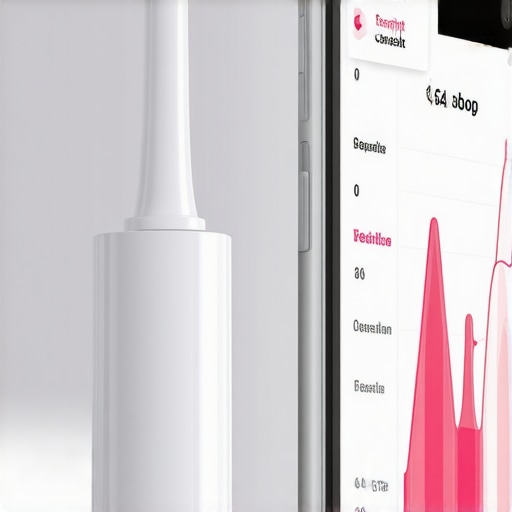
Image description: A close-up of a person using a modern electric toothbrush with a smartphone displaying brushing data. Title:
The Hardest Lesson I Learned About Family Dentistry and Smile Care
One of the biggest realizations was that not all dental treatments are one-size-fits-all. What worked wonders for my friend’s Invisalign might not be suitable for me, especially considering my bite and jaw structure. Discovering the importance of personalized care made me appreciate consulting specialists who evaluate every nuance before recommending solutions. This lesson pushed me to prioritize a thorough diagnosis over quick fixes, leading to better long-term results.
The Unexpected Power of Small Daily Habits in Maintaining Your Oral Health
It turns out that consistent, mindful practices—like gentle flossing, choosing the right toothbrush, and using fluoride rinses—have a compounded impact over time. Simple adjustments, such as incorporating interdental brushes or a water flosser into my routine, significantly reduced plaque buildup around crowns and Invisalign attachments. These little habits, often overlooked, became my secret weapons for a brighter, healthier smile.
Choosing Quality Over Price: Investing in Your Smile’s Future
I learned firsthand that opting for the most affordable dental solutions sometimes leads to frequent repairs or discomfort. Investing in high-quality tools, from electric toothbrushes to custom nightguards, proved invaluable. My trusted resources, like the top oral health tips, provide insights into selecting durable, effective products that save money and pain down the line. Remember, a small upfront investment can yield decades of healthy smiles.
My Personal Breakthrough: Recognizing Signs of Wear Before It’s Too Late
Prevention became my mantra after noticing subtle signs—like slight enamel chipping or unusual tooth sensitivity. Regularly reviewing my dental health with professional evaluations allowed me to catch issues early, much like how early detection of remote problems prevents major breakdowns. Embracing this proactive approach empowered me to address concerns before they escalated, preserving my natural teeth and restorations for years to come.
Where to Go from Here
If you’re ready to take control of your family’s oral health, start with trusted guides like this comprehensive overview on crowns or explore innovations in Invisalign that can fit your lifestyle. Remember, the journey to a confident smile begins with knowledgeable choices and consistent care. Seeing results in my own experience has been inspiring, and I hope yours transforms just as positively.
Believe in Your Smile: It’s Never Too Late to Make a Change
Thinking back, I realized that my commitment to understanding my dental needs was the turning point. No matter where you are on your oral health journey, taking that first step—whether it’s scheduling a check-up or adopting better daily habits—can make all the difference. Embrace the process, trust your experts, and let your smile shine brighter than ever. What specific step are you planning to take today to improve your family’s oral health? Let me know below!