
The Reason Your Invisalign Trays Turn Yellow Before You Swap Them
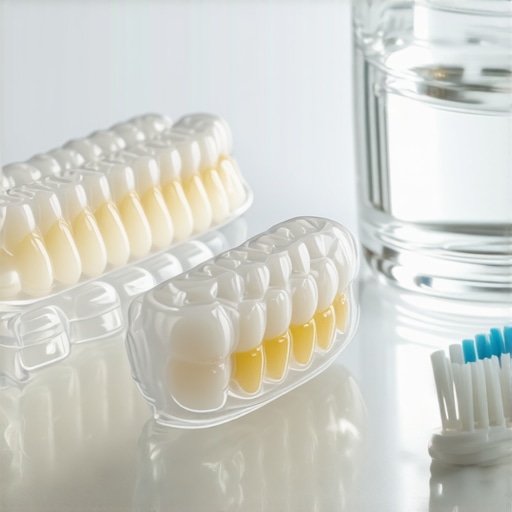
I remember staring into the mirror one morning, puzzled and a little annoyed. My Invisalign trays, which I had cleaned just a day ago, looked dull and yellowed. For a moment, I wondered if I was doing something wrong—or if this was just part of the process I hadn’t heard about. Turns out, I wasn’t alone in this frustrating experience. Many people, myself included, face this unexpected color change, and it can make you question whether your efforts to keep your aligners clean are even effective.
What’s Really Going On When Your Invisalign Turns Yellow
Are Yellow Trays a Sign of Poor Hygiene? Or Something Else?
At first, I thought I was neglecting my trays. I was diligent about rinsing and brushing them, so why did they look worse instead of better? Well, I learned that discoloration can indeed be caused by poor hygiene, but it’s also often the result of natural effects from wearing the aligners in everyday life, including saliva, food debris, and even the bacteria in our mouths. According to a study published in the Journal of Prosthodontics, the accumulation of plaque and biofilms on clear aligners can lead to staining and discoloration, especially if not cleaned thoroughly.
But here’s the thing: the yellowing isn’t necessarily a sign that you’re neglecting your dental health—it’s often a sign that it’s time for some targeted cleaning techniques or a replacement. Ignoring it, however, can lead to more persistent staining and even bacterial buildup. So, understanding the why behind this change is essential for maintaining both the appearance and health of your smile.
What You’ll Learn Today
In this post, I’ll walk you through the common causes of yellowing trays, share my personal tips for keeping them pristine, and help you decide when it’s time for a replacement. If you’ve been wondering why your clear aligners aren’t as clear as they used to be—or if you’re just tired of that stubborn discoloration—I promise we’ll get to the bottom of it together. Ready to reclaim your confident, bright smile? Let’s dive in.
Have you experienced this firsthand? Drop your stories or questions in the comments—I love hearing what’s worked (or not) for others on this journey.
Brush and Rinse Immediately After Removal
Every time I removed my aligners, I made it a point to rinse them under lukewarm water and brush them gently with a soft toothbrush. This prevents plaque buildup from saliva and food particles. During one morning routine, I noticed a stubborn film on my trays, so I used a dedicated toothbrush and a mild, non-abrasive toothpaste to scrub gently—much like cleaning delicate jewelry—avoiding scratches or internal damage. Rinsing thoroughly afterward ensures no residual toothpaste affects the transparency of the material.
Utilize Specialized Cleaning Solutions
To keep my trays shining, I invested in cleaning tablets designed for aligners, similar to denture cleansers. I dissolved a tablet in a glass of warm water and soaked my trays for 15-20 minutes. This not only removed surface stains but also disinfected the trays, reducing bacterial buildup that causes yellowing. When I first tried this, the trays looked noticeably clearer afterward, almost as if I had exchanged them for new ones. Be sure to follow the manufacturer’s instructions to prevent any damage.
Avoid Staining Foods and Beverages
Just like with natural teeth, what you eat and drink impacts your aligners’ appearance. I learned the hard way when I had a vibrant cup of coffee and forgot to remove my trays beforehand; I ended up with stubborn stains that were tough to scrub out. To prevent this, I always remove the aligners when consuming dark liquids or staining foods. If I do forget, I immediately rinse the trays and brush them once I can. Think of your aligners as a clear windshield—stains and debris cloud your view, so cleaning is essential for clarity.
Practice Proper Storage Habits
When not wearing my Invisalign, I stored the trays in their designated case—much like a delicate piece of jewelry in its box. This prevents accidental exposure to dirt, dust, or pet fur that can cause discoloration. During a trip, I kept my trays in a zip-lock bag with a little water to prevent them from drying out or warping, which can lead to surface scratches that trap stains. Good storage practices help preserve the trays’ transparency and extend their lifespan.
Replace When Necessary
If cleaning and careful habits still don’t restore clarity, it might be time for a new set. Over time, trays can develop microcracks or surface wear that trap stains, making them appear yellowed despite cleaning efforts. I had a set that looked dull despite meticulous cleaning, and my dentist recommended a replacement. This upgrade not only improved aesthetics but also optimized the fit for continued teeth movement. Regular check-ins about your aligners’ condition can prevent prolonged discoloration and ensure your treatment stays on track.
Consult with Your Dentist Regularly
Routine dental visits help catch issues early. During one appointment, my dentist examined my aligners and noticed minor surface degradation. They advised me on the best cleaning techniques and whether my trays needed replacing sooner. These professional insights are invaluable, especially when dealing with stubborn discoloration or potential material degradation. If you’re unsure about your aligners’ condition or cleaning effectiveness, don’t hesitate to reach out to a family dentistry expert—they can guide you on the best practices and available options for maintaining optimal transparency and health.
 Even among experienced dental patients, there’s a surprising amount of misinformation that can lead to costly mistakes or overlooked issues. One widespread misconception is that Invisalign trays, once stained or discolored, are inherently unhygienic or defective—when in reality, a little staining doesn’t always indicate poor oral hygiene, but rather normal wear or material aging. Many believe that crowns are purely cosmetic fixes; however, their true benefit lies in restoring function, preventing further decay, and improving long-term oral health, as detailed in the comprehensive crowns guide. Similarly, some think that family dentistry is just about routine cleanings, but in fact, it encompasses a proactive approach, managing complex conditions early and customizing care for every age. A common problem is neglecting advanced nuances, like the importance of preserving gum health to prevent future issues or understanding the specific qualities of materials used in restorations. For example, choosing between veneers and crowns isn’t just about appearance; it involves evaluating durability, enamel preservation, and how each interacts with your existing dental structure, as explained in this article.
Advanced mistakes often involve over-reliance on DIY methods or online advice, which can cause more harm than good. For instance, attempting to whiten crowns at home with abrasive toothpaste can erode the surface, leading to discoloration or damage. What’s more, some patients underestimate the importance of ongoing professional guidance—regular checkups are vital to identify subtle signs of wear, decay, or infection that might otherwise go unnoticed. According to a study in the Journal of Prosthodontics, early detection of issues can extend the life of restorations and maintain overall oral health.
For those considering or already using Invisalign, remember that not all aligners are created equal. Some assume that discoloration means you need new trays, but often, a thorough cleaning with appropriate solutions can restore clarity without extra expense. Conversely, many neglect the significance of correctly storing trays, which can lead to warping or microbial buildup. Always consult with your dentist before making assumptions—professional oversight ensures your treatment progresses smoothly and safely.
In essence, the key to getting these common dental solutions right is to embrace a nuanced perspective, focusing on material properties, proper maintenance, and personalized care strategies. Don’t fall into the trap of believing everything you read online or assume your experience is the full story. Curiosity and informed conversations with your dental professional are your best tools for a healthier, more confident smile. Have you ever fallen into this trap? Let me know in the comments.
Keep Your Dental Solutions Working Like New
Maintaining the longevity and effectiveness of treatments like crowns, Invisalign, and family dentistry practices requires the right tools and consistent routines. Personally, I rely on specific equipment and software that ensure my oral health stays top-notch long-term. One of my go-to investments is a high-quality ultrasonic toothbrush. Unlike traditional brushes, this device uses ultrasonic vibrations to clean hard-to-reach areas effectively, removing plaque and preventing staining without damaging delicate restorations. I’ve found it invaluable for ensuring my crowns remain free of biofilm buildup, which could lead to discoloration or worse over time.
Another essential tool in my routine is disclosure solution. A gentle, dye-based rinse highlights plaque and residues I might miss during brushing, empowering me to target problem spots precisely. This simple step significantly reduces the risk of staining around restorations and on natural teeth, extending their lifespan. For my aligners, I prefer specialized cleaning tablets that disinfect and clear off stubborn stains, keeping them transparent and hygienic throughout treatment. Regular use of these solutions means I can avoid costly replacements and maintain optimal oral health during my orthodontic journey.
What’s the Best Way to Maintain Your Smile Over Time?
Consistency is key, especially as your dental treatments age or need adjustments. Soft, non-abrasive floss like Silk or Glide Pro-Health helps remove debris without scratching restorations, whereas electric flossers can reach tricky spots in between teeth more effectively. Furthermore, regular professional checkups are invaluable—your dentist can identify early signs of wear or complications, ensuring your crowns or aligners perform at their best. I schedule biannual visits that include professional cleanings and inspections, which help me spot potential issues before they escalate.
Looking ahead, I believe technological advancements will continue to make home maintenance even more effective. Innovations like AI-powered toothbrushes and app-connected cleaning monitors are already emerging, offering personalized insights and reminders for optimal care. These developments will likely revolutionize long-term oral health management, making it easier to preserve your smile’s brilliance and function over decades.
One additional tip I recommend is investing in quality restorative materials and seeking expert advice for replacements or repairs. Doing so ensures your restorations serve their purpose effectively and last longer, saving you money and discomfort down the line. Don’t overlook the power of small tools and habits—adding just one of these techniques into your routine can dramatically extend the life of your dental work and health.
Remember, consistent care combined with the right tools isn’t just about maintaining a bright smile—it’s about preserving your oral health for years to come. Start integrating these advanced maintenance tips today and enjoy the confidence that comes with a well-cared-for smile.
What Going Beyond the Surface Taught Me About Dental Care
- Real progress with Invisalign isn’t just about straight teeth; it’s about understanding your habits and their impact on your aligners’ clarity. I realized that consistent cleaning and storage made all the difference in maintaining that invisible, confident smile.
- The hard lesson I learned is that material wear happens over time, no matter how diligent you are. Regular checkups and timely replacements prevent small issues from growing into costly repairs, saving you pain and money in the long run.
- Dental solutions like crowns and aligners are investments in health and happiness—crafted with care, but also requiring ongoing attention. Recognizing when to update or replace your restorations can dramatically boost their benefits and your comfort.
- Deepening my understanding of how everyday choices, like diet and storage, influence the longevity of treatments has empowered me to take proactive steps, transforming my approach from reactive to preventive.
- Partnering with dentists who emphasize education and personalized strategies changed my perspective entirely—your oral health journey isn’t just about quick fixes, but cultivating lifelong habits that preserve your smile’s beauty and function.
Tools That Became My Dental Allies
- My ultrasonic toothbrush has been a game-changer, especially for delicate restorations and hard-to-reach areas. It’s a personal favorite because it combines gentle yet effective cleaning, safeguarding my investments in dental health.
- Disclosure solutions and specialized cleaning tablets helped me prevent stubborn stains and biofilm buildup. Trusting products recommended by professionals ensures safe, consistent results that keep my aligners and crowns looking their best.
- Educational resources on reputable sites like this comprehensive crown guide have been instrumental in understanding how material choices and maintenance routines influence durability, making my decisions more informed.
- Regular professional consultations are essential; my dentist’s insights catch early signs of wear or issues that I might overlook. They act as a safeguard, ensuring my treatments continue to serve me well over the years.
Embrace Your Dental Wellness Journey Today
Your smile is one of your most powerful assets—nurturing it with the right knowledge and tools isn’t just an option, it’s a responsibility to yourself. Each positive step, whether it’s better cleaning habits, timely replacements, or seeking expert advice, is an investment in confidence and health. Remember, your journey to lasting oral wellness begins now—embrace it fully and watch your smile flourish. Curious about which practices will make the biggest difference for you? Let’s start the conversation below.