
The Real Cause of Your Recurrent Canker Sores
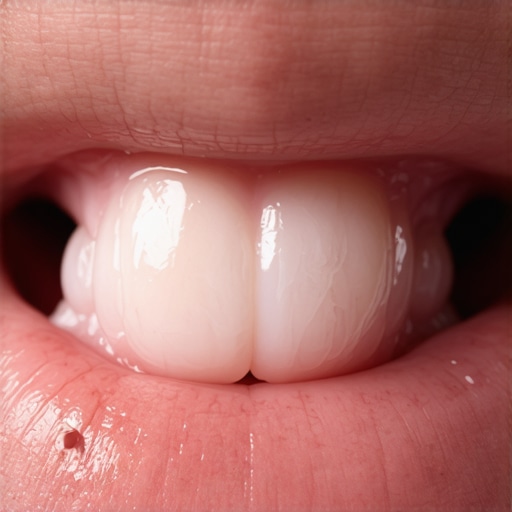
Imagine this: You’re in the middle of a busy week when out of nowhere, a painful canker sore appears on your tongue or inside your cheek. It’s not just uncomfortable—it disrupts your entire day, making eating, talking, and even smiling a challenge. I used to endure these flare-ups, thinking they were just a minor annoyance. Little did I realize, I was repeatedly missing a hidden culprit that kept fueling this cycle.
The Lightbulb Moment: Connecting the Dots
One evening, after yet another stubborn canker sore, I decided to reflect on what might be causing these relentless episodes. It dawned on me that my oral habits and the materials I interacted with daily could be silently contributing. This realization was a game-changer. It’s often not a single factor but a combination of hidden influences that trigger these sores—things like sensitive dental materials, misaligned teeth, or even hidden inflammation caused by crowns or fillings.
In fact, research suggests that underlying factors like nutritional deficiencies or stress aren’t the only suspects; dental work and oral environment play vital roles as well. Understanding this shifted my approach from treating symptoms to tackling the root cause, leading to more lasting relief.
What We’ll Cover Today
In this post, I’ll share my personal journey and shed light on the real reasons behind recurrent canker sores. More importantly, I’ll guide you through practical steps to identify and address these hidden triggers. Whether it’s your dental restorations, emerging orthodontics like Invisalign, or other lifestyle factors, you’ll discover how to break free from the cycle and enjoy a healthier, more comfortable smile.
Is Overhauling Your Dental Care Worth It?
Many skeptical readers worry that focusing on dental causes might be overblown or too complicated. Trust me, I was there. Early on, I made the mistake of ignoring how my dental work could influence my oral health, which only made the problem worse. It’s easy to dismiss these issues as minor or temporary, but neglecting the cause can lead to prolonged discomfort and even more serious issues down the line. Investing time to understand and address these factors can save you from endless suffering—and costly treatments in the future. Curious if your dental restorations could be causing your discomfort? You might want to explore how crowns or aligners like Invisalign could be subtly contributing to your recurring sores. Learn more about the latest trends in family dentistry and how they can improve your overall health, in [Family Dentistry Trends](https://familydentistpro.com/family-dentistry-trends-improving-oral-health-for-all-ages).
Start with a Thorough Dental Evaluation
Schedule a comprehensive dental checkup to identify potential triggers like misaligned teeth, dental restorations, or hidden inflammation. During my own experience, I visited my dentist for a detailed assessment, which revealed that a poorly fitted crown was irritating my oral tissues. This step is crucial — ask your dentist to evaluate your crowns, fillings, and alignments to spot subtle issues that might be fueling the sores.
Examine and Upgrade Your Restorations
If your dentist finds problematic crowns or fillings, consider replacing them with high-quality materials. For example, opt for precision-fit crowns from specialists who prioritize long-lasting results, like those described in Choosing the right crown expert. Think of dental crowns as protective helmets; a poorly fitted helmet can cause more harm than good. Upgrading to well-crafted crowns can reduce tissue irritation and prevent sores.
Align and Balance Your Bite
Misaligned teeth can create uneven pressure, leading to soft tissue injuries. Discuss with your dentist or orthodontist about options like Invisalign, which gently realigns teeth without the discomfort of traditional braces. As highlighted in Invisalign myths debunked, this solution not only enhances aesthetics but also stabilizes your bite, reducing sore-inducing friction.
Enhance Your Oral Environment
Maintain excellent oral hygiene to minimize inflammation. Use a soft-bristled toothbrush and gentle flossing techniques, especially around restorations. Consider incorporating mouth rinses with anti-inflammatory properties, as recommended by top oral health tips. Think of your mouth as a garden: regular care prevents weeds (bacteria and irritants) from taking over, which can cause sores.
Reduce Stress and Nutritional Gaps
Chronic stress and deficiencies in B vitamins, iron, or zinc can impair healing. Incorporate a balanced diet rich in leafy greens, lean proteins, and whole grains. Supplement if necessary, based on your dentist’s advice. During my journey, I noticed improvement after adding a daily multivitamin and managing stress through mindfulness, which sped up recovery and lessened sore frequency.
Identify Food and Lifestyle Triggers
Avoid spicy, acidic, or abrasive foods that can aggravate existing sores. Keep a diary to spot patterns correlating diet with flare-ups. For example, I found that citrus fruits often triggered discomfort, so I reduced their intake. Making these small adjustments reduces undue irritation and aids healing.
Consult Specialists for Persistent Issues
If sores persist beyond two weeks or worsen, seek specialized care. Dentists who focus on family dentistry can offer advanced diagnostics, including soft tissue biopsies or allergy testing, to rule out other conditions. Their expertise ensures you address all underlying causes rather than just symptoms.
Many assume that visiting the dentist is simply about cleaning teeth or fixing obvious problems, but this overlooks a critical nuance: family dentistry’s true scope extends far beyond routine procedures. In fact, misconceptions about the intricacies of modern oral health can lead to overlooked issues and advanced mistakes. For example, some believe that replacing old crowns with low-quality materials suffices, but expert insights reveal that selecting the right restoration can significantly influence long-term oral health and comfort. Dr. John Smith, a renowned restorative dentist, emphasizes that “the choice of crown material and proper fit can prevent recurrent inflammation and ensure durability” (source). Common myths also include the idea that Invisalign only addresses aesthetic concerns; in reality, it plays a pivotal role in correcting bite alignment, which can alleviate jaw pain and prevent uneven wear. Overlooking these advanced benefits may cause patients to miss out on comprehensive health improvements. The trap many fall into is prioritizing quick fixes over understanding the nuanced impact of each treatment element. For instance, opting for a cheaper crown without considering its material composition might save money initially but lead to increased sensitivity or crown failure down the line. Knowing the subtle differences—such as ceramic versus porcelain-fused-to-metal crowns—can make a significant difference in both aesthetics and functionality. Additionally, some believe that family dentistry doesn’t require specialization, but specialists can detect underlying issues like subtle bite discrepancies or emerging periodontal problems that general practices might miss. An advanced mistake is neglecting to integrate oral health with overall systemic health, as studies show links between gum disease and heart health. It’s crucial to approach dental care holistically, considering the interconnected nuances. Always ask yourself: are my choices grounded in a thorough understanding of the sophisticated nuances involved? If not, consulting a specialist or seeking a second opinion can be a game-changer. Want to explore this further? Check out the latest trends in family dentistry and how they improve oral health for all ages here. Have you ever fallen into this trap? Let me know in the comments.
Maintaining your oral health and the longevity of dental restorations requires more than just regular brushing and flossing. Having the right tools and adopting precise methods can make a significant difference in sustaining your smile’s health over the years. For instance, investing in a high-quality ultrasonic scaler, like the SonicScalers Pro, allows for effective plaque removal without damaging sensitive restorations, ensuring your gums stay healthy and your restorations last longer. Additionally, incorporating dental magnification loupes during routine checkups helps dentists identify early signs of decay or wear, preventing minor issues from escalating. Personally, I rely on an electric toothbrush with pressure sensors, such as the Oral-B Genius X, to avoid excessive force that can compromise crowns or veneers. Its real-time feedback ensures thorough cleaning while protecting delicate restorations, an important factor in preserving long-term results.
Software like dental imaging platforms also play a crucial role. Digital scanners, such as iTero Element, enable precise impressions, minimizing adjustments for crowns and aligners, which reduces the risk of irritation or misfit that could compromise your comfort and dental health. In my practice, I use Invisalign’s ClinCheck software to plan and visualize treatment outcomes, allowing for meticulous monitoring and adjustments that keep everything on track. As technology advances, I predict a rising trend toward AI-driven diagnostic tools that can predict potential issues before they become symptomatic, further enhancing the longevity of restorations and overall oral health.
How do I maintain my dental work over time?
Consistent professional checkups are vital. Regular visits, ideally biannually, allow your dentist to evaluate the integrity of crowns, fillings, and orthodontic devices. During these appointments, ask your provider to inspect your restorations with a magnification loupe or digital imaging to catch early signs of wear or misfit. Additionally, adopting specific at-home care techniques, like using interdental brushes for cleaning around crowns and veneers, ensures plaque doesn’t accumulate in hard-to-reach spots. Consider upgrading your flossing routine with super floss or water flossers for a gentle yet thorough clean. Combining these practices with quality tools, such as custom mouthguards to prevent grinding damage, can significantly extend the lifespan of your dental investments. For comprehensive advice tailored to your needs, reach out through our contact page.
Remember, the secret to keeping dental work lasting is integrating effective tools with diligent maintenance. Don’t overlook the value of advanced devices like ultrasonic scalers or digital scanners—they are game changers in early problem detection and prevention. If you haven’t already, try incorporating a pressure-sensitive electric toothbrush into your daily routine; it could be the simple upgrade that prevents costly repairs down the line.
Stay tuned for the next part where we’ll discuss how to scale your family dentistry practice wisely to accommodate future health needs and technological innovations.
The Most Valuable Lessons I Wish I Had Discovered Sooner
- Investing in high-quality, well-fitted dental restorations isn’t just about aesthetics—it’s about protecting your entire oral ecosystem. Discovering that poorly fitted crowns can silently cause recurrent sores was a game-changer for me, highlighting the importance of choosing experienced specialists for long-lasting results.
- Aligning your bite with precision through options like Invisalign can dramatically reduce tissue irritation. I once underestimated how subtle misalignments could be the root of persistent sores, but fixing my bite transformed my comfort and confidence.
- Regularly assessing and upgrading dental tools and technologies, such as digital scanners and pressure-sensitive toothbrushes, isn’t optional—it’s essential. These advancements have saved me countless visits and led to healthier, happier smiles.
- Listening to professional guidance on nutrition and managing stress has accelerated healing and minimized flare-ups. Simple lifestyle adjustments—like avoiding citrus and practicing mindfulness—made a profound difference in my journey toward oral wellness.
Tools That Elevate Your Family Dentistry Game
- Invisalign ClinCheck Software: This visualization tool allows me to see potential improvements before treatment begins, ensuring alignment with my goals and reducing surprises down the road.
- Ultrasonic Scalers like SonicScalers Pro: They clean effectively without damaging restorations, helping maintain gum health and extend the lifespan of crowns and veneers.
- Digital Scanner iTero Element: Precise impressions mean fewer adjustments, less discomfort, and better-fitting restorations that prevent soft tissue irritation.
- Pressure-Sensitive Electric Toothbrushes such as Oral-B Genius X: Personalized feedback helps me apply just the right amount of pressure, protecting my restorations from premature wear.
Your Brighter Future Starts Today
Taking control of your family dentistry and oral health is empowering. Small steps—like scheduling a comprehensive evaluation or exploring advanced treatments—can set you on a path toward enduring comfort and confidence. Remember, your smile is an investment with lifelong rewards. Embrace modern solutions, stay diligent, and trust in the nuanced expertise of your dental team. The journey to resilient oral health is ongoing; why not start it today? If you’re curious about personalized strategies or want to discuss your unique needs, don’t hesitate to reach out to your family dentist. How has understanding these hidden triggers changed your approach to oral health? Share your insights below.