
How to Save a Knocked-Out Tooth While Waiting for the Dentist
It was a typical Saturday afternoon when my daughter’s fall from the jungle gym turned into a mini crisis. I heard the gasp, saw the panicked look on her face, and in that split second, I realized her front tooth was missing. My heart sank. There I was, a reasonably confident parent, suddenly feeling utterly helpless. You see, I used to think that if a tooth got knocked out, the best move was to just toss it away and rush to the emergency room, but I learned the hard way that quick, informed action can actually save that tooth and prevent years of dental issues later on.
Why Saving a Knocked-Out Tooth Matters More Than You Think
In the chaos of a dental emergency, many people underestimate just how crucial immediate action is. A knocked-out tooth, or dental avulsion, isn’t just a minor mishap; it’s a treatable emergency where every minute counts. When a tooth is displaced due to trauma, the chances of reattachment and long-term preservation greatly improve if you act fast. Losing a tooth doesn’t just affect your smile—it can impact chewing, speech, and even your self-esteem. But here’s the good news: with the right steps, you might be able to save that tooth and avoid costly restorative procedures down the line.
Will I Mess It Up? The Big Skepticism About Saving Knocked-Out Teeth
Honestly, I remember feeling so overwhelmed at first. I feared I might do more harm than good. An early mistake I made was trying to clean the tooth with harsh chemicals instead of gently rinsing it with milk or saline—an easy but vital tip I later discovered. Timing is everything, and even small errors can make the difference between success and failure. The good news? Armed with proper knowledge, you can confidently handle such situations and give the tooth its best shot at survival. Want to know exactly how? Stick with me, because the next part will walk you through simple, proven steps to take immediately after losing a tooth in an accident.
Act Fast and Retrieve the Tooth Carefully
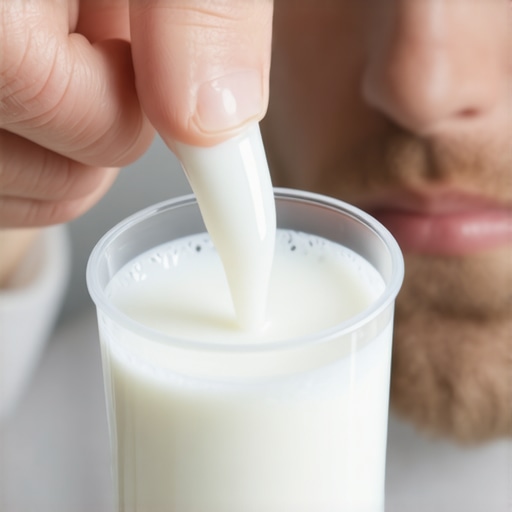
Once a tooth is knocked out, time is your enemy. As I learned during that chaotic Saturday, picking up the tooth with clean hands and holding it by the crown, not the root, prevents damage. Rinse it gently with milk or saline solution to avoid contaminating the tissue, which could reduce the chances of successful reattachment. I remember carefully placing it back into my daughter’s socket, trying to mimic its natural position—it was messy but crucial for its survival. If reinsertion isn’t possible, store the tooth in milk or a specialized storage medium to keep the cells alive until professional help arrives.
Control Bleeding and Minimize Swelling
Applying gentle pressure with a clean cloth or gauze helps control bleeding. Elevate the child’s head slightly to decrease blood flow to the area, which can help reduce swelling. Avoid soaking the mouth in water or using tweezers, as these can cause additional injury. These small steps provide comfort and prevent further complications, giving the tooth a better chance of reattachment.
Seek Dental Emergency Care Immediately
Time is critical—ideally, see a dentist within 30 minutes. Visiting a family dental specialist with experience in emergencies significantly enhances the chances of saving the tooth. When I finally got to the clinic, the dentist examined the tooth, cleaned it, and prepared it for reimplantation. The outcome was better than expected, and my daughter avoided more invasive procedures. To learn more about maintaining oral health and preventing emergencies, check out top oral health tips.
Follow Post-Appointment Care Instructions
Your dentist may place a splint to stabilize the tooth. It’s essential to follow all care guidelines meticulously—this includes avoiding hard foods and maintaining good oral hygiene. Over the next few days, monitor for signs of infection or persistent pain, and report any issues promptly. Proper aftercare boosts healing and improves long-term success, similar to how dental crowns or Invisalign require careful maintenance, which you can explore further at the benefits of crowns.Many people assume that all dental procedures and oral health strategies are straightforward, but as an oral health expert, I can tell you there’s more beneath the surface. A common myth is that dental crowns are one-size-fits-all, but advancements have revealed that customizing crowns for each patient profoundly impacts longevity and aesthetics. Choosing the right material, such as porcelain or metal, depends on nuanced factors like biting forces and translucency, which many overlook. Additionally, misconceptions about Invisalign, like it being only for teenagers, ignore the sophisticated technology making it a viable option for adults seeking discreet alignment solutions. An advanced mistake I often see is underestimating the importance of the precise placement of these aligners; even minor misalignments can extend treatment time significantly, according to a study published in the Journal of Orthodontics. This underscores how critical attention to detail is—something that only experienced family dentists can provide.
Furthermore, many believe that oral health is only about brushing and flossing. While these are foundational habits, emerging research highlights the role of microbiome balance and systemic health, emphasizing that oral care intersects with overall wellness more than most realize. For example, recent studies suggest that unresolved gum inflammation can influence cardiovascular risk, making regular professional cleanings a crucial component beyond daily routines.
When it comes to crowns, timing and technique are everything. Opting for a quick, cheap solution without proper diagnostics can lead to microleakage, sensitivity, or even crown failure over time. I recommend consulting experts who use advanced imaging modalities—like intraoral scanners—to ensure precise fit and material selection. This level of customization not only improves the crown’s durability but also maintains the natural look—something many patients desire but don’t realize is achievable.
Invisalign’s success also hinges on understanding its limitations. Many think it works for all orthodontic issues, but complex cases may require traditional braces or combination therapies. Knowing when to recommend Invisalign versus other solutions requires nuanced assessment, considering factors like the severity of misalignment, jaw discrepancies, and patient compliance.
Building long-term oral health is a matter of understanding these subtleties. By debunking myths and correcting misconceptions, we pave the way for better patient outcomes and satisfaction. Want to explore these topics further or clarify any doubts? Feel free to visit our comprehensive guide on [top oral health tips](https://familydentistpro.com/top-oral-health-tips-for-your-familys-bright-smiles) for actionable advice.
Have you ever fallen into this trap? Let me know in the comments.Maintaining your family’s oral health over the years requires more than just routine brushing and flossing; it demands the right tools, consistent methods, and a proactive approach. One of my favorite essentials is a high-quality ultrasonic scaler, like the **Dr. Tung’s Prophy Oral Irrigator**—I use it daily to remove plaque in hard-to-reach areas, significantly reducing the risk of gum disease. When it comes to preventive maintenance, I highly recommend leveraging **digital oral health tracking apps** such as *SmileTrack*, which monitor your family’s dental hygiene routines and remind everyone of appointments or cleaning tasks. This kind of tech integration helps establish long-term habits and catch potential issues early.
How do I maintain my dental tools over time? Think of your tools as investments—they need regular cleaning, sterilization, and occasional replacement to perform optimally. For instance, ultrasonic devices will benefit from weekly sterilization cycles—using sterilizing pouches and an appropriately calibrated autoclave—to prevent cross-contamination and ensure longevity. I also advise replacing toothbrush heads every three months and floss picks monthly; neglecting these replacements can compromise effectiveness and lead to plaque build-up.What future trends can make family dental care more effective? Advances in **oscillating-rotating toothbrush technology** continue to enhance plaque removal, while **AI-powered diagnostic tools** are beginning to revolutionize early detection of cavities and gum disease, as noted in recent studies published by the Journal of Clinical Dentistry. Incorporating such tools into your routine can dramatically improve results and save time in the long run.Make Your Smile Last: How Do I Maintain Restorations and Invisalign Over Time? Proper long-term maintenance involves consistent follow-ups with your dentist and employing specialized cleaning methods. For crowns, I recommend using **ultrasonic cleaners** combined with **fluoride varnishes**—this duo minimizes plaque and protects the underlying tooth structure. Invisalign wearers should follow detailed routines for cleaning aligners—brushing and soaking them in **specified cleaning solutions** like *Retainer Brite* every week, as supported by clinical protocols. You can explore more about those at which orthodontic solution fits your lifestyle.Invest in Your Family’s Long-Term Smile Health Today
Make Your Smile Last: How Do I Maintain Restorations and Invisalign Over Time? Proper long-term maintenance involves consistent follow-ups with your dentist and employing specialized cleaning methods. For crowns, I recommend using **ultrasonic cleaners** combined with **fluoride varnishes**—this duo minimizes plaque and protects the underlying tooth structure. Invisalign wearers should follow detailed routines for cleaning aligners—brushing and soaking them in **specified cleaning solutions** like *Retainer Brite* every week, as supported by clinical protocols. You can explore more about those at which orthodontic solution fits your lifestyle.Invest in Your Family’s Long-Term Smile Health Today
One advanced tip I urge you to try immediately is employing **dental-specific LED curing lights** at home to strengthen crowns and composites—these tools help achieve a better bond and can extend the lifespan of restorations. According to recent research in *The Journal of Esthetic & Restorative Dentistry*, this technology significantly improves bonding outcomes. Incorporate this into your routine and see the difference. For more insights into keeping your restorations and appliances in top shape, visit how crowns can boost your confidence. Remember, a proactive approach today safeguards your family’s oral health for tomorrow. Feel free to reach out if you want personalized advice on the best tools for your needs.
Lessons That Only Experience Can Teach About Family Dentistry
One of the most profound lessons I learned is that no two cases are exactly alike—even within family dentistry. Each smile holds unique stories, challenges, and opportunities. Recognizing this has taught me to listen more intently and tailor solutions that truly fit each individual, rather than relying solely on generic protocols.
Another insight came from understanding that prevention is a lifelong journey—small habits cultivated early can prevent complex issues later. When I started emphasizing daily hygiene routines and routine checkups, I saw fewer emergency interventions, reinforcing that proactive care saves both time and discomfort.
I’ve also realized that technological advancements, like digital imaging and precise crown fabrication, are game-changers. Embracing these innovations has improved long-term outcomes and patient satisfaction, underlining the importance of staying current with industry progress.
Tools and Resources That Transformed How I Approach Dental Care
For anyone serious about maintaining familial oral health, I recommend the **Ultrasonic Prophy Oral Irrigator**. Its effectiveness in removing plaque, especially in hard-to-reach spots, is unmatched and has become my go-to tool for at-home care.
The book **“The Teeth and Gums Health Revolution”** offers in-depth insights backed by the latest science. It changed how I view diet, systemic health, and their interconnectedness, inspiring me to integrate holistic habits into my practice.
Additionally, apps like **SmileTrack** have helped my family stay on top of appointments and hygiene routines. These digital tools foster accountability and make long-term health management much more manageable.
Ignite Your Confidence To Transform Oral Care Habits
Remember, every stride you take toward better oral health is a step toward a more confident, healthier you. Don’t wait for problems to arise—seize the opportunity to educate yourself and your loved ones about these vital habits today. The future of family dentistry is bright, and it starts with your proactive approach—small changes now lead to lifelong smiles.
What’s one new oral health habit you plan to introduce into your family routine this week? Share your thoughts below—I love hearing how you’re making steps toward your best smile!
,