
The reason your jaw feels exhausted after a dental cleaning
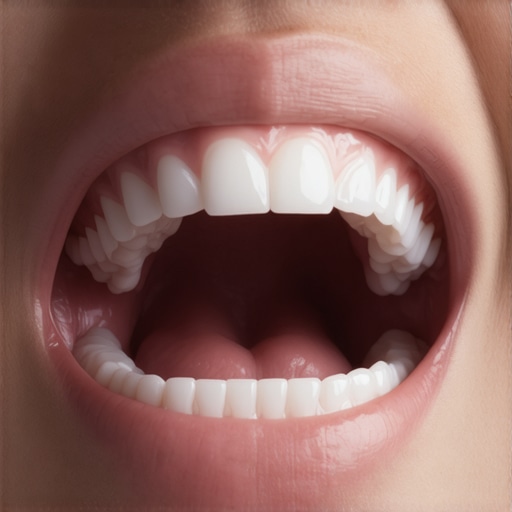
I used to think a routine dental cleaning was supposed to be a breeze, a quick pit stop for my teeth before heading back to my busy day. But a few years ago, I walked out of my family dentist’s office, sat in my car, and realized my entire face was throbbing. It felt like I had just gone twelve rounds in a boxing ring, specifically targeting my jawline. I could barely open my mouth to sip my water bottle. For years, I made the mistake of just putting up with it, thinking I simply had a weak jaw or that I was doing something wrong during my appointments. It turns out, that deep, aching fatigue is incredibly common, and you do not have to just sit there and take it.
The Real Reason Your Jaw Muscles Scream After the Chair
When you are lying back in that chair, your primary focus is probably on the scraping sounds or hoping you do not have any new cavities. Meanwhile, your temporomandibular joint (TMJ) and the surrounding masseter muscles are performing an intense, static marathon. Holding your mouth wide open for thirty to sixty minutes straight puts an immense amount of strain on these delicate tissues. Your muscles are constantly contracting to fight gravity and the natural urge to close your mouth. If you already deal with everyday stress, you might already be prone to clenching, meaning your jaw is already fatigued before the dental hygienist even says hello. In fact, according to the American Physical Therapy Association, physical stressors like prolonged wide opening can trigger acute muscle spasms in the jaw joints of up to 30% of dental patients.
Is This Soreness Actually Normal?
It is completely normal to feel a bit of fatigue, but there is a line between standard muscle tiredness and actual joint strain. If you are also noticing clicking or popping when you try to eat later, you might be dealing with something a bit more complex. If you have ever wondered why your jaw clicks specifically when you chew gum, it is often the exact same muscle group protesting against overexertion. During a cleaning, your muscles are stretched to their absolute limits, which can cause micro-tears in the muscle fibers. This leads to that familiar delayed-onset muscle soreness. Today, we are going to look at how you can prep your jaw before you even sit in the chair, and how to recover quickly so you can enjoy your day without pain.
How to Protect Your Joints During Your Next Visit
You do not have to grin and bear it. One of the best things you can do is speak up and ask your hygienist for a bite block. This is a small, soft rubber wedge that you can rest your teeth on, allowing your jaw muscles to relax while still keeping your mouth open wide enough for the cleaning. Additionally, you can ask for quick breaks every ten minutes to gently stretch and close your mouth. If you are already prone to jaw tension from daily stress, you might notice that what that dull ache in your jaw really means during stressful weeks is that your body is holding tension exactly where you do not want it. Have you ever walked out of a routine appointment feeling like you just chewed a mountain of saltwater taffy? Tell me about your experience in the comments below!
Prepping Your Muscles Before You Sit in the Chair
Just like you would not run a marathon without stretching, you should not subject your TMJ to a lengthy dental procedure without a proper warm-up. If you know you have a cleaning scheduled, spend the morning preparing your facial muscles. Gentle moist heat is your best friend here. A warm washcloth draped over your cheeks for five minutes before you leave the house helps increase blood circulation and relaxes the masseter muscles. Once the muscles are warm, perform slow, controlled open-and-close movements. Avoid any popping or clicking, and stop if you feel sharp pain. Taking these steps prevents sudden muscle spasms when the dental hygienist begins their work.
How I Saved My Own Jaw from Post-Cleaning Spasms
A few months ago, I had a deep cleaning scheduled. Knowing my history of terrible jaw fatigue, I decided to treat it like athletic prep. I applied a warm compress while driving to the office, and the moment I sat in the chair, I proactively requested a rubber bite block. In the past, I felt too embarrassed to ask, thinking it made me look high-maintenance. But using that small block allowed my jaw to rest entirely during the scaling process. For the first time in years, I walked out of a family dentistry office without that deep, sickening ache. I also realized that managing overall bite alignment makes a huge difference; for instance, understanding invisalign myths debunked what you need to know today helped me see how correcting minor crowding can permanently reduce daily TMJ strain.

Stretching and Recovery Techniques for Immediate Post-Appointment Relief
The moment your appointment ends, the recovery phase begins. Do not wait for the soreness to set in before you take action. The first step is to gently massage the masseter muscles, which are located just in front of your earlobes. Use two fingers to apply light, circular pressure downward toward your jawline. This helps release the lactic acid buildup that occurred while your mouth was held wide open. Additionally, you want to avoid eating hard or chewy foods for at least twenty-four hours. Opt for soft options like smoothies, scrambled eggs, or soups to give your joints a much-needed holiday.
What to Do If Your Teeth Also Feel Sore
Sometimes, the aching is not just in your joints but also in your teeth. This can happen from the pressure of the instruments or if you have recently undergone restorative work. For example, knowing how to stop your new crown from feeling too high when you chew can help you distinguish between muscle fatigue and a bite alignment issue that needs a quick adjustment by your dentist. If you have crowns or dental implants, protecting them from the forces of clenching during stressful recovery periods is essential for maintaining your long-term oral health. If the dull ache persists for more than three days, it is always wise to consult your provider to ensure your bite is perfectly balanced.
While resting your jaw after a cleaning feels like the finish line, we need to dig deeper into why some people experience severe, prolonged spasm while others walk away completely fine. Everyone in the dental world says that post-appointment soreness is just a simple case of temporary muscle fatigue, but in my experience, this explanation ignores how minor structural imbalances magnify during long procedures. If your bite is even a fraction of a millimeter off, a lengthy appointment forces your jaw joints to work in an unnatural, asymmetrical position. This subtle strain is exactly why you might feel fine during daily life but suffer from debilitating spasms the moment your mouth is held open for a routine cleaning.
What Most People Get Wrong About Post-Procedure Jaw Tension
The most common trap people fall into is assuming that their jaw joints are perfectly symmetrical. In reality, sub-clinical alignment issues are incredibly widespread. When you lie back in the dentist’s chair, a slight underlying misalignment causes one side of your temporomandibular joint to bear the brunt of the physical stretch. According to a landmark study published in the Journal of Oral Rehabilitation, prolonged jaw opening during routine clinical visits significantly increases the risk of acute joint displacement in patients with pre-existing, asymptomatic bite imbalances. This is why addressing overall alignment through modern therapies is so vital. If you are exploring corrective options for your household, understanding the hidden benefits of invisalign for family dental care in 2025 can be a game-changer for long-term TMJ health, as aligning your bite permanently reduces the uneven forces placed on your joints during dental work.
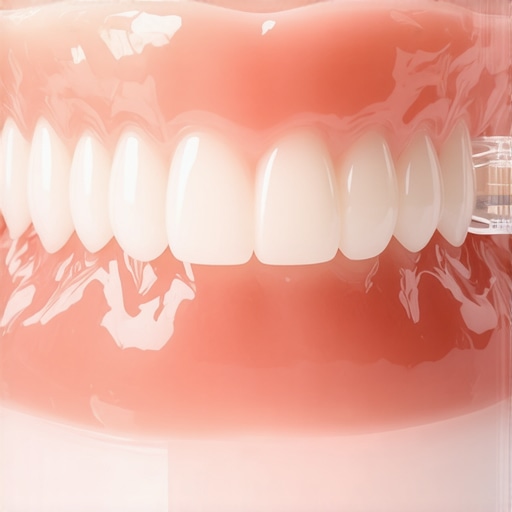
Another dangerous mistake is ignoring how restorative treatments interact with your natural bite dynamics during recovery. If you have recently received a new crown, for example, your jaw muscles must adapt to a brand-new surface contour. If that restoration is even slightly too high, your muscles will constantly overcompensate. Knowing how to stop your new crown from feeling too high when you chew is essential because a high crown combined with post-cleaning muscle fatigue creates a perfect storm for chronic TMJ inflammation. When choosing restorations, seeking specialized expert advice for long-lasting results ensures that your bite balance is meticulously preserved, preventing future post-appointment spasms altogether. Have you ever fallen into this trap of ignoring a slightly high bite or minor misalignment until it became painful? Let me know in the comments below!
When you are recovering from a long procedure, the worst thing you can do is let that muscle tension settle in permanently. I have found that managing the physical recovery of your TMJ is just as important as the clinical work itself. If you want to keep your joints moving smoothly for the long haul, you need a proactive maintenance strategy that goes beyond just waiting for the soreness to fade. It is about understanding how modern dentistry keeps your entire mouth in balance, protecting everything from your natural teeth to your high-end restorations.
The Tools and Daily Habits That Saved My Jaw
Over the years, I have built a personal toolkit specifically designed to prevent post-cleaning spasms and maintain my long-term oral health. My absolute favorite tool is a high-density, warm gel pack that wraps around the head. Standard ice packs can be too cold and actually cause muscles to seize up further, whereas a targeted heating wrap keeps blood flowing directly to the masseter muscles. I also swear by a micro-current facial massager. While normally sold for skincare, running this device on its lowest setting along the jawline after a long appointment acts as a form of physical therapy, breaking up micro-adhesions in the muscle tissue before they harden.
How Do I Maintain My Jaw Health and Bite Alignment Over Time?
The secret to keeping your jaw healthy long-term lies in consistent, daily habits and utilizing modern dental techniques to prevent structural strain. First, I highly recommend looking into how orthodontic corrections can relieve daily pressure. For example, exploring the hidden benefits of invisalign for family dental care in 2025 is a fantastic way to protect your joints, as properly aligned teeth distribute chewing forces evenly. Second, if you have restorations, you must care for them diligently. When I received my first crown, I made sure to seek expert advice for long-lasting results to ensure the bite was perfectly calibrated. Finally, invest in a high-quality, custom-molded night guard to protect your teeth and crowns from nighttime clenching, which is the leading cause of pre-appointment muscle fatigue.
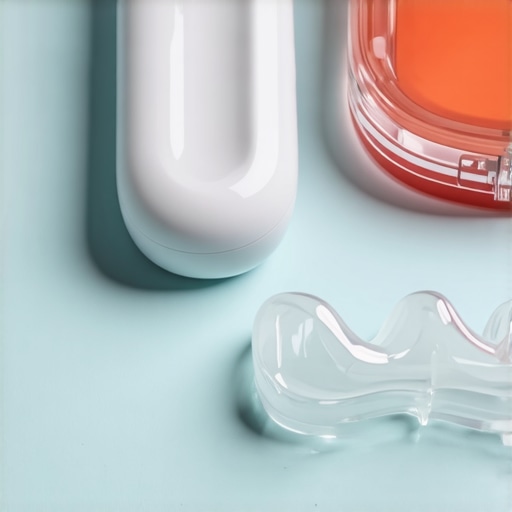
Looking ahead, I predict we will see a major shift toward digital bite tracking during routine visits. According to the international clinical guidelines published by the Aesthetic Dentistry Association, integrating computerized occlusal analysis—such as the T-Scan system—allows dentists to measure bite forces dynamically rather than relying on old-fashioned carbon paper. This level of precision means future dental crowns, alignments, and routine cleanings will be customized to your exact jaw movements, virtually eliminating post-chair trauma. For now, my challenge to you is to try one advanced tip: the next time you book an appointment, call ahead and request a soft rubber bite block. It is a simple, free adjustment that will completely transform how your face feels when you walk out the door.
The Hardest Lessons I Learned About Keeping My Jaw Happy
For years, I treated my dental appointments like a chore to endure, completely ignoring how my bite alignment influenced my physical comfort. It took a few agonizing experiences to realize that my temporomandibular joint is not a separate entity from my overall oral health. Here are the lightbulb moments that completely changed how I approach my routine visits:
- The alignment connection: Minor crowding or a slightly crooked bite acts as a force multiplier for muscle strain. Correcting these imbalances with modern orthodontics is not just about aesthetics. If you are curious about aligning your smile, reading up on invisalign myths debunked what you need to know today can reveal how structural harmony directly prevents joint spasms during long procedures.
- My teeth are not invincible tools: Protecting your bite means safeguarding your restorations. When a cleaning or a stressful week causes clenching, your natural teeth and porcelain work bear the brunt of that force. Understanding how to manage your oral anatomy helps prevent long-term damage.
- Dental work must be calibrated: When you get restorative work, the fit must be absolutely perfect. Even a microscopic discrepancy can trigger severe muscle fatigue. I learned that getting specialized expert advice for long-lasting results when choosing crowns ensures your bite remains in total equilibrium.
My Personal TMJ Relief Toolkit
You do not have to rely solely on ibuprofen to get through the day after a deep cleaning. Over the years, I have curated a specific selection of tools and habits that help soothe my masseter muscles and maintain my family dentistry health. Here is what I keep in my wellness cabinet:
- Contoured Heat Wraps: Instead of a stiff ice pack, I use a flexible, microwaveable gel wrap that conforms to my jawline. Applying gentle, moist heat for fifteen minutes post-appointment stimulates blood flow and melts away tension.
- High-Quality Custom Night Guards: Protecting your teeth from nighttime clenching is critical, especially when your muscles are already tender. A custom-fitted guard keeps your jaw slightly parted, taking the pressure off your joints while you sleep.
- Dynamic Bite Analysis: I always ask my dentist to check my bite balance dynamically rather than relying solely on traditional carbon paper. This ensures that any dental work is perfectly harmonized with my natural jaw movement.
Take Control of Your Next Dental Visit
You should never feel like a passive bystander in the dental chair. Your comfort is just as important as the clinical scaling and polishing. By communicating with your hygienist, preparing your muscles with warm compresses, and utilizing protective tools like rubber bite blocks, you can easily break the cycle of post-appointment jaw pain. Prioritizing your comfort is a vital component of maintaining your long-term oral health. Take charge of your physical well-being, and turn your next routine cleaning into a completely pain-free experience.
Have you ever walked out of a routine dental cleaning with a throbbing jaw or severe muscle spasms? Let me know in the comments below!