
The reason your teeth look gray instead of white
I remember standing in my bathroom about three years ago, tilting my head under the vanity light and feeling a genuine sense of defeat. I had been brushing twice a day, flossing like a pro, and yet, my teeth didn’t look ‘bright.’ They didn’t even look yellow, which I knew how to handle. Instead, they looked… gray. It was like a dull, metallic shadow had moved in and decided to stay. I felt like my smile was aged, almost like looking at a foggy window on a rainy day. I spent a fortune on those blue-light kits you see on social media, but they did absolutely nothing. In fact, I made a massive mistake early on by aggressively using a scrub that I thought would ‘buff’ the color back. I quickly learned the truth about charcoal toothpaste and its effect on your enamel—it was actually wearing down my protection and making the gray look even more prominent.
The Real Reason Your Teeth Are Losing Their Radiance
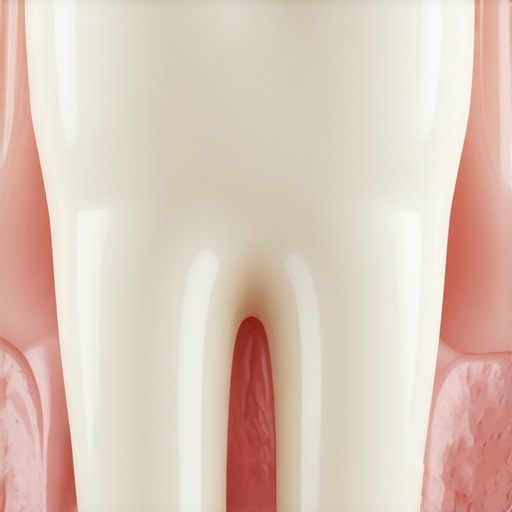
The truth is that gray teeth aren’t usually a surface stain problem; they are often an internal or structural issue. When your enamel—the hard, white outer shell—starts to thin, the dentin underneath begins to show through. Dentin isn’t always bright white; in many people, it has a naturally grayish or yellowish hue. I realized that my years of sipping diet soda were catching up to me, and I had to face the impact of diet soda on your expensive dental restorations and natural teeth alike. It wasn’t just about what I was putting on my teeth, but how I was preserving the layers I had left. According to the American Dental Association, intrinsic stains—those located inside the tooth—can be caused by everything from certain medications taken during tooth development to minor trauma that you might not even remember. Have you ever noticed your smile looking a bit shadowy in photos even after a professional cleaning? I’d love to hear if you’ve felt that same frustration, so let me know in the comments.
Do At-Home Whitening Kits Actually Work for Gray Tones?
This is where most of us get tripped up. We see a commercial for a whitening strip and assume it’s a one-size-fits-all fix. But gray teeth are stubborn. When I tried to fix mine with store-bought options, I just ended up with sensitive teeth and the same dull color. I had to sit down and understand the real difference between professional and store-bought whitening kits before I made any progress. If the gray is coming from inside the tooth, those little strips aren’t going to reach deep enough to change the game. Sometimes, the grayness is actually related to old dental work, like when your porcelain crown looks darker than your natural teeth because the underlying metal or stump is casting a shadow.
Why Your Enamel is Thinner Than You Think
We often treat our enamel like it’s an infinite resource, but it’s more like a precious glaze on a piece of pottery. Once it’s gone, it’s gone. I spent years thinking I was being ‘extra clean’ by brushing with a hard-bristled brush, but I was actually contributing to the problem. If you’ve been wondering how to tell if your gums are receding from brushing too hard, you’re already halfway to solving the graying mystery. Thinner enamel means more transparency, and transparency is the enemy of a bright white smile. We’re going to dive into how to actually strengthen what you have left and what professional options can actually mask that gray for good.
Stop the Thinning Before the Gray Takes Over
The first step in reversing that shadowy look isn’t to reach for a bleach kit, but to stabilize the enamel you still have. Think of your enamel like a glass shield; once it gets scratched or thin, the dark interior is all you see. I spent about six months focusing on remineralization after my charcoal disaster. I switched to a toothpaste with hydroxyapatite and made sure I wasn’t brushing immediately after eating acidic foods. It didn’t turn my teeth bright white overnight, but the translucency at the edges started to fill in. If you are dealing with sensitivity while trying to brighten things up, you need to look into the safest way to whiten sensitive teeth at home without pain. By hardening the outer layer, you reduce the amount of gray dentin that peeks through, giving your smile a more solid, opaque appearance.
Why Crowns Beat Whitening for Internal Stains
If the grayness is coming from inside the tooth—perhaps from an old injury or a root canal—no amount of surface scrubbing will help. This is where restorative dentistry steps in. I remember sitting in the chair, debating whether to just keep trying strips or finally commit to a more permanent fix. My dentist explained that why crowns are a game-changer in restorative dentistry is because they act as a total ‘reset button’ for the tooth’s color. Unlike a veneer that only covers the front, a crown encapsulates the entire tooth, blocking out any dark internal shadows completely. It’s like putting a high-quality porcelain shell over a piece of dark wood; the dark wood is still there, but all the world sees is the beautiful finish.
Picking Between Veneers and Dental Bonding
For those who don’t need a full crown, bonding or veneers are the go-to tools for masking gray tones. Bonding is the quick fix—it’s a resin that your dentist sculpts right onto the tooth. I tried this on a small chip once, and while it looked great for a year, it eventually started to pick up stains from my morning coffee. If you want something that lasts a decade or more, you have to weigh the difference between dental bonding and porcelain veneers for chips and discoloration. Veneers are much more resistant to staining and can be color-matched to hide even the deepest gray shades. Just keep in mind that choosing the right material is vital; for instance, crowns vs veneers which is better for your smile depends entirely on how much of your natural tooth structure is still healthy.
Maintain Your New Glow Without the Fuzz
Once you’ve invested in a brighter smile, the goal is to keep it that way. One thing that drives me crazy is when my teeth start to feel ‘filthy’ just a few hours after a cleaning. If you’ve ever wondered the reason your teeth feel fuzzy even after brushing, it’s usually plaque biofilm reforming. This film acts like a magnet for stains, especially if you’re a fan of tea or berries. I’ve found that using a tongue scraper and a high-quality electric brush is the only way to keep that smooth, ‘just-left-the-dentist’ feeling. Combining these family dentistry secrets for maintaining oral health with modern techniques ensures that your gray teeth stay a memory of the past rather than a recurring problem. It’s all about protecting the investment, whether that’s your natural enamel or a brand-new set of porcelain restorations.
Let’s dig deeper into the structural side of things, because this is where most people waste their money. Everyone says Invisalign is about a Hollywood smile, but I’ve learned that it’s often the secret weapon for saving your enamel from itself. If your teeth are misaligned, they hit each other in ways they weren’t designed to, chipping away at that precious white shield and making the gray dentin more visible. It’s one of those Invisalign myths debunked—orthodontics is actually about mechanics and enamel preservation, not just looks. But here is the trap: many people freak out when their teeth feel wobbly during the process. Knowing why your teeth feel loose during the middle of Invisalign treatment can save you a lot of anxiety; it’s just the bone remodeling, but it’s a weird sensation if you aren’t prepared.
The One Mistake That Leaves a Dark Line at Your Gums
I see this all the time with older restorations. People think a crown is a crown, but the material choice is the difference between a natural glow and a metallic shadow. If you have an old porcelain-fused-to-metal (PFM) crown, that dark gray line at the gumline isn’t a new stain—it’s the metal substructure showing through as your gums naturally shift. This is exactly why your gums are turning dark around the edge of a dental crown. Modern family dentistry trends favor all-ceramic or zirconia options because they mimic the light-transmitting properties of natural teeth. If you are struggling with a gray tooth that has already had a root canal, a high-quality crown is often the only way to block that internal darkness. However, you have to be careful with the fit. If you’ve noticed how to tell if your dental crown has a micro-crack you can’t see, you might be looking at a structural failure that allows bacteria to seep in, further darkening the tooth from the inside out.
Can a Hidden Crack Mimic the Look of a Gray Stain?
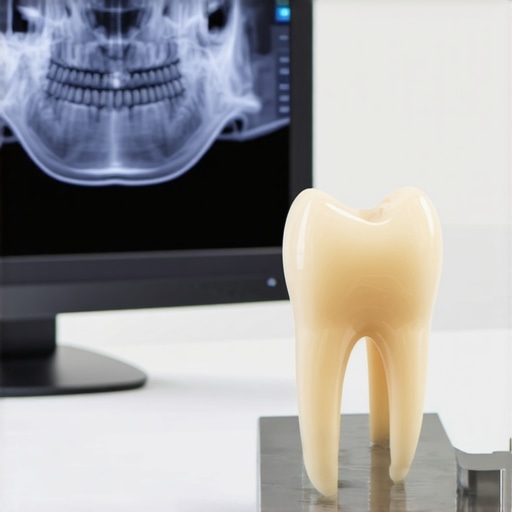
This is a question that many advanced patients ask when whitening fails. Sometimes, what looks like a dull gray shadow is actually a microscopic fracture that is reflecting light differently. Standard X-rays are great, but they often miss these tiny vertical cracks. This is what a 3d cbct scan reveals that standard x-rays miss entirely. According to a study published in the Journal of Endodontics, 3D imaging significantly increases the detection rate of internal tooth issues that cause discoloration. If your dentist is only looking at 2D images, they might be trying to bleach a tooth that actually needs structural reinforcement. Have you ever fallen into the trap of bleaching a tooth that was actually damaged? Let me know in the comments. Pushing through with more chemicals when the issue is structural is the fastest way to permanent sensitivity.
Stop Treating Alignment Like a Vanity Project
The most sophisticated way to maintain a white smile is to ensure your bite is balanced. When your teeth are crowded, they are harder to clean, leading to the very plaque buildup that causes that ‘fuzzy’ feeling and subsequent staining. Using how invisalign transforms family dentistry in 2025 as a preventative tool means you aren’t just straightening teeth; you are creating a self-cleansing environment. It’s much easier to keep a straight row of teeth bright than a crowded one where stains hide in the overlaps. Combining these family dentistry secrets for maintaining oral health with modern techniques is how you move from constantly ‘fixing’ your smile to simply ‘maintaining’ it. Remember, the goal isn’t just to hide the gray—it’s to understand why it’s there so you can stop it from coming back.
Stop the Yellowing Before Your Trays Turn Gross
Maintenance isn’t just about showing up for your six-month cleaning; it is about the micro-decisions you make in your bathroom every morning. When I first started my orthodontic journey, I was shocked at how quickly my aligners lost their ‘invisible’ status. I learned the hard way that even a single cup of lukewarm tea can warp the plastic or trap pigments against your enamel. If you are struggling with this, you need to master how to keep your invisalign trays from turning yellow over time. I eventually invested in a small ultrasonic cleaner—the kind jewelers use—and it was a total game-changer. Research in the Journal of Applied Oral Science demonstrates that ultrasonic cleaners for dental appliances remove up to 99% of surface-bound bacteria, which is far more effective than just scrubbing with a toothbrush. If you don’t have one, at least use the vinegar soak method to keep things clear.
The Gear That Actually Saved My Enamel
I get asked all the time if expensive electric toothbrushes are worth the hype. For me, the answer was a resounding yes, but only because of the pressure sensor. Because I used to brush so hard that I was literally scrubbing my enamel away, having a brush that turns red when I’m being too aggressive saved my remaining tooth structure. This level of care is the secret to making your dental implants last for the rest of your life and keeping your natural teeth from looking translucent and gray. I also swear by a high-end water flosser. Instead of just aiming it randomly, I follow the gumline at a 90-degree angle on a medium setting. It’s the only way to clear out the biofilm that makes the reason your teeth feel fuzzy even after brushing so apparent by mid-afternoon.
How do I maintain my dental work over time?
Long-term success with crowns and veneers requires you to become an expert on your own ‘bite feel.’ Every few months, I do what I call a ‘click test.’ I tap my teeth together lightly and listen. If one side sounds ‘sharper’ or ‘heavier’ than the other, it might mean a restoration has shifted or a tooth is slightly out of alignment. You have to be proactive because why your crown feels like it has a high spot only when you grind is often the first sign that you need a quick adjustment before the porcelain cracks. I also keep a set of interdental brushes in my travel bag. Standard floss is great, but for getting under bridges or around the margins of a crown, those tiny little ‘Christmas tree’ brushes are much more effective at preventing the secondary decay that can happen at the edge of a restoration.
Expect These Changes in Your Next Dentist Visit
The future of dental maintenance is moving toward ‘biometric monitoring.’ I predict that within the next five years, we will all have apps synced to our toothbrushes that can detect chemical changes in our saliva before a cavity even forms. We are already seeing invisalign innovations the future of family dentistry revealed at 1137 am where AI scans are used to track tooth movement in real-time through your smartphone. This means fewer visits to the office and much more precise results. We are moving away from the ‘wait and see’ model and toward a ‘predict and prevent’ system that will make gray, thinning enamel a relic of the past. If you want to stay ahead of the curve, I highly recommend asking your dentist for a 3D digital scan of your current smile. Having that baseline ‘digital twin’ makes it incredibly easy for them to spot even a half-millimeter of gum recession or wear three years down the road. Try doing the ‘click test’ tonight before you go to bed—it’s the easiest way to tell if your bite is balanced or if you’re putting your crowns at risk.
The Reality Check Most People Miss About Discoloration
I’ve spent years obsessing over shades of white, and if there’s one thing I’ve learned, it’s that a healthy smile always looks better than a ‘bleached’ one that’s brittle. First, I realized that I was focusing on the wrong problem. I wanted whiter teeth, but what I actually needed was thicker enamel. Once I stopped trying to ‘scrub’ the gray away and started focusing on rebuilding, the light started reflecting off my teeth naturally again. Second, I learned that professional help is actually the cheaper route in the long run. I spent hundreds on DIY kits that did nothing before finally reading the ultimate guide to crowns for a healthier smile and realizing my issues were internal. Finally, don’t overlook the alignment—choosing between invisalign vs braces which solution fits your lifestyle isn’t just about straight teeth; it is about making sure your bite doesn’t grind your enamel into transparency.
Tools That Keep My Smile Sharp and Clear
If you want to maintain your results, you need a system that works without thinking. I swear by my ultrasonic cleaner for my night guards and retainers. You can actually learn how to keep your invisalign trays clear without buying expensive cleaners using simple household items, which is a life-saver for your budget. I also recommend a water flosser for anyone with restorative work. It is the only way to ensure your crowns boost oral health confidence rather than hiding decay at the margins. Lastly, keep a high-quality pH-neutral mouthwash on hand to neutralize acids immediately after you eat or drink soda.
Take the First Step Toward Your Brighter Future
It is incredibly easy to feel like your smile is ‘too far gone’ or that gray tones are just a permanent part of your face. But I am here to tell you that modern dentistry has a solution for every level of discoloration. Whether you are rebuilding your enamel or opting for a total refresh, your confidence is worth the investment. Don’t let the fear of the dentist’s chair stop you from having a smile that feels like you again. Have you ever felt like your teeth were gray even after a professional cleaning? Let’s talk about it in the comments below!