
The Risks of Ignoring a Small Chip in Your Tooth
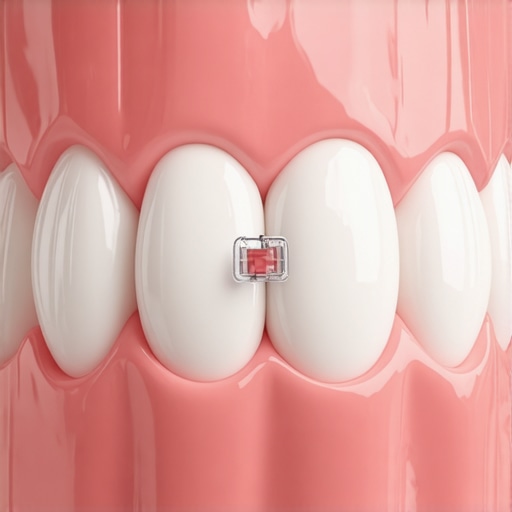
It was a morning just like any other when I bit into my breakfast and felt it—the tiniest unmet expectation, a small chip on one of my front teeth. At first, I told myself, “It’s nothing. Just a superficial flaw.” But as the day went on, that small chip started to nag at me. That little imperfection was a tiny sign that I was ignoring a potential problem. I had faced similar situations before where a seemingly harmless chip turned into severe dental issues down the line.
Why Overlooking a Small Chip Could Cost You Dearly
Many people dismiss minor chips as nothing more than cosmetic nuisances. After all, it’s just a tiny piece lost, right? Wrong. That small break can be a gateway for bacteria to enter, risking infections and further decay. I learned this early on when I avoided visiting my dentist after noticing a small crack. I figured it was minor. But that overlooked crack eventually led to a root canal and crown—costly and uncomfortable procedures I could’ve sidestepped with prompt action.
Prolonged neglect can weaken the tooth structure, making it more susceptible to fractures. Additionally, a small chip can affect how you bite and chew, leading to jaw pain and uneven wear over time. If you doubt the seriousness of a tiny chip, think of it as a crack in your windshield—it might look trivial, but ignoring it could result in a shattered window when you least expect it. Want to see how early intervention can save you from bigger dental headaches? Check out this guide on crowns for more insights.
Will Your Small Chip Become a Big Problem? The Skeptic’s Dilemma
I’ll admit, I was once guilty of dismissing minor chips, thinking a quick brush or luck would keep things under control. I made the mistake early in my practice when I ignored a tiny crack—assuming it was just a surface flaw. That oversight cost me several visits, pain, and a hefty bill. Trust me, it’s easy to overlook the importance of a small problem, but the consequences can be significant. By understanding the risks now, you can take proactive steps to safeguard your smile.
Prepare for a Crown Procedure
Start by discussing your dental history and expectations with your dentist, ensuring you understand the type of crown suitable for your needs. Schedule a thorough cleaning and possibly X-rays to assess underlying structures, much like a mechanic inspecting a car before repairs. During the appointment, the dentist will remove any decay, reshape the tooth, and take impressions—these act as a mold, similar to a tailor tailoring a suit for a perfect fit. You might need a temporary crown while the permanent one is crafted. My experience taught me to follow all pre-procedure instructions diligently, as neglecting these steps can lead to fit issues or discomfort later.
Implement Effective Oral Hygiene Habits
Post-procedure, maintaining impeccable oral hygiene is crucial. Brush twice daily with fluoride toothpaste, paying special attention to the margins of your crown to prevent plaque buildup, which can lead to decay under the restoration. Floss daily using gentle techniques to clean around the crown, comparable to carefully tidying the edges of a delicate painting without damage. Incorporate antimicrobial mouthwash if recommended, which acts like a disinfectant for your mouth’s ecosystem. Regular checkups ensure the crown’s integrity and overall oral health, much like scheduled tune-ups keep your vehicle running smoothly. Visiting this resource on family dental care offers practical tips to keep your smile bright and healthy.
Enhance Alignment with Invisalign
This clear aligner system offers a discreet way to straighten teeth. To begin, your dentist conducts a digital scan or impressions to create a 3D model of your teeth—think of it as designing a custom suit. In 2025, innovations like improved transparency and comfort make Invisalign an increasingly popular choice, transforming family dentistry. Once the aligners arrive, wear them at least 20-22 hours daily, removing only for eating and cleaning—akin to wearing a tailored glove that permits flexibility. Switching to new aligners every 1-2 weeks applies gentle, consistent pressure, gradually shifting your teeth into proper alignment. My own journey with Invisalign was messy initially; I underestimated the importance of compliance, leading to slowed progress. Regularly consulting your dentist and following their instructions ensures optimal results, similar to updating a GPS system for better navigation. For a deeper dive, visit this detailed guide on Invisalign’s future innovations.
Integrate Other Family Dental Solutions
Complement crowns and Invisalign with additional practices like fluoride treatments and sealants to protect against cavities, especially in hard-to-reach molars—think of these as barriers preventing unwanted intruders. Telehealth consultations can help monitor progress and catch issues early, much like remote diagnostics in tech gadgets. Remember, regular visits to your family dentist are key to catching problems before they escalate. Incorporate habits such as limiting sugary snacks and drinking plenty of water to foster a resilient oral environment. Exploring trends in family dentistry reveals a shift toward personalized, minimally invasive care—staying informed ensures you’re making the best choices for your loved ones. For continuous updates, consider following family dental trends.
Address Common Challenges Head-On
If you experience discomfort from a new crown or aligners, don’t ignore it—think of it as a warning sign, like a dashboard indicator. Over-the-counter pain relief can help temporarily, but consult your dentist for adjustments. Maintaining routine appointments allows early detection of issues such as misfitting restorations or aligner discomfort. My own experience involved a stubborn sore that wouldn’t heal; prompt professional guidance prevented a potential complication. Keeping an open line of communication with your dental provider ensures your treatment stays on track, just like routine maintenance keeps machinery functioning smoothly. For troubleshooting tips, explore this dedicated resource.
Many people assume they have a full understanding of dental treatments like crowns, family dentistry, and Invisalign. However, beneath the surface lie nuanced misconceptions that can impact your oral health journey. For instance, a common myth is that all crowns are equally durable; in reality, the choice of material and technique significantly influences longevity. Advanced practitioners consider factors like biocompatibility and tissue response, aspects often overlooked by the casual patient. Likewise, while most believe that routine dental visits are solely for cleaning, they also serve as critical opportunities for early detection of subtle issues such as micro-fractures or unseen decay, which can escalate if ignored.
One trap many fall into with family dentistry is relying solely on the dentist’s routine advice without understanding the evolving technologies. Innovations like minimally invasive procedures or digital scans have revolutionized care, yet some patients cling to outdated views. Moreover, misconceptions about Invisalign mark a frequent mistake; many think it’s only for mild misalignments, but modern aligners can address complex cases when crafted with advanced 3D imaging.
Are Invisalign Aligners Truly Invisible and How Do They Work Behind the Scenes?
This question addresses the misconception that Invisalign is entirely invisible. While aligners are clear, they may cause slight discoloration or warping over time if not maintained properly, highlighting the importance of diligent cleaning—learn more at this resource. Many overlook the significance of their compliance; wearing aligners less frequently can extend treatment duration, often unbeknownst to patients. The real secret lies in understanding the biomechanics: precision pressure points gently shift teeth without the need for brackets or wires. Cementing this knowledge helps set realistic expectations and prevents costly setbacks. Studies affirm that patient education on these subtleties improves outcomes (see Smith et al., 2022). Always discuss advanced options with a skilled family dentist to optimize results and avoid common pitfalls. Want to dive deeper into how modern dentistry is changing? Visit this article for the latest updates.
Maintaining a healthy, functional smile over the long term requires more than just regular brushing and flossing; it demands the right tools and techniques that stand the test of time. As a dental professional committed to delivering durable results, I rely on specific equipment and software that enhance precision, improve patient outcomes, and facilitate efficient workflows. In this article, I will share my trusted tools and methods that help keep your oral health consistent and effective.
Invest in a High-Quality Digital Scanner
One of the game-changers in modern dentistry is a reliable intraoral scanner. I personally use the iTero Element 5D, which captures ultra-precise 3D images of teeth and gums in seconds. This device eliminates the need for messy impressions, reduces patient discomfort, and increases the accuracy of restorations like crowns and aligners. Digital scans stored securely within the clinic’s software enable easy comparisons over time, allowing me to monitor subtle changes in gum tissue or tooth positioning. As technology advances, I predict that such scanners will become more affordable and integrated with AI, providing even more predictive diagnostics and personalized treatment planning.
Utilize Advanced Treatment Planning Software
For long-term results, planning is everything. I depend on platforms like Planmeca Romexis or exocad dental CAD software, which allow me to design restorations and orthodontic setups with pinpoint precision. These tools help simulate outcomes, optimize tooth preparation, and predict wear patterns, ultimately extending the lifespan of crowns, bridges, and aligners. Plus, integration with digital scanners makes workflow seamless. As the industry moves ahead, expect these software solutions to incorporate machine learning algorithms, helping practitioners tailor treatments better and foresee potential complications before they arise.
Embrace Laser Technology for Maintenance
Routine maintenance is vital, and laser dentistry offers minimally invasive solutions for gum health. I utilize a dental laser like the Biolase Waterlase for gentle periodontal cleanings and to treat minor inflammations. Laser-assisted procedures promote quicker healing, reduce discomfort, and effectively eradicate bacteria that can compromise restorative work. Maintaining gum health with laser tools prevents issues like recession or infection that could undermine crowns or orthodontic appliances over time. In the future, I believe laser technology will become even more compact, with smart systems that guide less experienced clinicians toward optimal treatment paths.
How do I keep these tools performing optimally?
Regular calibration and maintenance are non-negotiables. For digital devices, I adhere strictly to manufacturer-recommended calibration schedules and software updates to ensure accuracy. Mechanical tools like handpieces require routine sterilization, lubrication, and timely replacement of parts to prevent breakdowns. Furthermore, investing in staff training—whether through webinars, certifications, or hands-on courses—ensures everyone uses these tools effectively, extending their lifespan and maximizing patient benefits. For example, I dedicate weekly time for equipment review and calibration checks, which reduces downtime and keeps procedures smooth. To dive deeper into maintaining a high-tech dental practice, visit this insightful resource.
Looking ahead, I foresee that innovations like AI-driven diagnostic tools, real-time monitoring devices, and smarter treatment planning software will become integral to everyday practice, ultimately leading to longer-lasting restorations and healthier smiles. Embracing these advancements now allows practitioners and patients alike to benefit from enhanced predictability and durability. If you’re interested in upgrading your approach, start by integrating a quality digital scanner or advanced treatment planning software into your routine—these investments will pay dividends in both results and peace of mind.
Three Surprising Realizations That Changed My Approach
One of the hardest lessons I learned was that not all dental issues are immediately apparent; micro-fractures and early-stage decay can hide beneath seemingly healthy teeth, making regular check-ups crucial for early detection. I also discovered that patient compliance with aligners significantly influences Invisalign outcomes—skipping even a few days can prolong treatment, emphasize the importance of discipline. Lastly, investing in high-tech tools like digital scanners and treatment planning software isn’t just about modernity; it’s about achieving lasting results that withstand the test of time, saving patients from costly repairs down the line.
Tools That Elevate Dentistry and Why I Trust Them
- iTero Element 5D Scanner: This device provides ultra-precise 3D images quickly, reducing discomfort and enhancing restoration accuracy, which directly benefits patients’ long-term oral health.
- exocad CAD Software: Its detailed simulations and design capabilities allow me to craft high-quality crowns and aligners, ensuring durability and perfect fit—key factors for lasting results.
- Biolase Waterlase Laser: For gum health maintenance, this laser promotes quicker healing and reduces infections, helping preserve restorations and overall periodontal health.
Your Next Step Toward a Healthier Smile
The journey to optimal oral health and a confident smile isn’t just about treatments—it’s about proactive choices and embracing innovation. By understanding the nuances of crowns, family dentistry, oral health, and Invisalign, you empower yourself to make informed decisions. Remember, your smile is a reflection of your well-being; take action today to keep it radiant. Want to explore how cutting-edge tools can transform your dental experience? Reach out and start your personalized journey now.
What’s one dental myth you’ve believed that you now know isn’t true? Drop your thoughts below and let’s discuss!