
Why Your Gums Feel Spongy Instead of Firm
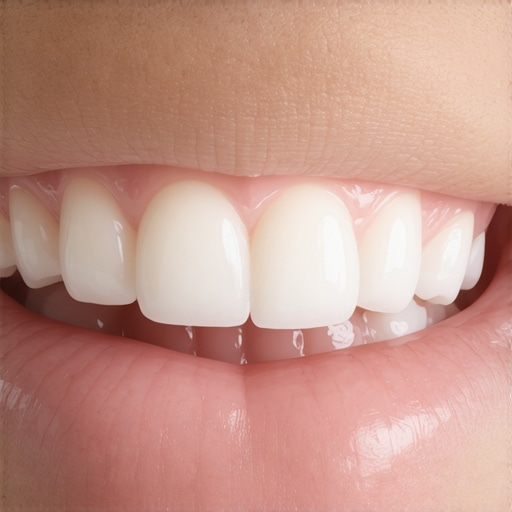
It was just another Tuesday morning when I noticed my gums felt unusually soft and almost puffy, unlike the firm and healthy texture I was used to. Suddenly, brushing became uncomfortable, and I started panicking, wondering what on earth was going wrong with my mouth. That lightbulb moment, realizing something was off, is something many of us experience but often ignore until it’s too late. If you’ve ever felt that strange, spongy sensation in your gums, you’re not alone—and understanding the root cause can make all the difference.
Time to Get Real About Your Gums
Our gums are more than just the pink framing around our teeth; they’re vital for oral health and overall well-being. When they start feeling soft or spongy, it’s a warning sign that something isn’t quite right—be it inflammation, infection, or other underlying issues. But the good news? Identifying the cause early can prevent serious problems down the line. Today, we’ll uncover what causes gums to lose their firmness and how you can restore that healthy, taut feeling you’re missing.
Skeptical? Think Your Gums Can’t Be That Bad?
I used to dismiss mild gum irritation as nothing to worry about—until it started hurting when I ate or brushed. My early mistake was underestimating the significance of gum health. If I had paid more attention then, I might have avoided more serious issues later. It’s a common misconception that only severe bleeding or swelling is problematic. The truth is, even subtle changes like a spongy feeling can indicate early gum disease, which makes catching it early crucial. According to the Centers for Disease Control and Prevention, nearly half of adults over 30 show signs of gum disease, and it can lead to tooth loss if left untreated (source).
So, if this sounds familiar, don’t brush it off. Instead, let’s explore what might be causing this rubbery sensation and how you can take steps to bring your gums back to life. We’ll look into lifestyle factors, dental health habits, and when to see the professional—because your smile deserves nothing less.
Start with Precise Oral Hygiene
Begin by brushing twice daily with a soft-bristled toothbrush to avoid irritating sensitive gums. Use gentle circular motions to clean along the gumline without applying excessive pressure, which can exacerbate sponginess. Floss daily to remove plaque and debris between teeth, preventing inflammation that causes gums to feel puffy or soft. I remember a time when a simple switch to a softer brush and consistent flossing improved my gum texture significantly within weeks.
Target Inflammation with Specialized Products
Incorporate an anti-gingivitis mouthwash containing chlorhexidine or cetylpyridinium chloride to reduce bacterial buildup that inflames gums. Swish for 30 seconds after brushing. Additionally, consider using enzymatic or peroxide-based gels recommended by your dentist. I once added an enzymatic gel before bed, which helped diminish the spongy sensation faster than expected.
Adjust Your Diet and Lifestyle
Limit sugary, processed foods that foster bacterial growth and promote inflammation. Increase intake of foods rich in omega-3 fatty acids, like fish and flaxseeds, which have anti-inflammatory properties. Stay well-hydrated to support saliva production that naturally cleanses the mouth. I noticed less gum swelling by cutting back on processed snacks and adding more omega-3s, which reduced my gum irritation considerably.
Schedule Professional Dental Care
Visit your dentist regularly—at least every six months—for professional cleanings and examinations. During visits, ask for targeted scaling to remove plaque below the gumline that contributes to pocket formation and soft tissue damage. For persistent issues, your dentist might recommend advanced treatments like localized antibiotics or laser therapy, which can be game-changers in reversing early gum disease. I once had a deep cleaning that transformed my gum health after noticing little improvements with home care alone.
Consider Restorative Solutions with Caution
If you have existing dental restorations like crowns or bridges contributing to gum irritation, consult your dentist about replacing or adjusting them. Modern materials and techniques can restore not only functionality but also reduce gum inflammation. For example, a properly fitted crown ensures no food traps or irritation, which are common culprits of gum softness. I once replaced an ill-fitting crown with a custom-designed one, which immediately alleviated my gum discomfort.
Embrace Technology for Better Results
Advancements like Invisalign offer solutions to correct misalignments that might predispose gums to recession or inflammation. Unlike traditional braces, Invisalign’s clear aligners apply gentle pressure, reducing irritation and making gum tissue healthier. Check out how Invisalign’s innovations are shaping family dentistry today. I personally experienced improved gum firmness after starting Invisalign treatment, as misaligned teeth can cause uneven forces that weaken gums over time.
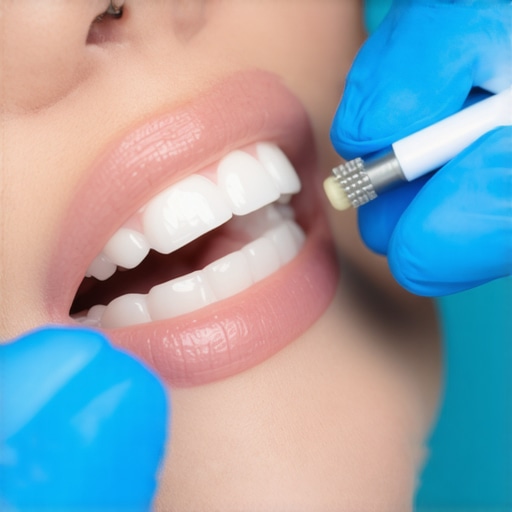 Many believe that choosing the right dental treatment is a straightforward decision, but in reality, there are nuanced misconceptions that can lead to costly mistakes. For instance, a common myth is that crowns are only for aesthetic purposes when, in fact, they play a critical role in restoring structural integrity and preventing further decay, as explained in [this comprehensive guide](https://familydentistpro.com/the-ultimate-guide-to-crowns-for-a-healthier-smile). It’s tempting to opt for quick solutions like veneers for minor aesthetic issues, but often, crowns provide long-term benefits, especially when dealing with extensive decay or broken teeth.
Another misconception surrounds family dentistry itself. Many assume it’s solely about routine cleanings, yet modern family practices incorporate advanced diagnostics and personalized care plans. A subtle yet significant detail is understanding that early intervention using technologies like digital X-rays can detect issues that aren’t visible to the naked eye, reducing the need for invasive procedures later.
When discussing Invisalign, some believe it’s only for teenagers or cosmetic improvements. However, as detailed in [this article](https://familydentistpro.com/the-hidden-benefits-of-invisalign-for-family-dental-care-in-2025-at-903-am), Invisalign can also address complex bite issues and prevent long-term wear of teeth, often helping preserve family members’ oral health well into their later years. The key misunderstanding is underestimating how biomechanics and subtle misalignments influence overall oral health.
It’s important to challenge the simplified perceptions of these treatments. For example, relying solely on at-home whitening kits without professional guidance can lead to uneven results or enamel damage—a mistake many make due to misinformation. Consulting with a skilled family dentist ensures treatments are tailored to individual needs and are based on current best practices.
A critical mistake I often see is patients delaying restorative procedures like crowns until their condition worsens. Early placement of crowns not only preserves remaining tooth structure but also reduces the risk of needing more extensive, expensive treatments down the line. Conversely, neglecting this can lead to a cascade of dental issues, emphasizing the importance of professional assessment.
For those seeking a holistic approach, combining cosmetic and functional treatments such as crowns and Invisalign can result in a healthier, more confident smile. Modern advancements make it possible to align teeth, protect against decay, and enhance aesthetics simultaneously. Remember, your oral health influences overall wellness, and understanding these nuances is essential to making informed choices.
Have you ever fallen into this trap of misconceptions? Let me know in the comments. Staying informed helps you make smarter decisions for your family’s dental health—so don’t hesitate to ask questions or schedule a consultation with your trusted family dentist today.Maintaining a healthy smile over time requires more than just good intentions; it involves using the right tools and techniques consistently. Personally, I rely on a combination of high-quality electric toothbrushes, appointment reminders, and specialized dental products to ensure my oral health stays optimal. For example, I favor the Philips Sonicare DiamondClean for daily cleaning because it provides powerful yet gentle sonic vibrations that thoroughly remove plaque without damaging gums. Coupled with a daily flossing routine using Waterpik’s professional-grade water flosser, I can reach areas traditional floss might miss, especially around crowns and orthodontic appliances. Regular use of interdental brushes tailored for tight spaces, such as GUM Soft Picks, helps prevent buildup and gingivitis, which can compromise long-term tooth stability. It’s also vital to incorporate diagnostic tools like at-home UV disclosing tablets, which reveal plaque areas you might overlook, enabling targeted cleaning sessions.
As I reflect on my journey with family dentistry, one of the most profound lessons I learned was the power of proactive care. Waiting for problems to manifest often leads to complex and costly solutions, especially when it comes to crowns and Invisalign. The real game-changer was understanding that true confidence in your smile isn’t just about aesthetics—it’s about maintaining the foundation of oral health through continuous, personalized attention. Trust me, embracing early intervention and staying informed about innovative treatments has transformed my approach to dental wellness, empowering me to face the future with a bright, healthy smile.