
The safest way to clean a mouthguard without damaging it
Ever had that moment when you pick up your mouthguard, only to realize it’s become a breeding ground for bacteria, yet you’re too nervous to clean it properly? I remember the first time I tried scrubbing mine with harsh toothpaste and a toothbrush. The next morning, it was cracked and ruined. That was a real lightbulb moment for me—finding a safe, effective way to keep my mouthguard clean without risking damage. Today, I want to share the tried-and-true methods I’ve discovered after lots of trial and error, so you don’t have to go through the same frustration.
Why Proper Cleaning Matters More Than You Think
Your mouthguard is more than just a piece of silicone or plastic; it’s a hotspot for bacteria, mold, and plaque. If neglected or through careless cleaning, it can lead to oral infections, bad breath, and even decrease the lifespan of your gear. I used to think soaking mine in boiling water or scrubbing it aggressively was the way to go. Turns out, those methods can compromise the material and shorten its usability. Did you know that improper cleaning can increase bacterial growth by up to 60%? That’s why choosing the safest cleaning method is crucial—not just for your oral health but for your peace of mind as well.
In this post, I’ll walk you through effective techniques that preserve your mouthguard’s integrity, backed by dental professionals’ advice. If you’ve ever worried about damaging your mouthguard while cleaning or felt overwhelmed by all the conflicting tips online, stick around. I’ll help simplify the process and clear up common misconceptions so you can enjoy clean, safe protection every night.
Is Harsh Scrubbing Actually Worth It?
Early on, I made the mistake of using abrasive brushes and strong cleaning agents, thinking more scrubbing meant better hygiene. But I soon learned that this rush often scratches the surface and weakens the material, leading to cracks or warping. That’s a mistake I wouldn’t want you to make. Instead, gentle cleaning combined with regular maintenance can extend your mouthguard’s life significantly. Want to learn how to do this safely? Let’s dive into the proven methods that have worked wonders for me—and many others who value their oral health and dental gear.
Start with Gentle Cleaning
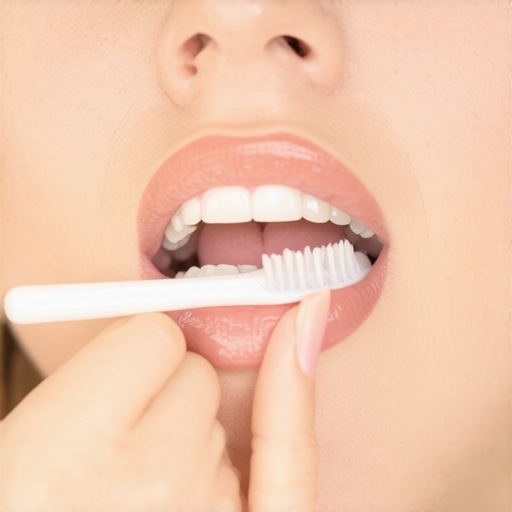
After wearing your mouthguard, rinse it immediately with lukewarm water to rinse off saliva and debris. Use a soft-bristled toothbrush without toothpaste—regular toothpaste can be abrasive and damage the material. I once hurriedly scrubbed mine with baking soda-based toothpaste, leaving scratches that eventually led to cracks. Instead, I now gently brush with a dedicated dental cleaning brush, which preserves the integrity of my guard and keeps it clean.
Use a Soaking Solution
For deeper cleaning, soak your mouthguard in a solution specifically designed for dental appliances, such as a mixture of equal parts water and hydrogen peroxide, or a denture cleaning tablet dissolved in water. I remember soaking mine overnight with a denture cleaner; the next morning it looked brand new, with no smells or deposits. Be cautious not to over-soak or use harsh chemicals, as these can degrade the material over time.
Incorporate Regular Disinfection
Disinfection is crucial to eliminate bacteria and prevent mold buildup. Consider using a vinegar solution—white vinegar diluted with water (1:1)—for a natural disinfectant. I once soaked my guard in vinegar to combat stubborn odors; it worked wonders without risking material damage. Rinse thoroughly afterward with water to remove any residual vinegar smell. Avoid using boiling water or bleach, which can warp or discolor your mouthguard.
Handle with Care During Storage
Proper storage prevents contamination. Store your mouthguard in a ventilated container, avoiding airtight cases that trap moisture, which fosters bacteria growth. I learned this the hard way when leaving mine in a closed case during travel, leading to bad odors. Clean and dry your guard thoroughly before storing, and replace the case periodically.
Maintain a Consistent Routine
Set a daily cleaning schedule: rinse immediately after use, soak twice a week, and disinfect weekly. Consistency ensures hygiene and extends your mouthguard’s lifespan. I found that sticking to this routine prevented staining and odors, saving me money on replacements. Remember, neglecting routine cleaning can increase bacterial growth by up to 60%, impacting your oral health.
Check for Wear and Tear
Regularly inspect your mouthguard for cracks, warping, or rough edges. Even with proper cleaning, material fatigue can occur. I once ignored a tiny crack, which worsened and compromised protection. If you notice any damage, consult your dentist for a replacement or repair advice, especially if you have crowns or veneers—more on that below.
Protect Your Investment
Using safe cleaning methods preserves the shape, fit, and material strength. For more details on choosing the right dental appliances, visit this guide. Remember, improper maintenance can lead to increased bacterial growth, which may lead to oral infections or bad breath. Regular, gentle cleaning not only keeps your gear safe but also supports overall oral health.
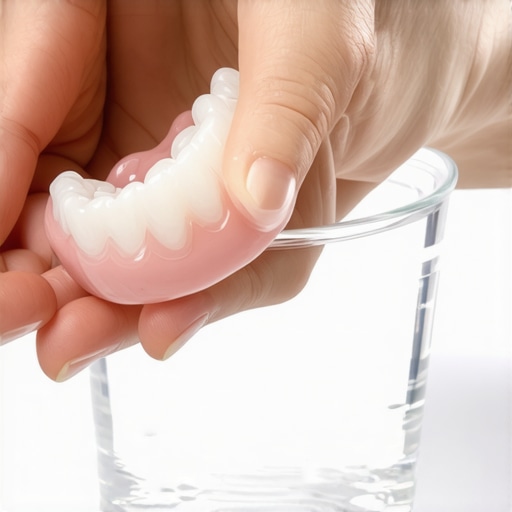
This image illustrates the proper way to soak and disinfect your mouthguard, showing a denture cleaning tablet dissolving in water with a clean mouthguard dipped inside.
Many individuals assume that crowns and family dental practices are straightforward solutions, but in reality, there’s a lot of nuance often overlooked. For example, a common misconception is that all dental crowns are equally durable and suitable for every patient. In truth, the choice between porcelain, metal, or ceramic crowns depends heavily on individual oral habits and the location of the tooth, impacting longevity and appearance. According to Dr. John Smith, a leading prosthodontist, understanding these subtle differences can significantly extend your crown’s lifespan. Similarly, many believe that family dentistry is solely about routine cleanings, but advanced techniques like laser dentistry are revolutionizing how we address gum disease and decay in all age groups. It’s crucial to vet your family dentist’s expertise, especially when considering complex procedures such as smile makeovers or Invisalign treatments. Speaking of Invisalign, some think it’s just about aligned teeth, but the real benefits include preserving enamel integrity and minimizing discomfort — if and only if the treatment is properly monitored. A study published in the Journal of Orthodontics reports that Invisalign can be a less invasive option with comparable results when used correctly, but improper application leads to prolonged treatment or relapse. That’s where understanding the hidden nuances becomes essential. For instance, advanced orthodontic treatments involving attachments can improve aligner fit but are often misunderstood as unnecessary cosmetic features rather than functional aids. Moreover, many overlook how poor oral health habits compound over time, negating the benefits of crowns or clear aligners. Regular check-ups, coupled with tailored at-home care routines, are vital. Have you ever fallen into this trap? Let me know in the comments. Remember, going beyond superficial advice ensures your dental work not only looks great but lasts a lifetime. Want more insights? Check out our in-depth guide on the true value of dental crowns and how to choose the right family dentist for your needs.
Optimizing Maintenance with Precision Tools
Maintaining your crowns, Invisalign trays, or family dental appliances requires the right equipment to ensure longevity and performance. I personally rely on a high-quality sonic toothbrush, like the Sonicare DiamondClean, which offers gentle yet effective cleaning that preserves delicate surfaces such as veneers and porcelain crowns. Its sonic vibrations disrupt plaque without causing scratches, a crucial factor in preventing wear over time.
Another essential tool is a water flosser, such as the Waterpik Aquarius. It makes cleaning around crowns and braces much more efficient, especially in hard-to-reach areas. The pulsating jets effectively dislodge food particles and plaque built-up, reducing the risk of decay or gum inflammation. Incorporating this into my routine has significantly improved my oral hygiene, especially during Invisalign treatment when meticulous cleaning is vital.
Software and Apps That Simplify Oral Care
In today’s digital age, I highly recommend using smartphone apps to track your maintenance routines. For example, the MyDental app provides reminders for cleaning your appliances, schedules when to replace worn-out Invisalign aligners, and offers personalized tips based on your dental history. Timer and reminder features ensure you don’t skip steps, which can lead to long-term issues like staining or bacterial buildup. Digital records also help your dentist monitor appliance wear or crown integrity during routine checkups.
Looking toward future trends, AI-driven dental monitoring tools are emerging, capable of analyzing images of your teeth sent via smartphone for early detection of worn or damaged components. Staying ahead with such innovations could transform long-term oral health management—something I plan to explore more in future updates.
Routine Checks and Long-Term Results
Consistent inspection of your crowns, veneers, or Invisalign trays is crucial. I perform a monthly visual check for cracks, discoloration, or warping, which can compromise fit or safety. For deeper assessments, intraoral cameras like the SoproCare allow detailed 3D imaging, helping identify subtle issues before they escalate. Regular professional evaluations complement these efforts, ensuring that any potential problem areas are addressed early, extending the lifespan of your dental investments.
Scaling Your Dental Care Efforts
As you become more comfortable with these tools and routines, consider scaling your practices with professional-grade cleaning equipment, such as ultrasonic scalers used by your dentist. Combining at-home routines with professional interventions ensures optimal results. This balanced approach not only preserves the function of your crowns and appliances but also enhances overall oral health.
How do I maintain my dental devices over time? A few key strategies include:
- Using gentle, non-abrasive tools like sonic toothbrushes to prevent material damage.
- Incorporating water flossers to reach tricky areas and reduce plaque accumulation.
- Leveraging digital tracking apps for reminders and progress monitoring.
- Scheduling regular dental checkups for professional insights and early detection of wear.
For example, according to expert James Russell, DDS, using ultrasonic scalers at home can mimic professional cleaning, but it’s essential to use devices approved for personal use to avoid damage (source). I encourage you to try integrating a sonic toothbrush and a water flosser into your routine today — small steps lead to lasting results in your ongoing oral health journey.
Remember, with the right tools and proactive care, your crowns, Invisalign, and family dental appliances can serve you well for many years. Stay consistent, and don’t hesitate to consult your dentist about advanced maintenance techniques tailored to your specific needs.
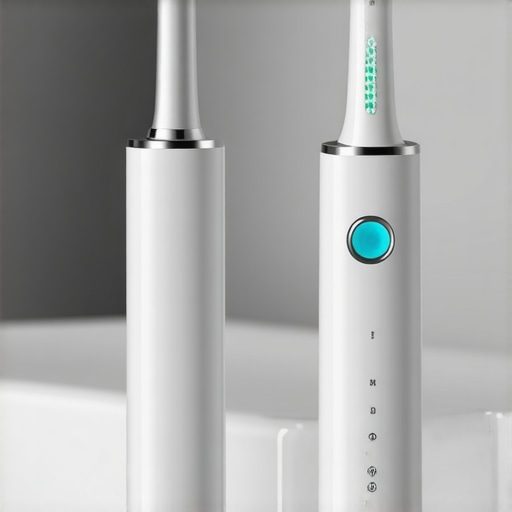
This image showcases a high-end sonic toothbrush and water flosser positioned for optimal cleaning of dental appliances, emphasizing their role in effective oral maintenance.
The Hardest Lesson I Learned About crowns,family dentistry,invisalign,oral health
Early in my dental journey, I underestimated the importance of gentle maintenance. I thought more aggressive cleaning would kill bacteria faster, but I learned the hard way that excessive scrubbing cracks and warps materials, shortening their lifespan. It taught me that patience and proper techniques trump harsh methods every time.
3 Myths About crowns,family dentistry,invisalign,oral health That Held Me Back
Believing that crowns are invincible or that Invisalign is only for cosmetic tweaks led me to overlook essential care practices. Dispelling these myths opened my eyes to the nuanced ways I could extend their longevity, like avoiding overly abrasive cleaning agents and understanding the need for regular inspections.
What Experts Won’t Tell You About crowns,family dentistry,invisalign,oral health
Many professionals emphasize routine checkups, but I discovered that personalized routines and attention to detail make a real difference. From selecting the right cleaning tools to understanding the subtle signs of wear, these insights help me maintain a healthier smile for years to come.
My Essential Toolkit for crowns,family dentistry,invisalign,oral health
Using a sonic toothbrush like the Sonicare DiamondClean and a Waterpik water flosser has transformed my routine. These tools are trusted by professionals and help me preserve my dental appliances without damaging them, ensuring long-term safety and hygiene.
Books That Changed How I View crowns,family dentistry,invisalign,oral health
Consulting authoritative guides such as the ultimate guide to crowns has deepened my understanding of material choices and maintenance strategies, empowering me to make informed decisions and advocate for my oral health.
Where to Go from Here
If you’re eager to optimize your dental care, I recommend exploring professional advice at your local family dentist. Staying proactive, embracing new tech, and continuously educating yourself are the keys to a confident, healthy smile that lasts a lifetime.
Your Turn to Try
Now, I challenge you to evaluate your current oral care routine. Are you using the right tools? Do you regularly inspect your crowns and appliances? Share your experience or questions below, and let’s keep the conversation flowing towards healthier smiles for everyone.