
Why your teeth feel brittle after a professional whitening
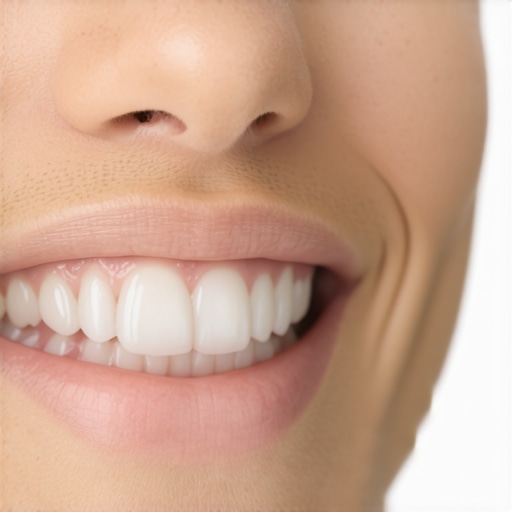
I remember the moment clearly—after finally saving enough for that professional whitening, I eagerly booked my appointment. But soon after, I noticed something unsettling: my teeth felt oddly brittle, almost like they were made of glass. That light, bright smile came with an unexpected side effect that left me worried and confused. Turns out, I wasn’t alone in this experience, and it made me question whether the whitening was truly worth it.
Is This Normal When You Brighten Your Smile?
Many people assume that a whiter smile is the ultimate goal, but what happens when that brightening process leaves your teeth feeling fragile or sensitive? That sensation can be real—I’ve felt it myself—and it’s not something to ignore. The harsh truth is, professional whitening involves removing stains and discoloration, but it can also temporarily weaken the enamel—the hard, protective layer of your teeth. This can lead to that brittle feeling, which might make you wonder if the procedure did more harm than good.
What I promise to share today is practical, experience-backed advice on why this happens and, more importantly, how to protect your teeth afterward. If you’ve been struggling with this delicate balance—having a dazzling smile without sacrificing your oral strength—stick around. I’ll walk you through understanding what’s going on and how to ensure your teeth stay healthy and resilient long after your whitening session.
Skeptical if Whitening Is Safe or Just a Cosmetic Trick?
Early on, I made a mistake that many others do—believing that more whitening meant better results, regardless of the process. I overused whitening gels, thinking it would accelerate the brightness, but it only worsened the brittleness and sensitivity. That quick fix turned out to be a costly lesson. The good news is, with the right knowledge, you can achieve a stunning smile without risking damage to your teeth. Want to know the secrets professionals keep about safeguarding your smile? Visit this resource to learn more about myths surrounding dental treatments and how to choose what’s right for you.
Strengthen Your Enamel to Avoid Brittle Teeth
After a whitening session, your enamel becomes temporarily more porous, making your teeth more susceptible to damage. To fortify it, incorporate fluoride toothpaste into your daily routine—flouride acts like a shield, much like a protective coat on paint, safeguarding against weakening. I remember starting this habit immediately after my last whitening; within days, I noticed my teeth felt sturdier, and sensitivity diminished.
Implement Gentle Oral Care Practices
Think of your teeth as delicate glassware. Avoid aggressive brushing with hard-bristled toothbrushes; instead, use a soft-bristled brush and gentle, circular motions to remove plaque. I once made the mistake of scrubbing aggressively, which caused discomfort and enamel erosion. Switching to a soft brush and learning proper technique significantly improved my comfort and protection.
Limit Acidic and Staining Foods
Acidic foods and drinks, like citrus or soda, can further weaken enamel, akin to adding wear to a rough surface. After whitening, I cut back on lemon water and coffee, replacing them with water or milk, which are gentler options. This simple change helped me maintain the results longer and kept my teeth feeling resilient.
Stay Hydrated and Use Straws
Water helps wash away residual acids and stains, acting like a rinse to neutralize harmful substances. When sipping darker beverages, using a straw directs liquids away from your teeth, reducing contact. I found that drinking through a straw not only preserved my whitening results but also minimized sensitivity, especially when enjoying red wine with dinner.
Follow Up with Professional Care
Schedule regular dental check-ups to assess your enamel health and get personalized advice. A professional cleaning can remove surface stains and plaque, similar to a tune-up for your vehicle, ensuring your teeth stay in top shape. During my routine visits, my dentist recommended specific desensitizing treatments, which significantly eased discomfort and strengthened my teeth.
Avoid Overdoing Whitening Products
Resist the temptation to repeat whitening soon after treatment, akin to overfilling a water glass—it leads to spillage and damage. Professional guidance ensures you only whiten when necessary and with appropriate products. I learned this lesson the hard way, overusing gels and ending up with more sensitivity; now, I follow my dentist’s schedule, which preserves my smile’s brightness without risking brittleness.
While many assume that dental procedures like crowns and Invisalign are straightforward fixes, experts know there’s far more beneath the surface. One common myth is that crowns are a quick cosmetic fix; in reality, selecting the right type involves understanding material properties, longevity, and compatibility with your oral environment. For instance, porcelain crowns can be stunning but might chip if not chosen correctly, which is why consulting a specialist using insights from professional knowledge is crucial.
Another misconception surrounds family dentistry—many believe it only involves routine cleanings, but modern practices incorporate advanced tech like digital scanning and lasers to enhance accuracy and comfort. These nuanced advancements can significantly improve your long-term oral health, as detailed in this guide.
When it comes to Invisalign, a common mistake is underestimating the importance of proper attachment placement. Advanced users recognize that strategically placed attachments improve aligner grip and effectiveness, an insight supported by studies highlighting the importance of biomechanics in treatment success (see latest research). Many think Invisalign works like traditional braces but overlook these subtle yet critical factors.
Furthermore, understanding the precise differences between crowns and veneers can help you make smarter decisions about restorations. While both improve appearance, their durability and underlying structure differ significantly—a nuance overlooked by many. Reading thorough comparisons on this article can clarify your options.
Though these topics seem simple on the surface, mastering them requires awareness of the finer details. Applying this advanced knowledge ensures you avoid common pitfalls, like choosing the wrong material or treatment plan, which can cost time and money down the line. Have you ever fallen into this trap? Let me know in the comments. Staying educated empowers you to advocate for optimal dental care, turning routine procedures into long-lasting investments in your health.
Keeping Your Smile in Top Shape: Tools I Trust
Maintaining optimal oral health over the years requires more than just regular brushing and flossing; it demands precision, the right equipment, and ongoing attention. Personally, I rely on a combination of professional-grade tools and smart technology to ensure my smile remains bright and my teeth stay strong. One key piece of equipment I swear by is an ultrasonic scaler, which I use during professional cleanings to remove tartar and plaque buildup more effectively than manual tools, leading to healthier gums and a longer-lasting whitening result.
Beyond the dental chair, at-home maintenance is equally vital. I recommend investing in an electric toothbrush equipped with pressure sensors and multiple cleaning modes. Brands like Sonicare or Oral-B not only provide superior plaque removal but also alert you when you’re brushing too hard—preventing enamel erosion and sensitive gums. For example, my Sonicare DiamondClean reminds me to apply gentle, consistent pressure, which has dramatically improved my long-term enamel health.
How do I maintain my dental tools for lasting performance?
Proper care extends the lifespan and effectiveness of your dental tools. Regularly replacing brush heads—typically every three months—and keeping your electric toothbrush clean by rinsing and air-drying prevents bacterial buildup. For your flossers and interproximal brushes, ensure they’re dry and stored separately to avoid cross-contamination. Additionally, scheduling semi-annual dental check-ups allows professionals to assess the condition of your tools and replace any worn components with the latest innovations in dental technology.
Modern advancements like water flossers have transformed my routine, allowing a gentle yet thorough cleaning of hard-to-reach areas. These devices use a steady stream of water to dislodge food particles and plaque, reducing the risk of cavities around crowns or veneers. I recommend the Waterpik for its durability and effectiveness, especially for patients with implants or braces. Regular use enhances gum health and prevents long-term issues, aligning with the latest research indicating that water flossing is just as effective as traditional flossing when used correctly (source).
Thinking about scaling your approach?
As your dental needs evolve, so should your tools. Advanced users might consider upgrades like professional-grade whitening kits for home use—provided they’re used cautiously—and consult with their dentist to tailor a routine that addresses unique concerns, such as sensitivity or misalignment. Digital apps and tele-dentistry platforms are also promising enhancements for ongoing monitoring, providing personalized tips and early detection of potential issues.
In the future, I predict that Smart toothbrushes integrated with AI will become standard, offering real-time guidance and data tracking to optimize oral health routines. Embracing these innovations can make sustaining oral health more convenient and effective.
If you’re looking to elevate your dental maintenance, start by trying the pressure-sensitive features of high-quality electric toothbrushes like the Oral-B iO or Sonicare DiamondClean. These tools give you immediate feedback, helping you adjust technique on the spot and prevent long-term damage. Your future self will thank you for making these smart adjustments today.
Reflecting on my journey with dental treatments taught me that even well-intentioned procedures like whitening or veneers come with subtle lessons. One hard-earned insight was realizing that the pursuit of a dazzling smile shouldn’t compromise long-term strength—it’s about balance. Moreover, I discovered that personalized oral care routines, tailored to my unique dental needs, were far more effective than generic advice. These realizations changed my perspective from chasing superficial perfection to valuing genuine health and resilience in my smile.
What Surprised Me About Crown Choices and Family Dentistry Practices
Choosing the right crown material was a game-changer. I learned that porcelain and zirconia each have their strengths and pitfalls, affecting durability and aesthetics in different ways. This taught me to ask my dentist detailed questions and understand the science behind each option, rather than just taking their word for it. Additionally, discovering that advanced family dentistry techniques can prevent future issues made me appreciate the importance of proactive care—it’s about preventing problems before they start, not just fixing them later.
How Invisalign and Modern Tech Transformed My Smile Journey
Seeing the latest innovations in orthodontics, especially Invisalign’s discreet approach, inspired me to consider aligning my teeth without the hassle of traditional braces. I was amazed to find that proper attachment placement and digital planning significantly boost treatment success, underscoring the value of working with knowledgeable professionals. These modern tools emphasized that investing in quality and staying informed can make even complex aligner treatments feel manageable and effective.
Push Yourself to Make Smarter Oral Decisions
Remember, every choice—from the type of crown to the routine you follow—shapes your long-term oral health. Don’t settle for the first option or overlook the science behind it. Empower yourself by asking questions, seeking reputable resources, and staying curious about advancements in dentistry. Your smile is a reflection of how well you care—not just about appearance, but about your overall vitality. Take small steps today that set the foundation for a resilient, confident smile tomorrow.