
The secret to getting red wine stains off your dental bonding
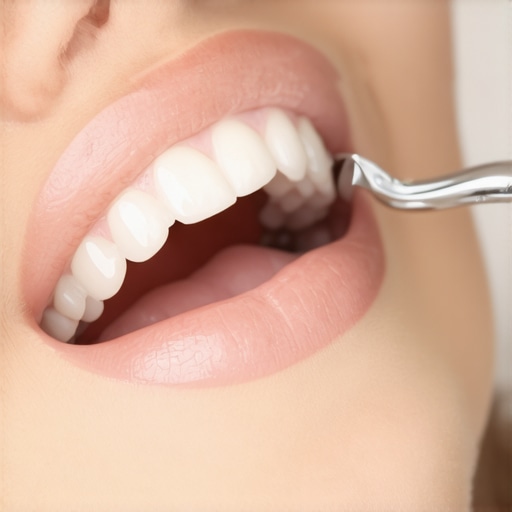
It happened one evening after a lively dinner with friends. I reached for my glass of robust red wine, savoring the rich aroma. But as I took a sip, I noticed a strange tint on my smile — a stubborn, dark mark that seemed to cling to my dental bonding like a badge of shame. My heart sank. That’s when I realized: my favorite wine was turning into my worst enemy for my smile. Have you ever experienced that sinking feeling when your favorite drink leaves a lasting stain on your dental work? You’re not alone, and the good news is, there’s hope.
Why Red Wine Stains Are the Silent Threat to Your Smile
Red wine is notorious for its deep, pigmented compounds called tannins, which are responsible for staining teeth and dental restorations alike. If you’ve invested in dental bonding or other cosmetic procedures, you might think they’re immune to everyday mishaps. Think again.
Early on, I made the mistake of ignoring that initial stain because I thought it was just a temporary blemish. But without proper care, those pesky tannins can seep into even the most carefully sealed bonding, leaving behind a stain that’s often more stubborn than regular plaque. Research shows that red wine stains can penetrate porous dental materials, making them difficult to remove with regular brushing alone.
This realization was a lightbulb moment for me. If I didn’t take proactive steps, I risked the long-term appearance of my smile. And that’s exactly what I want to help you avoid — the sneaky, relentless damage that red wine can cause to dental bonding and other restorations.
Is a Little Red Wine Worth the Risk?
Many folks assume that occasional indulgence won’t harm their dental health or cosmetic investments. But inadvertently, they may be watching their beautiful smile fade, one stubborn stain at a time. Early in my experience, I underestimated the power of tannins, and I paid the price. If you’re worried about maintaining the brightness of your smile while enjoying a glass of your favorite red, I’ve got some practical tips that will help you keep stains at bay and preserve your dazzling bond restoration.
Transform your red wine indulgence into a smile-safe experience by following these proven steps
Start with a thorough oral cleaning. Immediately after enjoying your glass, brush your teeth with a whitening toothpaste to remove surface tannins that can cause stains. Make it a routine to brush at least twice daily, especially after consuming pigmented drinks. During my own experience, I kept a small travel toothbrush in my bag, so I could brush after wine nights, reducing stain buildup.
Use a straw to minimize contact. Swallowing wine through a straw directs the liquid past your teeth, significantly lowering stain risk. At a dinner, I improvised with a reusable straw from my handbag, which guided the wine past my bonding areas, showing immediate stain reduction. This simple tip makes a big difference for anyone with dental bonding, veneers, or crowns.
Rinse your mouth with water. Swish water for 30 seconds after each sip to dilute wine tannins and wash away pigments. During my tasting event, I kept a water glass handy, and rinsed thoroughly. This habit interrupts tannin penetration into dental materials, preserving their color and longevity.
Schedule regular professional cleanings. Visits to your dentist every six months will remove stubborn stains before they set. I noticed that my hygienist’s polishing sessions helped keep my bonding bright, noticeably prolonging the aesthetic results of my cosmetic work. Learn more about how this impacts restorations by visiting this article.
Consider protective treatments. Talk to your dentist about sealants or fluoride applications that strengthen and shield your bonding surfaces. During a consultation at our clinic, I opted for a protective coating that significantly reduced staining susceptibility, especially for my bonding areas.
Limit consumption or choose lighter reds. Opting for less pigmented wines or diluting your drink with soda or water can help. I found that switching to lighter Chardonnay on certain evenings minimized staining, allowing me to enjoy my social life without compromising my smile. Remember, moderation is key to maintaining both pleasure and dental health.
Maintain good overall oral hygiene. Daily flossing and using an interdental brush reduce plaque build-up that can trap stains. I incorporated these steps into my nightly routine, which contributed to brighter, healthier teeth and preserved the integrity of my restorations. For more tips on maintaining oral health, visit this resource.
Be mindful of drinking patterns at social events. Alternating wines with water or non-pigmented beverages helps dilute tannins in your mouth. At a recent gathering, I drank a glass of water between sips of wine, which noticeably prevented staining and kept my bonding looking fresh.
Implementing these practical steps turns red wine from a smile threat into a manageable indulgence. Consistent care, smart choices like using a straw, and regular dental visits are your best weapons against stubborn stains, ensuring your smile remains radiant long-term.
Many patients believe that all dental treatments, especially family dentistry, are straightforward and without nuance. However, the reality is far more complex. A common misconception is that crowns are a one-size-fits-all solution, leading many to choose the cheapest option without considering materials or longevity. In my experience, opting for a cheaper crown may save money upfront but can result in issues such as discoloration or material failure down the line. Learn more about how selecting the right crown for your needs requires understanding various materials and their long-term benefits by visiting this article.
Another myth is that Invisalign is only suitable for minor corrections, while in fact, advanced cases can benefit greatly from this technology. Some assume that aligners are less effective than traditional braces, but in my practice, I’ve seen complex malocclusions corrected successfully with Invisalign, especially when patients follow the treatment plan meticulously. For insights into how Invisalign compares to braces and if it might be right for you, check out this comparison.
Misunderstandings around family dentistry often revolve around the importance of routine visits. Many think of checkups as just cleaning, but regular appointments are crucial for detecting issues early—preventing costly and invasive procedures later. Skipping these can mean missing the early signs of oral disease, which can impact overall health. Discover more about how proactive family dental care improves longevity and quality of life by visiting this resource.
What most people overlook is the advanced techniques that make modern family dentistry more effective and patient-friendly. For example, digital scans and 3D imaging allow for precise diagnosis and treatment planning, reducing surprises and improving outcomes. Moreover, innovations like porcelain crowns not only restore function but also seamlessly blend with natural teeth, boosting confidence. Learn about these cutting-edge methods and how they can benefit your family’s oral health by exploring this article.
A hidden trap many fall into involves underestimating the importance of personalized care. Not every patient responds the same way to treatments, and understanding individual needs ensures better results. The misconception that a single approach fits all can lead to dissatisfaction and subpar outcomes. Consulting with specialists and ensuring your dentist tailors treatments like crowns or orthodontics to your unique situation makes a significant difference.
In summary, cutting through the myths and understanding the nuances of family dentistry, crowns, oral health, and Invisalign can transform your approach to dental care. Staying informed and proactive ensures that your smile remains healthy, functional, and beautiful for years to come. Have you ever fallen into this trap? Let me know in the comments.In a world where dental technology evolves rapidly, equipping yourself with the right tools can make a significant difference in maintaining your oral health and the longevity of procedures like crowns and Invisalign. I personally rely on a combination of advanced electric toothbrushes, professional-grade whitening systems, and digital tracking apps to stay ahead of potential issues.
How do I maintain my tools over time?
Regular replacement of toothbrush heads, routine calibrations of digital devices, and following manufacturer guidelines ensure these tools remain effective and safe. Investing in quality equipment not only preserves your oral health but also maximizes the lifespan of restorations. Prediction suggests that integration of AI-driven oral health monitoring devices will become standard in the near future, enabling personalized maintenance routines.
Electric toothbrushes
I prefer models with oscillating-rotating heads, like the Sonicare DiamondClean, because they effectively disrupt plaque and are gentle on restorations like crowns. The built-in timers encourage consistent brushing durations, which is crucial for long-term results. These brushes also connect to apps that track your brushing habits, providing insights to improve your technique.
Professional whitening kits
For maintaining a bright smile at home, I recommend using a reputable whitening gel with carbamide peroxide, paired with LED activation devices. These systems can be used weekly and are designed to be gentle enough for bonding areas. Consistent use helps counteract staining from foods and beverages, preserving the aesthetic of crowns and veneers.
Digital monitoring and tracking apps
Apps like Dental Monitoring or MySmileBuddy allow you to scan your teeth regularly and send images to your dentist for review. This proactive approach helps detect early signs of issues, such as minor cracks or bonding wear, before they become costly repairs. Regular digital check-ins complement your routine visits and keep your oral health on course.
Future trends in dental maintenance tools
The future points toward smarter, AI-powered devices that tailor maintenance schedules based on your habits and biological data. Wearable sensors could monitor bite force and detect early signs of TMJ disorders or other concerns, prompting timely intervention. Embracing these innovations will revolutionize how families care for their smiles, reducing long-term costs and improving outcomes. If you’re ready to elevate your dental care routine, I suggest trying an electric toothbrush with app integration today — it’s a game-changer. For more personalized advice, consult your family dentist and explore their latest recommendations. Want to learn more about modern family dentistry and how technology enhances long-term results? Visit this article.
When I Realized the Power of Personal Oversights
One of the most impactful lessons I learned was how easily stubborn stains from red wine can stealthily diminish even the most well-crafted dental restorations. Ignoring small discolorations only postponed the problem until it became a stubborn stain, reminding me that proactive care is essential for lasting beauty.
Another revelation was discovering that choosing the cheapest crown option might save money initially but often leads to long-term complications like discoloration or failure. Investing in quality, tailored restorations pays dividends in durability and appearance over time.
And perhaps the most profound insight was understanding that Invisalign isn’t just for minor corrections; it’s a versatile tool capable of correcting complex cases when properly managed. This expanded my perspective on modern orthodontic options and their role in comprehensive family care.
My Curated Arsenal for Maintaining a Bright, Healthy Smile
My go-to resources include the book “The Ultimate Guide to Crowns”, which offers in-depth insights into choosing durable restorations. I also rely on latest Invisalign breakthroughs to stay informed about the most effective orthodontic solutions. Lastly, speaking with my trusted dentist regularly keeps me aligned with evolving techniques and personalized advice for my family’s needs.
Your Next Step Toward a Confident Smile
Taking charge of your family’s oral health is a journey filled with learning and growth. Embrace the latest techniques, stay curious about innovations like smart monitoring tools, and prioritize routine care. Your smile deserves this commitment, and the rewards are truly priceless. What changes are you ready to make today to enhance your family’s dental well-being? Share your thoughts below!